
 Chinese
 English
Service Hotline
+86 18948275773+86 13632667260


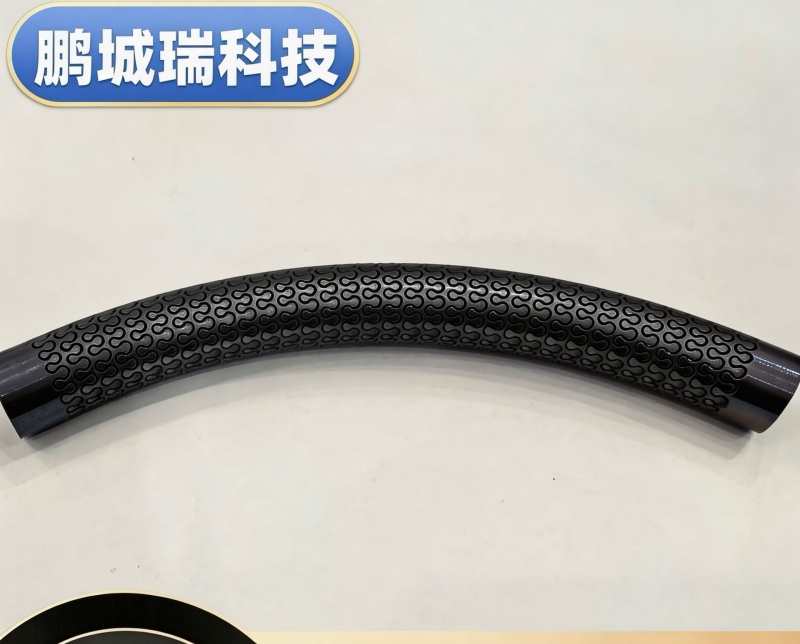
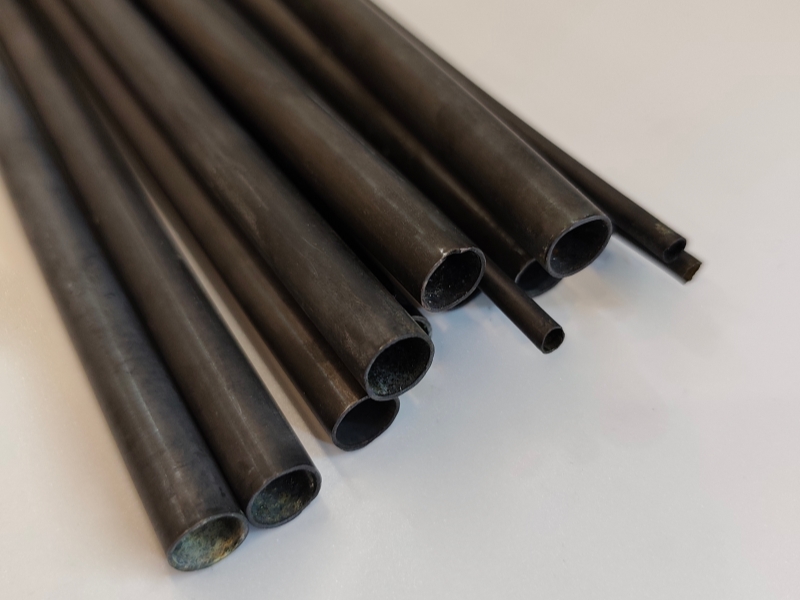
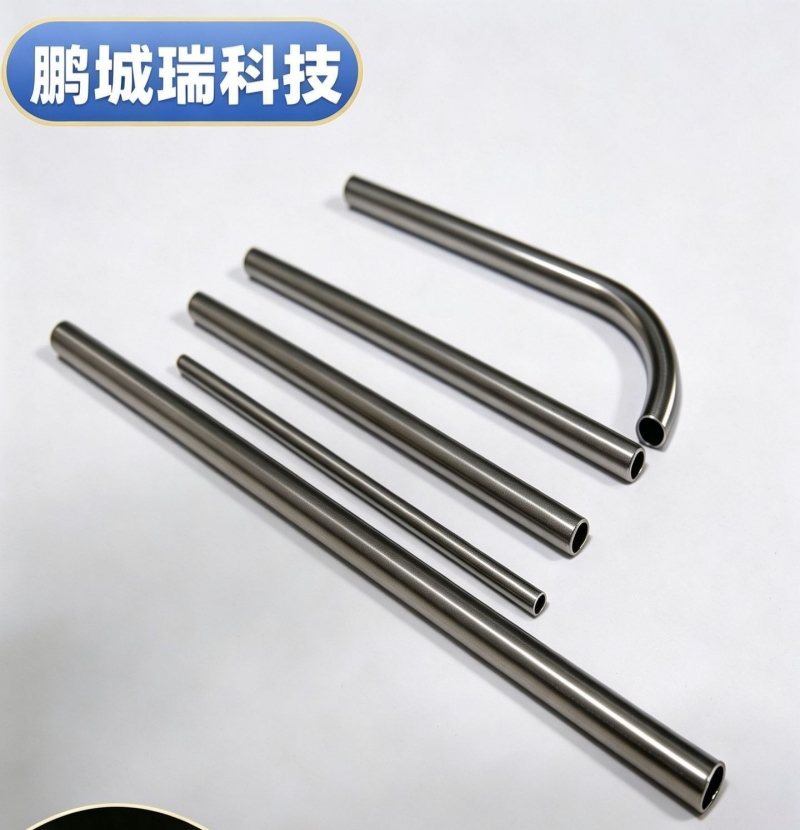
High temperature nickel titanium alloy pipe is a special type of pipe that combines the shape memory effect, superelasticity, and high temperature resistance of nickel titanium alloy, playing a key role in multiple industrial fields. Its core advantage lies in its ability to maintain stable mechanical properties and functional characteristics in high temperature environments (usually exceeding 100 ℃, and some models can withstand temperatures above 300 ℃). The following are its main usage classifications and specific application scenarios:
1、 Aerospace field
Aerospace has extremely high requirements for high temperature resistance, lightweight, and reliability of materials. The application of high-temperature nickel titanium alloy pipes is mainly reflected in:
Engine system: used for manufacturing combustion chamber cooling pipes, fuel delivery pipes, etc. Its high temperature resistance can withstand the high-temperature gas environment (200-600 ℃) during engine operation, and the shape memory effect can reduce pipeline deformation caused by temperature changes, ensuring stable transportation of fuel and cooling medium.
Spacecraft structural components: In the thermal control system of satellites and rockets, as flexible heat pipes or heat exchanger tubes, their good thermal conductivity and high temperature stability are utilized to achieve efficient heat transfer and balance inside the spacecraft.
Braking and control system: Used for hydraulic pipelines in high-temperature environments, such as hydraulic conduits for aircraft landing gear, it can withstand the instantaneous high temperature generated during the braking process, while its superelastic properties reduce vibration damage to the pipelines.
2、 In the field of energy and power engineering
Nuclear energy industry: In the auxiliary systems of nuclear reactors, as coolant delivery pipes or heat exchanger tubes, they can withstand high temperatures (200-400 ℃) and corrosion in radioactive environments, ensuring the safe operation of the reactor.
Geothermal development: Used as a heat transfer pipe in geothermal wells, it is suitable for underground high temperatures (150-300 ℃) and corrosive environments, and efficiently transfers geothermal energy.
Thermal power generation: In the high-temperature steam pipelines and waste heat recovery systems of power plants, some traditional alloys are replaced to reduce pipeline stress caused by thermal expansion and extend service life.

Nickel titanium alloy filter screen
3、 Petrochemical and metallurgical fields
Oil and gas extraction: Used as tubing or casing in deep wells (high-temperature and high-pressure environments), it can withstand high formation temperatures (120-250 ℃) and corrosion from oil and gas media. At the same time, the shape memory effect can assist in achieving pipeline sealing and connection.
Chemical reaction equipment: used for feeding/discharging pipelines and catalyst transport pipelines in high-temperature reaction vessels, adapted to high temperatures (150-400 ℃) and corrosive media (such as acids, bases, and organic solvents) in chemical reactions.
Metallurgical industry: In high-temperature smelting processes such as steelmaking and aluminum smelting, as cooling water pipes or melt conveying pipes, it can withstand the high temperature (300-600 ℃) of the smelting environment and the erosion of metal melts.
4、 Medical field (special applications)
Although conventional nickel titanium alloys are more commonly used in ambient temperature medical scenarios (such as vascular stents), high-temperature nickel titanium alloy tubing can be used for:
Interventional tumor therapy: Using a thermal tube in a thermal therapy device to precisely deliver high-temperature medium (50-80 ℃) to the tumor site, achieving local high-temperature ablation.
High temperature disinfection equipment: As a medical instrument disinfection pipeline, it can withstand high temperature steam disinfection (121-134 ℃) while maintaining the flexibility and fatigue resistance of the pipeline.
5、 High end manufacturing and research fields
Precision instruments: Sensor protection tubes and instrument connection conduits that work in high-temperature environments, such as high-temperature pressure sensor pipelines in aircraft engine testing, to ensure stable signal transmission.
Experimental setup: High temperature experimental equipment used in the fields of materials science, thermodynamics, etc., serving as a connecting tube or medium transport channel for the reaction chamber, meeting the requirements for temperature stability and material purity in experiments.
The core value of high-temperature nickel titanium alloy pipes lies in their "functional stability in high-temperature environments", and their application scenarios revolve around this characteristic, especially in the field where traditional metal pipes (such as stainless steel and ordinary nickel alloys) are difficult to balance high temperature resistance, fatigue resistance, lightweight, and functional characteristics (such as shape memory and superelasticity), and have irreplaceable advantages. With the upgrading of industrial technology, its applications in emerging fields such as new energy and deep space exploration are gradually expanding.
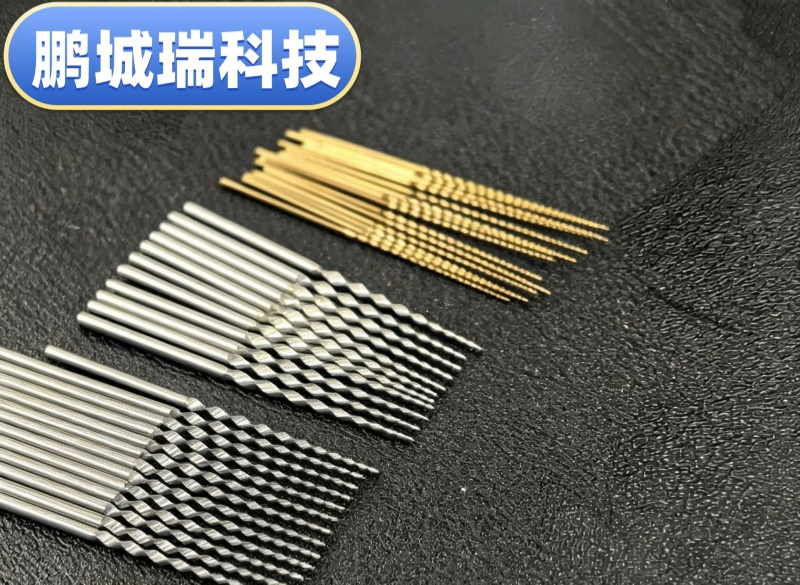
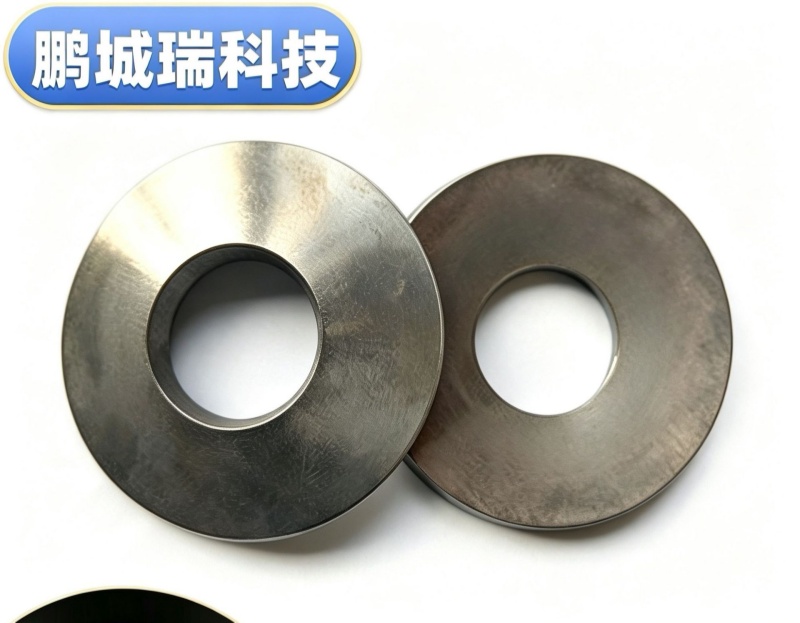
Nitinol
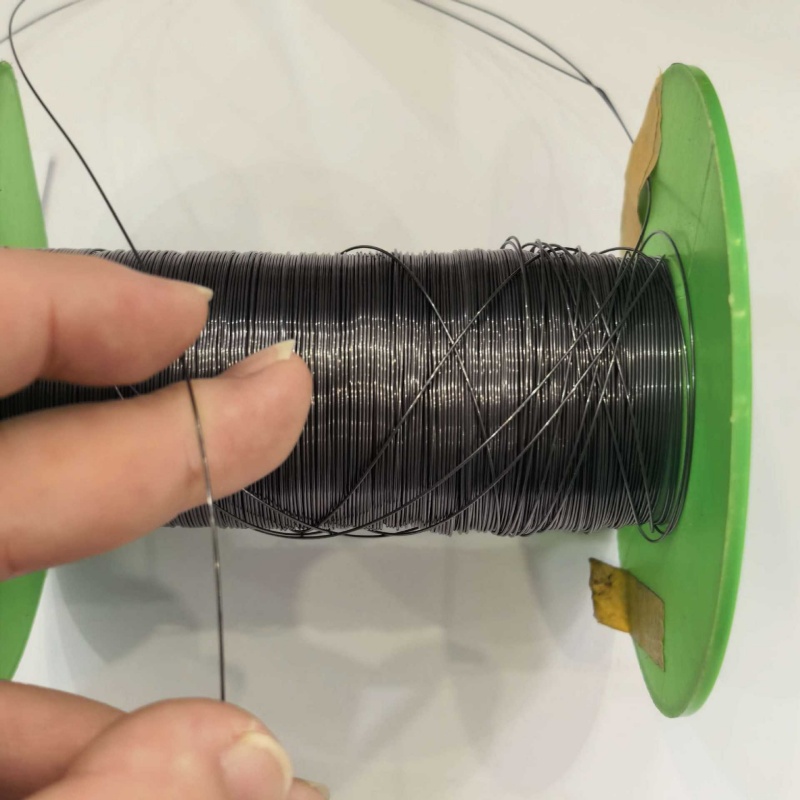
Seamless nickel titanium tube Nickel titanium fiber wire Nickel titanium plateApplication Area
Medical Industry New Energy Aerospace Machinery Manufacturing Marine Engineering Petrochemical IndustryContact Us
Contacts:Manager Wu +86 13632667260


 WeChat
 Call me
X