
 Chinese
 English
Service Hotline
+86 18948275773+86 13632667260



Nickel titanium room temperature alloys (usually referring to nickel titanium shape memory alloys, which exhibit a specific phase state at room temperature) undergo oxidation, but their oxidation behavior is closely related to environmental conditions, alloy composition, and surface state. The overall oxidation resistance is moderate. The following is a detailed analysis:
1、 The oxidation nature of nickel titanium alloy
The main components of nickel titanium alloy are nickel (Ni, about 50% -55%) and titanium (Ti, about 45% -50%), both of which are active metals that react with oxygen under certain conditions
Titanium has a stronger tendency to oxidize: Titanium easily forms a dense oxide film (mainly composed of TiO ₂) in air, which can to some extent prevent further oxidation of the internal metal and play a "passivation" role.
The oxidation behavior of nickel: Nickel oxidizes slowly at room temperature, but generates oxides such as NiO at high temperatures; If the nickel content in nickel titanium alloy is high, long-term exposure to humid or corrosive environments may accelerate local oxidation.
Therefore, the oxidation of nickel titanium alloy is the result of the combined action of titanium and nickel, and its oxidation resistance is between that of pure titanium and pure nickel.
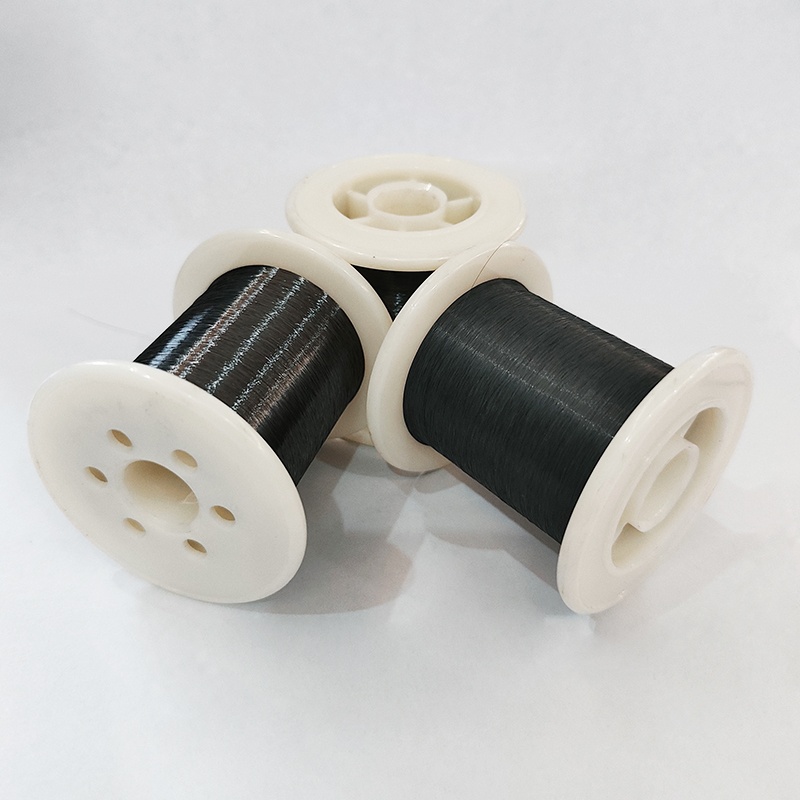
Nickel titanium room temperature alloy
2、 Key factors affecting oxidation
1. Temperature
At room temperature (20-30 ℃), the oxidation rate of nickel titanium alloy is slow, and a thin oxide film (mainly TiO ₂ mixed with a small amount of NiO) gradually forms on the surface, which usually does not affect its basic properties (such as shape memory effect and superelasticity).
Under high temperature conditions (such as exceeding 300 ℃), the oxidation rate is significantly accelerated, and the oxide film will thicken or even crack, leading to continuous oxidation of the internal metal, which may affect the mechanical properties and stability of the alloy.
2. Environmental media
Dry air: The degree of oxidation is relatively light, mainly forming a dense oxide film.
Damp, acidic or alkaline environment: can damage the integrity of the surface oxide film, accelerate electrochemical corrosion (a form of oxidation), especially in the presence of chloride ions (such as seawater, sweat), which may cause pitting corrosion or local oxidation.
Corrosive gases containing sulfur, chlorine, etc.: can react with the surface of the alloy, causing the failure of the oxide film and exacerbating oxidation.
3. Surface condition
Untreated rough surface: larger oxidation area, slightly faster oxidation rate.
Polishing or surface treatment (such as coating, passivation) can reduce oxidation sites and delay the oxidation process. For example, nickel titanium alloy stents commonly used in the medical field can reduce the risk of oxidation and nickel ion release through surface passivation treatment.
3、 Oxidation performance in practical applications
Medical field: Nickel titanium alloy is used for orthopedic implants, orthodontic wires, etc. It slowly oxidizes in human body fluids (neutral to acidic) at room temperature, but the oxide film formed on the surface can reduce the release of nickel ions (which may cause allergies). Therefore, surface treatment is needed to control the oxidation rate.
Industrial field: used for pipeline joints, sensors, etc. Oxidation can be ignored in dry and normal temperature environments, but anti-corrosion treatment (such as painting, coating) is required for long-term exposure to humid or high temperature environments.
Daily environment: Nickel titanium alloy products (such as eyeglass frames and toys) oxidize very slowly in dry air at room temperature, and the surface may slightly darken over time, but it does not affect use.
Nickel titanium alloys undergo oxidation at room temperature, but the oxidation rate is slower at room temperature, and the surface oxide film can provide some protection; The degree of oxidation is affected by temperature, environment, and surface condition, and high temperature, humidity, or corrosive environments can significantly accelerate oxidation. In practical applications, oxidation can be effectively controlled through surface treatment or reasonable design to ensure stable performance.
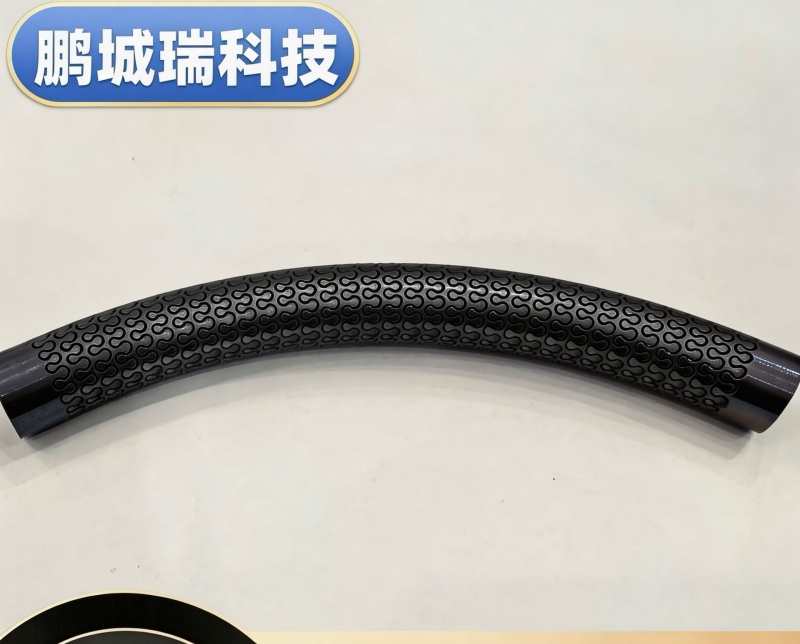
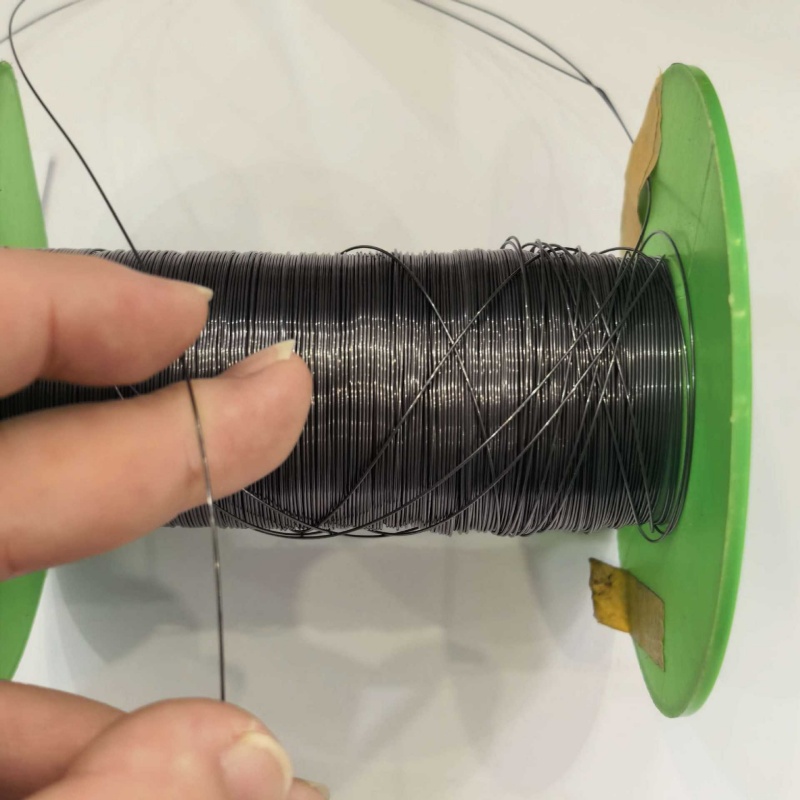
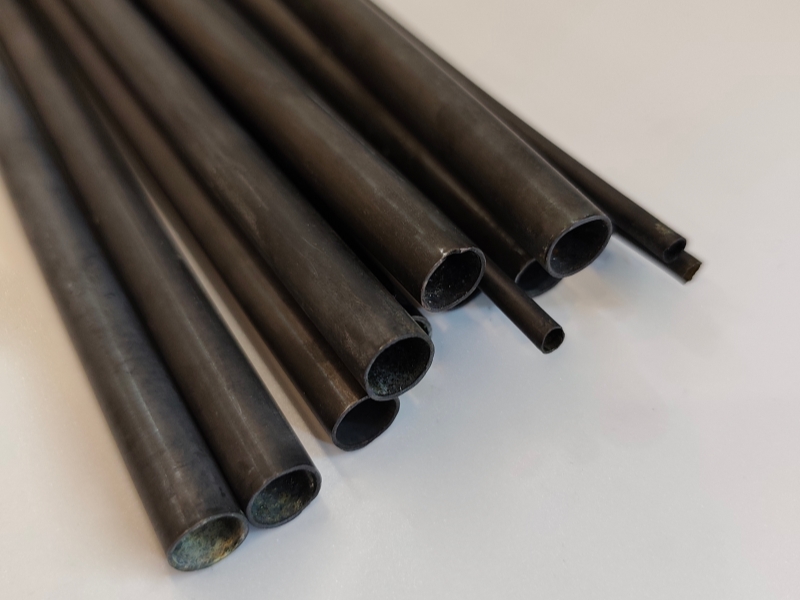
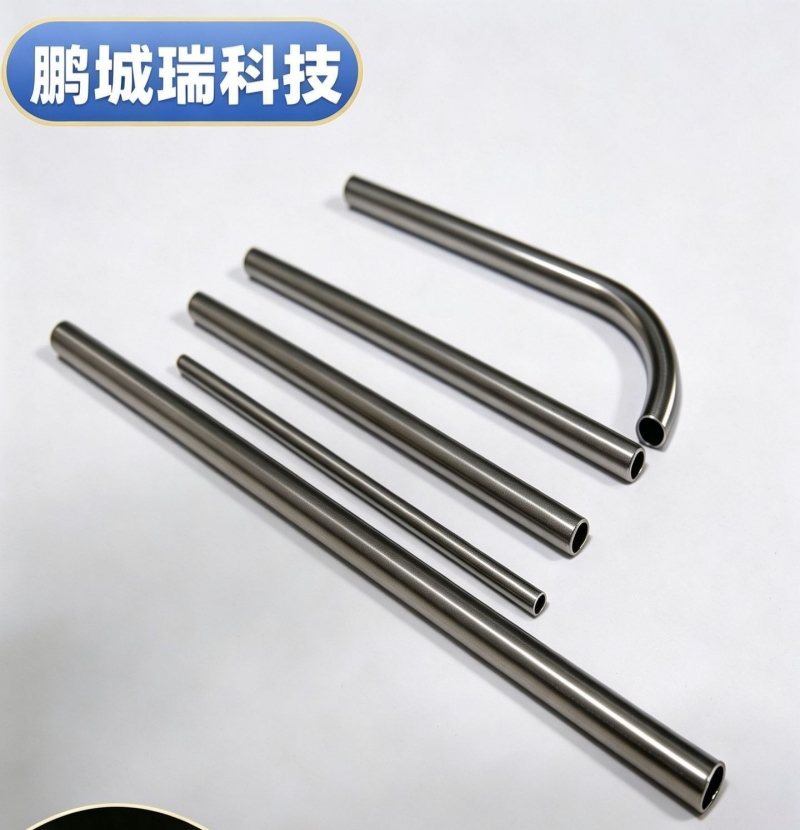
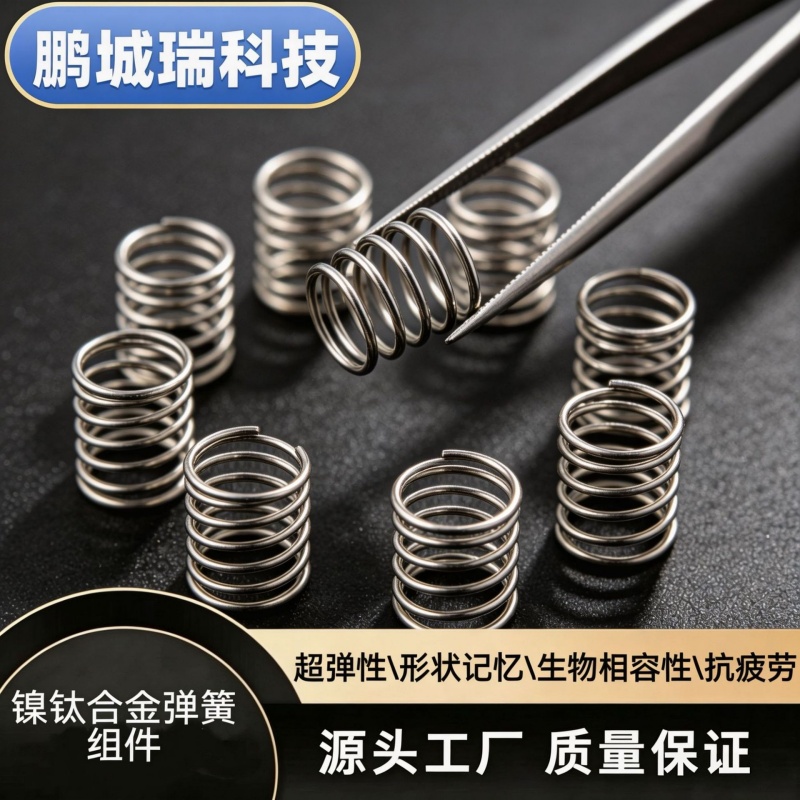
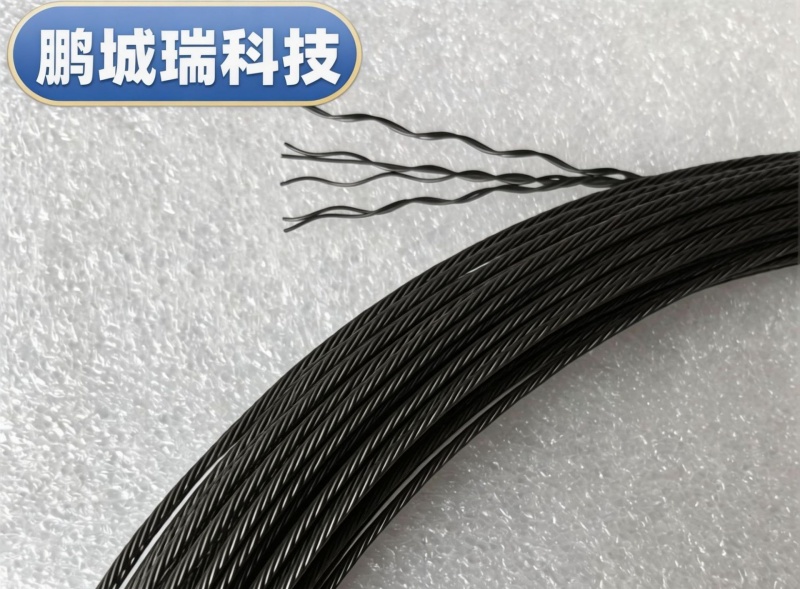
Nitinol
Seamless nickel titanium tube Nickel titanium fiber wire Nickel titanium plateApplication Area
Medical Industry New Energy Aerospace Machinery Manufacturing Marine Engineering Petrochemical IndustryContact Us
Contacts:Manager Wu +86 13632667260


 WeChat
 Call me
X