
 Chinese
 English
Service Hotline
+86 18948275773+86 13632667260



The high temperature resistance of nickel titanium alloy is closely related to its specific composition, phase structure, and application scenarios. Generally speaking, its long-term use temperature range is around -50 ℃ to 100 ℃. The short-term tolerance temperature can be appropriately increased, but exceeding a certain limit will lead to a significant decrease in performance. The following is a detailed explanation:
1. Key temperature nodes and performance changes
Phase transition temperature (Af point): The shape memory effect and superelasticity of nickel titanium alloys are closely related to the phase transition temperature. The phase transition temperature of common alloys is mostly between -50 ℃ and 100 ℃. When the temperature exceeds the upper limit of the phase transition temperature (Af point), the alloy will be in an austenitic state and its mechanical properties will tend to stabilize, but this does not represent its limit to high temperature resistance.
Short term upper limit of high temperature resistance: Within a short period of time (minutes to hours), nickel titanium alloys can withstand temperatures ranging from 150 ℃ to 300 ℃, but problems such as grain growth and intensified oxidation may occur, leading to shape memory effect or hyperelastic decay.
Long term high temperature resistance upper limit: If the alloy is exposed to an environment above 100 ℃ for a long time, the microstructure of the alloy will gradually undergo irreversible changes (such as precipitation phases and thickening of the oxide layer), resulting in a significant decrease in mechanical properties (strength, toughness) and functional characteristics (shape memory ability). Therefore, it is generally recommended that the temperature should not exceed 100 ℃ for long-term use.
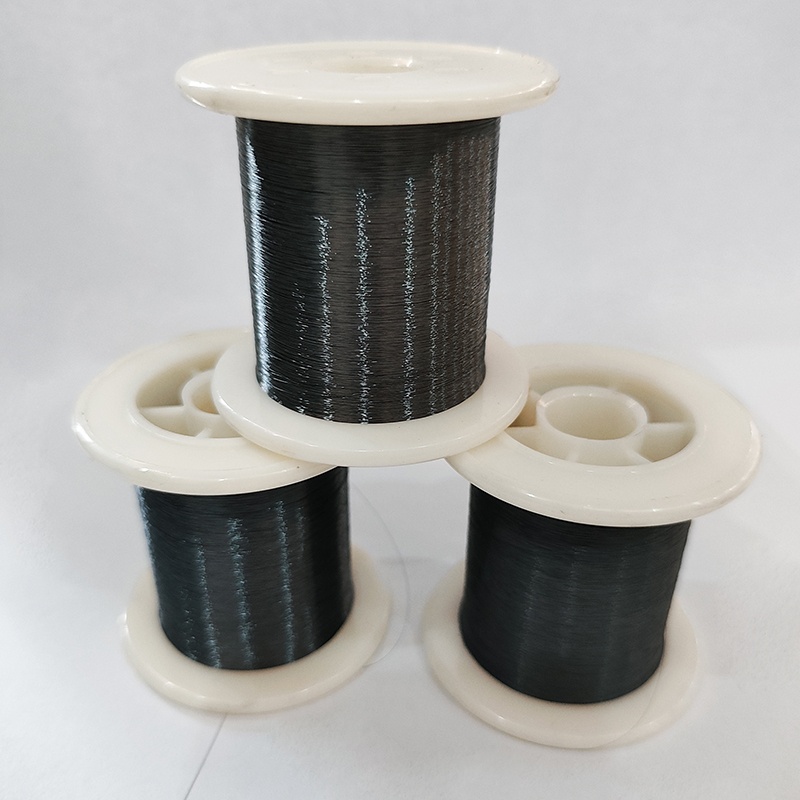
nitinol
2. Factors affecting high temperature resistance performance
Composition ratio: The ratio of nickel to titanium in nickel titanium alloys (usually close to 1:1) can affect their stability. For example, when the nickel content is high, it may be easier to precipitate brittle phases (such as Ni ∝ Ti) at high temperatures, which reduces the high temperature resistance.
Surface treatment: Untreated nickel titanium alloys are prone to oxidation at high temperatures, and the formation of oxide layers (TiO ₂, NiO) can affect their properties. By coating (such as titanium nitride) or passivation treatment, its high-temperature oxidation resistance can be improved to a certain extent, extending its service life in medium temperature environments.
Stress state: When subjected to stress at high temperatures, the creep phenomenon of the alloy will intensify, making deformation difficult to recover. Therefore, in practical applications, it is necessary to limit the use temperature based on stress conditions.
3. Temperature limitations in application scenarios
Medical field: Nickel titanium alloy is commonly used in orthopedic implants, vascular stents, etc. The human body temperature (37 ℃) is much lower than its performance degradation temperature, so its stability is good. However, during the disinfection process (such as high-pressure steam sterilization at a temperature of approximately 134 ℃), it is necessary to control the time to avoid performance damage.
In the industrial field, if the ambient temperature exceeds 100 ℃ for a long time in applications such as pipeline connections and sensors, special modified nickel titanium alloys (such as adding niobium, palladium and other elements) need to be selected to enhance high temperature resistance and corrosion resistance. Some modified alloys can increase the long-term use temperature to over 200 ℃.
In summary, the high temperature resistance of ordinary nickel titanium alloys is limited. It is recommended that the long-term use temperature should not exceed 100 ℃, and the short-term tolerance should be between 150 ℃ and 300 ℃. The specific situation needs to be comprehensively judged based on the composition, treatment process, and application scenario. If it needs to be used at higher temperatures, it needs to be optimized through alloying modification or surface treatment.
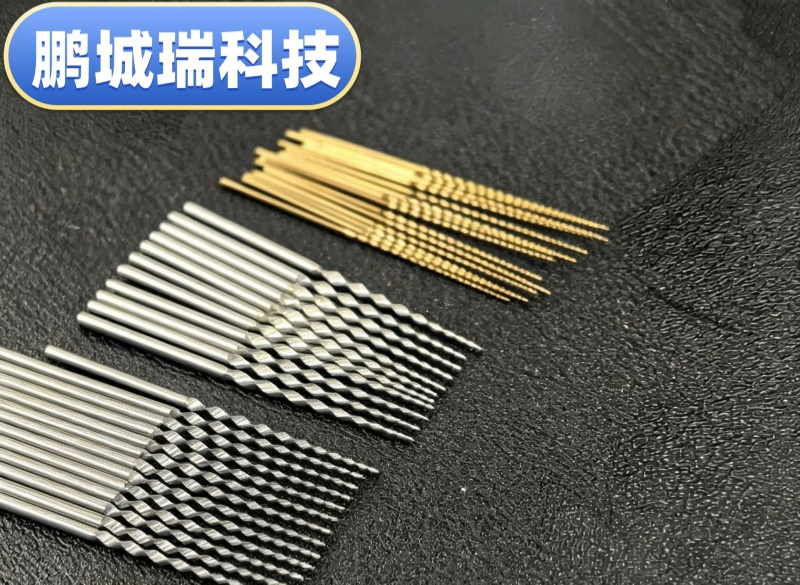
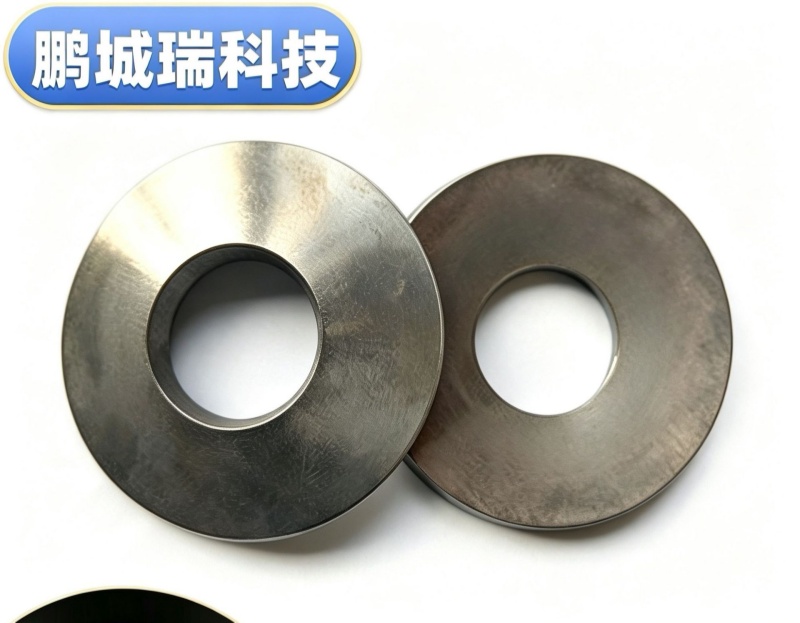
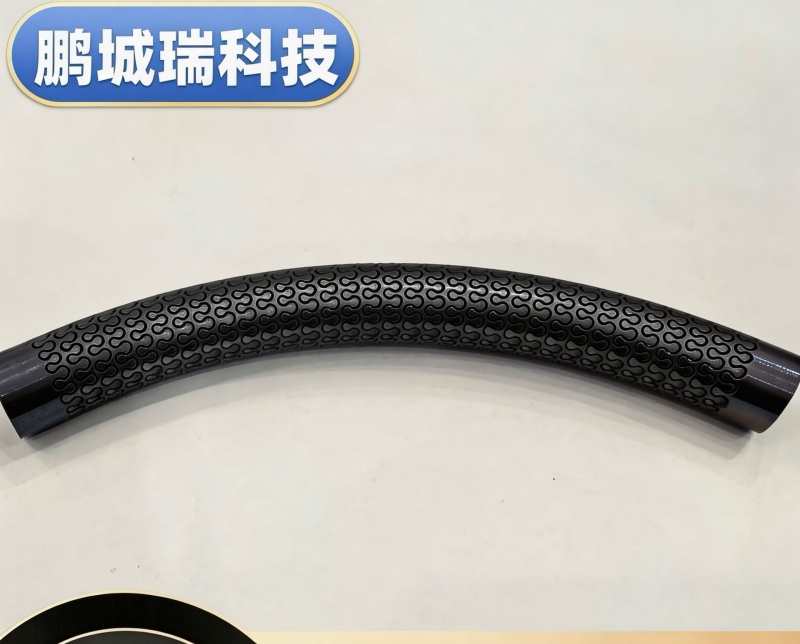
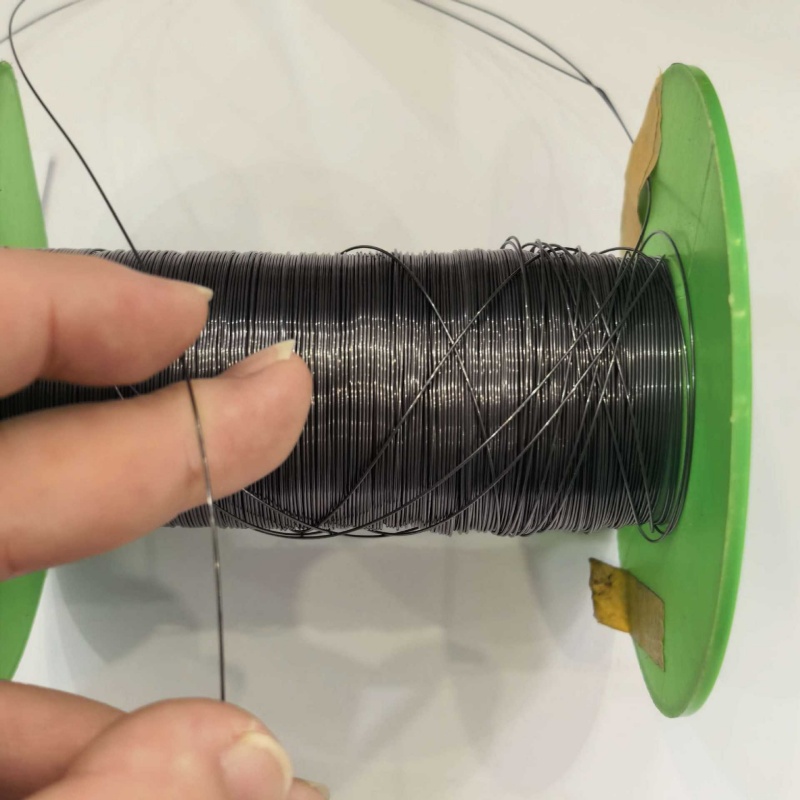
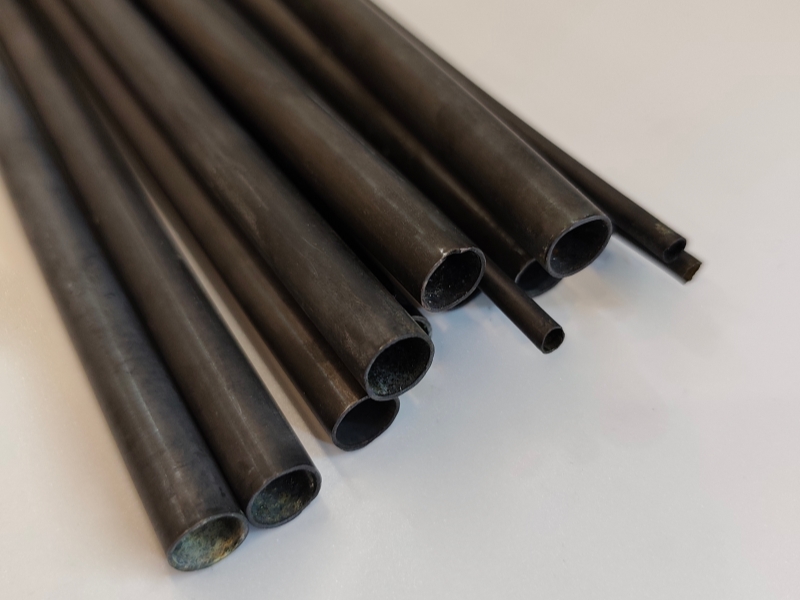
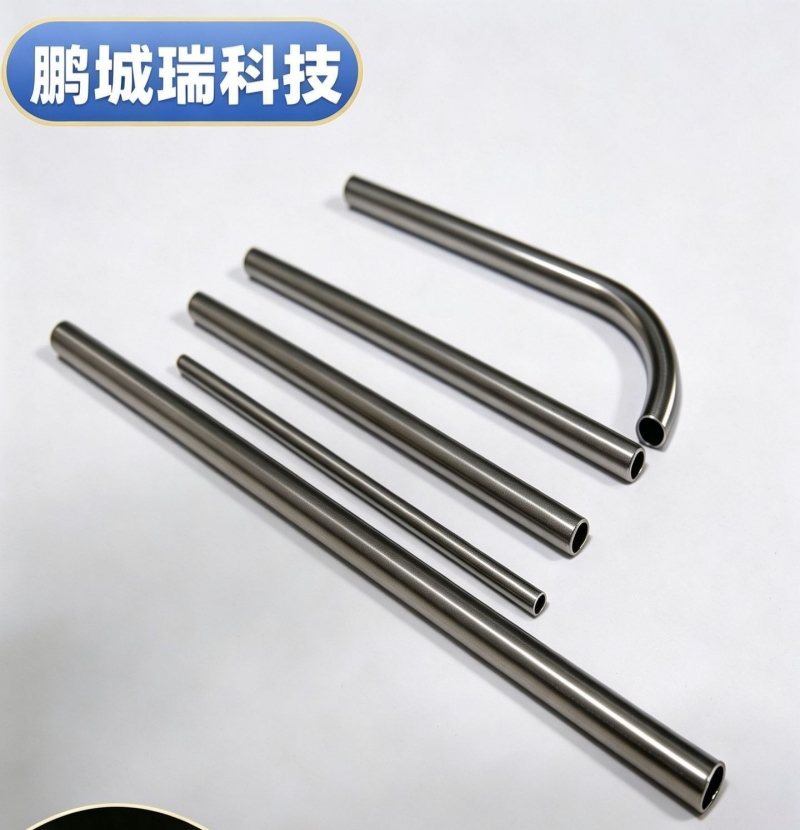
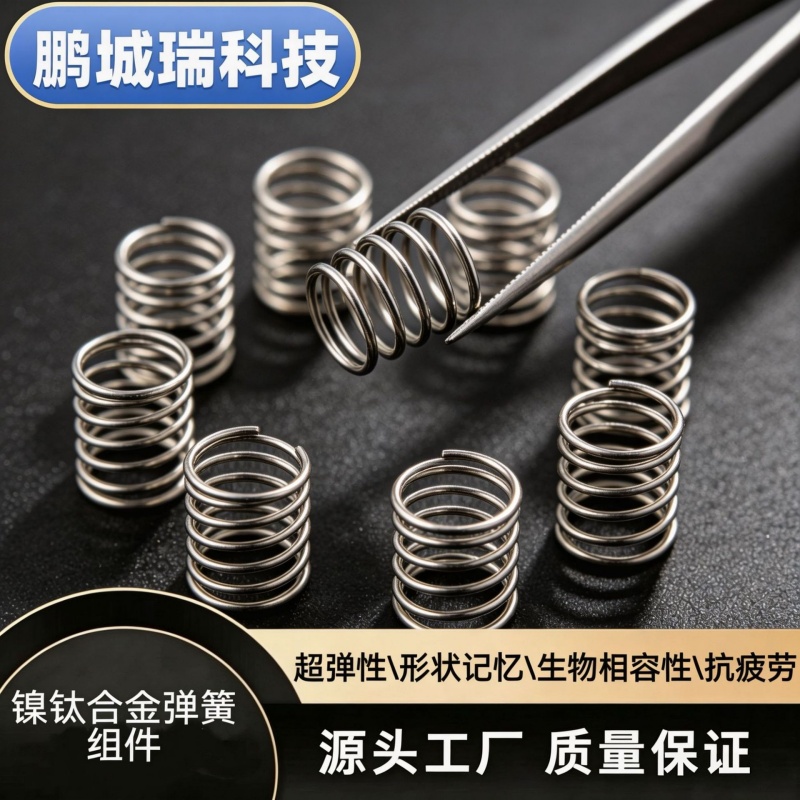
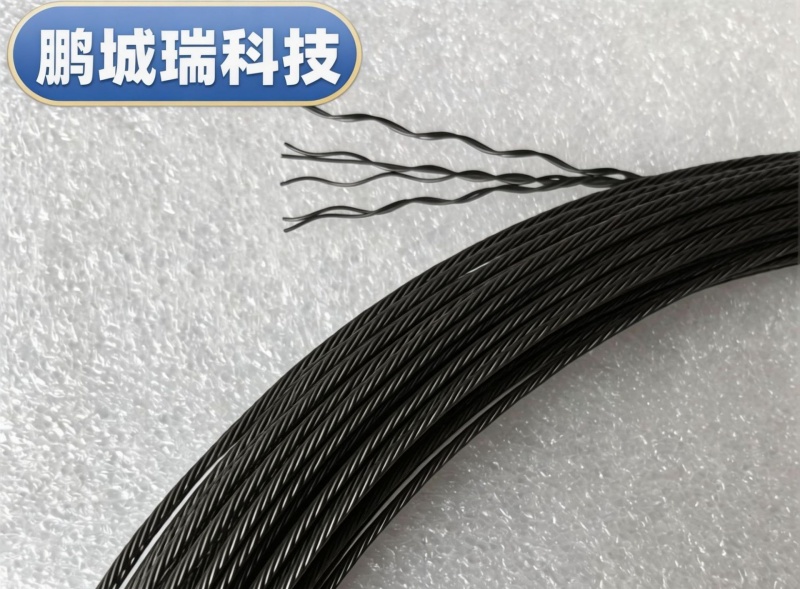
Nitinol
Seamless nickel titanium tube Nickel titanium fiber wire Nickel titanium plateApplication Area
Medical Industry New Energy Aerospace Machinery Manufacturing Marine Engineering Petrochemical IndustryContact Us
Contacts:Manager Wu +86 13632667260


 WeChat
 Call me
X