
 Chinese
 English
Service Hotline
+86 18948275773+86 13632667260



Nickel titanium copper high-temperature alloy is a type of high-temperature structural material that uses nickel (Ni) as the matrix, titanium (Ti) and copper (Cu) as the main alloying elements, and may contain small amounts of other trace elements (such as Cr, Al, etc.). Its performance design revolves around stability, mechanical properties, and service reliability in high-temperature environments. The following provides a detailed analysis from the core performance dimension:
1、 Mechanical properties: Balance of strength and toughness at high temperatures
The mechanical properties of nickel titanium copper alloy are achieved through solid solution strengthening (nickel matrix dissolves titanium and copper atoms) and precipitation strengthening (precipitation of intermetallic compounds such as Ni ∝ Ti and Cu Ni phases). The core characteristics are as follows:
1. High temperature strength
The room temperature tensile strength can reach 800-1200MPa, and it can still maintain a strength of 500-800MPa at high temperatures of 600-1000 ℃ (depending on the composition and heat treatment), which is much higher than ordinary stainless steel or aluminum alloy.
The yield strength decreases slowly with increasing temperature, for example, at 800 ℃, the yield strength can still reach 60% -70% of the room temperature value, which is suitable for withstanding sustained high-temperature loads (such as engine blades and high-temperature pipelines).
2. Hardness and wear resistance
The room temperature hardness is usually 250-350HV, which can be increased to 300-400HV after aging treatment. At high temperatures (800 ℃), the hardness can still be maintained above 200HV, and the wear resistance is better than most high-temperature alloys, suitable for contact friction scenarios (such as bearing components).
3. Resilience and fracture resistance
The room temperature impact toughness (Charpy V-notch) is 30-60J. At high temperatures (600-800 ℃), the impact toughness slightly decreases (about 20-40J), but it is still higher than that of brittle high-temperature ceramics, which can avoid sudden fracture.
The elongation at break is 10% -20% at room temperature, and the plasticity is slightly improved at high temperatures (15% -25%), which facilitates plastic deformation during processing and molding.
4. Fatigue performance
The fatigue strength under high-temperature cyclic loading is excellent, for example, under 700 ℃ and 10 cycles, the fatigue strength can reach 300-450MPa, suitable for high-frequency vibration scenarios such as aircraft engines.
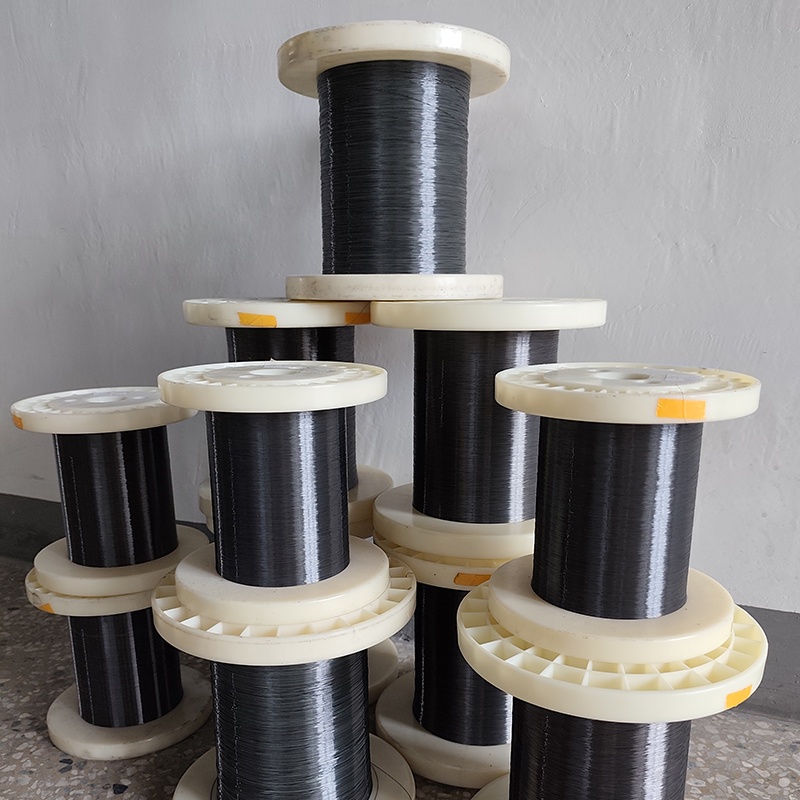
Nickel titanium copper high-temperature alloy
2、 Thermal performance: Stability to adapt to high temperature environments
The thermal properties of high-temperature alloys directly affect their service life under temperature fluctuations. The core thermal properties of nickel titanium copper alloys are as follows:
1. High temperature resistance and melting point
The melting point range is 1250-1400 ℃ (slightly decreasing with increasing titanium and copper content), which is much higher than most metal materials. It can serve for a long time below 1000 ℃ and withstand high temperatures of 1100 ℃ in the short term.
2. Coefficient of thermal expansion (CTE)
The average coefficient of thermal expansion from room temperature to 800 ℃ is 11-16 × 10 ⁻⁶/℃, which is lower than pure nickel (13 × 10 ⁻⁶/℃) and copper (17 × 10 ⁻⁶/℃). The thermal expansion matching is good and can reduce thermal stress with other materials such as ceramic coatings.
3. Thermal conductivity and heat dissipation
The thermal conductivity is about 20-35 W/(m · K) at room temperature, which slightly increases with temperature rise. It can quickly conduct local heat and avoid hot spot accumulation (such as on the combustion chamber wall).
3、 Antioxidant and Corrosion Resistance: Chemical Stability in High Temperature Environments
Oxidation and corrosion at high temperatures are the main causes of material failure, and nickel titanium copper alloys achieve protection by forming a dense oxide film:
1. High temperature oxidation resistance
In air or gas environments, a composite oxide film (NiO on the outer layer and TiO ₂ and CuO on the inner layer) quickly forms on the surface. The film structure is dense and firmly bonded to the substrate, effectively preventing oxygen atoms from diffusing inward.
Long term antioxidant temperature can reach 800-950 ℃, and surface integrity can be maintained even after short-term exposure (several hours) above 1000 ℃, which is superior to copper nickel alloys without titanium.
2. Corrosion resistance
It has good corrosion resistance to CO ₂, H ₂ O (steam) in gas and mild acidic and alkaline media (such as low concentration SO ₂ in industrial waste gas). The addition of copper can improve the tolerance to sulfur-containing environments (reduce the sulfurization reaction of nickel).
But in highly corrosive media such as concentrated nitric acid and high concentration salt spray, nickel based alloys with lower neutral energy than those containing Cr are more suitable for "high temperature+weak corrosion" scenarios.
4、 Processing performance: Balancing plasticity and formability
The addition of copper is the key difference between nickel titanium copper alloys and traditional nickel based high-temperature alloys (such as Inconel series), significantly improving workability:
1. Hot processing performance
Nickel titanium alloys with better plasticity than those with high titanium content can be forged, rolled or extruded at 800-1100 ℃, with a deformation rate of up to 50% -70% (traditional nickel based high-temperature alloys typically have a thermal deformation rate of less than 40%).
After hot processing, annealing treatment (900-1000 ℃ insulation and air cooling) can eliminate stress and restore plasticity.
2. Cold processing and welding
Mild cold rolling or stamping can be carried out at room temperature (deformation rate<20%), but intermediate annealing is required to avoid embrittlement.
Welding should be carried out under inert gas (such as argon) protection to avoid high-temperature oxidation, and the weld strength can reach 80% -90% of the base metal.
5、 Application scenario: Focusing on high-temperature structural components
Based on the above performance, nickel titanium copper high-temperature alloys are mainly used for:
Aerospace: engine combustion chamber, turbine disc (capable of withstanding gas erosion at 600-900 ℃);
Energy sector: high-temperature pipelines for thermal power generation, components for nuclear power steam generators;
Chemical equipment: High temperature reaction kettle, catalyst carrier (resistant to 800 ℃ and slight corrosion).
The core advantages of nickel titanium copper high-temperature alloys are good high-temperature strength retention, excellent processability, and outstanding stability in weakly corrosive high-temperature environments. They are an important supplement to traditional nickel based high-temperature alloys. Its performance can be further optimized by adjusting the titanium to copper ratio (such as Ti content of 5% -15%, Cu content of 3% -10%) to meet different service requirements.
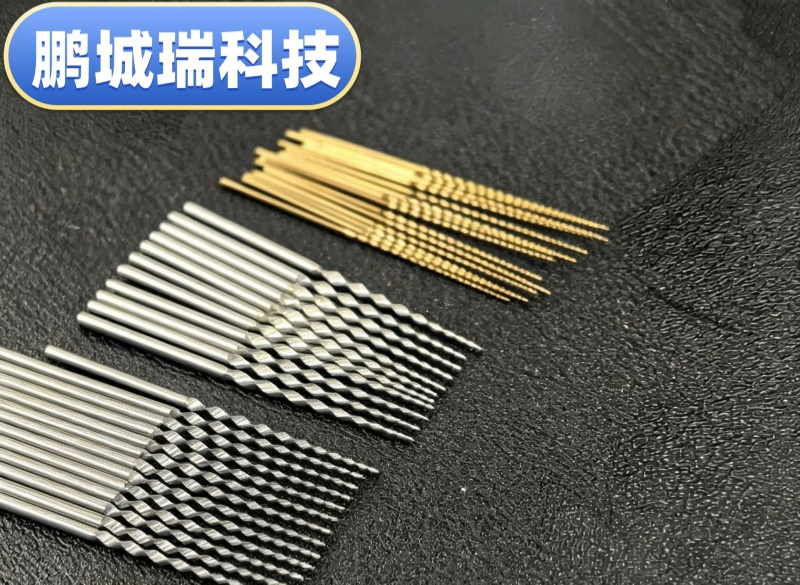
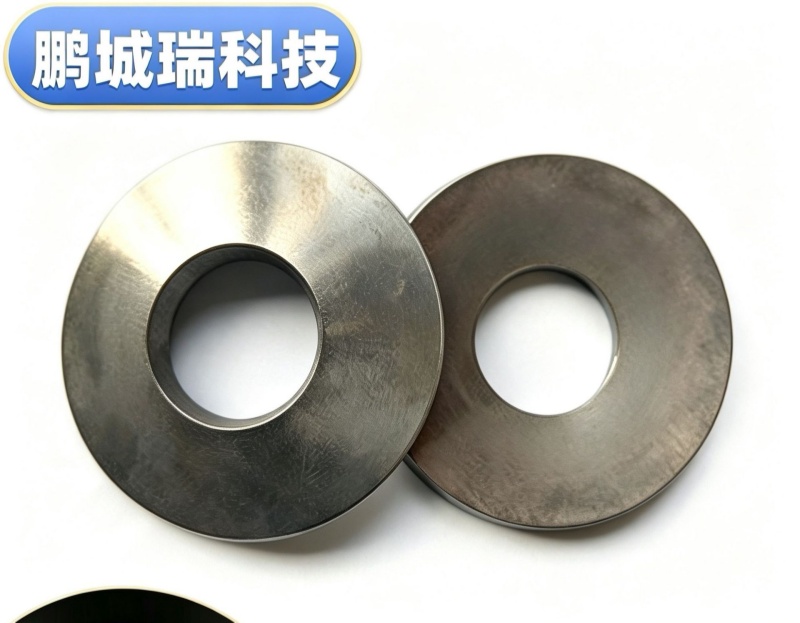
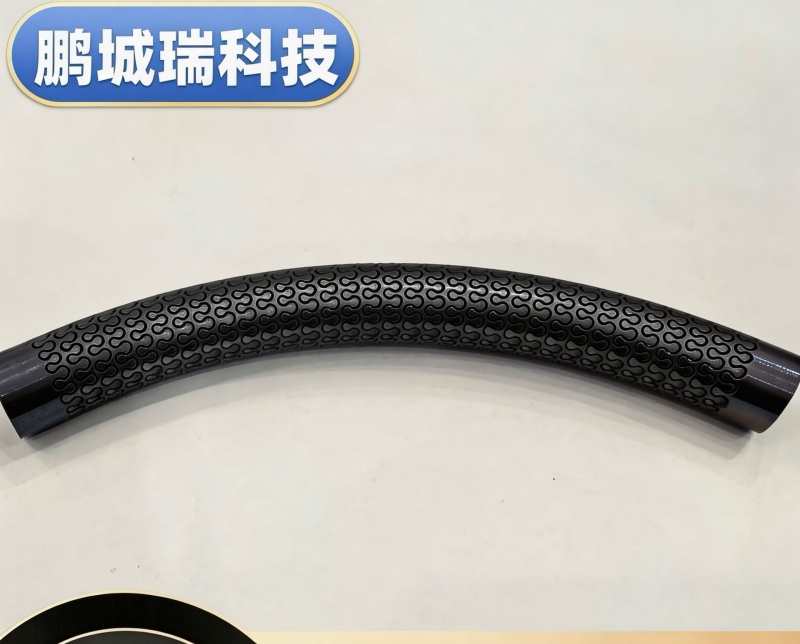
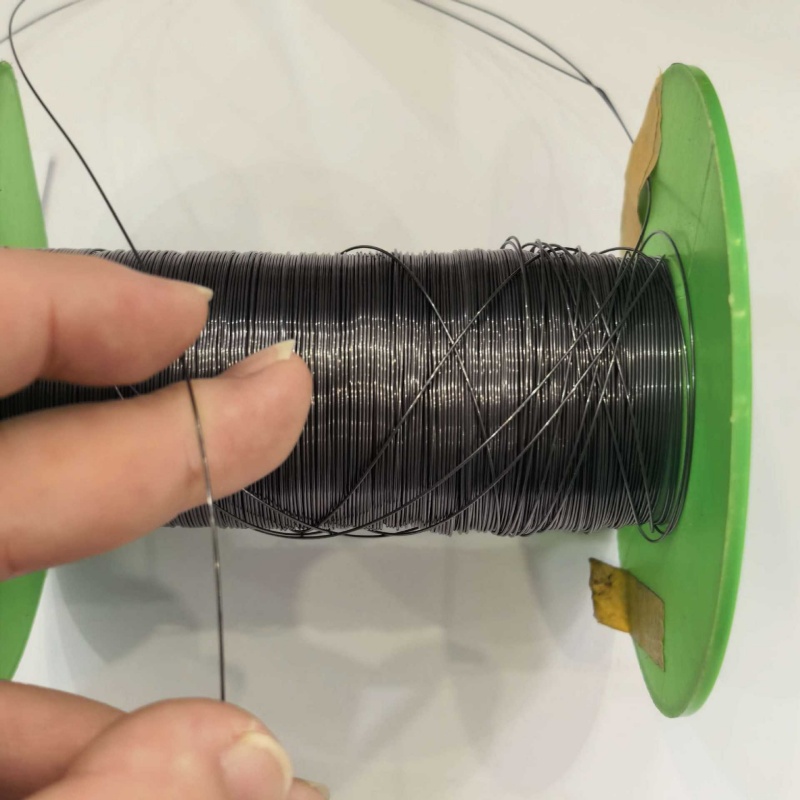
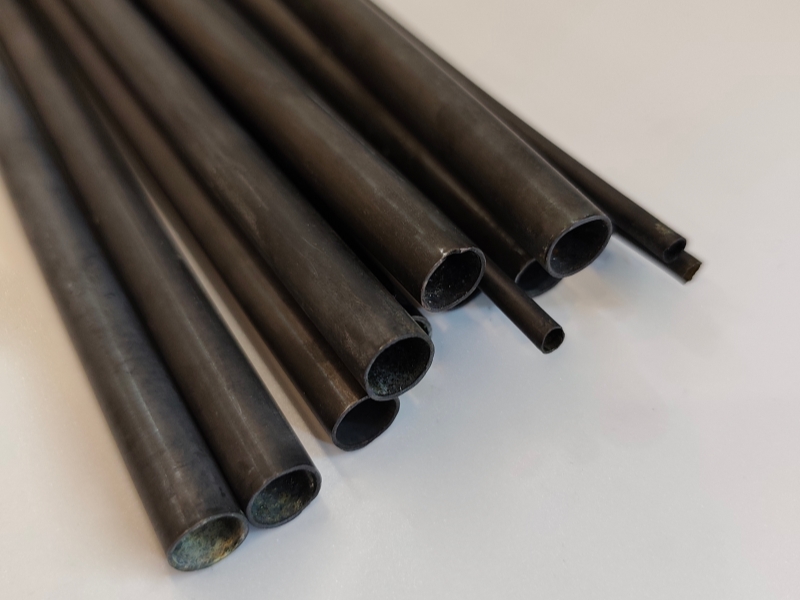
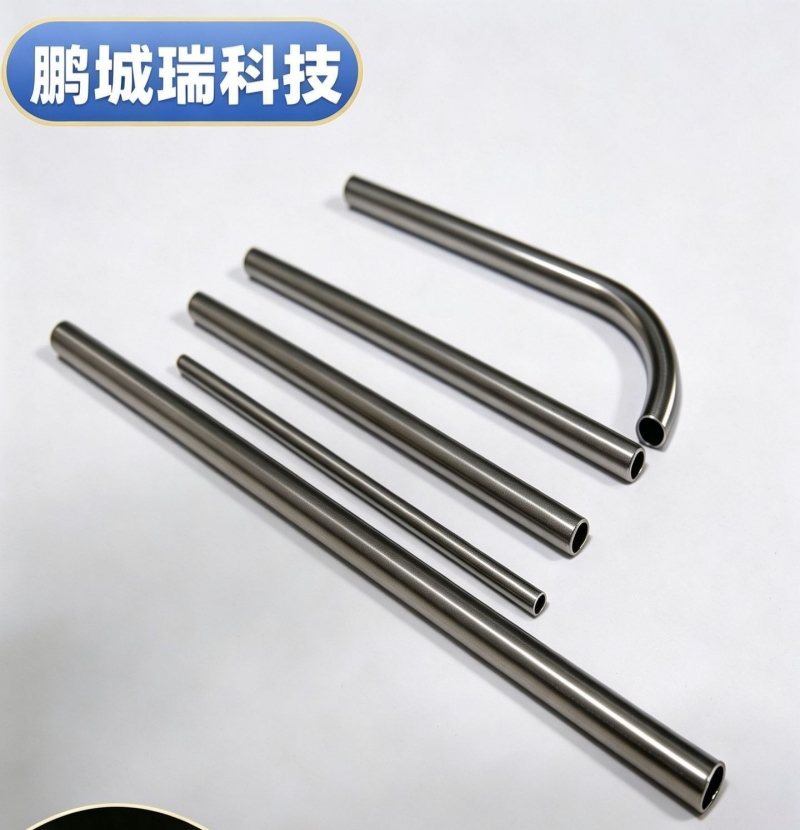
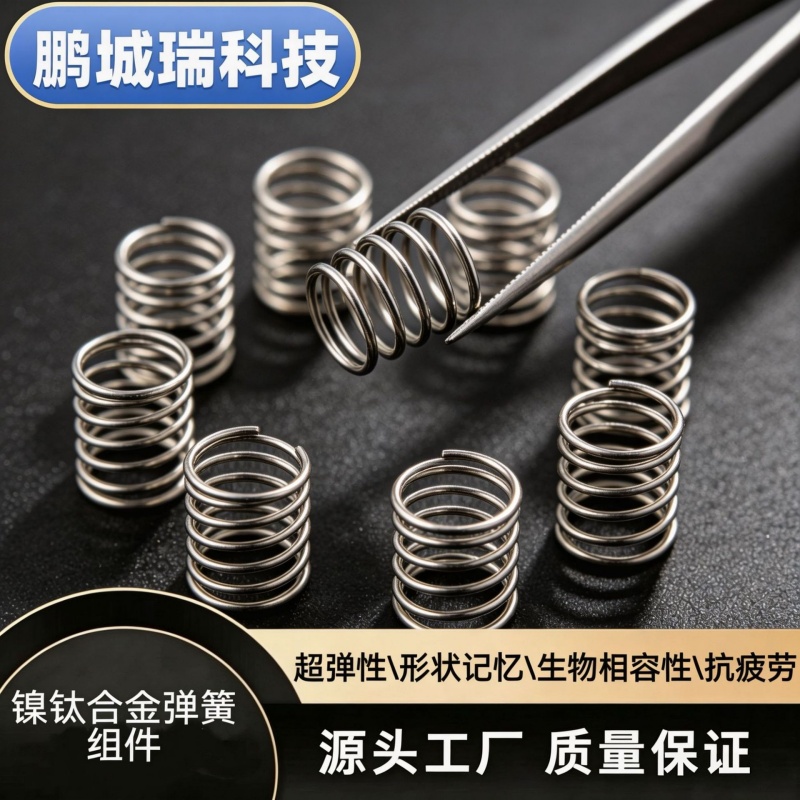
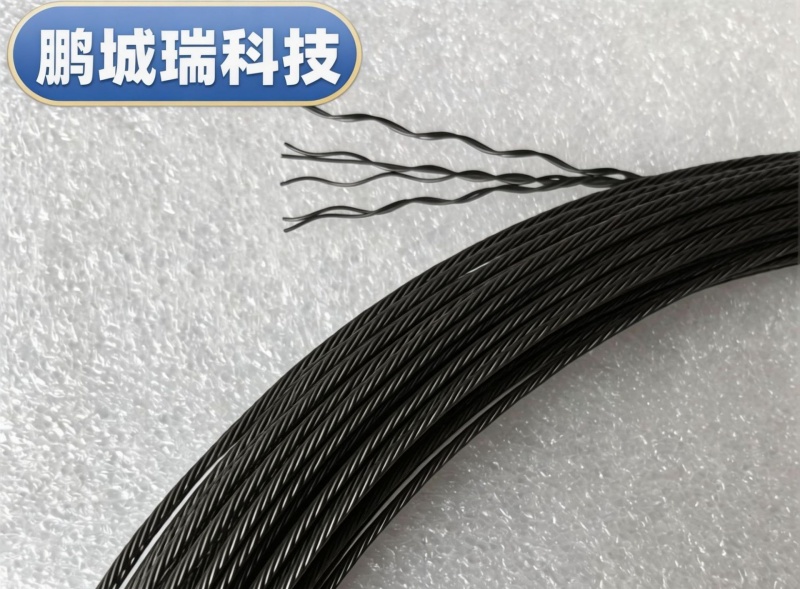
Nitinol
Seamless nickel titanium tube Nickel titanium fiber wire Nickel titanium plateApplication Area
Medical Industry New Energy Aerospace Machinery Manufacturing Marine Engineering Petrochemical IndustryContact Us
Contacts:Manager Wu +86 13632667260


 WeChat
 Call me
X