
 Chinese
 English
Service Hotline
+86 18948275773+86 13632667260


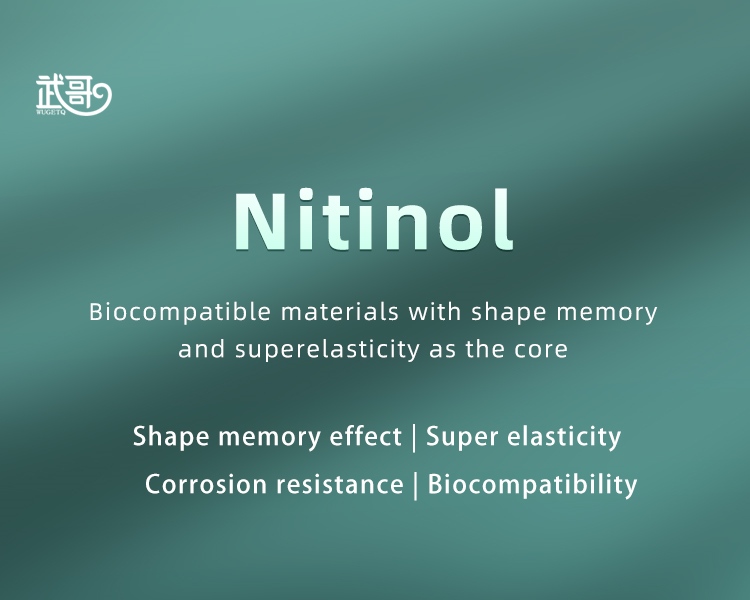

Nickel titanium high-temperature alloy is an alloy material mainly composed of nickel and titanium (usually with a nickel content of about 55% and a titanium content of about 45%), and added with other elements (such as copper, chromium, molybdenum, aluminum, niobium, etc.) to optimize its performance.
Nickel titanium high-temperature alloys are divided into binary (containing nickel and titanium) alloys and ternary (containing nickel, titanium, and other elements) alloys (such as nickel titanium copper high-temperature alloys).
It has excellent high-temperature strength, oxidation resistance, step phase transition, corrosion resistance, and high ductility, and has important applications in multiple industrial fields. The following are its main application scenarios:
1、 Aerospace field
Aerospace is the core application field of nickel titanium high-temperature alloys, which need to withstand extreme temperatures, pressures, and complex mechanical environments
Engine components:
Used to manufacture key components such as combustion chambers, turbine blades, guide vanes, and turbine disks for aircraft engines. For example, in jet engines, the combustion chamber temperature can reach 1000-1600 ℃, and the high-temperature strength and oxidation resistance of nickel titanium alloys can ensure long-term stable operation of components.
Spacecraft structural components:
Used for nozzles in rocket engines, thermal protection system components in spacecraft, etc., capable of withstanding high temperature erosion during rocket launch and re-entry into the atmosphere.
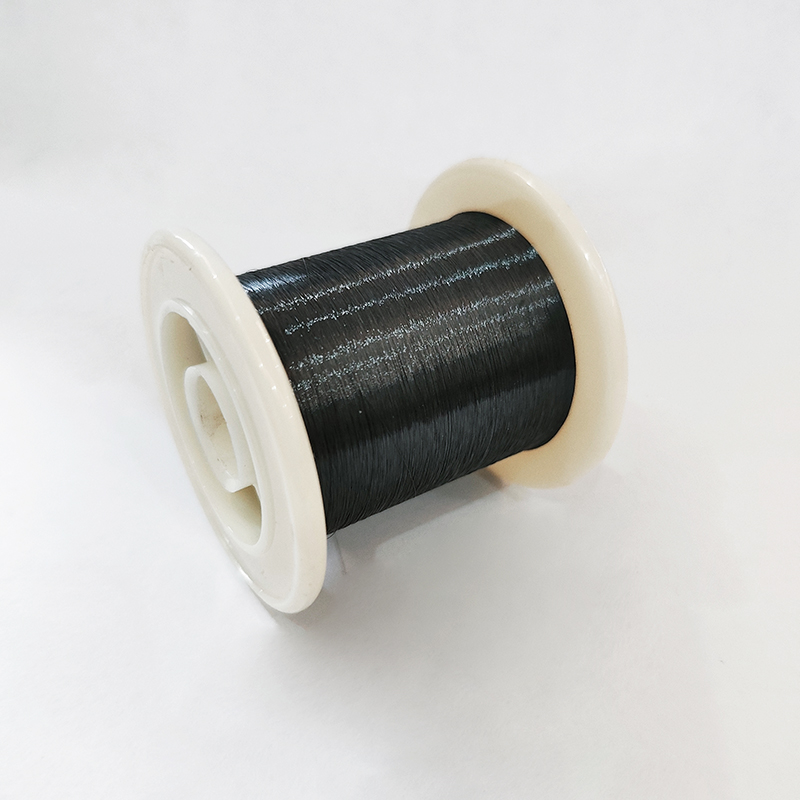
nitinol
2、 Energy sector
In energy production (especially high-temperature energy conversion), nickel titanium high-temperature alloys can cope with high temperature, high pressure, and corrosive media:
Gas turbine:
The turbine blades, combustion chambers, etc. used in gas turbines often operate at temperatures exceeding 1000 ℃. The temperature resistance and creep resistance of alloys (the ability to resist deformation at high temperatures) can improve equipment efficiency and lifespan.
Nuclear power equipment:
Heat exchangers, core structural components, etc. used in nuclear reactors can withstand the corrosion and radiation environment of high-temperature coolant (such as liquid metal sodium).
Solar thermal power generation:
High temperature heat absorbers and heat transfer pipelines used in concentrated solar energy systems can work for a long time at 300-800 ℃, efficiently transferring heat energy.
3、 Chemical and metallurgical fields
In scenarios involving high-temperature chemical reactions and corrosive media, the corrosion resistance and stability of nickel titanium high-temperature alloys are crucial:
Chemical equipment:
Used for manufacturing high-temperature reaction vessels, catalyst carriers, heat exchanger tubes, etc., for example, in processes such as synthetic ammonia and sulfuric acid production, it can withstand high-temperature gases and acid-base corrosion.
Metallurgical equipment:
Used for smelting high-temperature alloys or special metals, such as furnace linings, stirring blades, etc., to resist the erosion and high-temperature oxidation of molten metals.
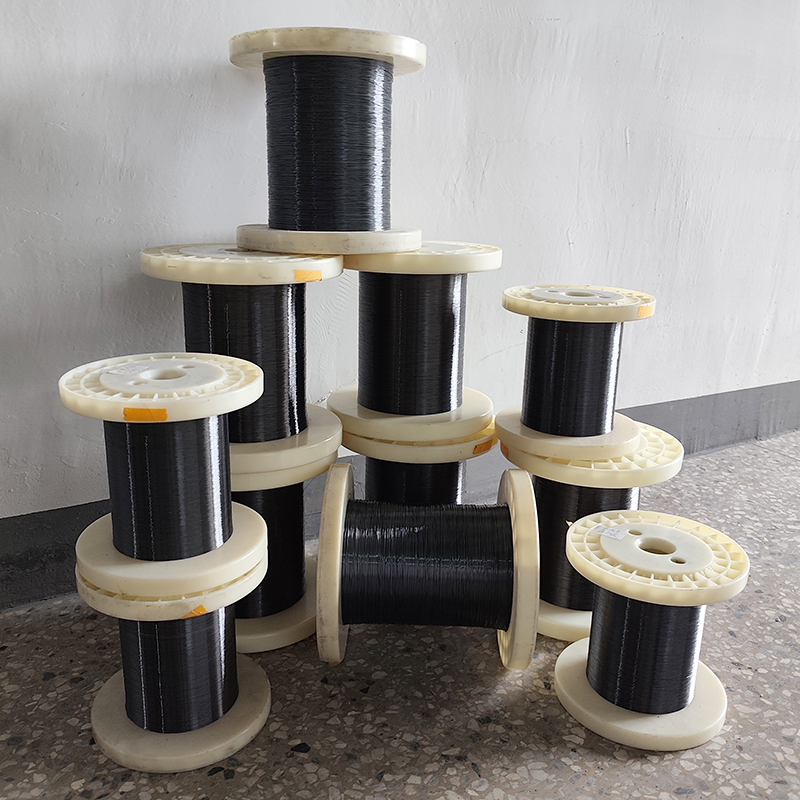
nitinol
4、 Medical field
Although nickel titanium alloys are more well-known in the medical field as shape memory alloys (which can deform at low temperatures and return to their original state after heating), some high-temperature nickel titanium alloys also have applications:
High temperature disinfection equipment:
Surgical tools or implant auxiliary components used for repeatable high-temperature sterilization, capable of withstanding high-pressure steam sterilization (approximately 134 ℃) without failure.
Interventional medical devices:
The support structure of some vascular stents or catheters is made of high-temperature stable nickel titanium alloy, ensuring stable mechanical properties under internal temperature environment.
5、 Other special fields
Automotive industry:
Turbocharging system components for high-performance racing or special vehicles, capable of withstanding high exhaust temperatures (up to 800-1000 ℃).
Research equipment:
Heating element supports for high-temperature experimental furnaces, sealing components for vacuum equipment, etc., meet the requirements of extreme experimental environments.
The core application of nickel titanium high-temperature alloys lies in their comprehensive properties at high temperatures (strength, corrosion resistance, oxidation resistance, step phase transformation, ductility), which are irreplaceable in the fields of "high temperature requirements" such as aerospace and energy. With the increasing demand for efficiency and lifespan of high-temperature equipment in industry, its application scope is still expanding.
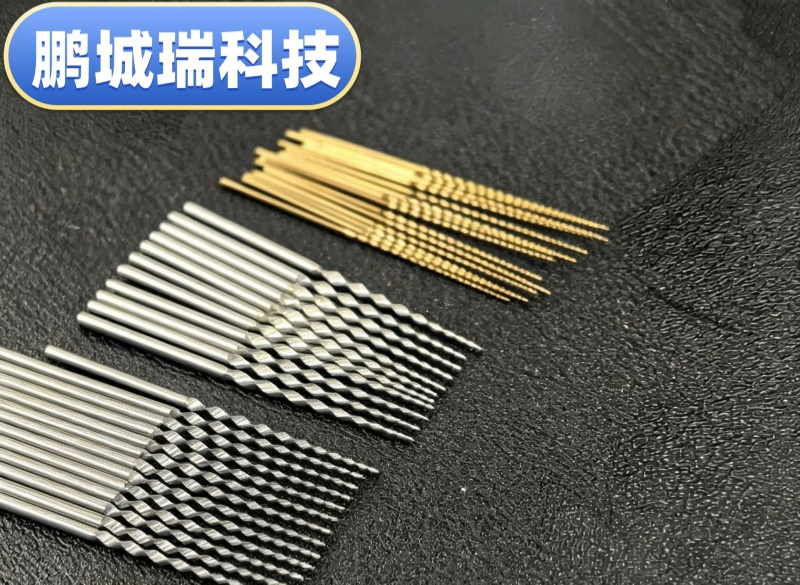
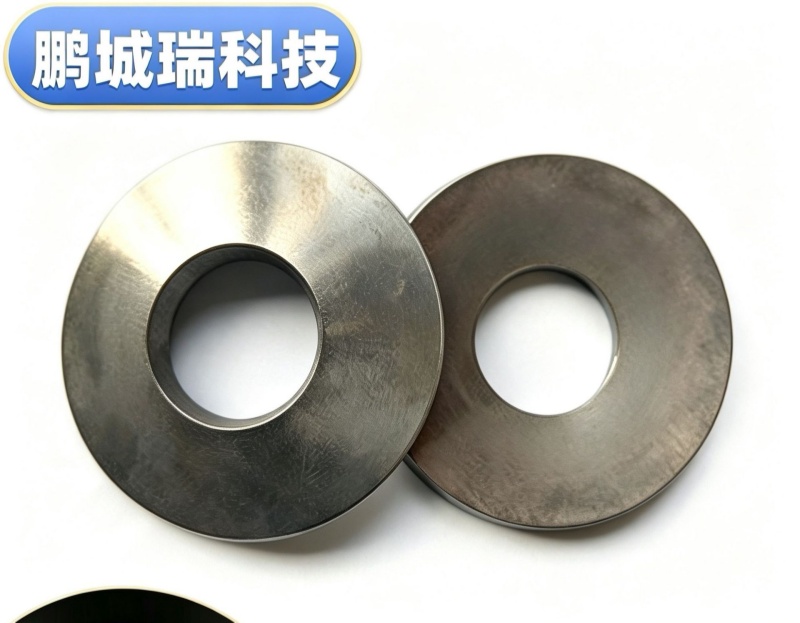
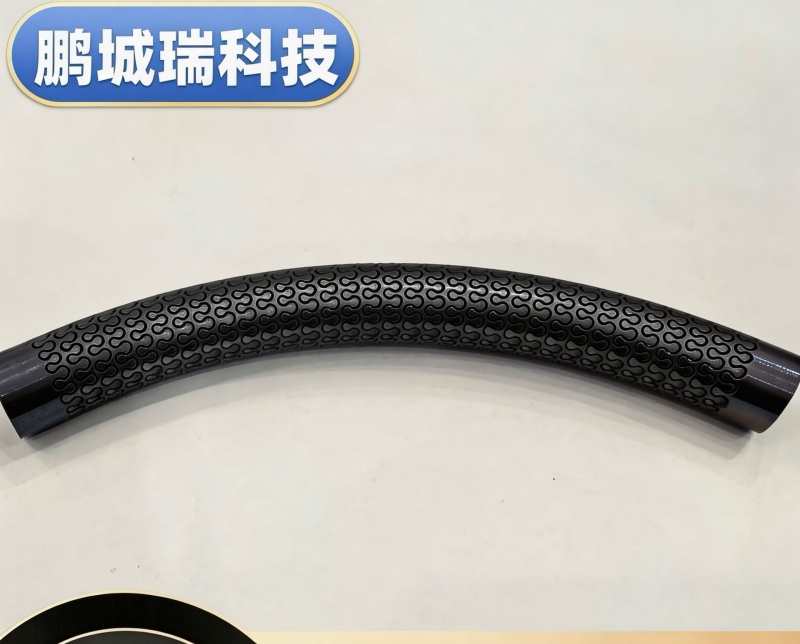
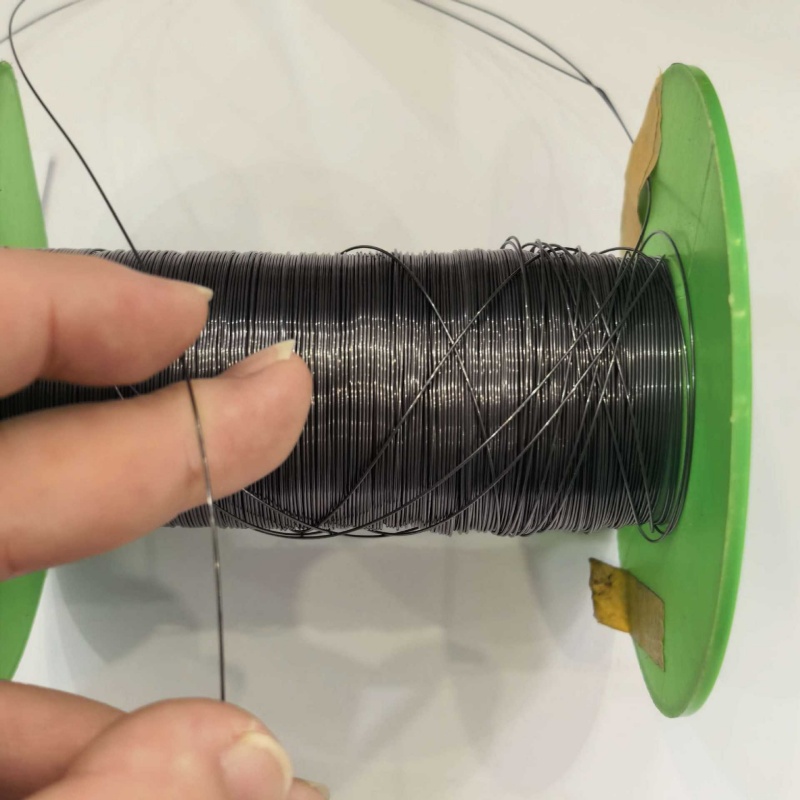
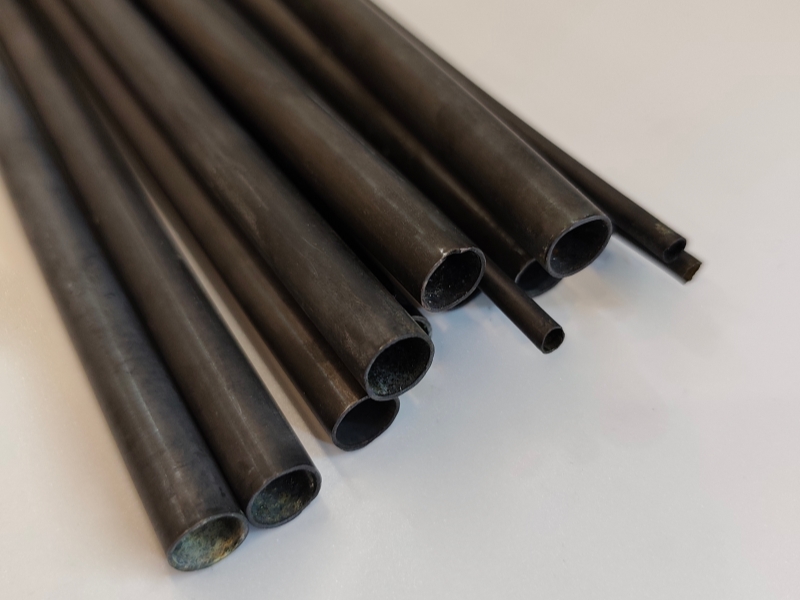
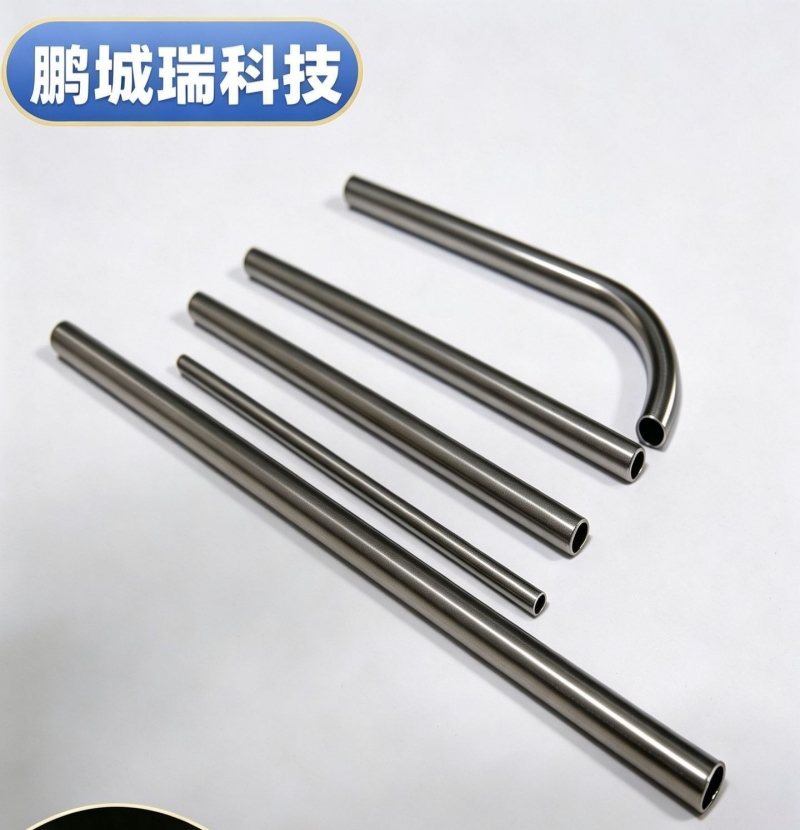
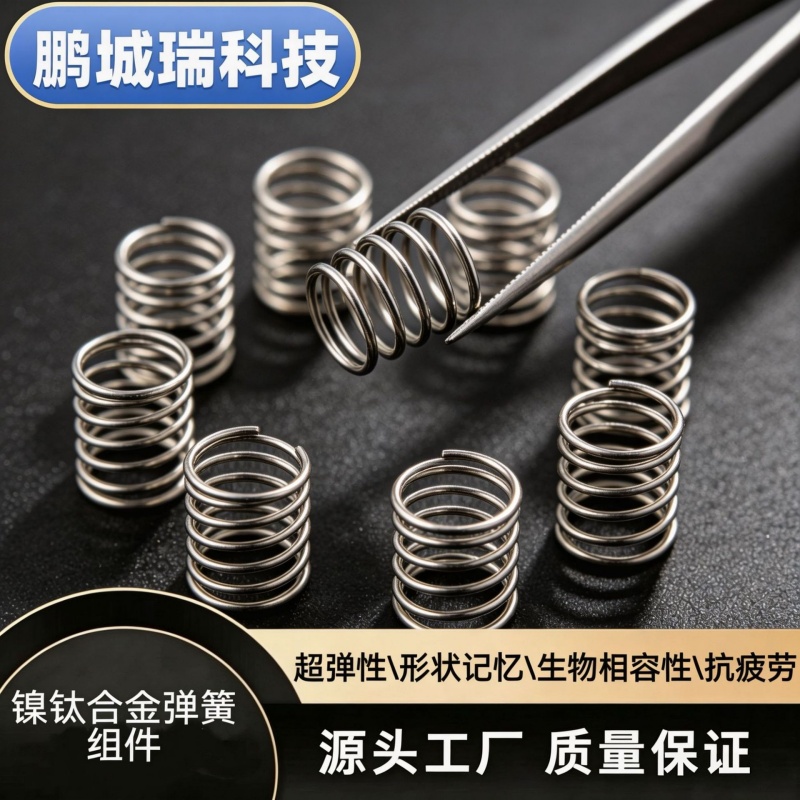
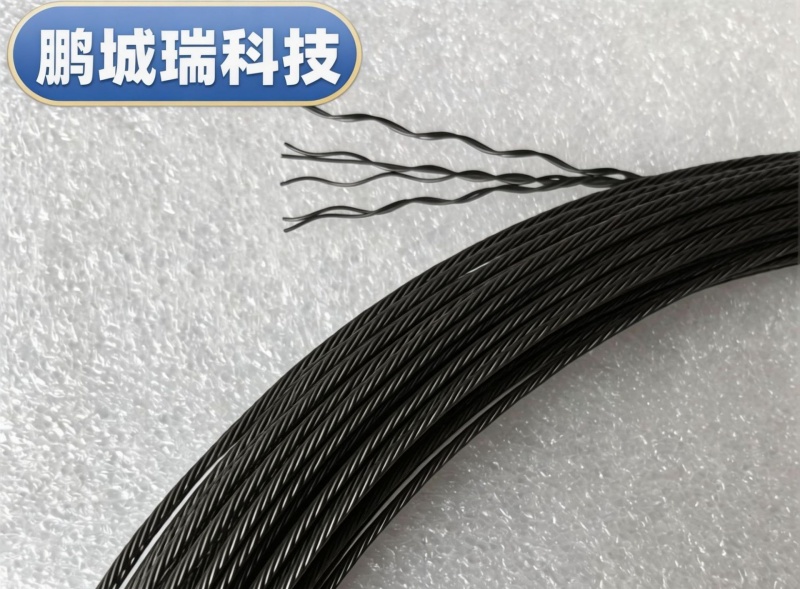
Nitinol
Seamless nickel titanium tube Nickel titanium fiber wire Nickel titanium plateApplication Area
Medical Industry New Energy Aerospace Machinery Manufacturing Marine Engineering Petrochemical IndustryContact Us
Contacts:Manager Wu +86 13632667260


 WeChat
 Call me
X