
 Chinese
 English
Service Hotline
+86 18948275773+86 13632667260


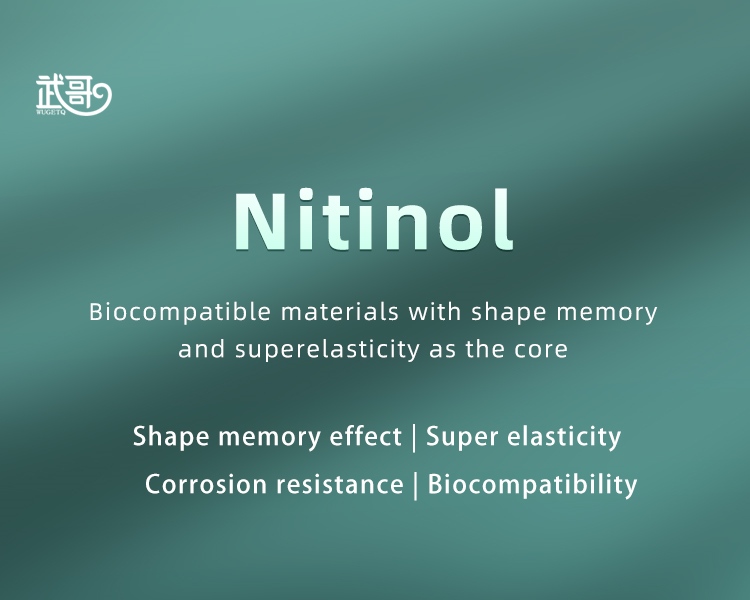

As a unique memory alloy, the melting point characteristics of nickel titanium alloy (NiTi alloy) are closely related to its composition and structure, and also affect its processing and application. The melting point of nickel titanium alloy is revealed from multiple perspectives as follows:

1、 Basic range of melting point
The melting point of nickel titanium alloy is not a fixed value, but is between 1300 ℃ and 1400 ℃. This range is mainly determined by the ratio of nickel and titanium in the alloy, and is also influenced by trace impurities or alloying elements.
2、 The influence of composition on melting point
The core role of nickel titanium ratio:
The atomic percentage of nickel and titanium in nickel titanium alloys is usually close to 1:1 (such as around 55% nickel and 45% titanium). When the nickel content is slightly higher (about 55% atomic ratio), the melting point is lower, about 1310 ℃; If the titanium content is slightly higher, the melting point will rise, possibly reaching 1380 ℃ or even higher.
Comparison with pure metals:
The melting point of pure titanium is about 1668 ℃, and that of pure nickel is about 1455 ℃, while the melting point of nickel titanium alloy is lower than both. This is because after alloying, nickel and titanium atoms form a new crystal structure, and the interatomic bonding force changes, resulting in a decrease in melting point.
3、 The structural reasons behind the melting point
Nickel titanium alloys exhibit martensitic austenite phase transformation characteristics (which is also the root of their "memory effect"), and the melting point is essentially the temperature at which the crystal structure is destroyed and atoms become disordered. Due to the differences in atomic radius and electronic structure between the two elements in the alloy, the stability of the intermetallic compounds formed (such as NiTi phase) is lower than that of the crystal structure of pure metals, resulting in a lower melting point.
4、 The impact on processing and application
Processing temperature control: The melting, forging and other processing processes must be strictly controlled below the melting point to avoid component segregation caused by alloy melting (such as separation of nickel and titanium due to density differences), otherwise it will damage their memory effect and mechanical properties.
High temperature stability correlation: Although the melting point is above 1300 ℃, the memory effect of nickel titanium alloy usually works at lower temperatures (such as -50 ℃ to 100 ℃), and its structural stability at high temperatures needs to be comprehensively evaluated in conjunction with the melting point.
5、 Special case: Doping and melting point changes
If a small amount of other elements (such as copper, iron, chromium, etc.) are added to nickel titanium alloy, its melting point may be fine tuned:
Some elements will lower the melting point and improve processability;
Minority elements may increase the melting point, but the impact on phase transition characteristics needs to be balanced.
In summary, the melting point of nickel titanium alloy is the result of the combined action of its composition and structure. The range of 1300-1400 ℃ not only reflects the characteristics of alloying, but also provides key parameters for its processing and application.
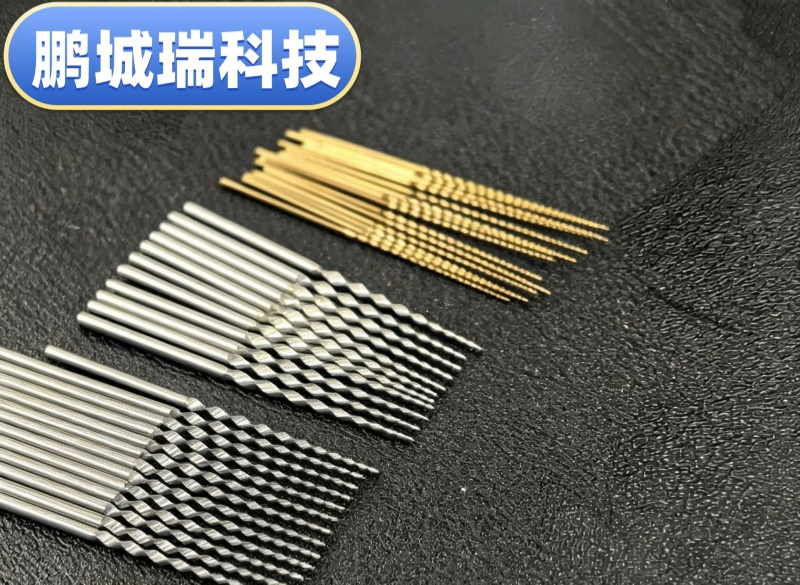
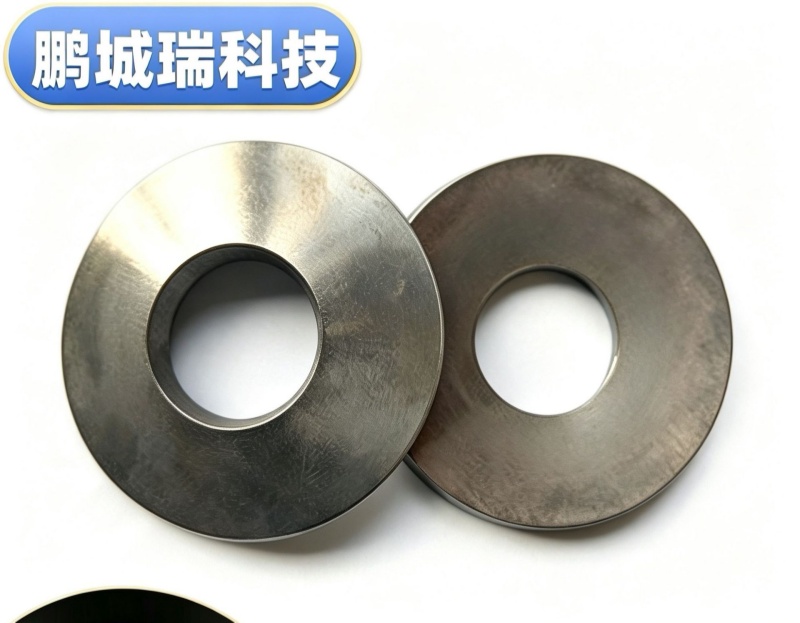
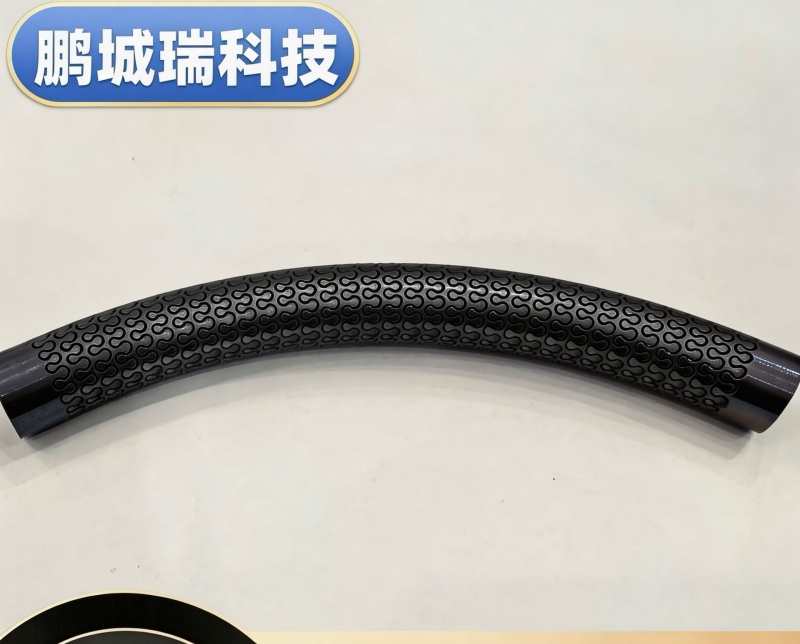
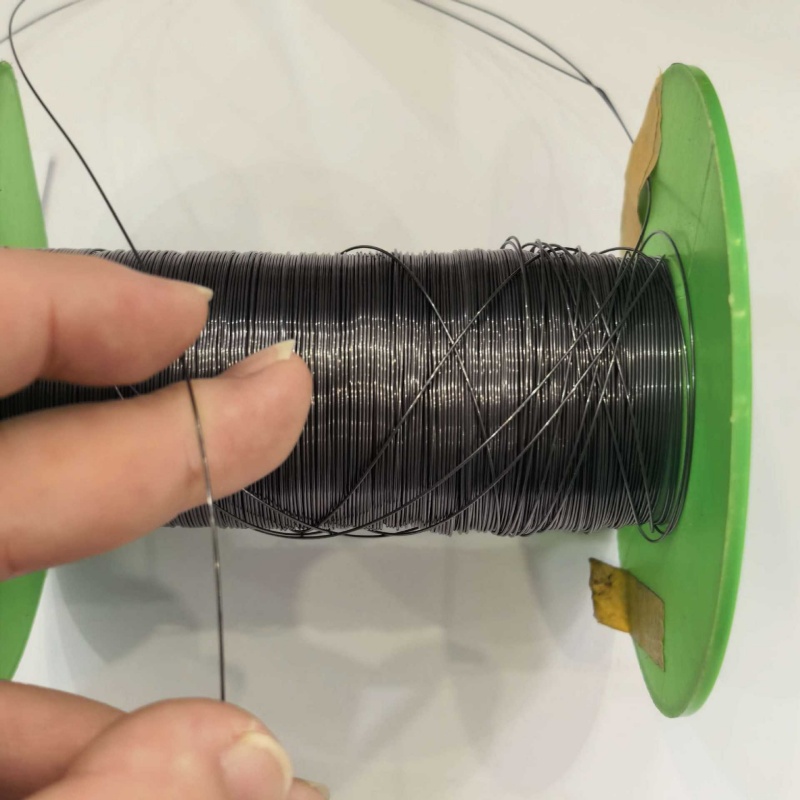
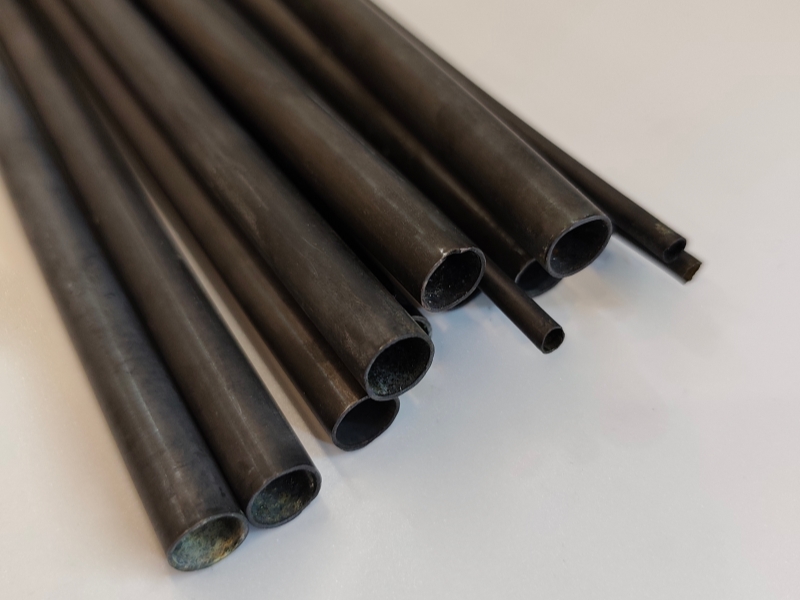
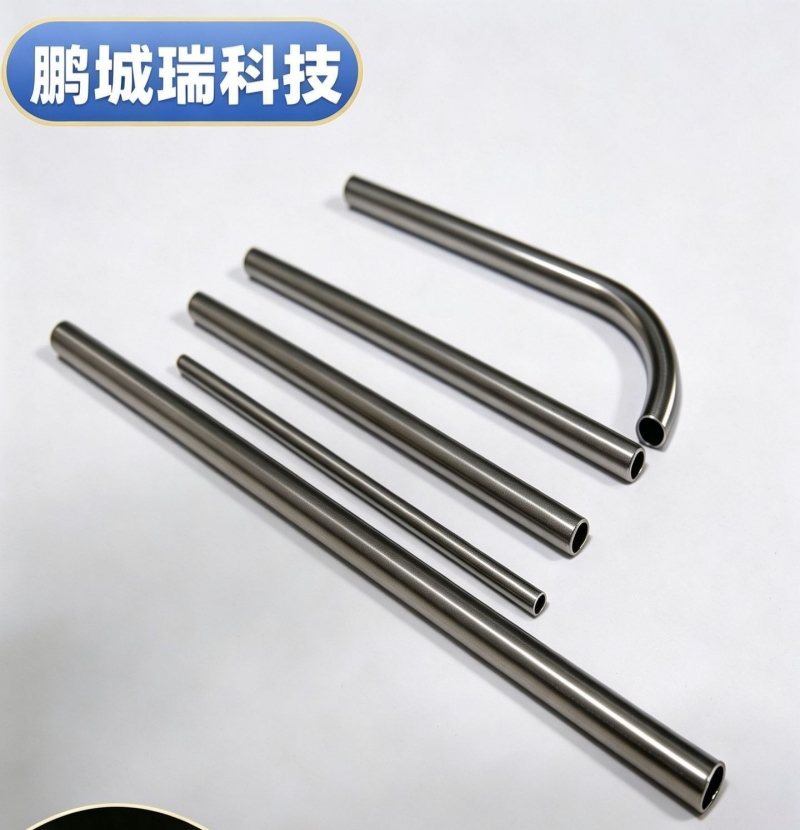
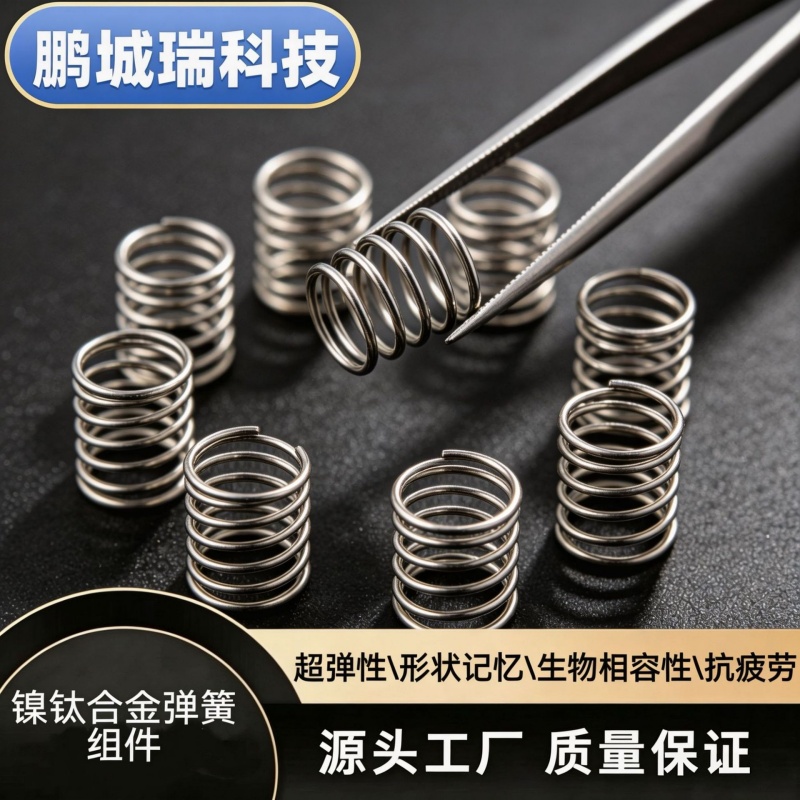
Nitinol
Seamless nickel titanium tube Nickel titanium fiber wire Nickel titanium plateApplication Area
Medical Industry New Energy Aerospace Machinery Manufacturing Marine Engineering Petrochemical IndustryContact Us
Contacts:Manager Wu +86 13632667260


 WeChat
 Call me
X