
 Chinese
 English
Service Hotline
+86 18948275773+86 13632667260



Nickel titanium alloy (NiTi) is a typical shape memory alloy, and its properties are closely related to temperature. The core mechanism originates from the martensitic austenite transformation (a solid-state transformation). The change in temperature will significantly affect its phase transition behavior, mechanical properties, shape memory effect, and application stability. The following provides a detailed analysis of the impact of temperature on nickel titanium alloys from multiple dimensions:
1、 Temperature driven phase transition behavior: the core of shape memory effect
The uniqueness of nickel titanium alloy lies in its crystal structure phase transition at different temperatures:
Martensite phase: a stable phase at low temperatures, with a monoclinic crystal structure and a relatively soft texture (hardness of about 200-300 HV), which is prone to plastic deformation under external forces (recoverable "pseudo plasticity").
Austenite phase: a stable phase at high temperatures with a cubic crystal structure, higher strength and hardness (hardness of about 400-500 HV), and stable shape.
Temperature influence law:
When the temperature is less than Mf, the alloy is completely in the martensitic phase and can be shaped arbitrarily (such as bending, twisting);
When the temperature is greater than Af, the alloy is completely in the austenite phase, maintaining the initial shape of "memory";
When the temperature is between Ms~Mf or As~Af, the alloy is in a two-phase coexistence state and exhibits transitional properties.
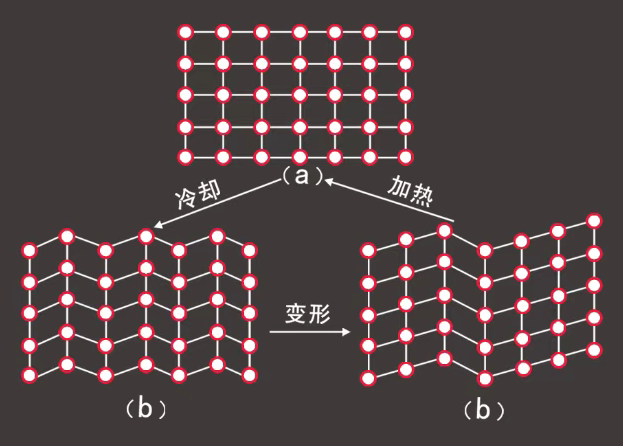
The mutual transformation between austenite (a) and martensite (b)
2、 Regulation of Temperature on Shape Memory Effect (SME)
The shape memory effect refers to the characteristic of nickel titanium alloys that can fully recover their initial shape when heated to the austenite phase temperature range (>Af) after deformation in the martensitic phase. Temperature is the core triggering condition for this effect:
Temperature threshold for shape recovery:
Only when the heating temperature exceeds Af, can martensite completely transform into austenite and achieve 100% shape recovery; If the temperature is between As and Af, the recovery rate increases with increasing temperature (partial recovery); If the temperature is below As, there is almost no recovery.
The relationship between resilience and temperature:
The higher the heating temperature (above Af), the greater the driving force for austenite transformation, and the stronger the stress (restoring force) generated during shape recovery. For example, in the medical field, the radial force of nickel titanium alloy stents when restoring shape at body temperature (37 ℃) needs to be accurately matched with the vascular support requirements, and temperature fluctuations (such as temperature changes during surgery) may affect the support effect.
3、 The Effect of Temperature on Superelasticity (Pseudo Elasticity)
Superelasticity refers to the characteristic of nickel titanium alloys that can undergo significant elastic deformation (up to 5% -10%) when subjected to external forces in the austenite phase range (>Af), and fully recover after unloading (different from the elastic deformation of ordinary metals<1%). The influence of temperature on hyperelasticity is mainly reflected in:
Super elastic temperature window:
Superelasticity only occurs in the temperature range above Af. If the temperature is lower than Af, the alloy will undergo plastic deformation under stress (unable to fully recover), manifested as shape memory effect rather than hyperelasticity. For example, if the Af of nickel titanium alloy wire at room temperature is higher than that at room temperature, the deformation after stress cannot be restored; If Af is below room temperature, it exhibits hyperelasticity.
Positive correlation between critical stress and temperature:
In the hyperelastic region, the critical stress that induces the transformation from austenite to martensite increases with increasing temperature. For example, for every 10 ℃ increase in temperature, the critical stress may increase by 50-100 MPa. This characteristic needs to be strictly controlled in engineering design, such as nickel titanium alloy dampers in seismic structures, which require load design adjustments based on environmental temperature.
4、 The Effect of Temperature on Corrosion Resistance
The oxide film (TiO ₂) on the surface of nickel titanium alloy gives it good corrosion resistance (especially in biological fluids), but increasing temperature may accelerate corrosion:
High temperature accelerated oxidation: When the temperature exceeds 300 ℃ in air, the oxide film on the surface of nickel titanium alloy will thicken and crack, leading to the release of nickel ions (nickel has certain biological toxicity), which affects the safety of biomedical applications.
Electrochemical corrosion intensifies: In electrolyte environments such as seawater and body fluids, high temperatures accelerate electrochemical reactions, leading to an increase in corrosion rate. For example, nickel titanium alloy components in deep-sea exploration equipment need to maintain corrosion resistance under high temperature and high pressure, and require surface coatings (such as titanium nitride) to enhance protection.

Application of Nickel Titanium Alloy in Ocean Engineering
5、 Temperature control requirements in applications
The application of nickel titanium alloy requires strict matching of temperature conditions, and typical scenarios include:
Medical field: Orthopedic implants (such as bone plates) need to maintain stable mechanical properties at body temperature (37 ℃); The Af of orthodontic wires should be close to the oral temperature (35-37 ℃) to ensure a slow recovery of shape after being subjected to force.
Aerospace: The nickel titanium alloy hinge of the satellite deployment mechanism needs to be driven by temperature changes in space (-100 ℃ to 50 ℃) to deploy, and the phase transition temperature needs to be accurate to ± 1 ℃.
Intelligent materials: The nickel titanium alloy driver in the temperature control valve needs to trigger the switch action according to the medium temperature (such as hot water 80 ℃), and the temperature sensitivity requirement is extremely high.
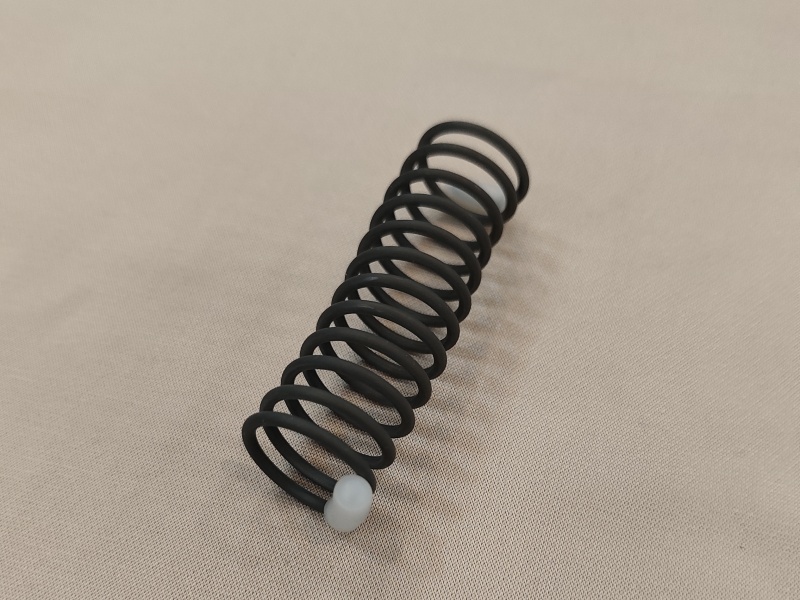
Closed loop temperature control structural components
Temperature is the core parameter for regulating the properties of nickel titanium alloys, which affects their shape memory effect, superelasticity, mechanical properties, and stability through phase transformation mechanisms. In practical applications, it is necessary to optimize the alloy composition (adjust the phase transition temperature) and structural design according to specific scenarios (such as temperature range, cycle times, medium environment) to ensure functional reliability.
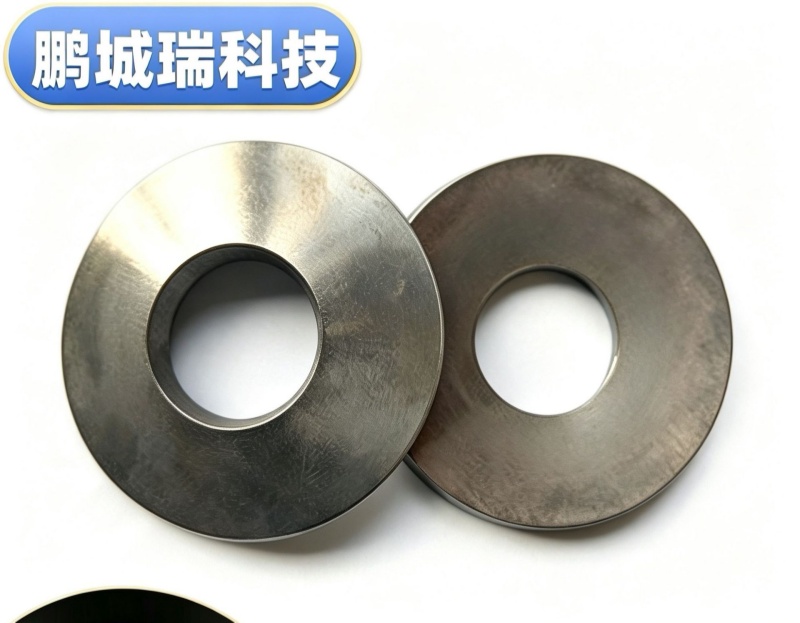
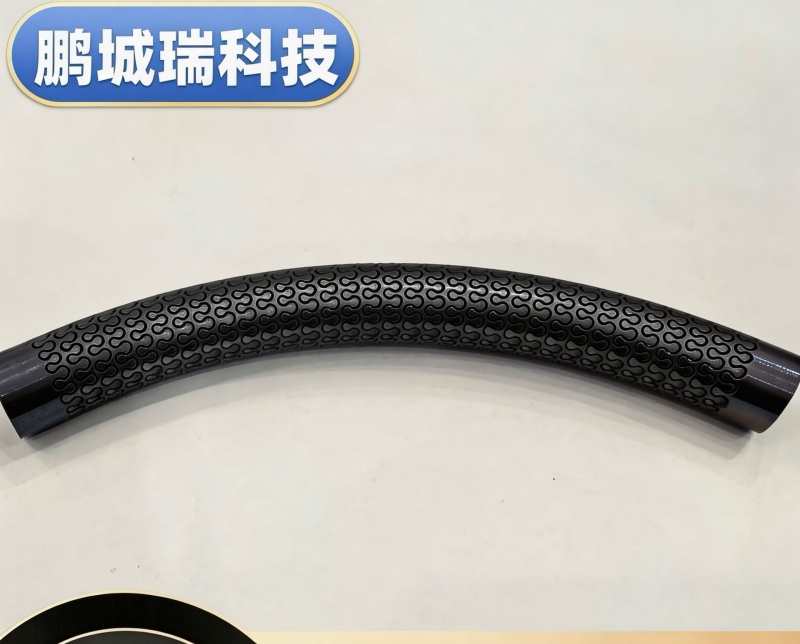
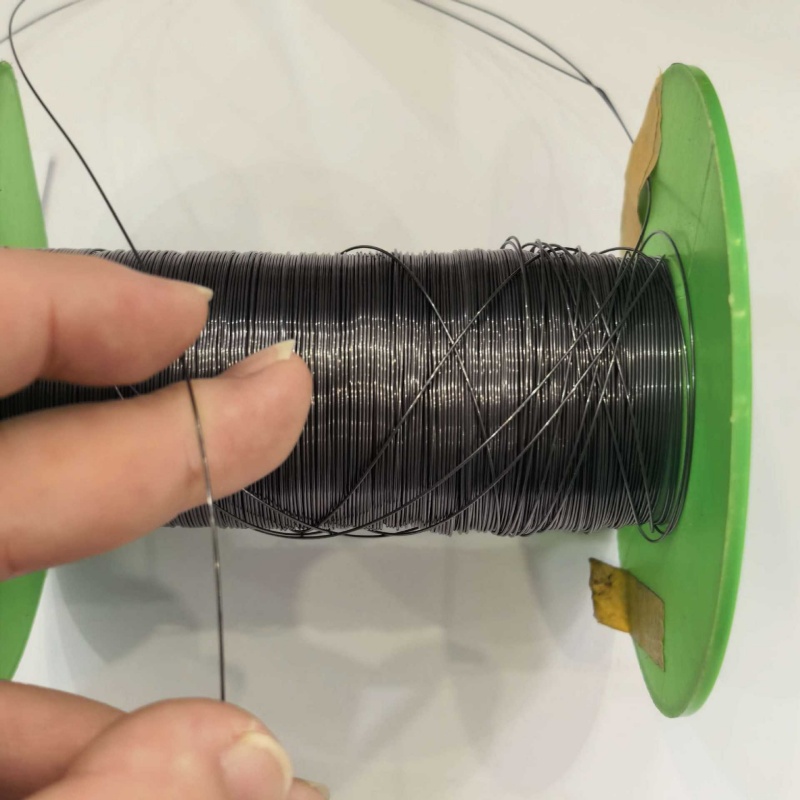
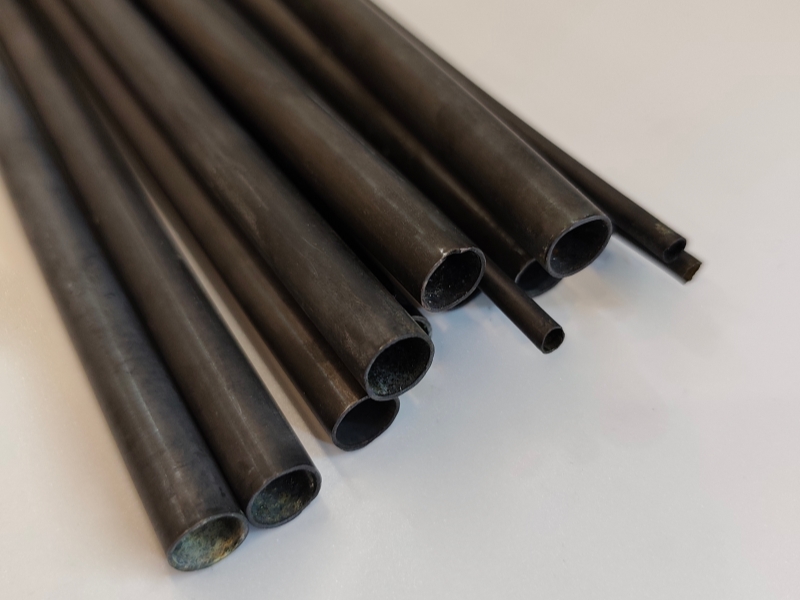
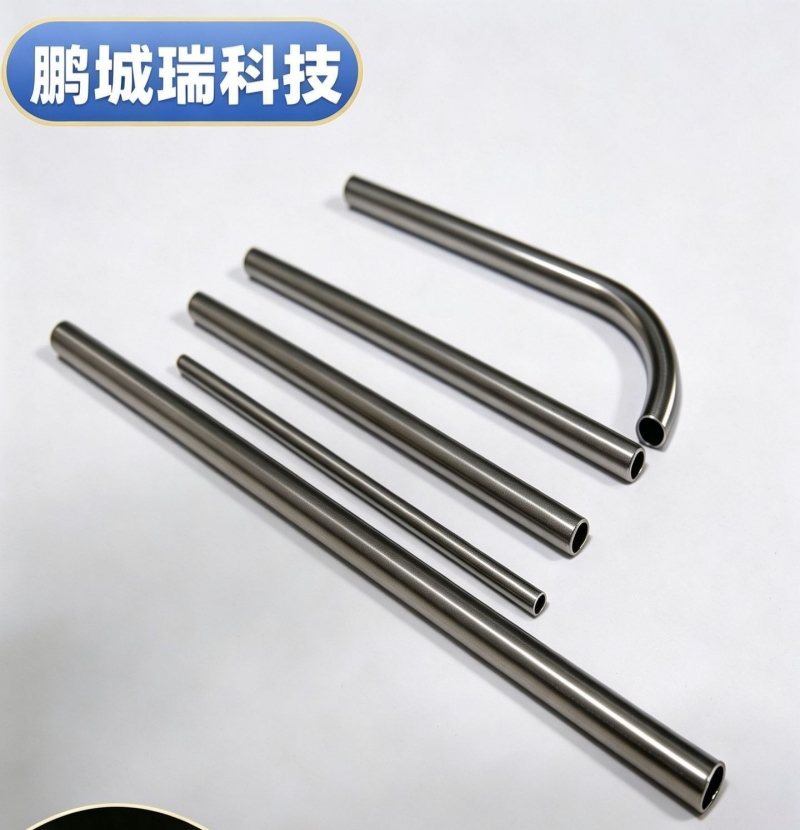
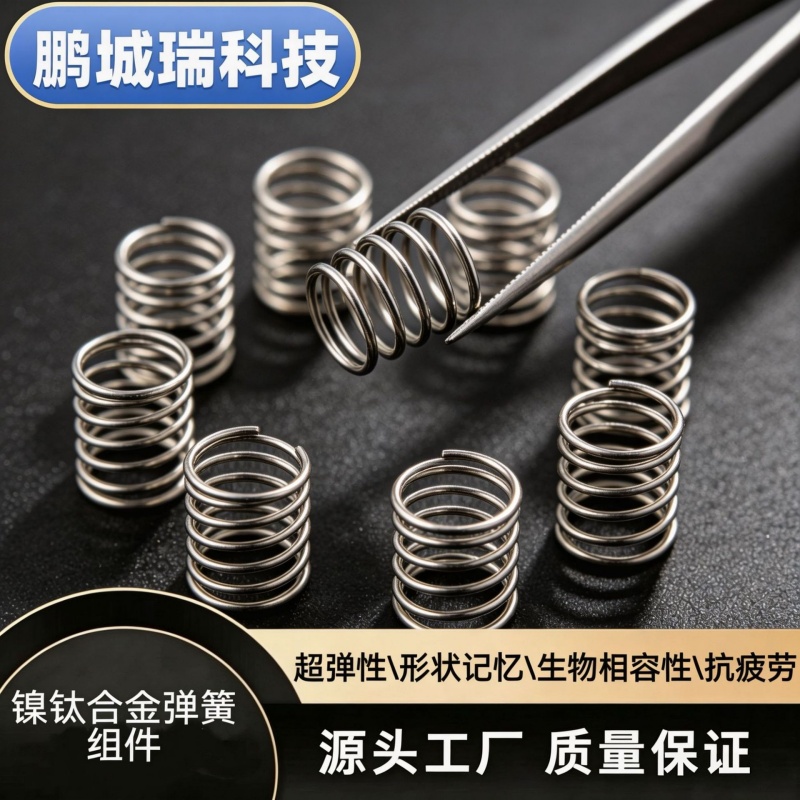
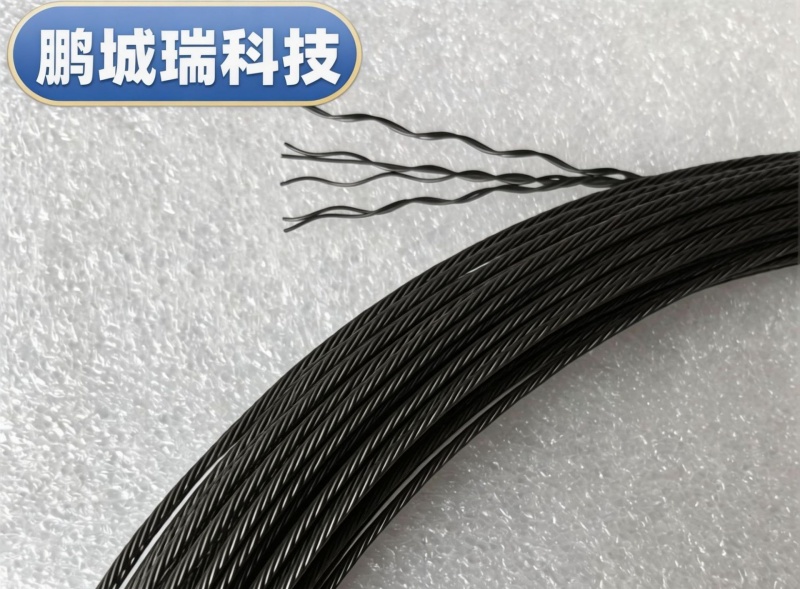
Nitinol
Seamless nickel titanium tube Nickel titanium fiber wire Nickel titanium plateApplication Area
Medical Industry New Energy Aerospace Machinery Manufacturing Marine Engineering Petrochemical IndustryContact Us
Contacts:Manager Wu +86 13632667260


 WeChat
 Call me
X