
 Chinese
 English
Service Hotline
+86 18948275773+86 13632667260



The hardness of nickel titanium alloy is one of its important mechanical properties, but due to its unique shape memory effect and superelasticity, its hardness value is affected by various factors and exhibits a certain range of variation. The following is a detailed explanation of the hardness of nickel titanium alloy:
1、 The approximate range of hardness for nickel titanium alloys
The hardness of nickel titanium alloy is usually expressed as Vickers hardness (HV) or Rockwell hardness (HRC), and its numerical range mainly depends on:
Alloy composition (nickel titanium ratio, whether it contains other elements such as copper, iron, etc.);
Heat treatment status (annealing, aging, cold processing, etc.);
Phase states (martensitic phase, austenitic phase, which undergo phase transformation due to temperature or stress changes).
Normally:
Martensitic phase nickel titanium alloy: low hardness, Vickers hardness of about 150-250 HV (equivalent to Rockwell hardness of about 15-25 HRC);
Austenitic phase nickel titanium alloy: has high hardness, with a Vickers hardness of about 250-400 HV (equivalent to a Rockwell hardness of about 25-38 HRC).
After cold working (such as rolling and drawing), the hardness of the alloy will further increase, and the hardness of some nickel titanium alloys after cold work hardening can approach 450 HV.
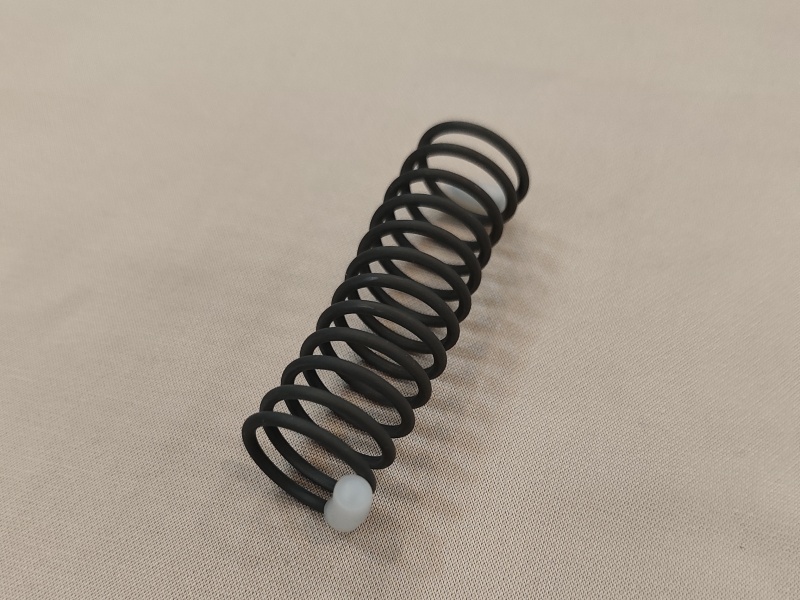
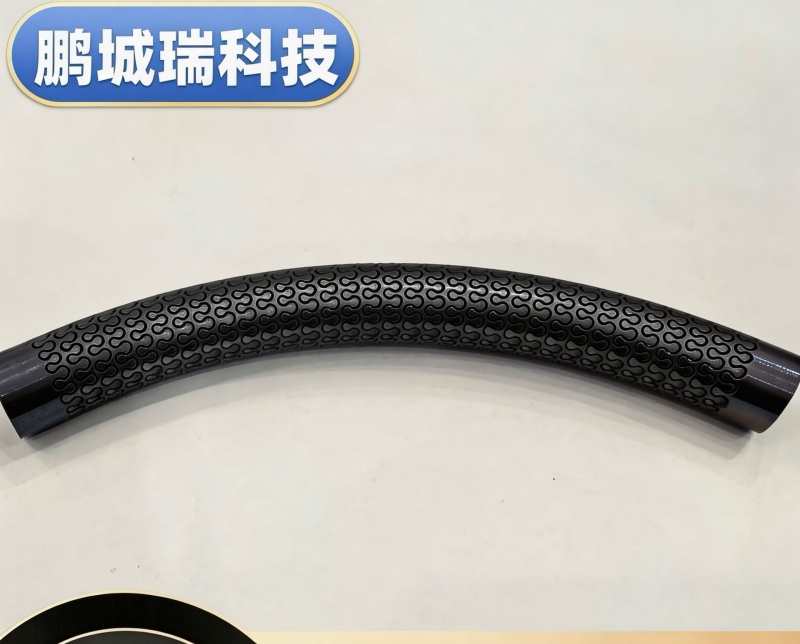
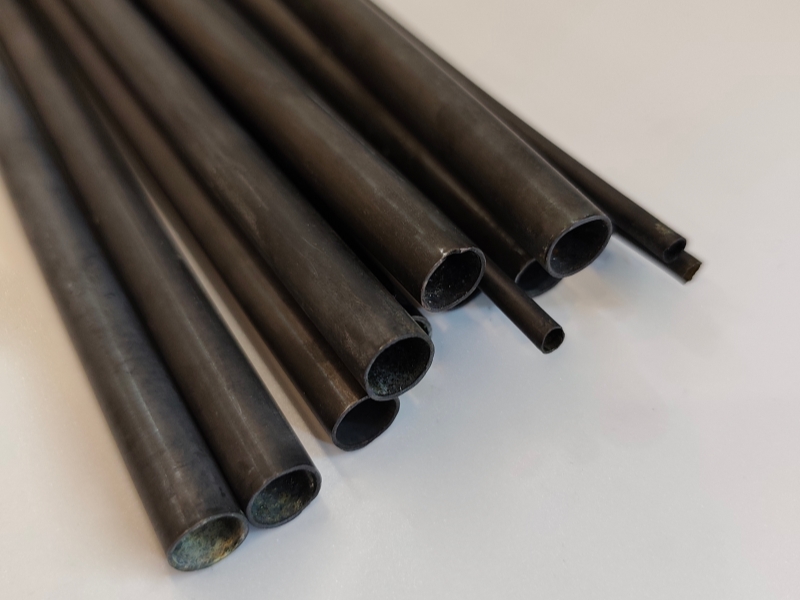
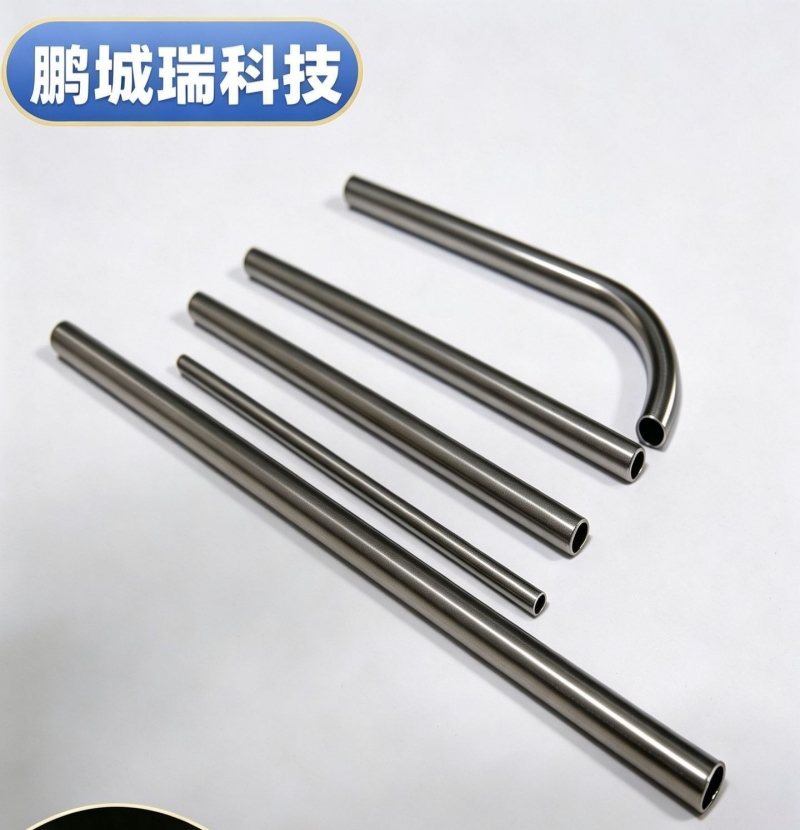
Nickel titanium alloy tube
2、 Key factors affecting hardness
1. The impact of phase transition
The unique feature of nickel titanium alloy is that temperature or stress changes can trigger martensitic austenite phase transformation:
At low temperatures or under stress, it is in the martensitic phase, with a soft texture and good toughness;
After heating or unloading, it transforms into austenite phase, increases hardness and strength.
This phase transition may cause dynamic changes in its hardness under different operating conditions.
2. Processing and heat treatment
Cold processing (such as deformation processing) can refine grains, increase dislocation density, and significantly improve hardness;
Annealing treatment can eliminate internal stress and reduce hardness, but it can restore its shape memory performance.
3. Alloying elements
The hardness of pure nickel titanium alloy (Ni Ti) is relatively stable. If copper (Cu), niobium (Nb) and other elements are added, the phase transition temperature and mechanical properties can be adjusted, indirectly affecting the hardness (such as the hardness of Ni Ti Cu alloy may be slightly higher than that of pure nickel titanium).
3、 Comparison of hardness with other materials
To better understand the hardness level of nickel titanium alloy, it can be compared with common materials:
| Material | Vickers hardness (HV) | Rockwell hardness (HRC) |
|---|---|---|
| Martensitic phase nickel titanium alloy | 150-250 | 15-25 |
| Austenitic phase nickel titanium alloy | 250-400 | 25-38 |
| 304 stainless steel | 150-200 | 15-20 |
| Titanium alloy (TC4) | 300-380 | 30-36 |
| Medium carbon steel (45 # steel) | 200-250(annealed) | 18-25 |
| High speed steel (quenched) | 800-900 | 60-65 |
It can be seen that the hardness of austenitic nickel titanium alloy is close to titanium alloy (TC4), slightly higher than ordinary stainless steel and annealed medium carbon steel, but much lower than quenched steel or high-speed steel.
4、 Hardness considerations in applications
The hardness of nickel titanium alloy gives it advantages in the following areas:
In the medical field (such as orthopedic implants, dental orthodontic wires): Moderate hardness can avoid excessive wear on human tissues while also possessing elasticity;
Precision instruments (such as eyeglass frames and sensors): The balance of hardness and toughness allows them to maintain their shape while also withstanding repeated deformation;
Aerospace: The dynamic adjustment of hardness can adapt to stress fluctuations in temperature changing environments.
If higher hardness nickel titanium based materials are needed, they can be optimized through cold working or alloying, but the degree of retention of their shape memory performance needs to be balanced.
In summary, the hardness of nickel titanium alloy is not a fixed value, but a dynamic parameter controlled by factors such as phase transformation and processing technology. Its "adjustable hardness and hardness" characteristic is one of its core advantages compared to other metal materials.
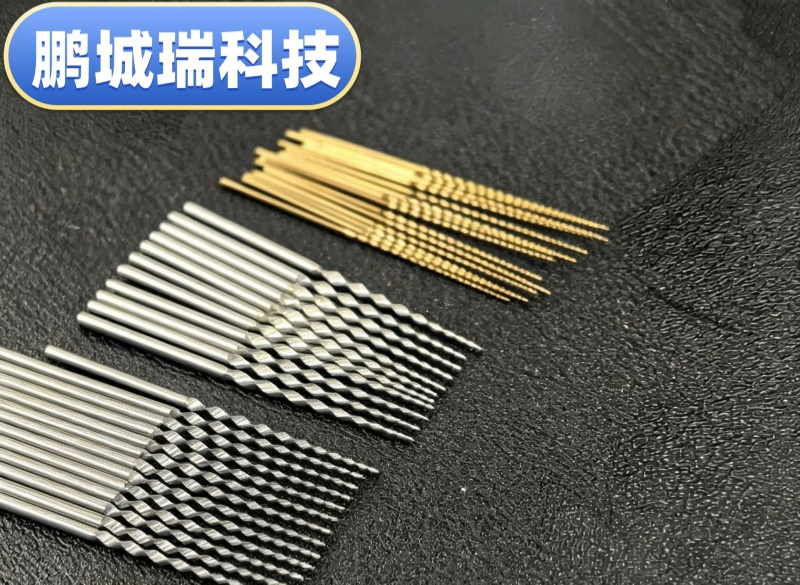
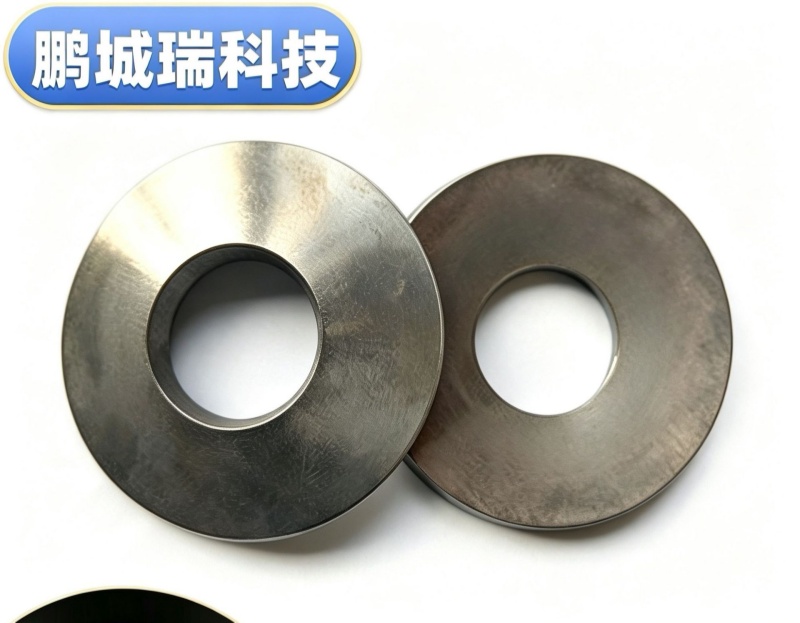
Nitinol
Seamless nickel titanium tube Nickel titanium fiber wire Nickel titanium plateApplication Area
Medical Industry New Energy Aerospace Machinery Manufacturing Marine Engineering Petrochemical IndustryContact Us
Contacts:Manager Wu +86 13632667260


 WeChat
 Call me
X