
 Chinese
 English
Service Hotline
+86 18948275773+86 13632667260


Nitinol is a shape memory alloy primarily composed of nickel and titanium, widely used in various fields due to its unique shape memory effect and superelasticity. The following is a detailed introduction to its ingredients and applications:
1、 Composition of nickel titanium alloy
The main components of nickel titanium alloy are nickel (Ni) and titanium (Ti), with an atomic ratio of approximately 1:1 (i.e., the stoichiometric ratio is close to NiTi). The specific characteristics are as follows:
Composition range: In practical applications, the nickel content is usually between 49% and 51% (atomic percentage), while the titanium content corresponds to 51% to 49%. This small adjustment in proportion will affect the phase transition temperature of the alloy (i.e. the triggering temperature of the shape memory effect).
Alloying elements: In order to optimize performance (such as adjusting phase transition temperature, improving strength or corrosion resistance), small amounts of other elements such as copper (Cu), iron (Fe), cobalt (Co), etc. are sometimes added. For example, adding copper can reduce the hysteresis effect of phase transition temperature, making the alloy easier to control.
2、 Core characteristics of nickel titanium alloy
Its application relies on two key characteristics:
1. Shape memory effect: After being deformed at low temperatures, alloys can recover their original shape when heated to a specific temperature (phase transition temperature).
2. Superelasticity (pseudo elasticity): Above the phase transition temperature, it can produce elastic deformation far beyond that of ordinary metals when subjected to external forces (up to 8%~10%), and fully restore its original state after removing the external force.
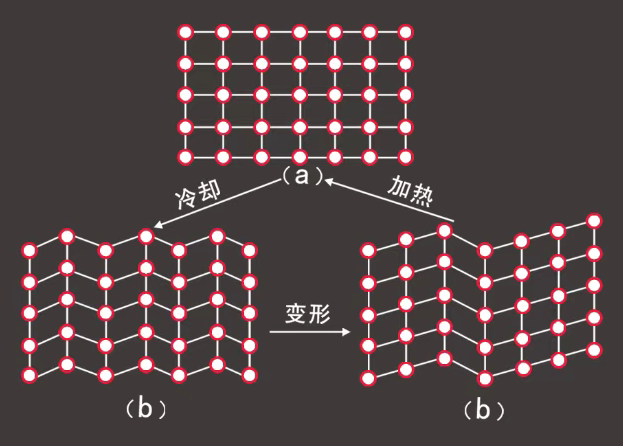
The mutual transformation between austenite (a) and martensite (b)
3、 Main application areas
1. Medical field
Nickel titanium alloy is the most widely used shape memory alloy in the medical industry, due to its good biocompatibility (requiring controlled release of nickel ions) and unique mechanical properties:
Interventional medical devices:
Vascular stent: compressed into a thin tube shape at room temperature, implanted into a blood vessel and restored to its original state at body temperature to support the vessel wall.
Guidewire/catheter: It can bend in a predetermined shape inside the body to accurately reach the lesion site.
Orthopedics and Dentistry:
Orthopedic internal fixator (such as bone plate): uses shape memory effect to apply sustained and stable pressure, promoting bone healing.
Orthodontic wire: Super elasticity allows it to adapt to tooth movement and reduce patient discomfort.
Others: hemostatic clips, thrombus filters, artificial heart valves, etc.
2. Aerospace field
Intelligent structure: Used for the deployment mechanism of spacecraft (such as solar panels and antennas), folded at low temperatures for easy launch, and restored to its deployed state through heating after entering space.
Temperature control components: using shape memory effect to make temperature sensors or automatic adjustment devices, such as valve controllers for spacecraft.
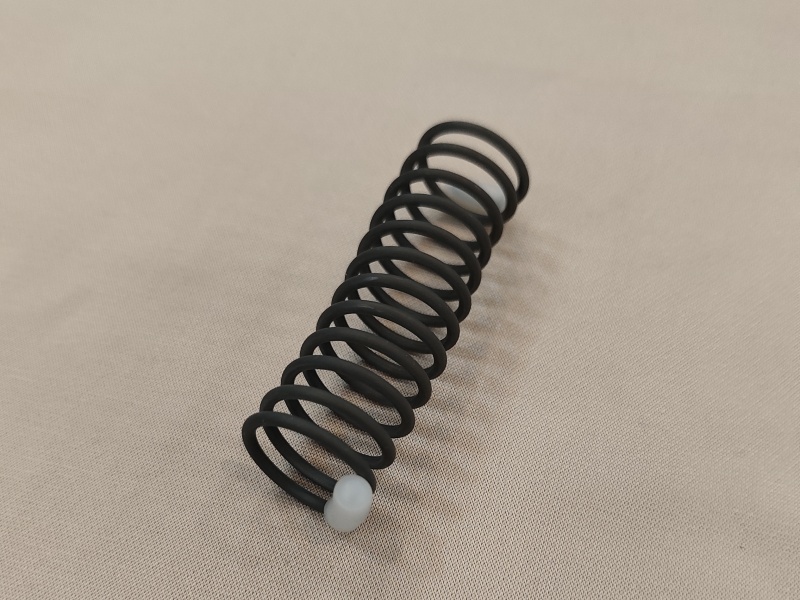
Closed loop temperature control structural components
3. Mechanical and electronic fields
Precision connectors: such as plug-in interfaces in electronic devices, use super elasticity to ensure tight contact, vibration resistance, and fatigue resistance.
Automatic control devices, such as temperature triggered switches (fire alarms, thermostatic valves), drive mechanical actions through temperature changes.
In the field of robotics: creating flexible actuators to simulate the stretching and contracting functions of human muscles and achieve precise movements.

Humanoid robot
4. Daily and industrial supplies
Glasses frame: Super elasticity makes it difficult to deform, even if it is severely bent, it can restore its original shape and has strong durability.
Anti scald device: such as the temperature control switch of an electric iron or coffee machine, which automatically shuts off when the temperature is too high.
Pipeline connection: used for joints in low-temperature or high-pressure pipelines. During installation, they are fitted by low-temperature deformation and tightly sealed after heating, replacing traditional welding.
4、 Application advantages and challenges
Advantages: Shape memory effect, super elasticity, fatigue resistance, biocompatibility (medical grade).
Challenges: High cost (difficult purification and alloy processing of titanium), possible allergy caused by nickel ions (surface treatment required for medical applications), precise control of phase transition temperature (affecting stability).
In short, nickel titanium alloys are indispensable in high-end fields such as healthcare and aviation due to their "intelligent" mechanical properties, and their application scenarios are still expanding with the advancement of processing technology.
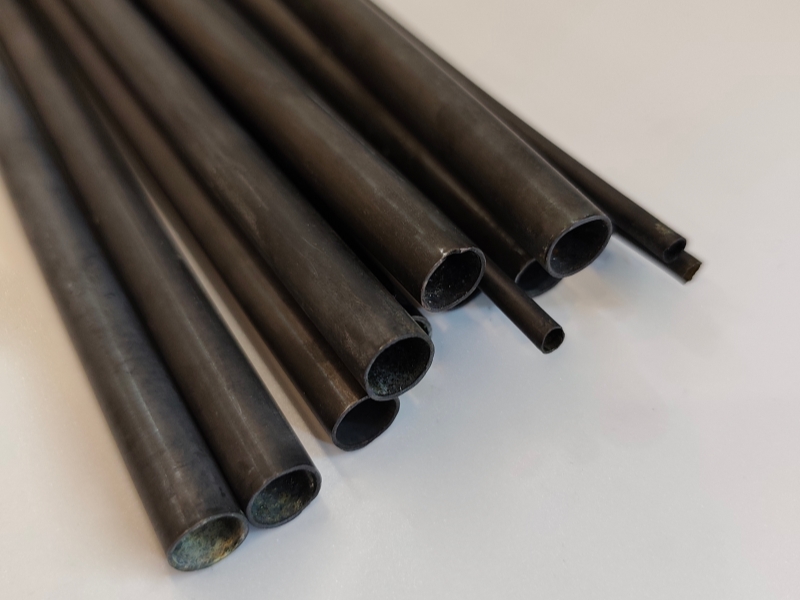
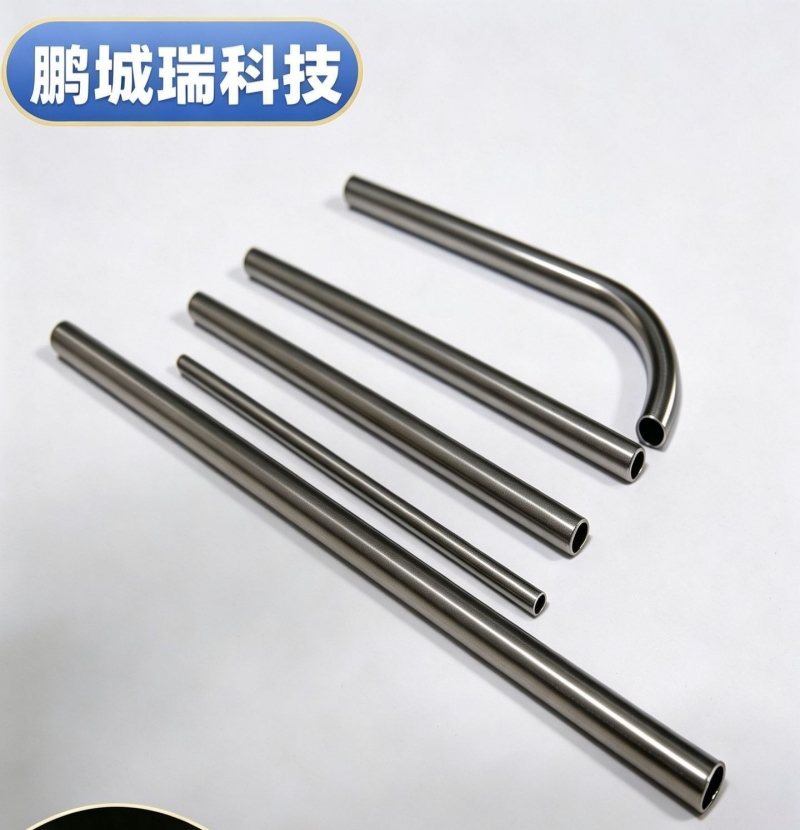
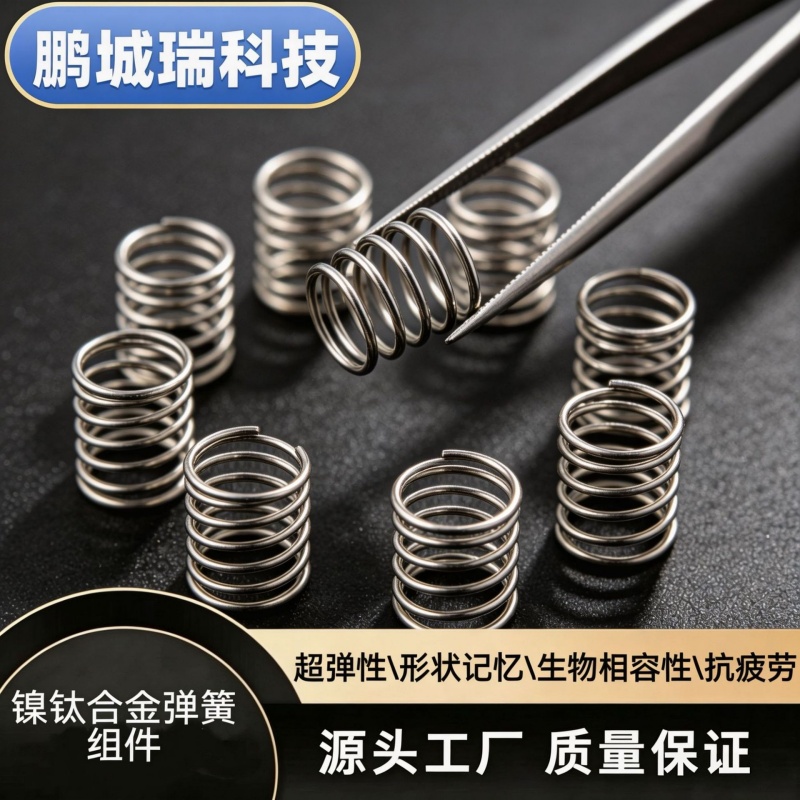
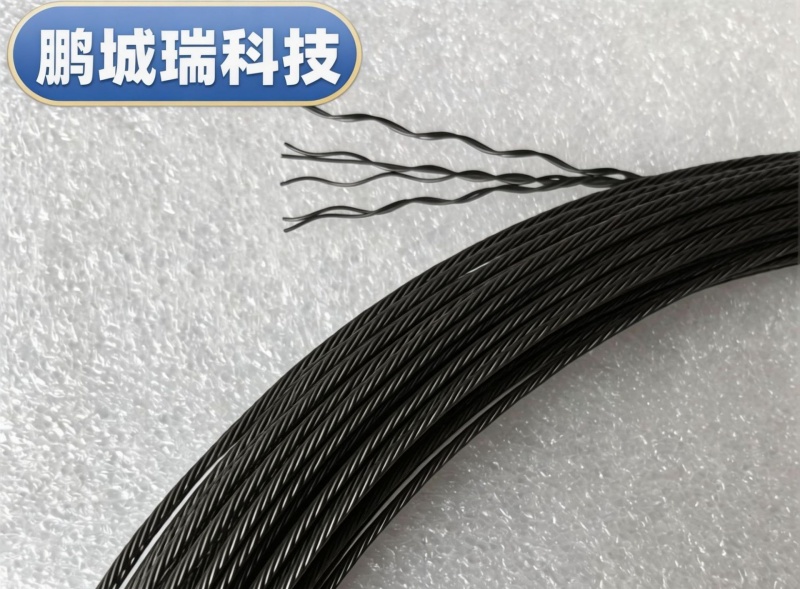
Nitinol
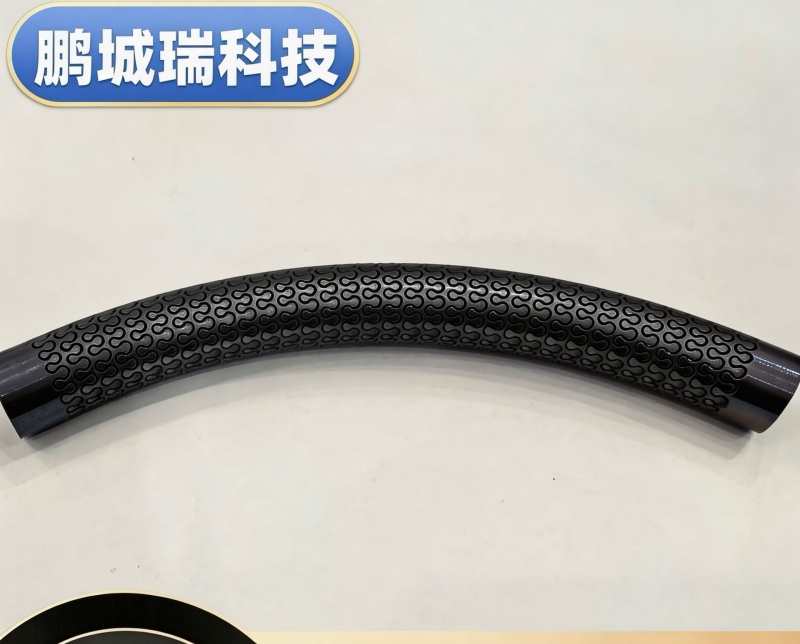
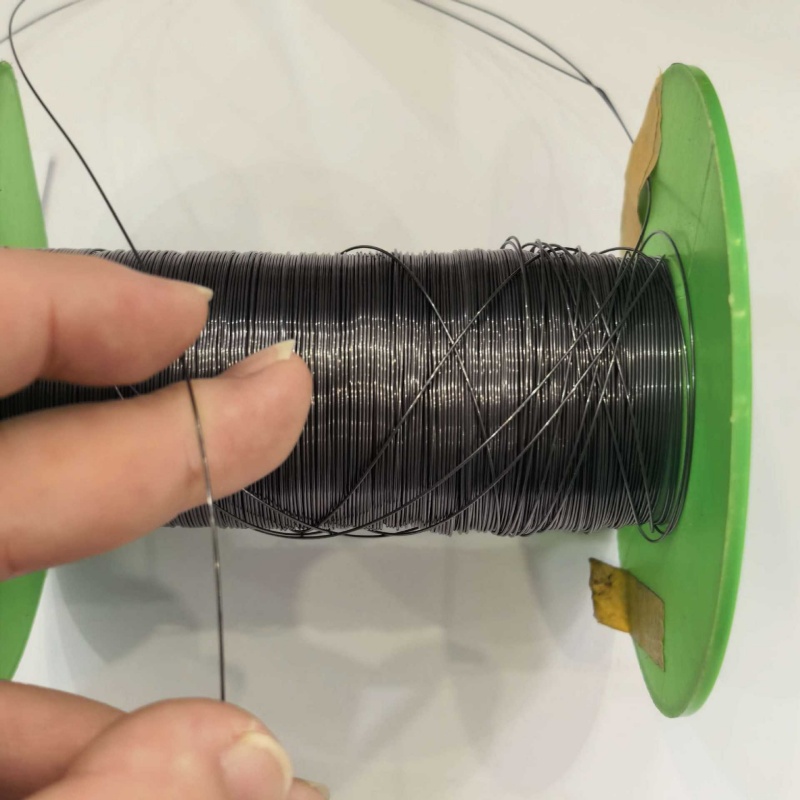
Seamless nickel titanium tube Nickel titanium fiber wire Nickel titanium plateApplication Area
Medical Industry New Energy Aerospace Machinery Manufacturing Marine Engineering Petrochemical IndustryContact Us
Contacts:Manager Wu +86 13632667260


 WeChat
 Call me
X