
 Chinese
 English
Service Hotline
+86 18948275773+86 13632667260



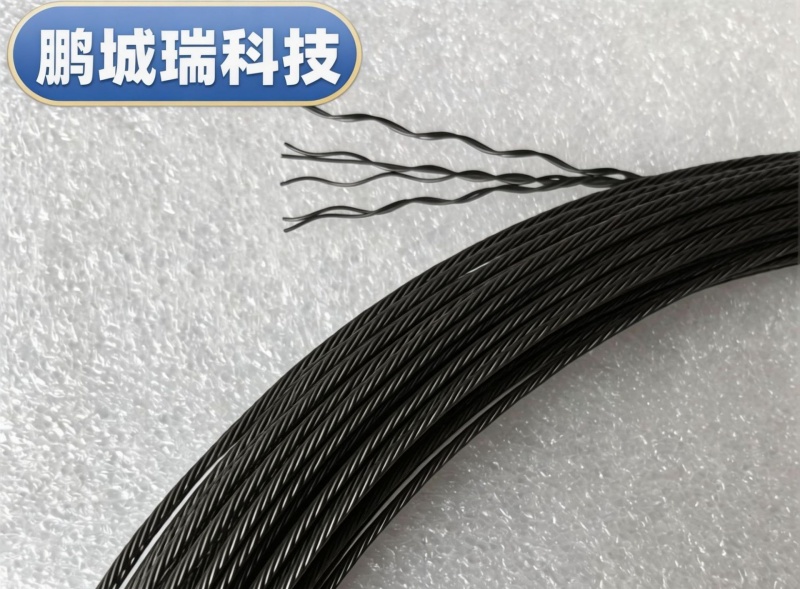
Nickel titanium fiber wire is a functional material with shape memory effect and super elasticity. Its specification parameters are closely related to its application scenarios. The editor will explain it from two aspects: parameter details and typical applications
1、 Specification parameters of nickel titanium fiber wire
1. Geometric parameters
Diameter range:
Conventional industrial grade: Φ 0.05mm~Φ 3.0mm. For example, medical device wires are mostly concentrated in Φ 0.1mm~Φ 1.0mm (such as vascular stents and dental wires), while industrial sensor wires can have a diameter of over Φ 2.0mm.
Precision grade: Medical micro guide wires can reach up to Φ 0.02mm (such as wires used in nerve intervention surgery), and need to be prepared with special processes.
Length specification:
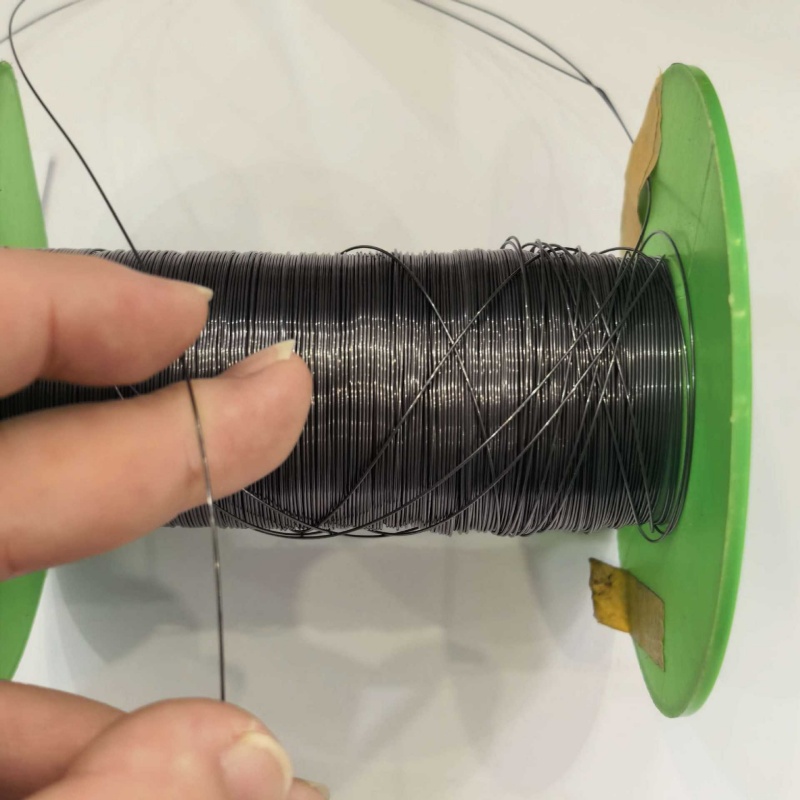
Coiled silk: commonly available in 50m, 100m, 500m, 1000m, and can be customized up to several kilometers (such as continuous filament for textile use).
Straight wire: Standard lengths are mostly 100mm, 200mm, and 500mm, used for customized part processing (such as orthopedic fasteners).
2. Mechanics and functional performance
Mechanical indicators:
Super elastic range: Strain can reach 8%~10% (conventional metals only 0.1%~0.5%), and there is no permanent deformation after unloading.
Tensile strength: annealed state 800~1000MPa, cold processed state can reach over 1200MPa.
Hardness: Martensitic HV 180-220, Austenitic HV 220-350 (varying with heat treatment process).
Phase transition temperature (key functional parameter)
The phase transition temperature is represented by Af (austenite end temperature), and common grades are as follows:
Room temperature type: Af=20~35 ℃ (such as medical devices, suitable for human body temperature).
Low temperature type: Af=5-15 ℃ (such as temperature control trigger element).
High temperature type: Af=50~80 ℃ (industrial thermal drive components).
3. Surface treatment and morphology
Surface condition:
Medical grade: electrolytic polishing (Ra ≤ 0.2 μ m) to reduce the risk of thrombosis; Coating (such as TiN coating to enhance wear resistance).
Industrial grade: oxidation treatment or coating with lubricating layer (for easy processing and shaping).
form:
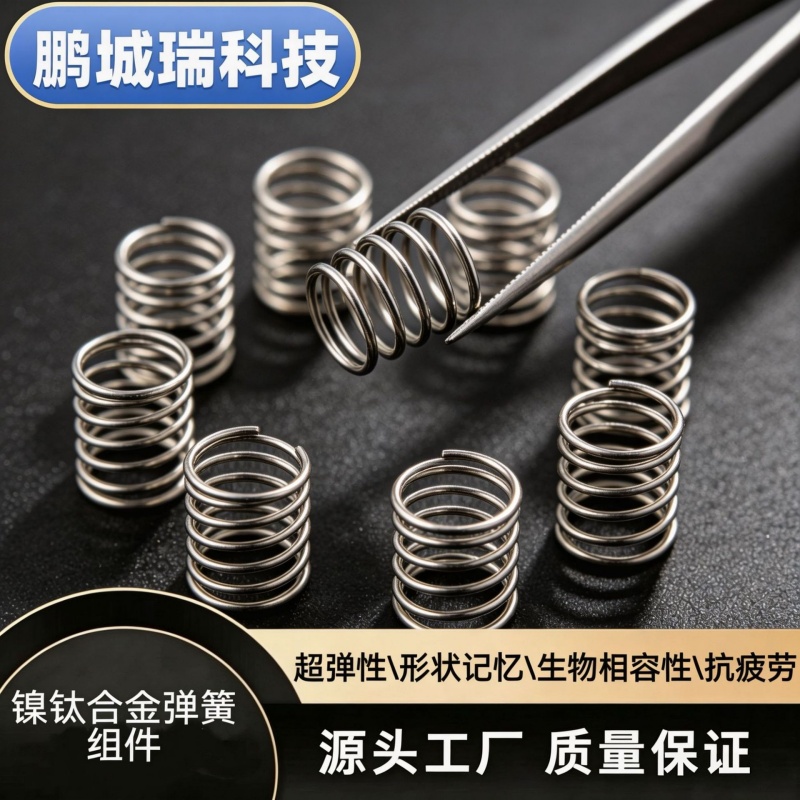
Bare wire, spiral coil (such as spring structure), woven mesh tube (such as vascular stent), composite coated wire (combined with polymer).
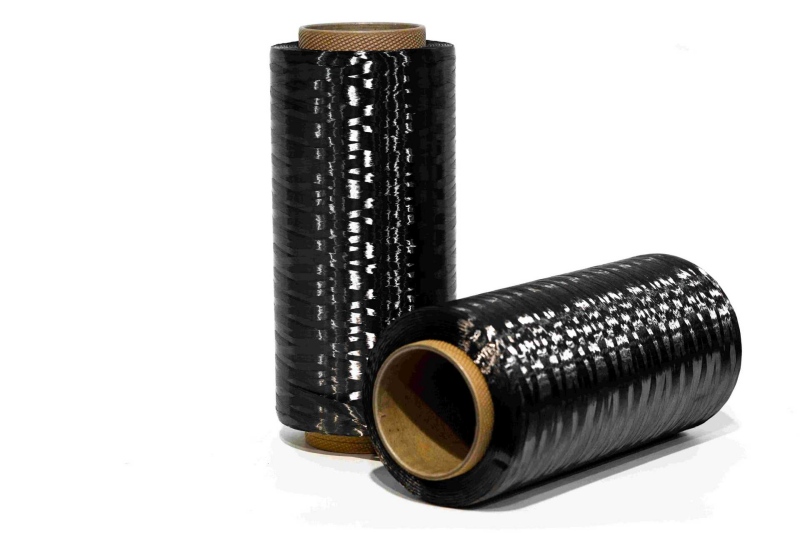
Nickel titanium fiber wire
2、 Typical application scenarios
1. Medical device field
Vascular stent:
Specification: Diameter of Φ 0.05~Φ 0.3mm, length of 5-30mm, Af=37 ℃ (triggered by human body temperature expansion).
Performance requirements: Super elasticity ensures that the blood vessel adheres to the wall after expansion, and biocompatibility is certified by ISO 10993.
Dental orthodontic wire:
Specification: Diameter of Φ 0.3~Φ 0.5mm, straight wire length of 50~100mm, Af=25~30 ℃ (providing continuous correction force at oral temperature).
Advantage: The memory effect can compensate for stress attenuation during tooth movement and reduce the number of follow-up visits.
2. Aerospace and Industry
Temperature controlled driving components:
Specification: Diameter of Φ 0.5~Φ 2.0mm, Af=60~80 ℃ (engine temperature triggered deformation).
Application: Aircraft fuel pipeline temperature control valve. When the temperature rises, the contraction of the wire material drives the valve to open and close, achieving automatic temperature control.
Sensors and connectors:
Specification: Diameter of Φ 0.1~Φ 0.5mm, made of super elasticity to produce high-sensitivity pressure sensors, or used as flexible connecting wires for underwater robots (fatigue life>10 ^ 7 cycles).
3. Consumer Electronics and Daily Life
Flexible electronic components:
Specification: Diameter of Φ 0.05~Φ 0.1mm, coated with insulation layer (such as PI film), used for flexible circuits of wearable devices (maintaining conductivity even when bending radius ≤ 1mm).
Glasses frame:
Specification: Diameter of Φ 0.3~Φ 0.8mm, Af=20 ℃ (super elastic at room temperature, can automatically recover after compression deformation).
4. In the field of energy and environment
Thermal energy recovery device:
Specification: Diameter of Φ 1.0~Φ 3.0mm, Af=100~150 ℃ (driven by industrial waste heat), used for thermal mechanical energy conversion, with an efficiency of more than twice that of traditional materials.
3、 Key points of selection
1. Determine the phase change temperature according to the application scenario: medical needs to match human body temperature (Af ≈ 37 ℃), and industrial temperature control needs to correspond to the working temperature range.
2. Mechanical performance matching load requirements: In high load scenarios (such as orthopedic fixation), high tensile strength wire materials (≥ 1000MPa) should be selected, while sensor wires focus more on superelastic sensitivity.
3. Surface treatment and biocompatibility: The medical field must comply with the ISO 13485 standard, while the industrial field can focus on wear-resistant or corrosion-resistant coatings.
Through precise matching of specifications and application scenarios, nickel titanium fiber filaments have demonstrated irreplaceable advantages in fields such as flexible electronics, medical minimally invasive, and intelligent machinery. Their functional characteristics are still expanding with the progress of material technology.
Nitinol
Seamless nickel titanium tube Nickel titanium fiber wire Nickel titanium plateApplication Area
Medical Industry New Energy Aerospace Machinery Manufacturing Marine Engineering Petrochemical IndustryContact Us
Contacts:Manager Wu +86 13632667260


 WeChat
 Call me
X