
 Chinese
 English
Service Hotline
+86 18948275773+86 13632667260



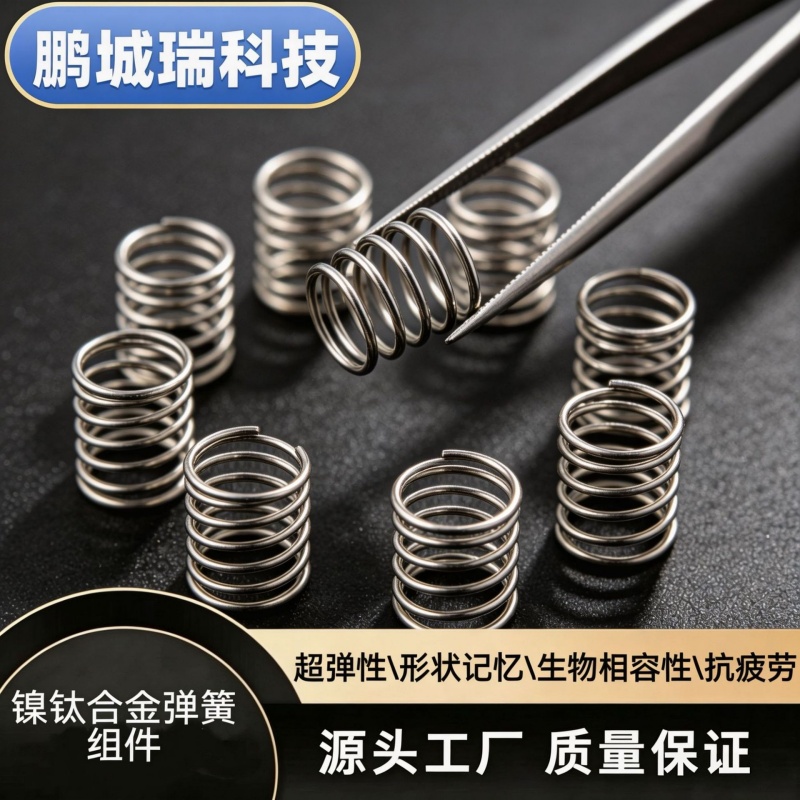
Nitinol is a shape memory alloy composed of nickel (Ni) and titanium (Ti), and its grades are usually classified based on composition ratios, performance characteristics, or application fields. The following is a detailed introduction by the editor about the grades of nickel titanium alloy materials:
1. Divided by nickel titanium atomic ratio
The atomic percentage of nickel (At%) in nickel titanium alloys is an important basis for grade classification, and different ratios will affect their phase transition temperature and mechanical properties:
NiTi-50/50 (or NiTi-55)
Composition: Nickel atoms account for about 50%~51%, and titanium accounts for about 49%~50% (such as Ni ₅₀ Ti ₅₀, Ni ₅₁ Ti ₄₉).
Characteristics: It has typical shape memory effect and superelasticity, and the phase transition temperature (such as austenite start temperature As, martensite end temperature Mf) can be adjusted by heat treatment. It is widely used in medical, aviation and other fields (such as vascular stents, orthodontic wires).
NiTi-55/45 (high nickel content)
Composition: Nickel atoms account for about 55%, and titanium accounts for about 45%.
Features: Low phase transition temperature, wider superelasticity range, commonly used in scenarios requiring low-temperature recovery characteristics (such as low-temperature sensors).
2. Brand system divided by application field
In different industries or standards, nickel titanium alloys may have specific brand names:
Medical field
Nitinol SE (Superelastic): a super elastic grade used for vascular stents, dental instruments, etc., requiring biocompatibility (complying with standards such as ISO 5832-10).
Nitinol SM (Shape Memory): A shape memory grade used for surgical sutures, occluders, etc., which triggers shape recovery through temperature.
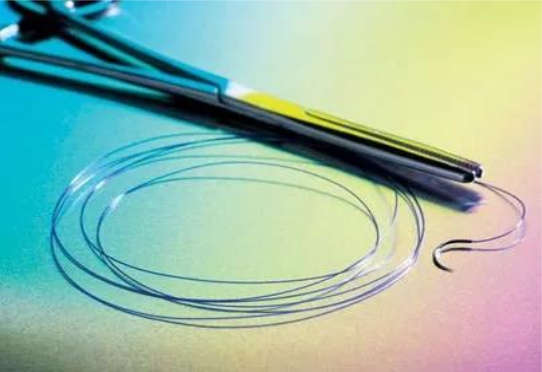
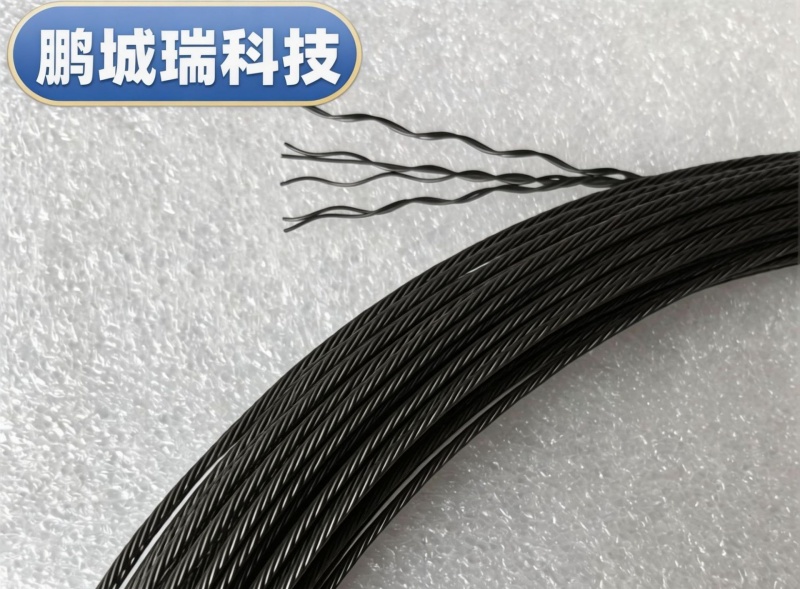
Nickel titanium memory gold suture thread
Industrial sector
Flexinol: a registered trademark of Raychem Corporation in the United States, commonly used in micro actuators and robot components, emphasizing high elasticity and fatigue resistance.
Memry alloys: grades from the American company Memry, such as Memry 100 (for high-temperature environments) and Memry 200 (for low-temperature superelasticity).
aerospace field
TiNi-60: With a high nickel content, it has higher strength and corrosion resistance, and is used for aviation fasteners and pipeline connection components.
3. Designation of brand names in international standards
ASTM standard (American Society for Testing and Materials)
F2063: It specifies the chemical composition and performance requirements of medical nickel titanium alloys, with common grades such as Nitinol (Ni ₅₀) ₈Ti₄₉. ₂).
ISO Standard
ISO 5832-10: Nickel titanium alloys for medical implants require a nickel content of 54.5% to 56.5% (mass fraction) and a balanced titanium content.
If you need specific technical parameters or supplier information for specific grades, you can further refer to industry standards (such as ASTM, ISO) or consult material manufacturers (such as WuGe nickel titanium alloy materials).
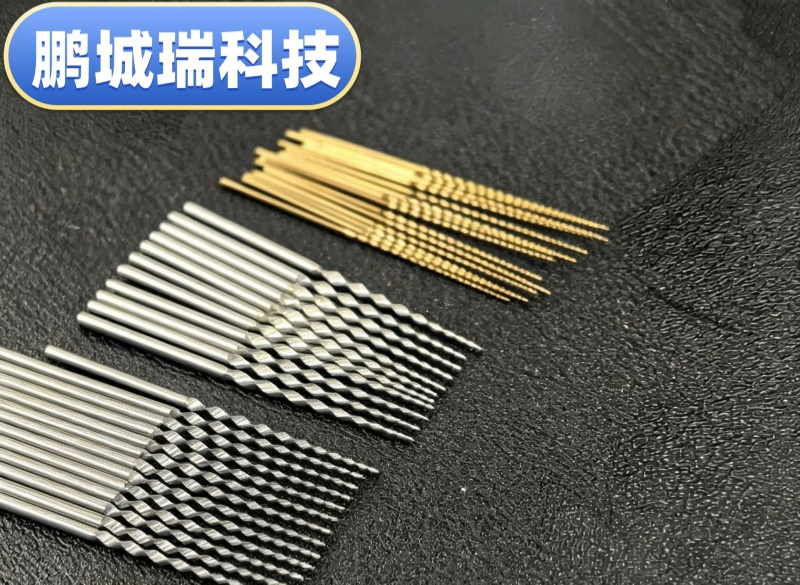
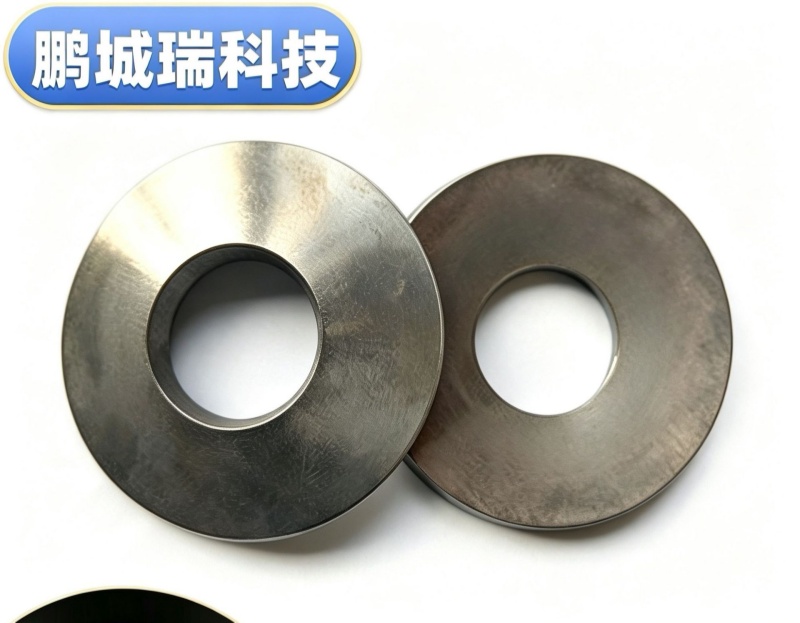
Nitinol
Seamless nickel titanium tube Nickel titanium fiber wire Nickel titanium plateApplication Area
Medical Industry New Energy Aerospace Machinery Manufacturing Marine Engineering Petrochemical IndustryContact Us
Contacts:Manager Wu +86 13632667260


 WeChat
 Call me
X