
 Chinese
 English

Service Hotline
+86 18948275773+86 13632667260


The implementation of YY/T 1924-2025 "Surgical Implant Nickel Titanium Shape Memory Alloy Rope Material" has officially brought the form of "rope", which has long been regarded as an accessory of silk, to the forefront. Multi strand twisting is not a simple addition, it brings a whole set of new technological thresholds.
1、 Rope has never been an accessory of silk
Among the five major forms of nickel titanium, rope is the most easily overlooked.
Silk, board, tube, and rod all have mature grades and standard systems, but ropes have long been in a gray area of "checking according to silk indicators and making according to customer drawings". Many manufacturers consider it as a downstream byproduct of silk: several strands of silk twisted together and packaged for shipment.
But the mechanical behavior of a rope is completely different from that of a single wire.
A nickel titanium wire will break when bent to its limit, while a twisted nickel titanium rope can bend to a very small radius without failure - because each strand of wire forms a spiral path during twisting, and the bending stress is dispersed over a longer length. Meanwhile, the tensile strength of the rope is much higher than that of single fibers of the same diameter, and its ability to resist twisting is also stronger.
That's why in scenarios where both softness and power transmission are required, rope is almost the only solution.

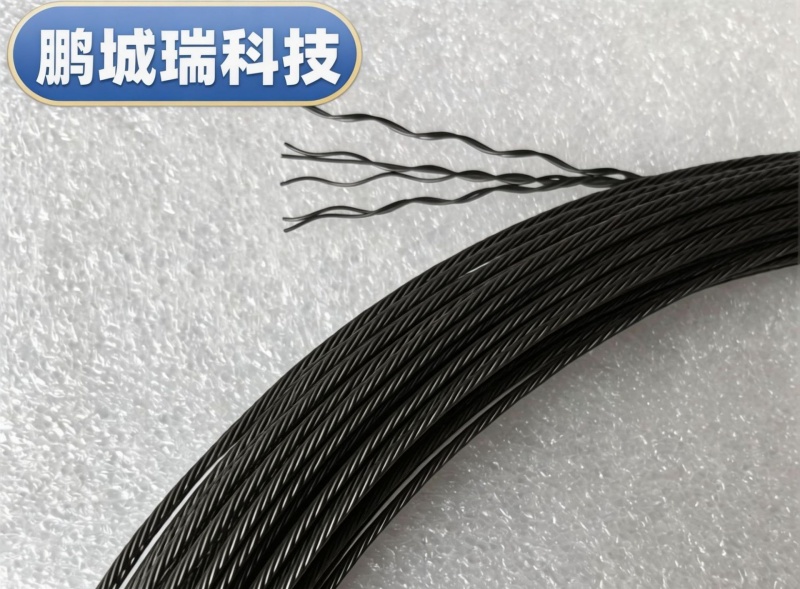
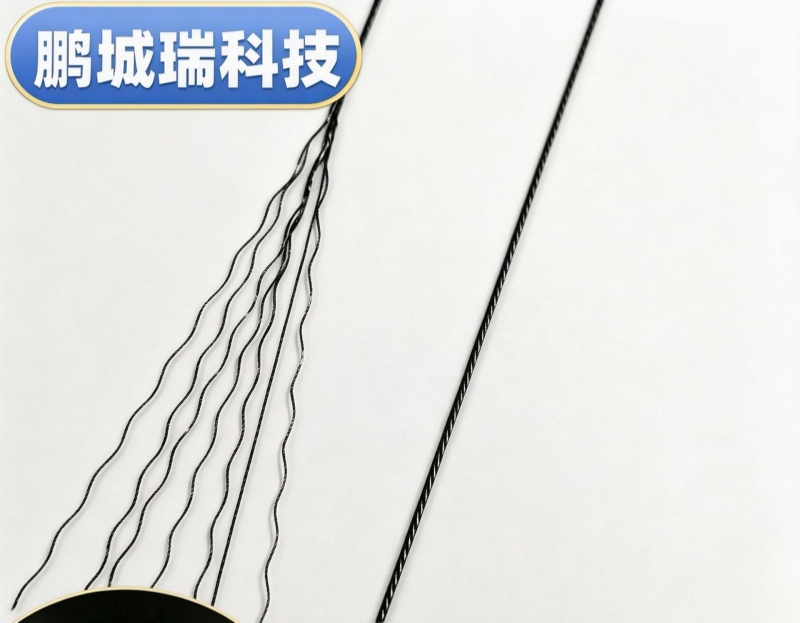
Nickel titanium rope
2、 The implementation of standards changes the logic of inspection
YY/T 1924-2025 "Surgical Implant Nickel Titanium Shape Memory Alloy Rope Materials" released in 2025 specifically regulates nickel titanium rope materials used in orthopedics, urology and other fields.
Its significance lies in changing the inspection object from "silk" to "rope".
In the past, wire inspection focused on single wire diameter, tensile strength, and Af; now, when inspecting ropes, it is also necessary to check:
-The breaking force of the entire rope - not the strength of a single strand multiplied by the number of strands, the actual breaking force after twisting will be discounted;
-Twist length and number of strands -1 × 7, 7 × 7, 1 × 3, the flexibility and strength of different structures are completely different;
-Non loose head - whether the rope end splits after cutting directly affects the assembly of the instrument;
-Surface condition - whether there are burrs in the gaps between the strands, which are the blind spots of polishing;
-Fatigue performance - the cyclic life of the entire rope under dynamic bending.
Among these items, the most easily underestimated one is the "burrs in the gaps". Single wire polishing can be done beautifully, but after twisting into a rope, the tiny burrs hidden in the spiral gaps cannot be polished, which poses a risk of scratching the tissue when implanted into the body.
3、 Three scenarios that are currently in progress
Take the stone basket and capture device. The soft endoscope instruments for urology and gastroenterology require the rope to be pushed freely within a few millimeters of the channel, and then spread into a net after reaching the lesion. The flexibility of the multi strand rope allows it to follow the natural cavity without being "pinned" like a single thick wire.
Orthopedic strapping and dynamic fixation of the spine. This is the direction covered by the standard focus. By utilizing the shape memory effect, the rope automatically tightens at body temperature, creating sustained pressure on the fracture site; Compared to traditional steel cables, nickel titanium ropes do not loosen during long-term activities and do not affect MRI examinations. The dynamic fixation straps of the spine are used to absorb the impact of movement and reduce stress shielding.
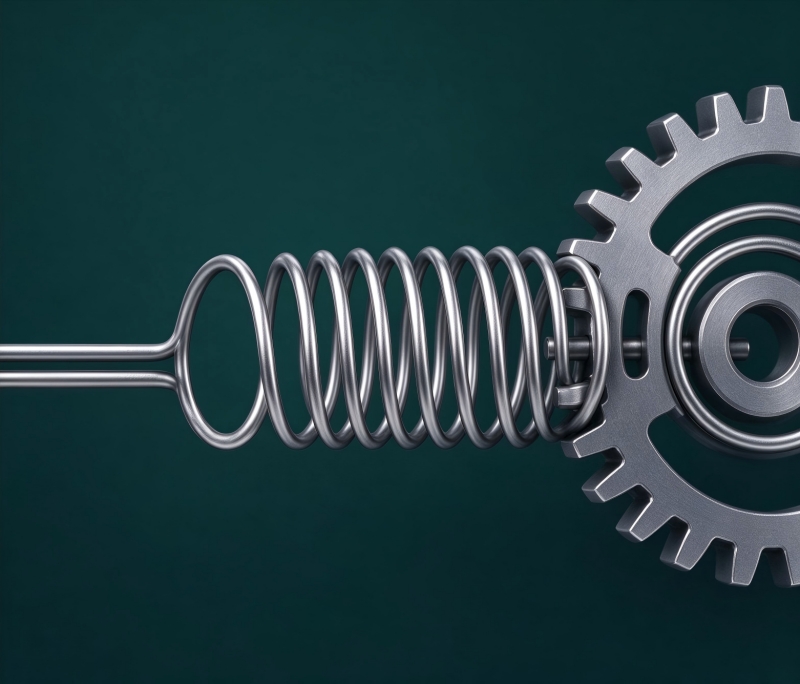
Robots and 'artificial muscles'. Heating and shrinking when powered on, cooling and resetting when powered off, the contraction stroke of multi strand ropes is larger than that of single strands, and the output is also more stable. Biomimetic fingers, micro grippers, and automatic focusing modules are all testing this route - the requirement for cycle life in this area is tens of thousands to hundreds of thousands of times, which is more demanding than the static fatigue of medical devices.
4、 Making rope is three more hurdles than making silk
Twisting the rope may seem like an assembly process, but in reality, it involves three hard thresholds:
The first point is the consistency of single fibers. A 1 × 7 rope, the breaking force of the entire rope is determined by the weakest strand, and Af is also determined by the strand with the largest deviation. If the 7-strand wire comes from 7 different furnace batches, the performance of this rope is the superposition of 7 variables. So it's best for rope manufacturers to be able to make silk themselves - otherwise they can't even guarantee that the incoming materials are from the same furnace.
The second step is tension control for twisting. Uneven tension per strand can cause the rope to "curl" and become unstable in length, resulting in misalignment during assembly of the produced equipment. Poor tension control can leave micro cracks on the surface of the wire, resulting in a reduced fatigue life.
The third step is the surface treatment of the rope state. As mentioned earlier, burrs in the gaps are blind spots. This requires a redesign of the polishing process for the rope structure - the current distribution, time, and fixture of electrolytic polishing are different from those of single wire polishing.
Only after overcoming three obstacles can we talk about "stable supply".
5、 About Us
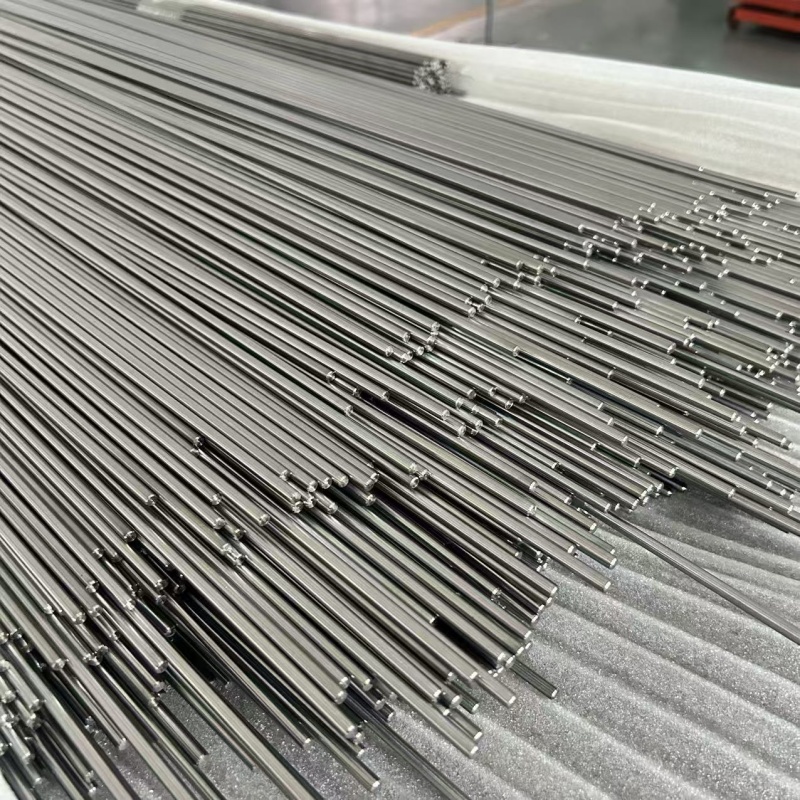
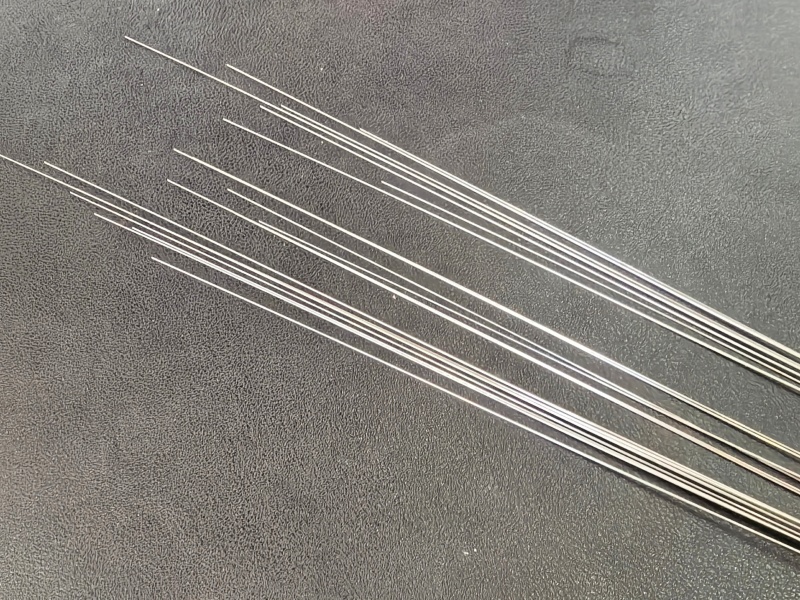
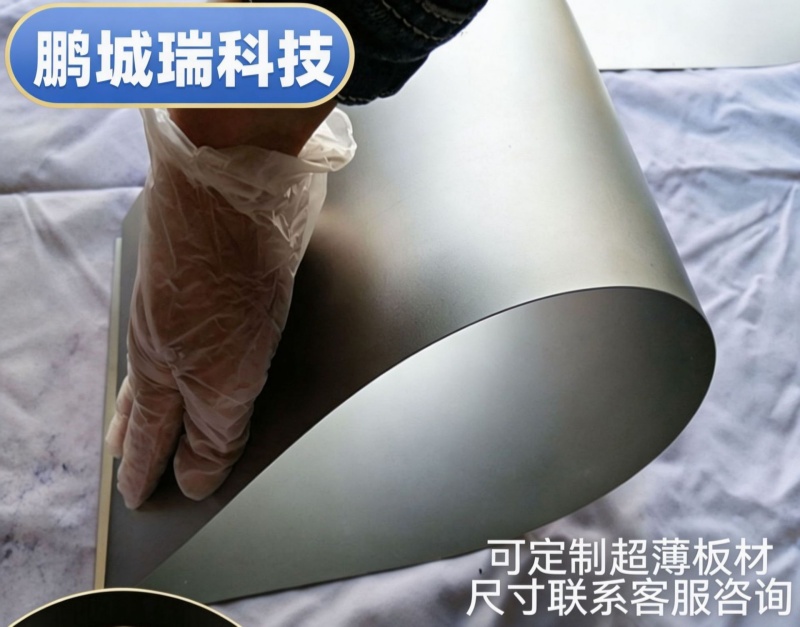
Huizhou Pengchengrui Technology Co., Ltd. is a source manufacturer of nickel titanium alloy materials, with product forms covering wire/plate/tube/rope/rod/customized parts.
Rope has been a direction in which we have invested a lot in the past two years. The reason is very practical: to make ropes, we must first make good silk, and silk is our starting point - starting from smelting, forging, rolling, and drawing, the entire industry chain has its own quality control throughout every link. The seven strands of wire in the same rope can ensure consistency in Af from the source, as they come from the same furnace ingot and batch of heat treatment.
We can make structures such as 1 × 3, 1 × 7, 7 × 7 according to customer drawings, with single wire diameters ranging from ultra-fine specifications to conventional specifications. The rope state can be electrolytic polished, and the whole rope breaking force is provided with the goods Af、 Surface state detection data.
If your equipment is transitioning from "using silk" to "using rope", or if you are concerned about loose ends, curling, or fatigue life of the rope, please feel free to send a sample for comparative testing. No matter how well the parameters are described, it's better to break the rope and check the data.
Keywords: Nickel titanium rope/Nickel titanium alloy rope/Nickel titanium multi strand rope/Medical nickel titanium rope/Nickel titanium wire/Nickel titanium fixed parts/Nickel titanium memory alloy/Nickel titanium alloy manufacturer
Nitinol
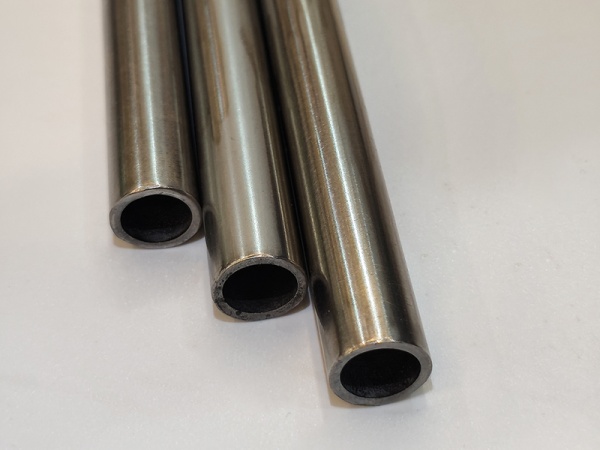
Seamless nickel titanium tube Nickel titanium fiber wire Nickel titanium plateApplication Area
Medical Industry New Energy Aerospace Machinery Manufacturing Marine Engineering Petrochemical IndustryContact Us
Contacts:Manager Wu +86 13632667260


 WeChat
 Call me
X