
 Chinese
 English
Service Hotline
+86 18948275773+86 13632667260



Nickel titanium alloy guide wire is a minimally invasive interventional core consumable made of nickel titanium alloy (Nitinol, near equiatomic ratio nickel titanium alloy) as the inner core. It relies on super elasticity (pseudo elasticity) as the core performance and is widely used in various intracavitary interventional surgeries. It is a "track" instrument for guiding catheters, balloons, and stents to the lesion.
1、 Principles of Materials
Nickel titanium alloys achieve special mechanical properties through austenite martensite reversible phase transformation:
1. Super elasticity (mainly used clinically): At a body temperature of 37 ℃, it can withstand a large deformation of 6% -8%. After external bending, it can fully rebound without permanent creases or twists; Stainless steel only allows for about 0.5% recoverable deformation and is highly prone to twisting and bending.
2. Shape memory effect: Low temperature shaping, reaching the phase transition temperature to restore the preset shape, commonly used for making J-shaped, pigtail shaped and other shaping heads.
3. Medical grade nickel titanium alloy meets ASTM F2063 standard, has good biocompatibility, is non-magnetic, compatible with MRI examination, and has no risk of heating or artifacts under MRI.
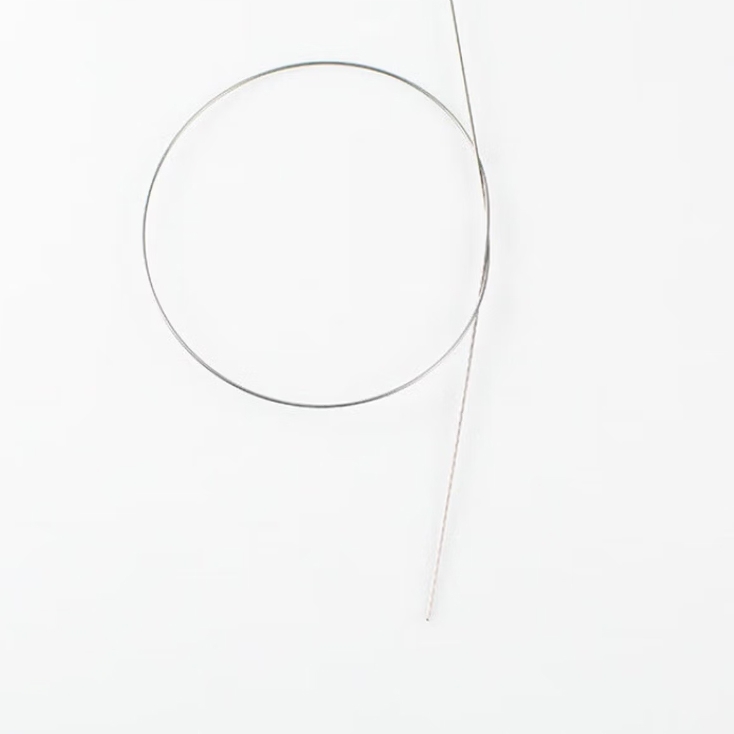
Nickel titanium alloy guide wire
2、 Basic structure
Typical layered structure of nickel titanium guide wire:
1. Core: The main body is made of nickel titanium alloy wire, with some products made of stainless steel at the proximal end, taking into account the pushing torque. The distal end is gradually tapered to improve the softness of the head end.
2. Spring coil/coating: The head end is wrapped with a tungsten spring, providing X-ray imaging capability and facilitating intraoperative fluoroscopy positioning.
3. Polymer outer layer: wrapped in polymers such as PeBax and nylon.
4. Surface coating: Most of them are hydrophilic coatings, which become slippery when in contact with water, reduce friction, and minimize the risk of scratching the inner wall of blood vessels; Part of it is a hydrophobic coating.
>Common specifications: 0.014 inches for coronary arteries; 0.035 inches are commonly used for peripheral, digestive, and urinary purposes.
3、 Core performance characteristics
✅ Advantages
1. Anti tangling and anti bending: Suitable for highly tortuous and angled blood vessels, repeated bending does not produce permanent deformation, far superior to stainless steel guide wires.
2. Good traceability: The head end is smooth and can follow the anatomical course of blood vessels, reducing the risk of vascular perforation.
3. The head can be shaped: During surgery, doctors can bend it into a J-shaped or angled shape and search for branching openings.
4. MRI compatibility, clear imaging, and high biological safety.
⚠️ shortcoming
1. Weak torque transmission compared to stainless steel guide wire: there will be a lag in torque response, and the handling feel will be softer.
2. Limited support, with insufficient support for some severe calcified lesions.
3. The cost is higher than that of ordinary stainless steel guide wires.
>The commonly used loach guide wire and zebra guide wire in clinical practice have a nickel titanium alloy core wire, but with different coating and development designs.
4、 Clinical application field
1. Cardiovascular intervention (maximum dosage)
-Coronary PCI: for myocardial infarction and angina, passing through narrow and occluded blood vessels, guiding stents and balloons; Especially suitable for tortuous blood vessels and chronic completely occluded CTO lesions.
-Peripheral blood vessels: lower limb artery occlusion, renal artery stenosis, carotid artery intervention opening.
-Structural heart disease: TAVR valve implantation, atrial septal puncture to establish access.
2. Neurointerventional procedures: cerebral angiography, thrombectomy, and arterial aneurysm intervention with micro guide wires.
3. Urinary intervention: ureteroscope and zebra guide wire are used for ureteral dilation and stent placement.
4. Digestive endoscopy: bile duct and pancreatic duct intervention, ERCP surgical guide wire.
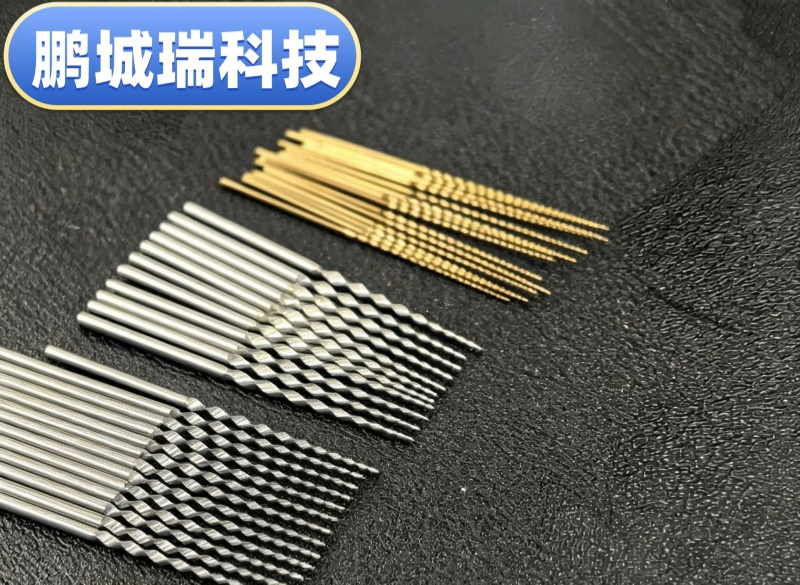
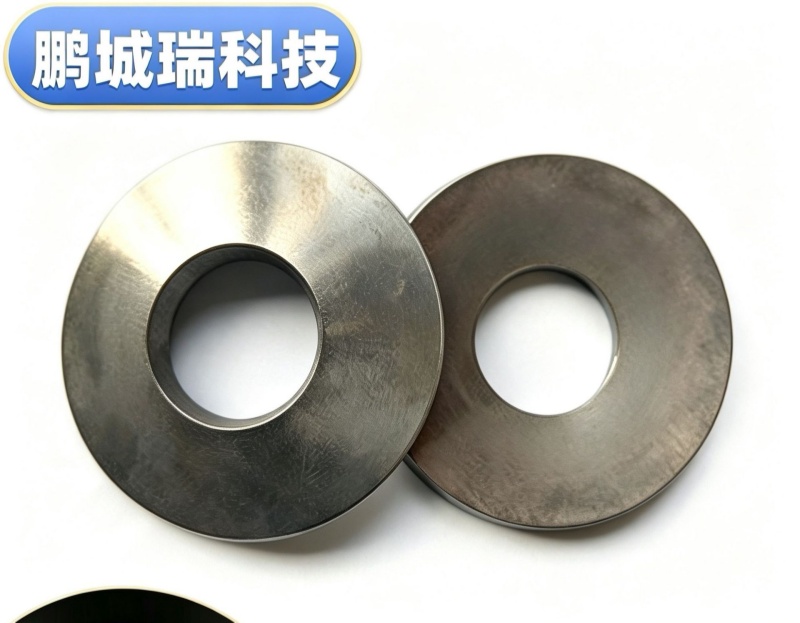
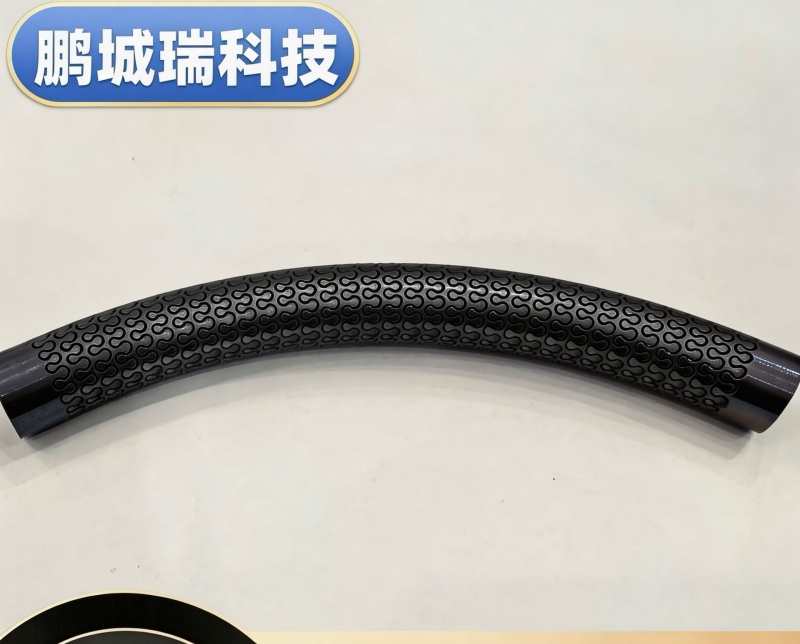
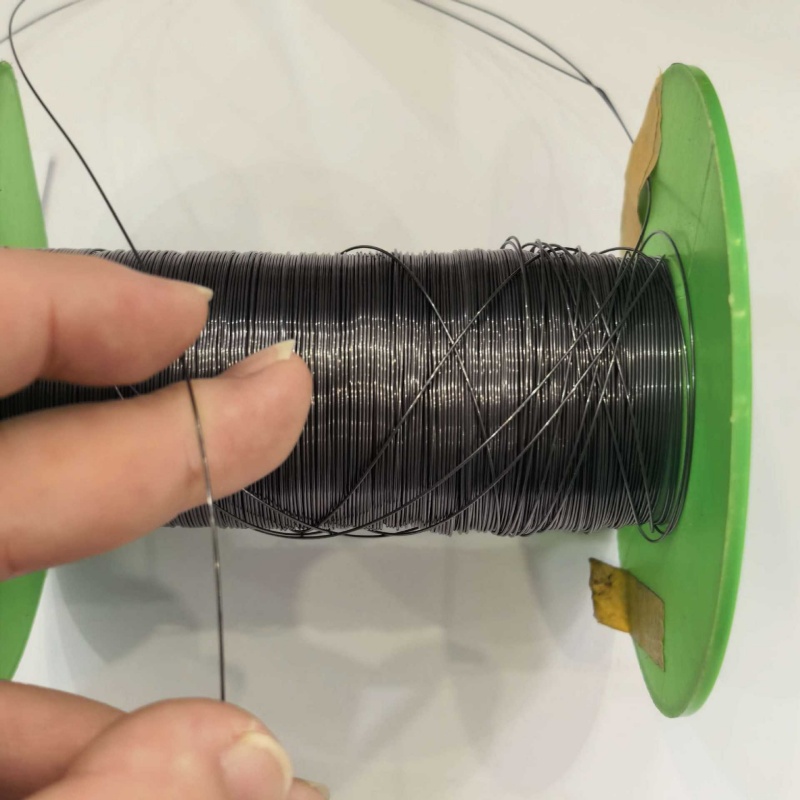
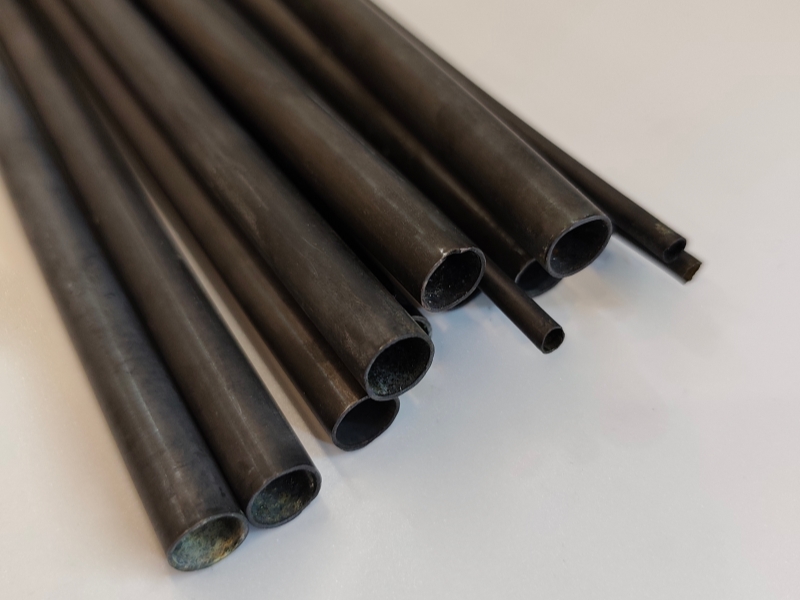
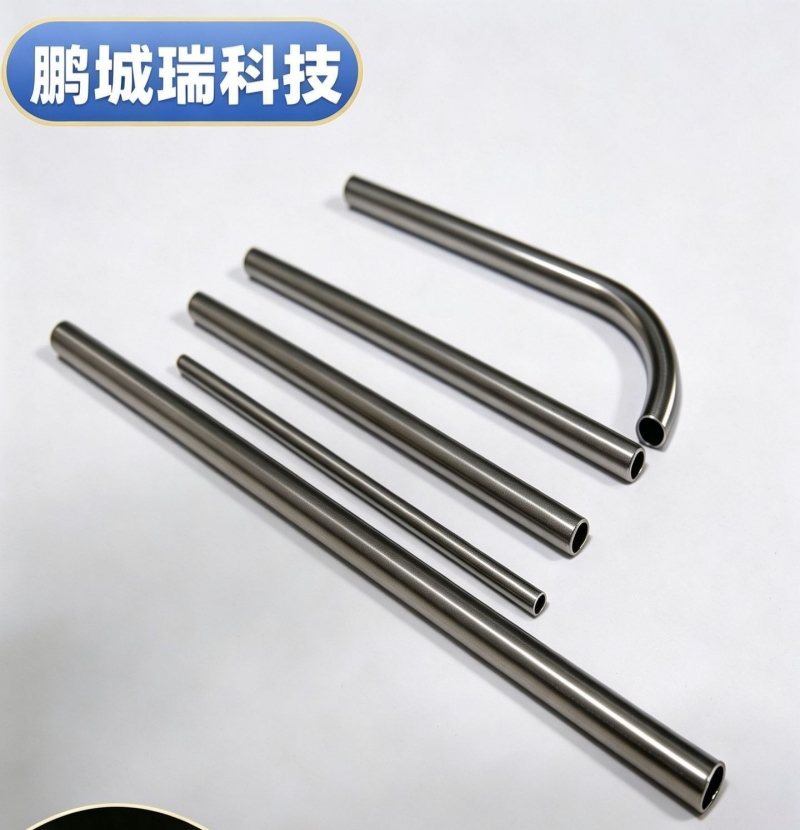
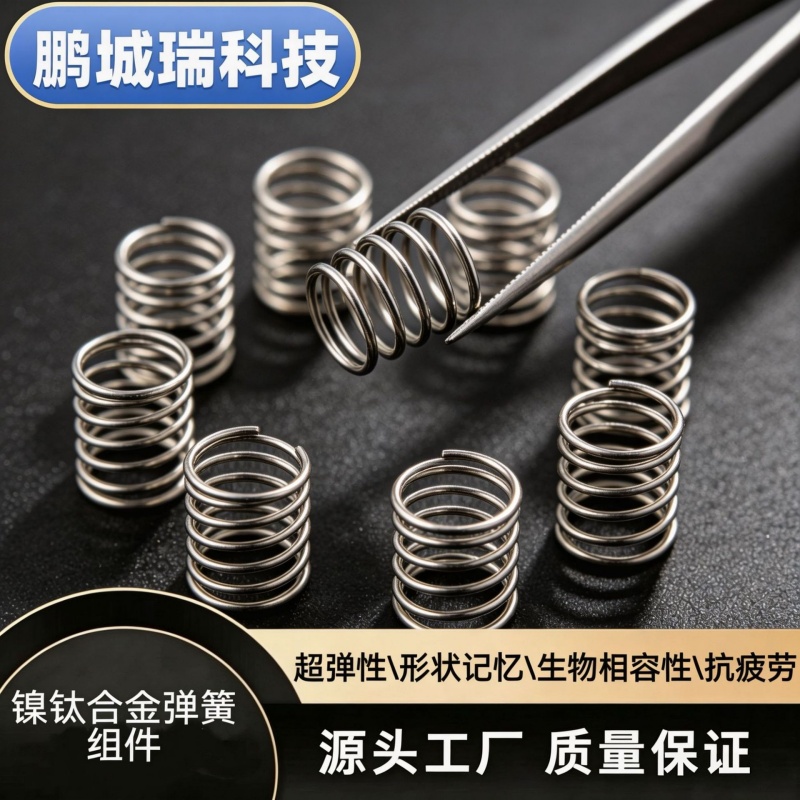
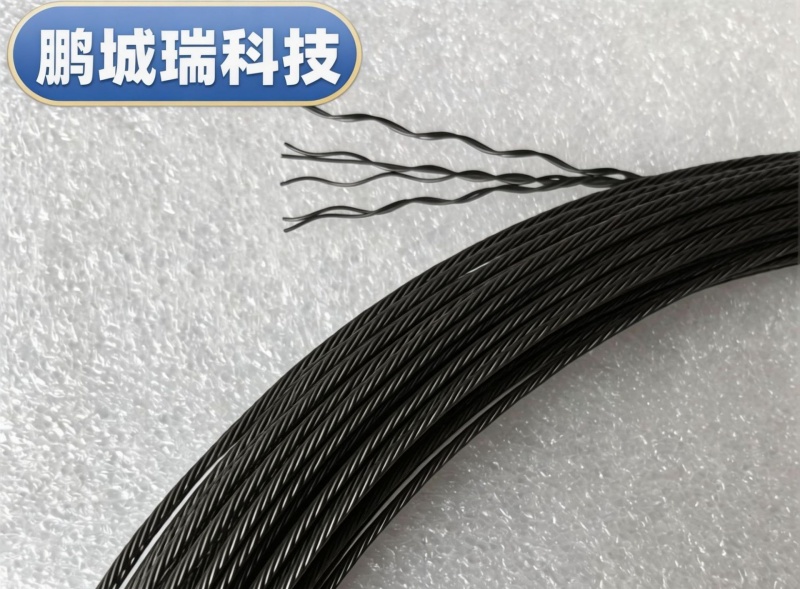
Pengchengrui Technology in Huizhou City focuses on the research and production of nickel titanium alloy guide wires. Relying on full chain processing technology, the products have outstanding super elasticity, resistance to bending and twisting, excellent biocompatibility, and are suitable for various minimally invasive interventional surgical needs. We can customize the diameter and head shape as needed, support small batch samples and large-scale delivery, strictly control product quality, and provide cost-effective nickel titanium guide wire matching services for medical device enterprises.
Nitinol
Seamless nickel titanium tube Nickel titanium fiber wire Nickel titanium plateApplication Area
Medical Industry New Energy Aerospace Machinery Manufacturing Marine Engineering Petrochemical IndustryContact Us
Contacts:Manager Wu +86 13632667260


 WeChat
 Call me
X