
 Chinese
 English
Service Hotline
+86 18948275773+86 13632667260



Nitinol springs are divided into shape memory type and hyperelastic type, with the biggest difference from ordinary springs: after forming, shape memory shaping heat treatment must be carried out to accurately control the phase transition temperature Af in order to obtain memory/hyperelastic performance. Complete process: mother alloy melting → wire preparation → spring winding forming → shape shaping heat treatment → post-treatment → performance testing.
1. Mother alloy melting (raw material preparation)
>The nickel atomic ratio is 50.5-51.2%, and the composition error must be ≤± 0.1at%, which directly determines the phase transition temperature. If the deviation is large, it will be scrapped directly.
Raw materials: high-purity sponge titanium ≥ 99.7%, electrolytic nickel ≥ 99.9%.
Smelting method: Vacuum induction melting VIM/vacuum arc remelting VAR, vacuum ≥ 1 × 10 ⁻ ³ Pa, 1-2 remelting to eliminate component segregation and obtain nickel titanium ingots.
Cooling of the ingot, removal of oxide scale and impurities, sampling with DSC+chemical composition testing.
2. Preparation of spring wire by plastic processing
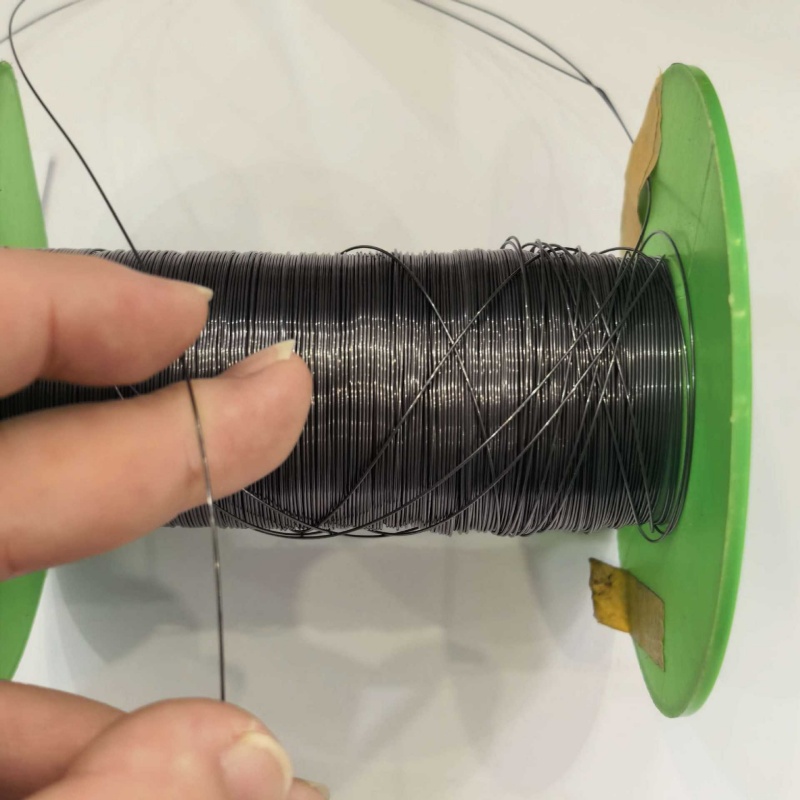
Nickel titanium has poor room temperature plasticity, and fine wires are prepared by hot processing, multiple cold drawing processes, and intermediate annealing (medical spring wires can be as thin as 0.1 mm).
Hot forging/hot rolling: The ingot is heated to 800-950 ° C (in the β phase region) and forged and rolled into a rod.
Multi pass cold drawing: Each pass has a deformation of 5-15%, with intermediate annealing at 700-850 ° C to eliminate work hardening, gradually pulling to the target wire diameter.
Solid solution treatment of finished silk: insulation at 900-1050 ℃, water quenching to obtain uniform structure; Detect the phase transition temperature, surface, and mechanical properties of silk materials.
> ⚠️ The surface of the silk material should not have cracks or scratches, as the spring is prone to fatigue fracture in the later stage.
3. Spring winding forming
Using a CNC spring winding machine, there are compression springs, tension springs, and torsion springs.
Cold winding forming: room temperature winding, strictly controlling pitch, spring diameter, and number of turns; Nickel titanium work hardening is very strong, and the tension parameters of winding equipment need to be specially adjusted.
Fixture fixation: After winding, tie/clamp the spring onto the rigid core shaft (mold) to prevent springback deformation during heat treatment, which is crucial for shape shaping.
Remove burrs, excess ends, and clean oil stains.
>Attention: Do not heat wrap; The winding process should not generate excessive temperature rise to avoid local phase transition.
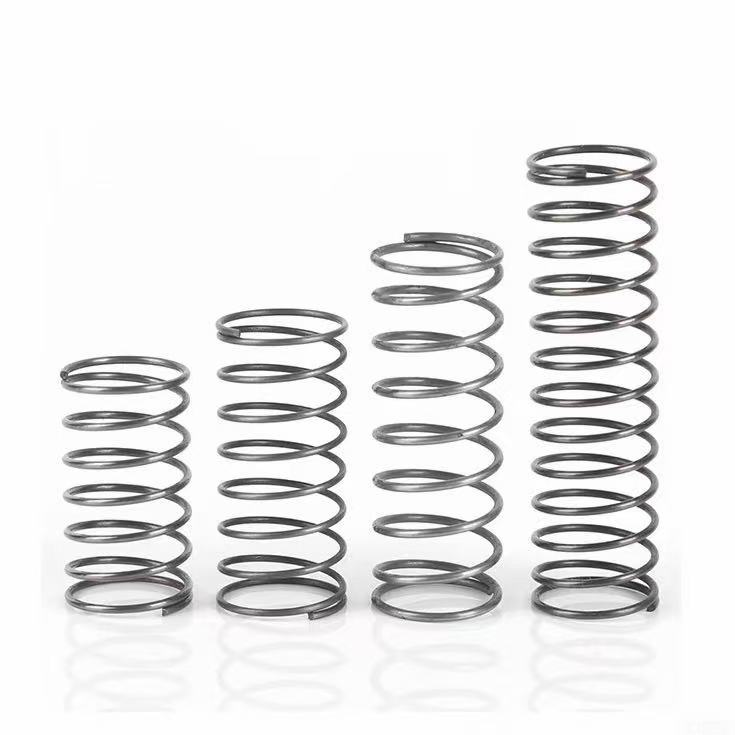
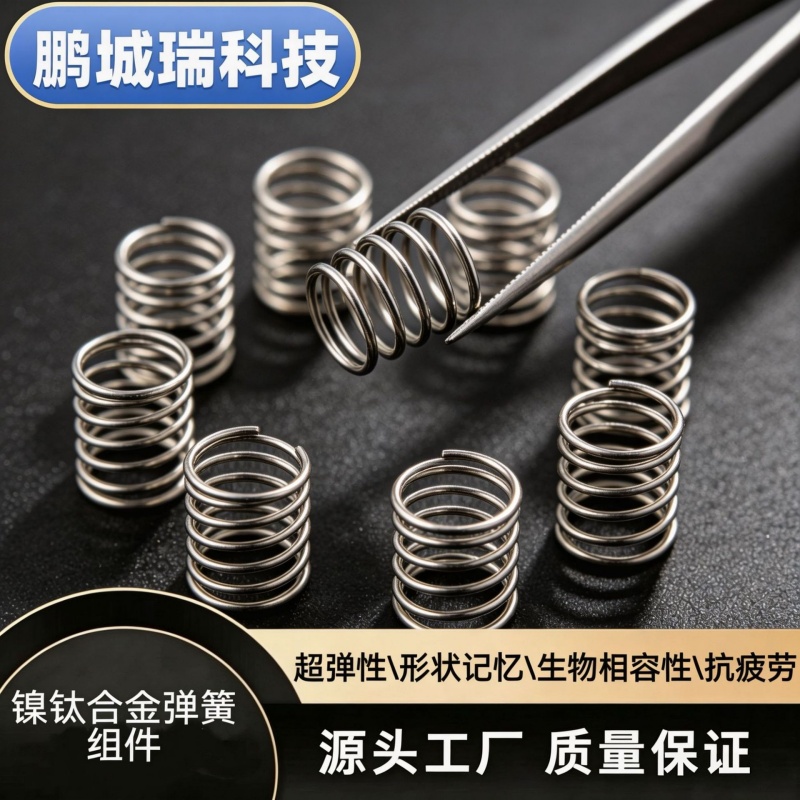
Nickel titanium alloy spring
4. Shape shaping heat treatment (core process)
Purpose: To "remember" the target geometric shape of the spring and regulate the phase transition temperature Af (austenite end temperature).
>Common process range: 400-500 ℃, insulation for 10-60 minutes, vacuum/inert atmosphere to prevent oxidation; Small wire diameter has a short insulation time, while coarse wire has a long insulation time.
Two mainstream operations
Salt bath shaping: uniform temperature, suitable for micro medical springs; After shaping, ice water quickly cools down.
Vacuum furnace shaping: less oxidation, suitable for large-sized springs in industry, air cooling or rapid cooling.
-Memory spring: direct setting of memory shape through heat treatment for shaping; After low-temperature deformation, heat above Af to restore the shape on the mold.
-Super elastic spring: After shaping, it obtains room temperature super elasticity, repeatedly undergoes large deformation rebound, and does not require heating to trigger.
-The Af of medical products (orthodontic springs, interventional devices) is usually controlled at around 37 ℃; Industrial actuators can be customized as needed at temperatures ranging from 40 to 80 ° C.
>Parameter example: φ 0.2mm orthodontic nickel titanium spring: 450 ℃, 30min, salt bath, ice water quenching.
> ⚠️ Af will drift significantly for every tens of degrees Celsius increase in temperature; If the insulation time is too long, Ti ₂ Ni brittle phase will precipitate, and the fatigue life will decrease.
5. Post processing procedure
Demolding: Remove the spring from the core shaft.
Surface treatment
-Ordinary industrial parts: acid pickling, chemical descaling, ultrasonic cleaning.
-Medical grade springs: Electrochemical polishing (electropolishing) removes surface defects, enhances fatigue resistance, corrosion resistance, and biocompatibility.
Cut and trim the ends; Medical products also need to be degreased and sterilized.
Stabilization training: Some actuator springs undergo multiple thermal force cycles to eliminate initial residual deformation and stabilize output force.
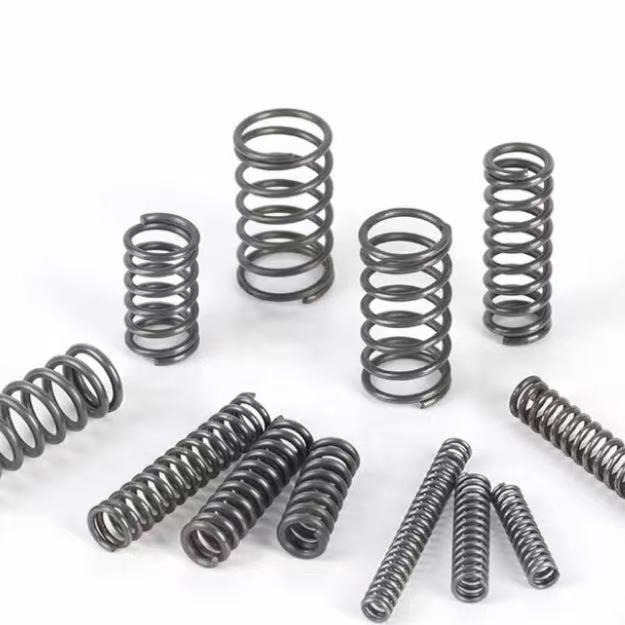
Nickel titanium alloy spring
6. Testing (full process quality control)
DSC differential scanning: Test the phase transition temperatures Af, As, Ms, and Mf.
Size inspection: outer diameter, inner diameter, pitch, and free length of the spring.
Mechanics: tension/compression recovery curve, recovery strain, output force.
Fatigue testing: Repeat the cycle to assess the fracture life.
Medical components: biocompatibility and corrosion testing, meeting ISO13485 standards.
Special process for bidirectional memory nickel titanium spring
Ordinary stereotypes only have unidirectional memory; Bidirectional memory requires additional thermo mechanical training: repeatedly loading and unloading in the martensite austenite region dozens of times, allowing the material to remember both high and low temperature shapes simultaneously. It is commonly used in temperature controlled actuators.
Technological difficulties
Small fluctuations in composition can cause phase transition temperature drift;
Improper winding tension, uneven internal stress of the spring, and poor fatigue life;
The heat treatment temperature and insulation time window are narrow, and if the parameters are slightly wrong, the performance will completely change;
Fine wire (<0.3mm) springs have extremely high difficulty in forming, heat treatment, and polishing.
The biggest difference from ordinary steel spring technology
Ordinary spring: wound spring → stress relief tempering;
Nickel titanium spring: The wound spring must be fixed on the mold for shape memory shaping heat treatment, not simply stress relief tempering. Heat treatment directly defines the function.
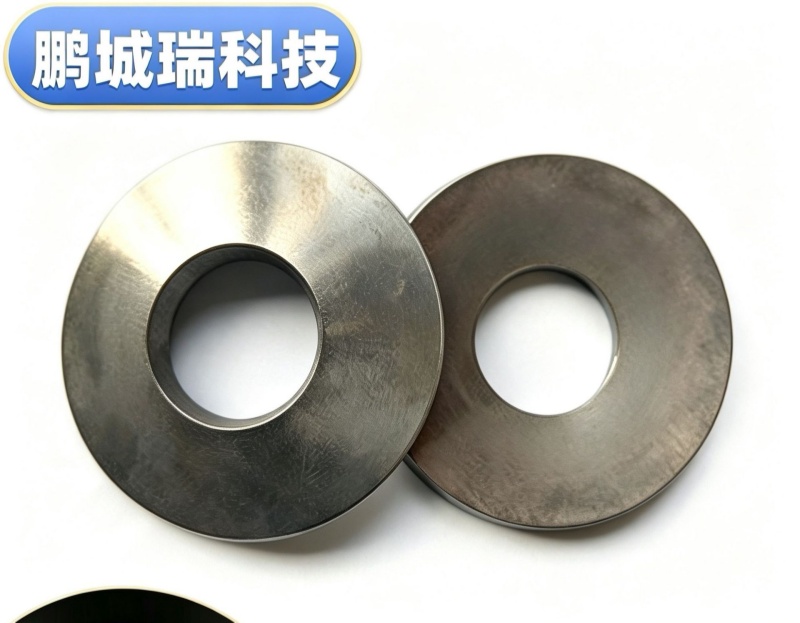
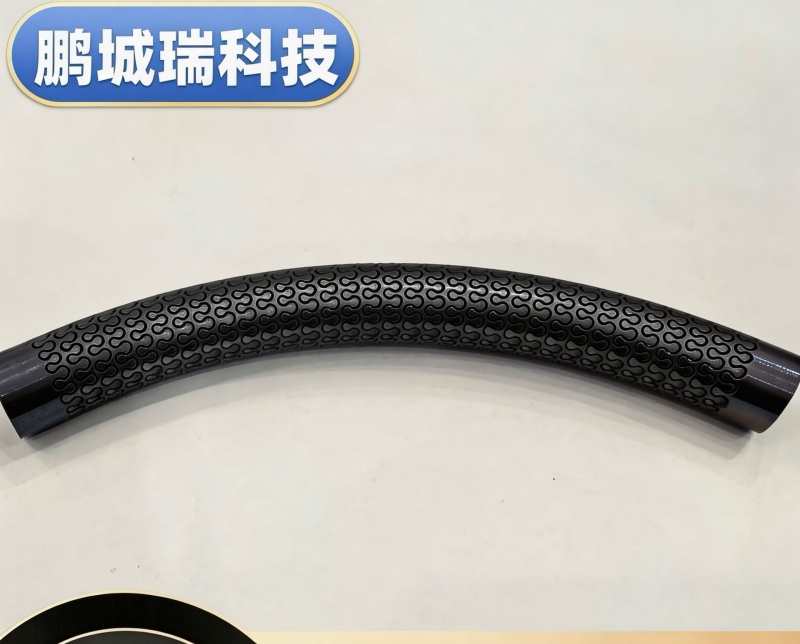
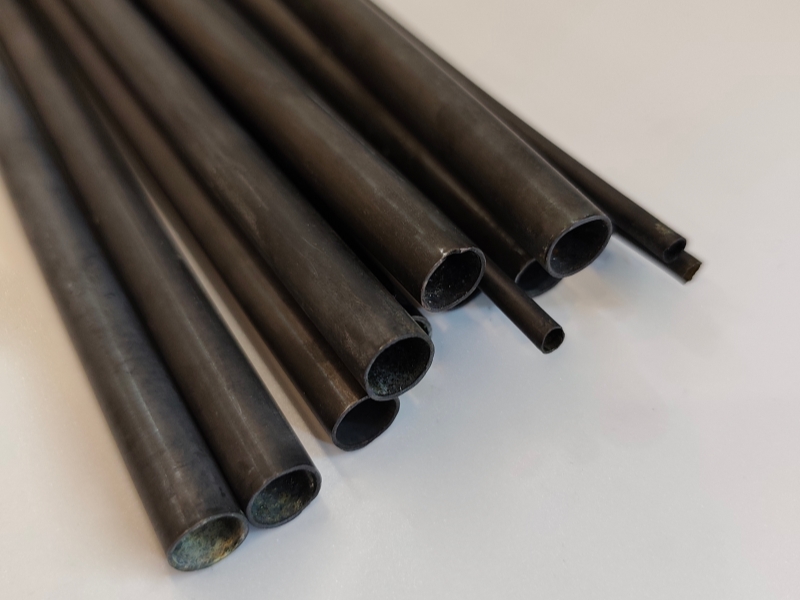
Pengchengrui Technology in Huizhou City specializes in supplying nickel titanium alloy springs. Relying on the full industry chain process, the phase transition temperature is precisely controlled, and the products have excellent shape memory and superelastic performance, as well as corrosion and fatigue resistance. We can customize various specifications for compression, stretching, and twisting, suitable for medical devices, aerospace, new energy, automation equipment, and other scenarios. We support customized designs and strictly control size and mechanical performance, providing reliable and intelligent elastic component solutions for high-end equipment.
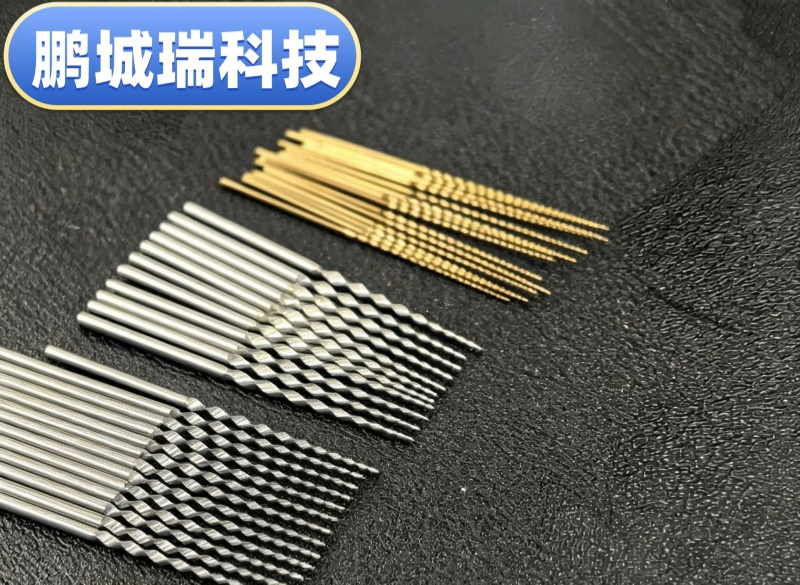
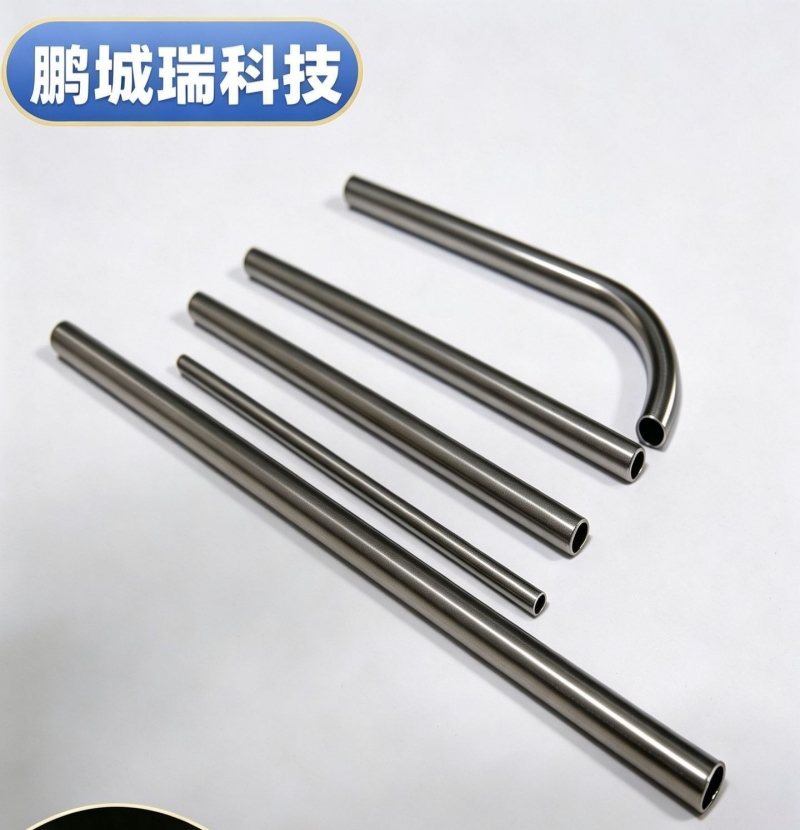
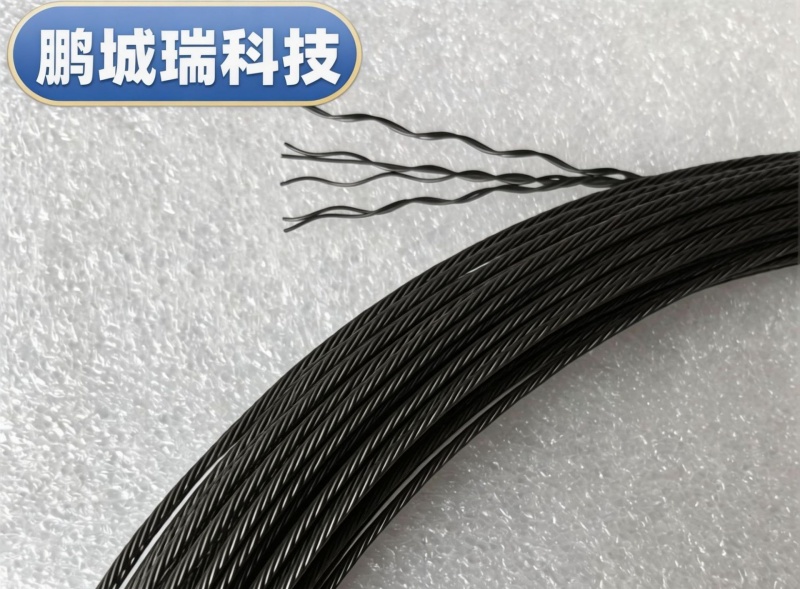
Nitinol
Seamless nickel titanium tube Nickel titanium fiber wire Nickel titanium plateApplication Area
Medical Industry New Energy Aerospace Machinery Manufacturing Marine Engineering Petrochemical IndustryContact Us
Contacts:Manager Wu +86 13632667260


 WeChat
 Call me
X