
 Chinese
 English
Service Hotline
+86 18948275773+86 13632667260



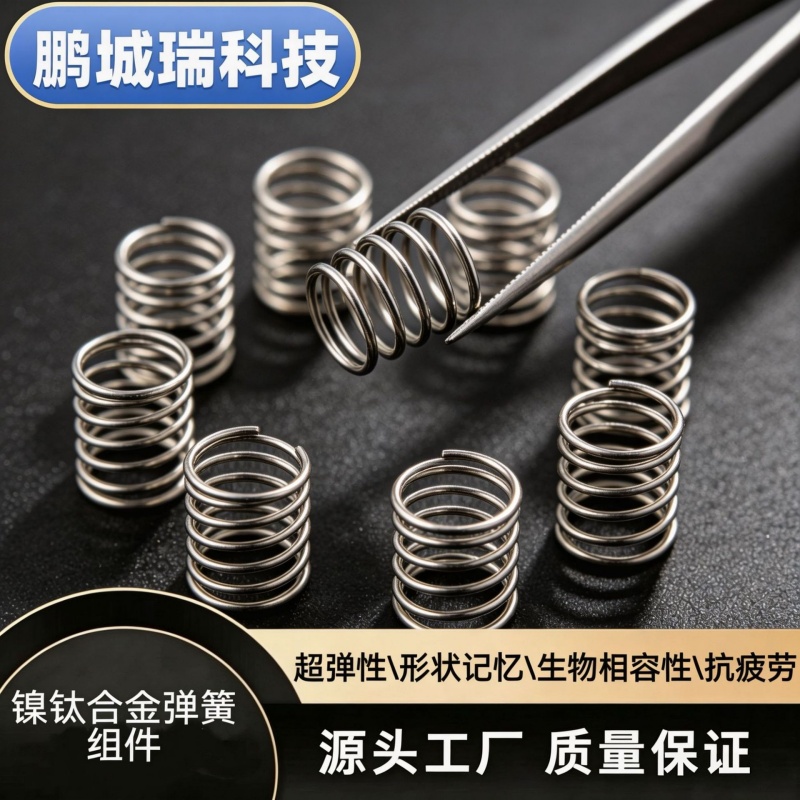
Nickel titanium alloy spring components can be divided into four categories based on their structure, function, and application: basic coil springs, functional memory springs, medical specific components, and customized shaped components. The core relies on superelasticity and shape memory effects.
1、 Basic spiral spring (universal structure)
Compression spring: mainly cylindrical spiral, most commonly used in medical/industrial applications; Compression contraction, decompression rebound, such as vascular stents and orthodontic push springs.
Stretch spring: With hooks/loops at both ends, it can be stretched under tension, pulled back and retracted, such as orthodontic tension springs and micro tension components.
Torsion spring: capable of withstanding torque and restoring angular deformation, such as orthodontic torque springs and micro hinge reset components.
Cone/variable stiffness spring: Nonlinear force value, suitable for space limited or variable load scenarios, such as precision instrument buffering.
2、 Functional memory spring (temperature driven)
One way memory spring: low-temperature deformation, high-temperature (such as body temperature) restoration of preset shape; Manual reset is required, such as disposable brackets and temperature control valves.
Dual way memory spring: cold and hot bi-directional deformation, no need for external force reset; Used for automatic actuators and satellite deployment mechanisms.
Super elastic spring: Rebound with large deformation (8% -10%) at room temperature and stable force value; Orthodontic archwire and core components of minimally invasive instruments.
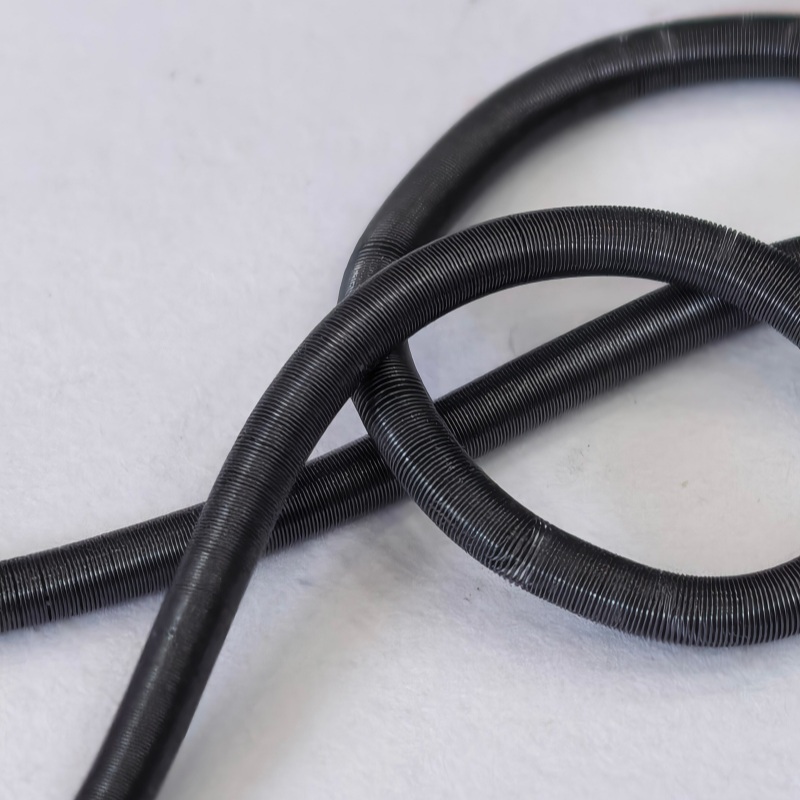
Nickel titanium alloy spring components
3、 Medical specific components (high biocompatibility)
Orthodontic spring components: tension spring (closed seam), push spring (arch expansion), torque spring (root control), T-shaped spring; Such as CS series tension springs and OS series push springs.
Vascular stent spring: made of fine wire winding, low-temperature compression, and body temperature expansion; Such as coronary stents and peripheral vascular stents.
Endoscopic/minimally invasive components: biopsy forceps spring, hemostatic clip, guide wire spring; Resistant to bending, good rebound, and low corrosion.
Orthopedic fixation springs: fracture fixation nails/plates, spinal correction springs; Biocompatibility, low stress shielding.
4、 Alien and customized components (special scenarios)
Flat spiral spring (spring): thin strip winding, small space, large torque; Such as micro motors and precision timing.
Micro/ultra-fine springs: wire diameter 0.05-0.3mm; electronic devices, hearing aids, implantable sensors.
Bistable spring: two stable forms, temperature/electric trigger switching; Such as switches and locking mechanisms.
Composite component: spring+bracket/guide wire/sheath integrated; Such as catheter sheaths and interventional delivery systems.
Key points of core parameters
Wire diameter: 0.05-2.0mm (medical use usually 0.1-0.5mm).
Phase transition temperature Af: Medical ≈ 37 ℃ (body temperature response), industrial -10 ℃ to 60 ℃ customized.
Surface treatment: Medical electrolytic polishing/passivation to enhance biocompatibility and corrosion resistance.
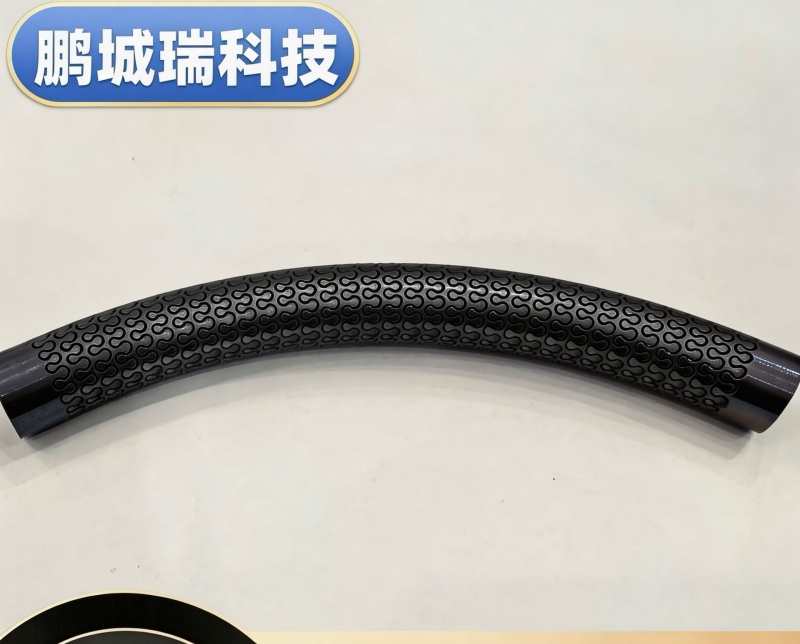
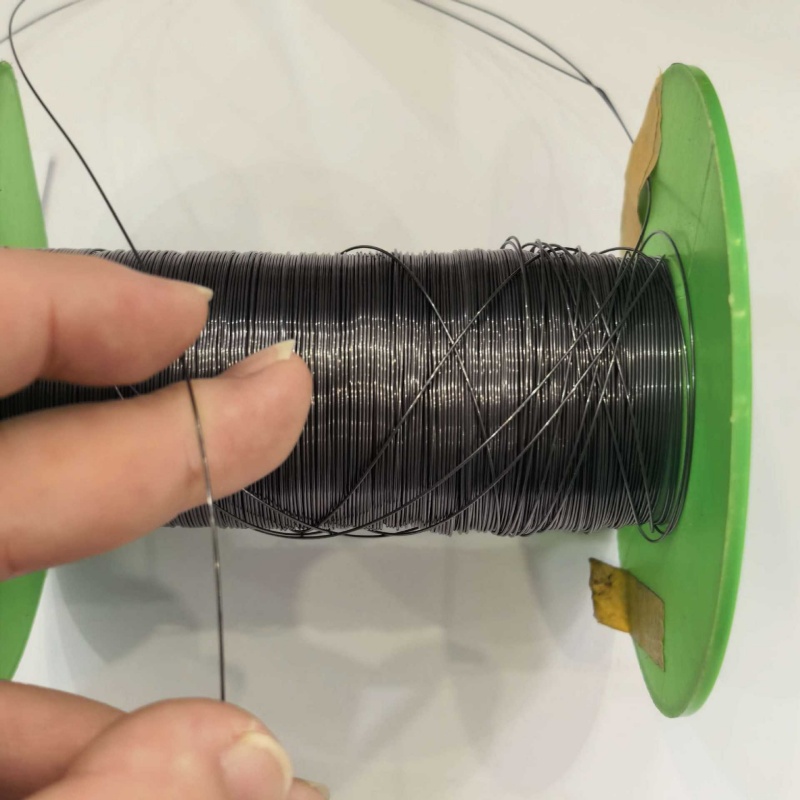
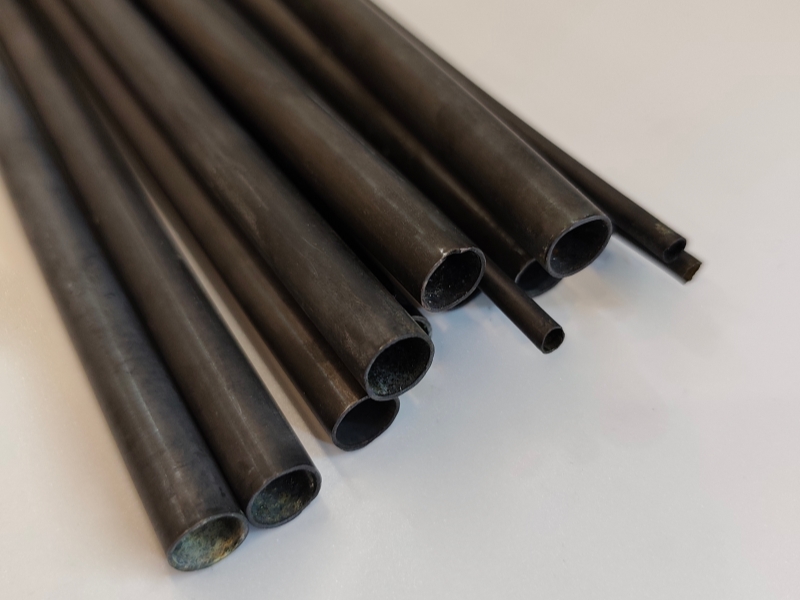
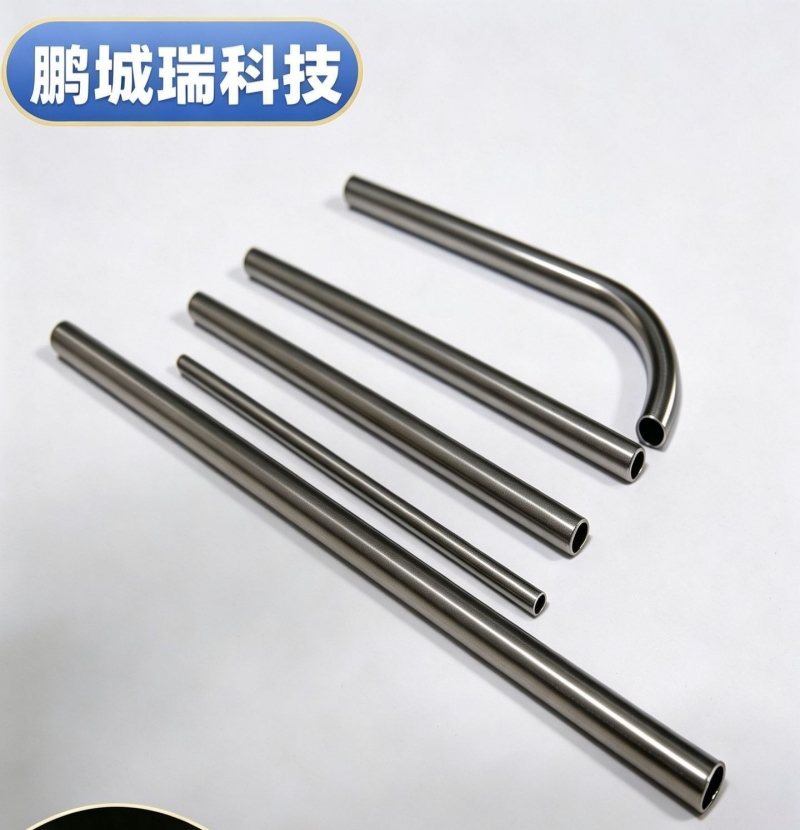
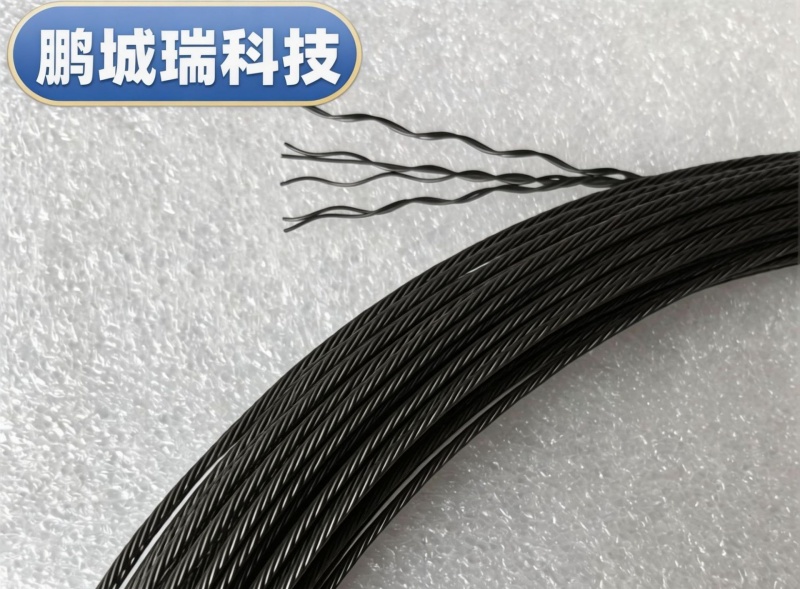
Huizhou Pengchengrui specializes in nickel titanium high-temperature alloys (such as nickel titanium copper high-temperature alloys) and nickel titanium room temperature alloys. It is a supplier of nickel titanium alloy materials and wire tubes, and its nickel titanium alloy spring components are widely used in four major sectors: medical, industrial, aerospace, and daily/precision electronics.
Nitinol
Seamless nickel titanium tube Nickel titanium fiber wire Nickel titanium plateApplication Area
Medical Industry New Energy Aerospace Machinery Manufacturing Marine Engineering Petrochemical IndustryContact Us
Contacts:Manager Wu +86 13632667260


 WeChat
 Call me
X