
 Chinese
 English
Service Hotline
+86 18948275773+86 13632667260



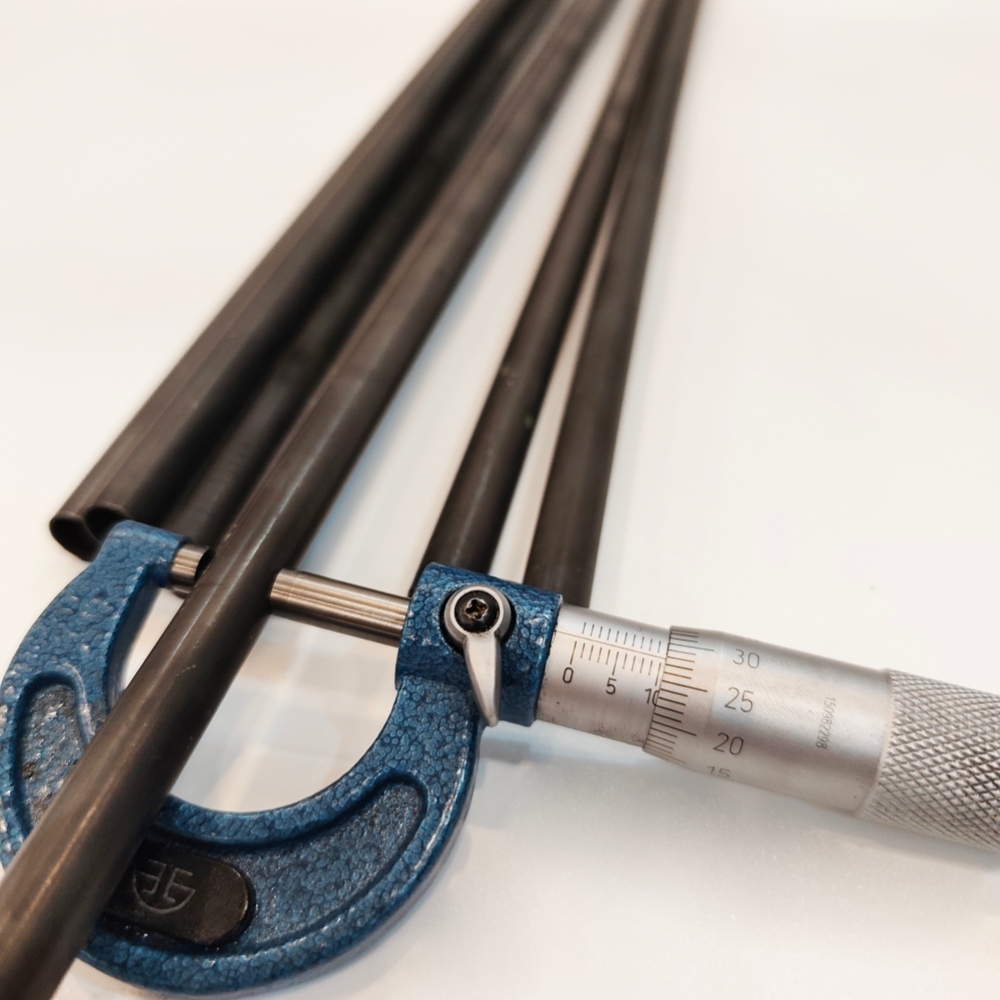
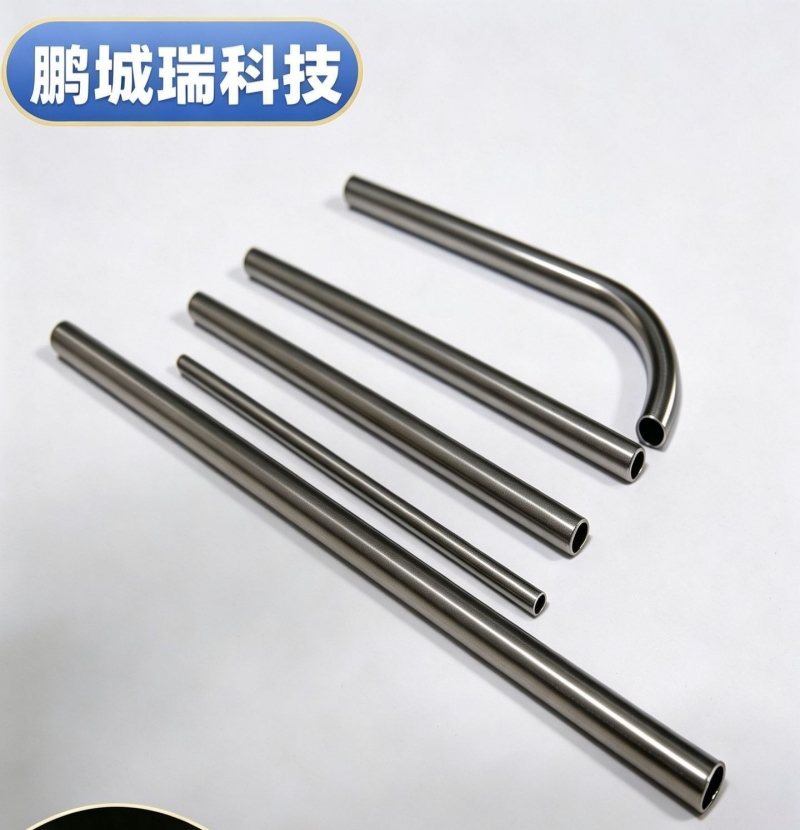
Nickel titanium memory alloy tubes, with their shape memory effect, superelasticity, corrosion resistance, high damping, and temperature sensitive phase transition characteristics, are mainly used in five directions of efficient thermal management, intelligent temperature control, structural safety and lightweight, elastic thermal cooling, and thermoelectric power generation in the field of new energy. They are key intelligent materials for achieving high efficiency, stability, safety, and low-carbon in new energy systems.
1、 New energy vehicles
(1)Battery thermal management and temperature control protection
Intelligent temperature control pipeline/valve
Nickel titanium alloy tubes can be used as heat triggered temperature control valves and flow regulating valves, without the need for electronic sensors and drivers
Low temperature (<0 ℃): shrink and close, reduce heat dissipation, and cooperate with PTC to quickly heat the battery
Room temperature (25-40 ℃): Maintain the opening and maintain liquid cooling circulation
High temperature (>55 ℃): memory effect expansion, fully open high flow heat dissipation
Thermal runaway (>80 ℃): severe deformation/expansion, automatic sealing of cooling channels, blocking thermal spread
Advantages: Passive, fast response, zero faults, long lifespan (>1 million cycles), lightweight
Thermal buffering/protective structure of battery pack
Thin walled nickel titanium tube embedded in battery pack shell/water-cooled plate:
Super elastic energy absorption: anti vibration, anti impact, anti puncture
Thermal deformation control: High temperature expansion fills gaps and suppresses thermal runaway diffusion
High damping: attenuates driving vibrations and protects battery cells
(2)Electric drive/electronic thermal management
Adaptive cooling pipeline for motor/inverter
When the temperature rises, the diameter/flow channel automatically increases, and with the flow regulation of heat, the cooling efficiency is improved
Intelligent thermal switch/thermal connector
Low temperature disconnection (insulation), high temperature conduction (heat dissipation), passive intelligent temperature control
2、 Hydrogen/fuel cell
Hydrogen delivery/filling pipeline
Super elastic seal: anti brittle and high rebound seal at low temperatures (-40~-253 ℃)
Shape memory connector: cold expansion sleeve joint, automatic tightening seal at room temperature/temperature rise, zero leakage, anti vibration
Corrosion resistance: resistant to hydrogen embrittlement and hydrogen sulfide, suitable for high-pressure (70MPa) hydrogen environment
Thermal Management of Fuel Cells (PEMFC)
Bipolar plate/channel: Thin walled nickel titanium tube lightweight, high thermal conductivity, adaptive compensation for thermal expansion and contraction
Thermostatic valve/humidifier actuator: Passive temperature control, stable battery operating temperature (60-80 ℃)
3、 Solar/Thermal Power Generation
(1)Solar energy collection/storage system
Collecting tube/heat absorber
Nickel titanium tube as heat absorbing substrate:
Low thermal expansion (≈ 9 × 10 ⁻⁶/K), resistant to thermal fatigue and deformation
Phase change temperature control: Optimizing flow channels/heat transfer through high-temperature micro deformation to improve heat collection efficiency
Corrosion resistance/weather resistance: Long lifespan in desert, coastal, and high-temperature environments
Phase change thermal storage device
Nickel titanium tube enhanced heat transfer+structural support:
Adaptive deformation enhances heat transfer during the charging and discharging of heat storage media (molten salt/paraffin)
Super elastic resistance to thermal expansion and contraction stress, crack prevention, and extended lifespan
(2)Photovoltaic (PV) heat dissipation
Photovoltaic panel heat pipe/uniform temperature plate
Nickel titanium tube loop heat pipe:
Self expanding/adaptive structure: automatically expands the heat dissipation surface when the temperature rises
Efficient thermal conductivity (≈ 18W/m · K), reducing photovoltaic temperature and improving power generation efficiency
4、 Wind power (onshore/offshore)
Blade/tower damping damper
Nickel titanium alloy tube with high damping and super elasticity:
Absorb wind-induced vibrations and wave impacts, reduce fatigue damage, and extend lifespan
Passive adaptive: stiffness/damping automatically increases during strong wind and vibration, stabilizing blades
Transmission system temperature control/sealing
Temperature controlled lubrication pipeline: When the temperature rises, the flow rate automatically increases to protect the gearbox
Main shaft seal: super elastic, wear-resistant, anti-aging, long-term seal in high humidity and salt environment at sea
5、 New Green Refrigeration (Elastic Heat/Elastic Heat Refrigeration, Zero Carbon)
Hong Kong University of Science and Technology (2025, Nature) kilowatt level thermal refrigeration unit:
Core: Thin walled nickel titanium memory alloy tube array
Principle:
(1)Compression: Nickel titanium tube austenite → martensite heat release (heat dissipation)
(2)Release: Martensite → Austenite absorbs heat (cooling)
Performance:
Cooling power: 1284W (kilowatt level)
Specific power: 12.3W/g
Zero refrigerant, zero emissions, high efficiency, and quietness
New energy scenario:
Green cooling for data centers
Zero carbon air conditioning for new energy vehicles
Temperature control for photovoltaic/energy storage power plants
Outdoor/Off grid New Energy System Independent Refrigeration
6、 Energy storage (battery/flywheel/compressed air)
(1)Lithium battery/solid-state battery
Electrode/current collector
Nickel titanium tube/porous structure:
Shape memory effect: adaptive buffering during charging and discharging volume expansion, preventing electrode powdering and extending cycle life
High conductivity, high elasticity, and corrosion resistance
Battery pack thermal control
Intelligent fuse/current limiting tube: overheat deformation cut-off circuit, passive protection
(2)Compressed Air Energy Storage (CAES)
High pressure gas storage/heat exchange pipeline
Super elasticity: high pressure (10~30MPa) fatigue resistance, reliable sealing
Temperature adaptive: deformation optimization of flow channels during compression heat release/expansion heat absorption
7、 Temperature difference power generation (low-grade thermal energy utilization)
Nickel titanium tube temperature difference driver
Alternating cold/hot water causes the nickel titanium tube to bend → straighten and circulate, driving the generator:
Heat sources: industrial waste heat, geothermal energy, hot springs, solar hot water
Advantages: Simple structure, passive, low-grade thermal efficient power generation
Core advantages of nickel titanium memory alloy tubes in new energy
1. Passive intelligence: No need for electricity/sensors, temperature/stress triggering, high reliability, zero faults
2. Lightweight: Density ≈ 6.45g/cm ³, 40% lighter than steel, improving range/efficiency
3. Super elasticity: can fully recover from deformation of 10-20%, resistant to vibration, impact, and fatigue
4. Wide temperature adaptation: phase change temperature adjustable from -50~100 ℃, covering the entire temperature range of new energy
5. Corrosion resistance: resistant to hydrogen, seawater, acid and alkali, with a long lifespan in offshore/chemical/hydrogen energy environments
6. Long lifespan:>10 million cycles without failure, far higher than traditional metal/plastic
Nickel titanium memory alloy tube is the "intelligent muscle and temperature control nerve" of new energy systems, especially in the five directions of thermal management of new energy vehicles, safe transmission of hydrogen energy, efficient collection of solar energy, wind power vibration reduction, and zero carbon bomb thermal cooling, with outstanding value. With the maturity of 4D printing, thin-walled precision forming, and surface modification technologies, their application in the field of new energy will rapidly become popular and become a key material for the next generation of efficient, safe, and low-carbon energy systems.
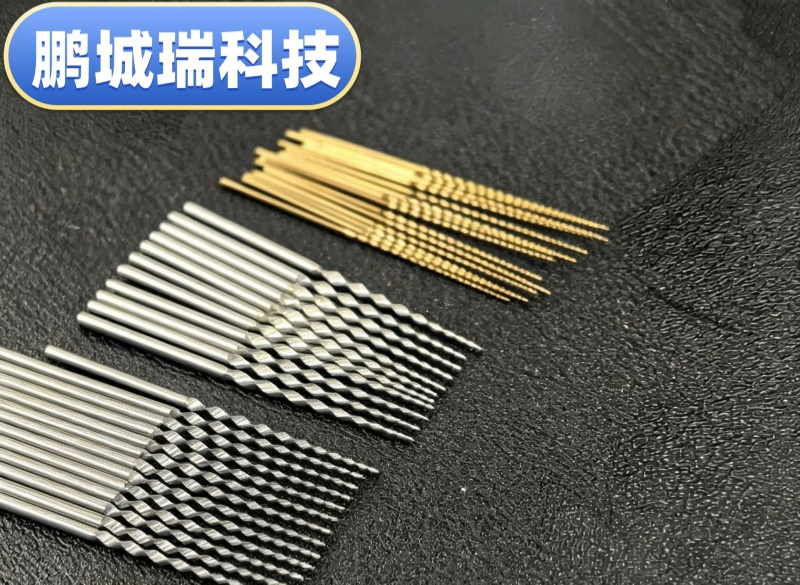
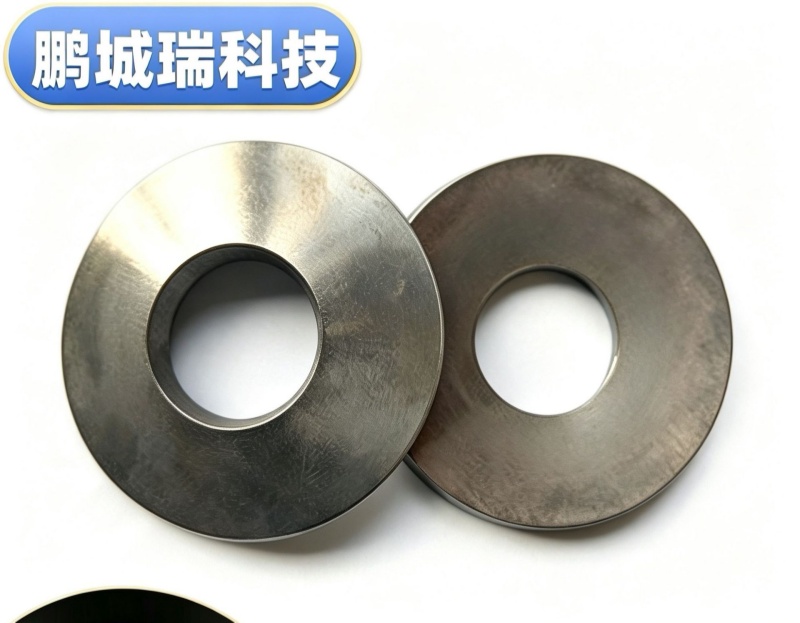
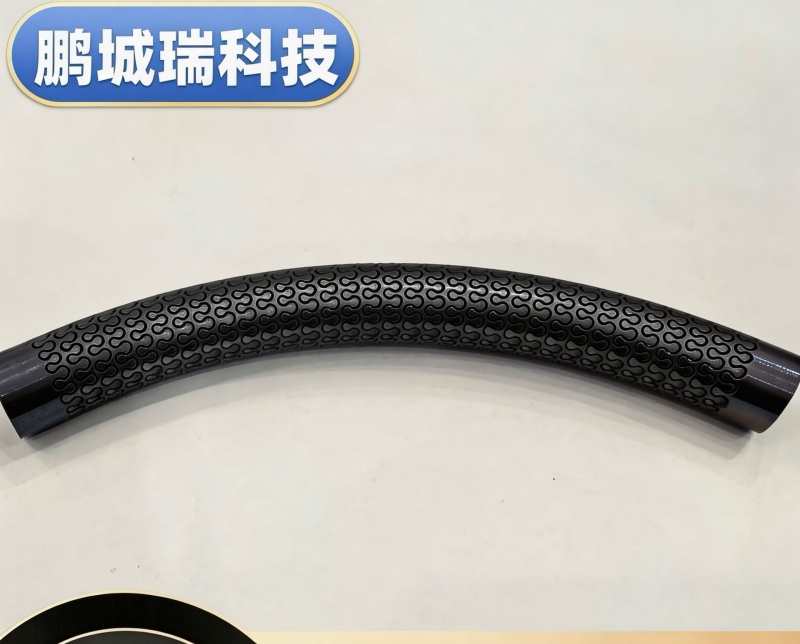
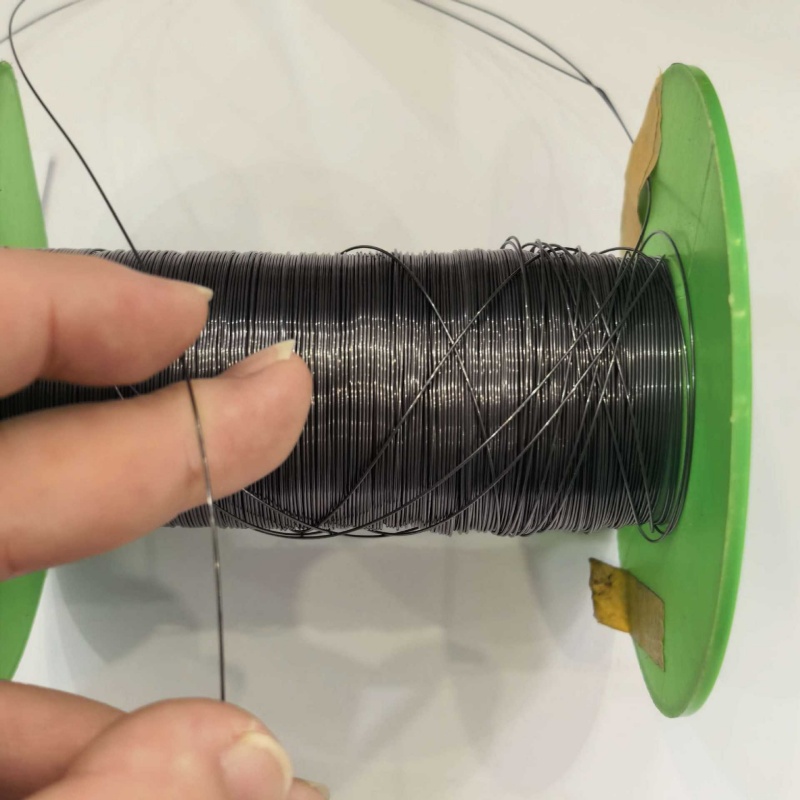
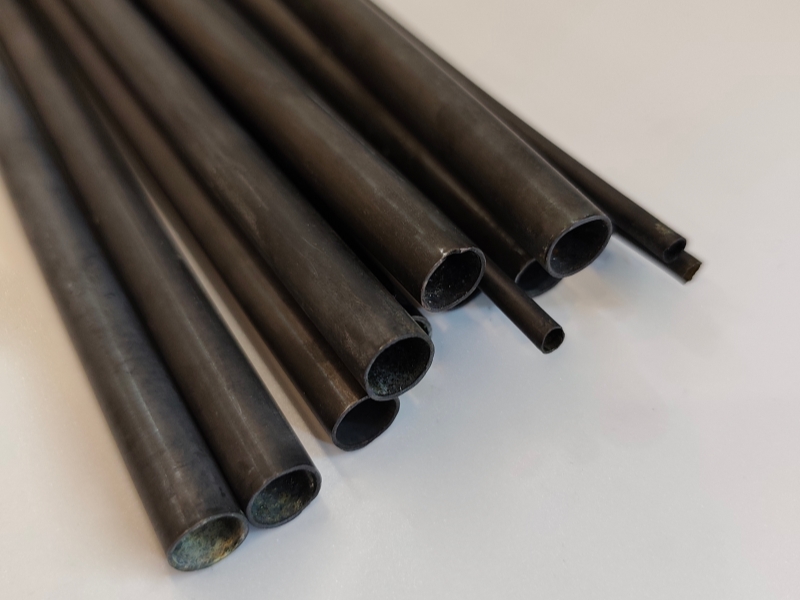
Nitinol
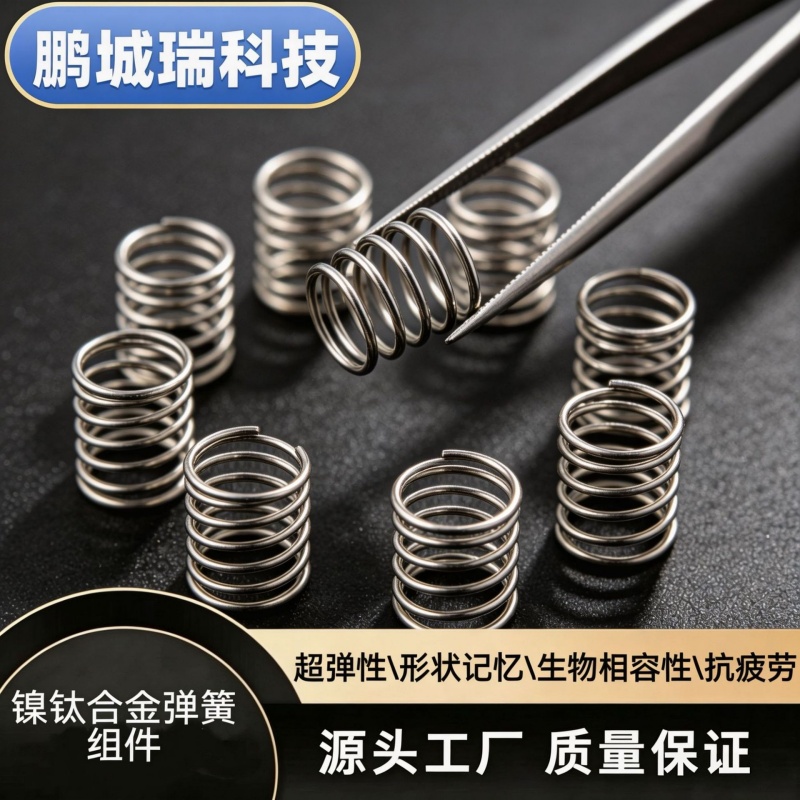
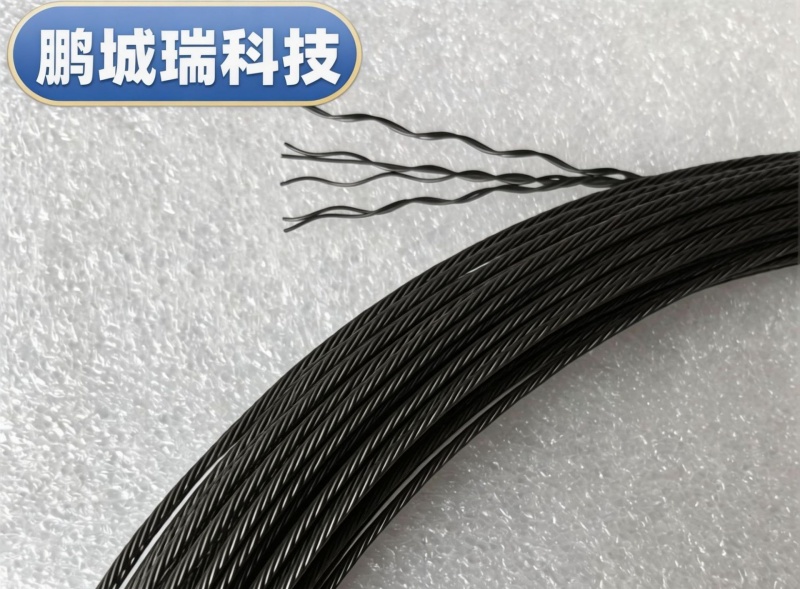
Seamless nickel titanium tube Nickel titanium fiber wire Nickel titanium plateApplication Area
Medical Industry New Energy Aerospace Machinery Manufacturing Marine Engineering Petrochemical IndustryContact Us
Contacts:Manager Wu +86 13632667260


 WeChat
 Call me
X