
 Chinese
 English
Service Hotline
+86 18948275773+86 13632667260


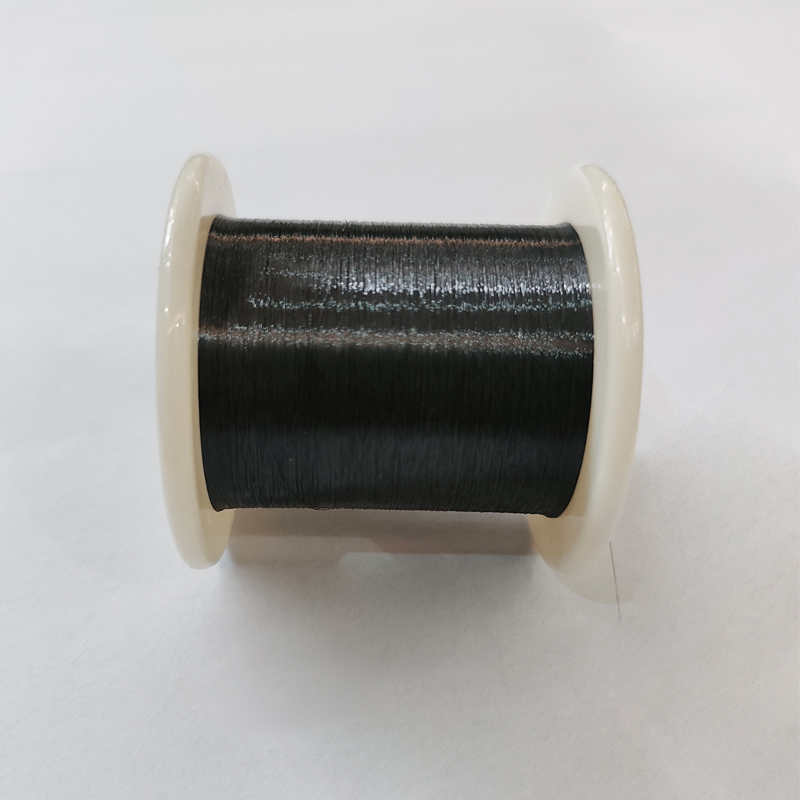
Nickel-titanium alloy fiber is a type of smart metal fiber primarily composed of nickel and titanium, belonging to the category of shape memory alloy materials. Leveraging its unique shape memory effect and superelasticity, it plays an irreplaceable role in multiple fields. The following provides a detailed introduction:
1. Core Performance
Shape Memory Effect:This is its most notable characteristic. Under low temperature or high stress conditions, its crystal structure undergoes a transformation, resulting in significant plastic deformation and maintaining the deformed shape; however, when the temperature rises to a specific austenite transformation temperature, or when external stress disappears, it reverts to its predetermined original shape, and the temperature range for this phase transformation can be adjusted between -50°C and 100°C.
Superelasticity: When operating above the austenite transformation temperature, external stress can induce reversible crystal structure transformation, allowing it to fully recover its original shape even after up to 8% deformation upon stress unloading. It also exhibits a platform stress range of 200 - 600MPa and an exceptionally high fatigue life, significantly surpassing the elastic limit of traditional metals.
Biocompatibility: It exhibits minimal irritation to human tissues and does not trigger severe rejection reactions. This characteristic provides an important prerequisite for its application in the medical field, and the product can meet relevant quality standards for medical devices.
2. Main application areas
Medical field: It is one of the most mature application areas. For example, the arch wire in dental orthodontic appliances can provide continuous and gentle corrective force to teeth with its superelasticity; there are also vascular stents, which can be compressed and delivered to a designated position in the blood vessel, and then recover to their preset shape by relying on body temperature, thereby supporting the vascular wall. In addition, it can also be used as a fiber substrate for solid-phase microextraction, for the enrichment and determination of polycyclic aromatic hydrocarbons in environmental water samples.
Textile field: It can be processed into a spiral spring shape and fixed within clothing fabrics to make burn-resistant clothing. When exposed to high temperatures, the fibers will change from a flat shape to a pagoda-like shape, forming a cavity to block high temperatures. It can also be used to make smart curtain fabric that automatically opens and closes according to changes in environmental temperature, regulating indoor temperature and lighting.
Aerospace field: It can be used to manufacture the solar panel deployment mechanism on spacecraft. Under specific temperature conditions in space, it relies on the shape memory effect to achieve precise deployment and reset of components, ensuring the normal operation of spacecraft-related equipment.
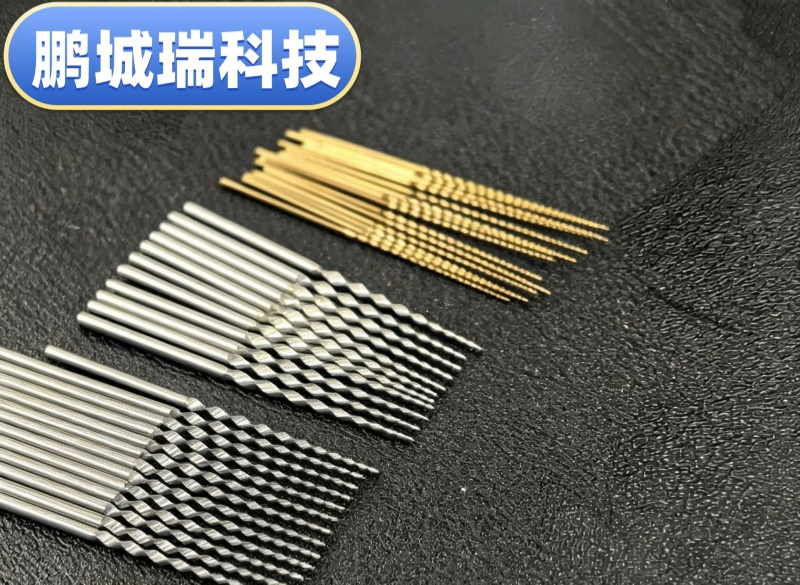
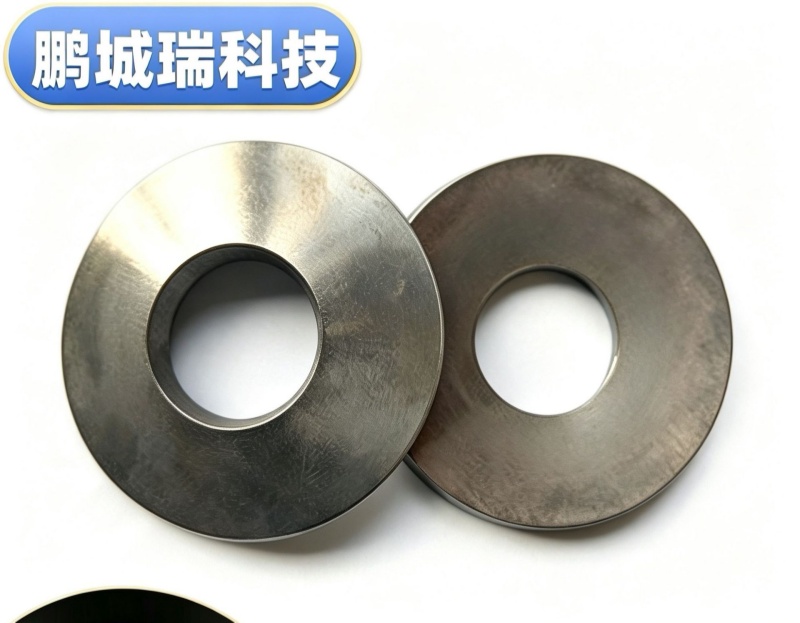
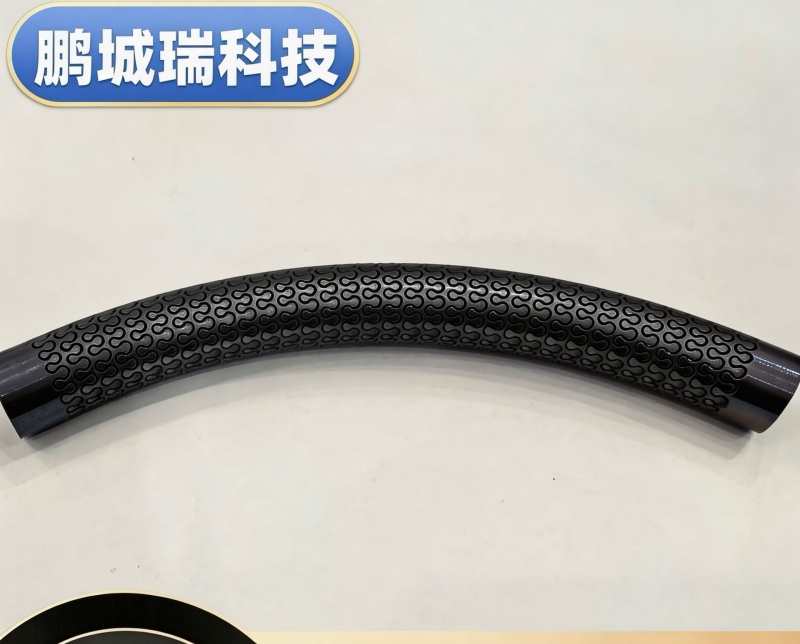
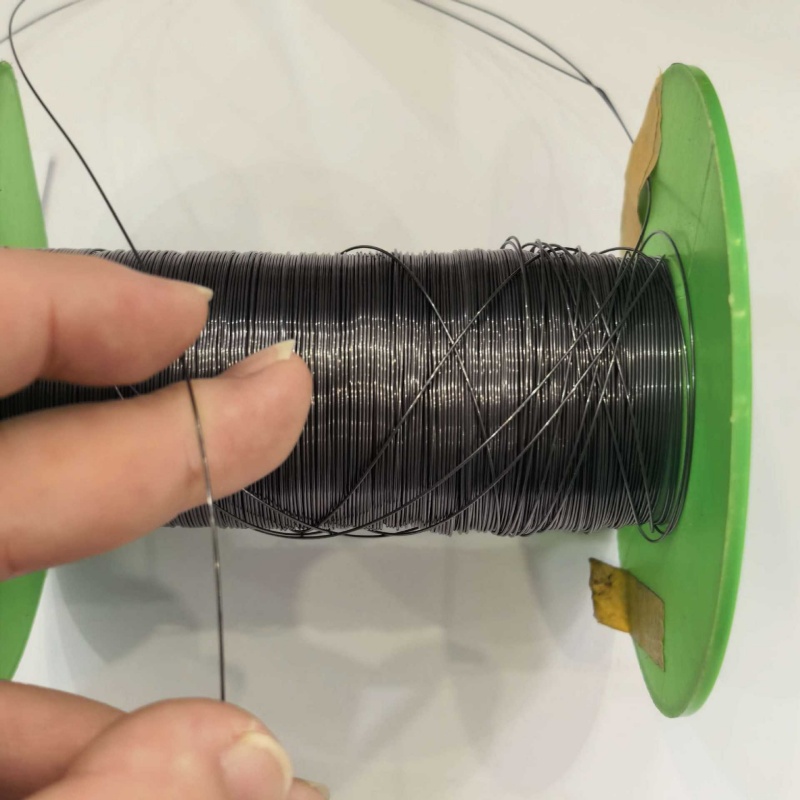
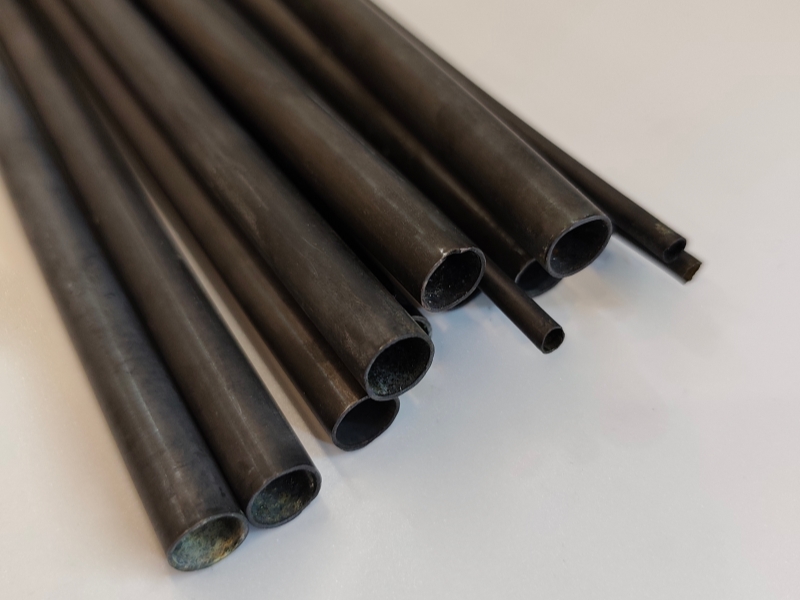
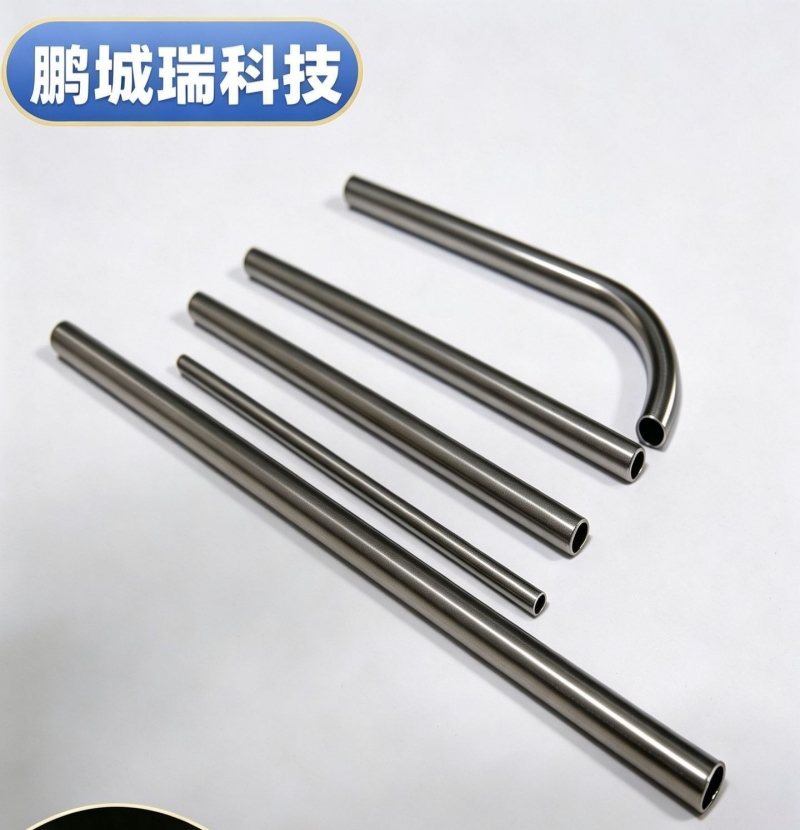
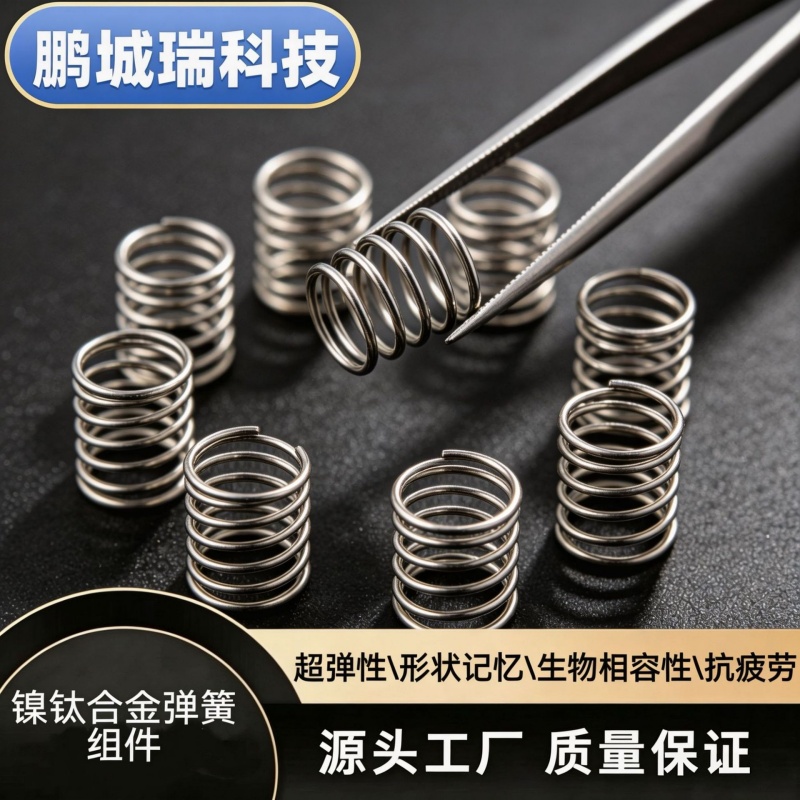
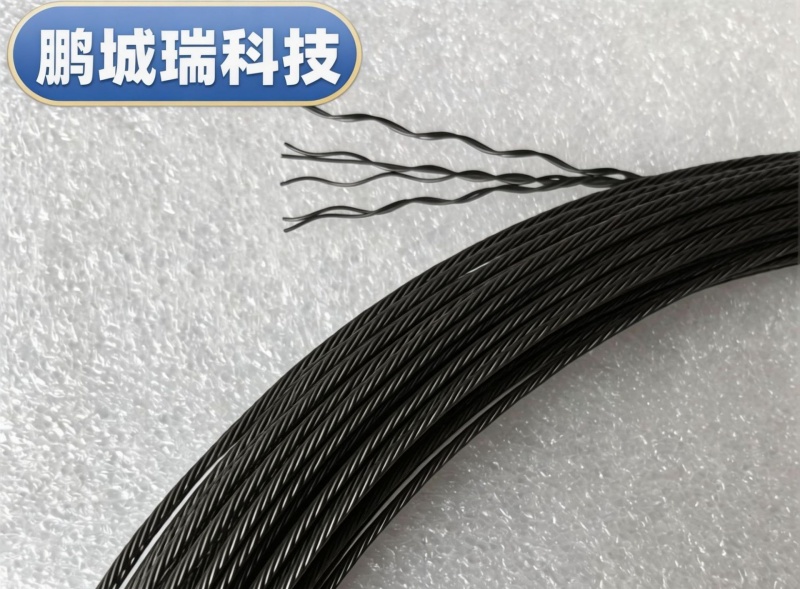
Nitinol
Seamless nickel titanium tube Nickel titanium fiber wire Nickel titanium plateApplication Area
Medical Industry New Energy Aerospace Machinery Manufacturing Marine Engineering Petrochemical IndustryContact Us
Contacts:Manager Wu +86 13632667260


 WeChat
 Call me
X