
 Chinese
 English
Service Hotline
+86 18948275773+86 13632667260


As one of the important forms of nickel-titanium alloy, the market scale of nickel-titanium alloy fibers grows with the overall market expansion of nickel-titanium alloy. Driven by the demand in medical, aerospace and other fields, its development trend presents multiple distinct characteristics such as technological upgrading and application expansion. The following is a detailed analysis:
1. Market size
Currently, there is no specific market size data for nickel-titanium alloy fibers alone. However, its scale and growth trend can be indirectly reflected through data from the overall nickel-titanium alloy market and related niche areas:
1. Global Market: According to the report from Verified Market Research in August 2025, the global market for nickel-titanium alloys reached a value of $1.2 billion in 2024. It is expected to grow at a compound annual growth rate (CAGR) of 9.5% from 2026 to 2032, reaching $2.44 billion by 2032. Nickel-titanium alloy fibers, as an important form, are widely used in core fields such as healthcare and aerospace mentioned in the report, and their market growth pace is basically consistent with that of the overall nickel-titanium alloy market.
2. Chinese Market: China is a major consumer of nickel-titanium alloys, with nickel-titanium memory alloy wires, a segmented product similar to nickel-titanium alloy fibers, experiencing significant market growth. Data indicates that the annual compound growth rate of the Chinese nickel-titanium memory alloy wire market from 2025 to 2030 is expected to reach 8.5%-10.2%, with the total market size potentially exceeding 6.5 billion yuan by 2030. Additionally, the domestic market for nickel-titanium memory alloy fiber vascular stents in the medical field is growing at an annual rate of 45%, and demand for these fibers in new energy, aerospace, and other fields is also continuously increasing, becoming a significant force driving the expansion of their market size. Meanwhile, in the domestic metal fiber market, nickel-based fibers account for 15%. As a representative of high-end nickel-based fibers, nickel-titanium alloy fibers are gradually increasing their proportion in the nickel-based fiber market with the development of high-end manufacturing.
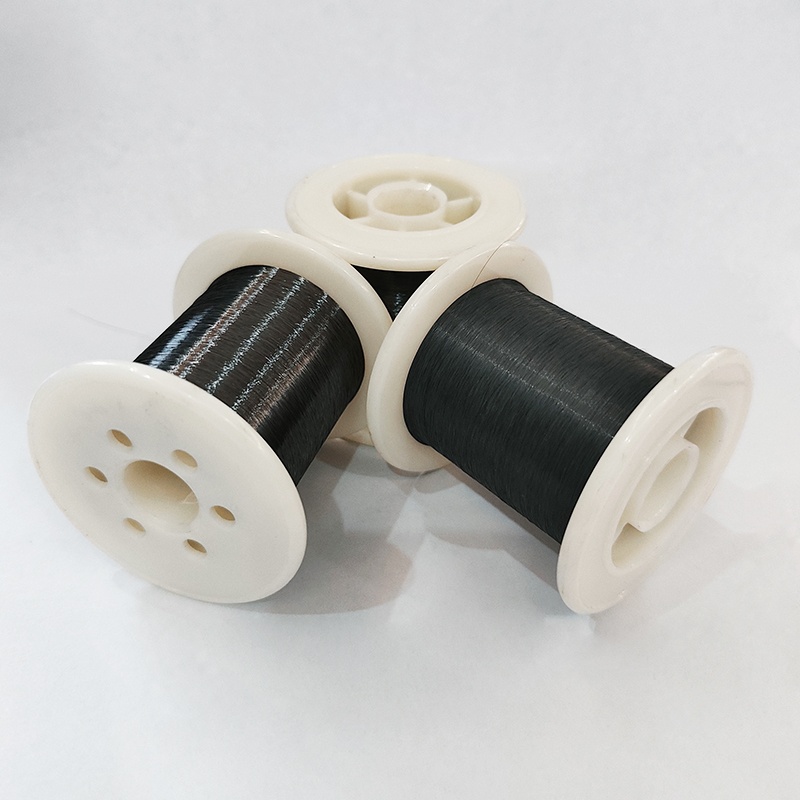
Nickel-titanium alloy fiber
II. Development Trends
1. Technical level
Intelligent and Precise Manufacturing: The deep integration of machine learning and 3D printing will become a significant trend in the manufacturing of nickel-titanium alloy fibers. 3D printing technology enables the customized production of complex structured nickel-titanium alloy fiber products, such as fiber components for personalized medical implants. Simultaneously, the construction of smart factories will gradually advance, achieving full-process digital control from raw material melting to finished product packaging, thereby enhancing product yield and production efficiency. It is estimated that the penetration rate of smart production lines will reach 75% by 2027.
Material compositing upgrade: The technology of compositing nickel-titanium alloy fibers with materials such as carbon fibers will continue to mature. Composite materials like nickel-titanium alloy carbon fiber cloth, which combine the shape memory properties of nickel-titanium alloy with the high strength of carbon fibers, can further expand their applications in aerospace structural components, high-end medical implants, and other fields. In the future, material compositing will become an important direction for enhancing the performance of nickel-titanium alloy fibers and expanding their application scenarios.
2. Application level
The medical field continues to lead in demand: The intensifying population aging and the widespread adoption of minimally invasive medical procedures will drive sustained demand for nickel-titanium alloy fibers in cardiovascular stents, orthodontic devices, orthopedic implants, and other applications. Furthermore, as domestic enterprises gradually break through key processes such as surface nano-coating, the substitution capacity of domestically produced high-end nickel-titanium alloy fibers in the medical field will increase, further expanding market space.
Emerging fields are experiencing explosive demand: In the new energy vehicle sector, nickel-titanium alloy fibers can be utilized in automotive thermal management systems and transmission system components, aiding in the lightweighting and performance enhancement of vehicles. With the development of the new energy vehicle industry, the annual growth rate of demand in this field may exceed 25%. In the consumer electronics sector, nickel-titanium alloy fibers can exhibit their deformation characteristics and stability in flexible electronics and wearable devices, meeting the demands for product flexibility and miniaturization. In the environmental protection field, they can be used in high-temperature flue gas filtration systems, enhancing filtration efficiency through their corrosion resistance and stability. The demand for these fibers is expected to gradually increase in the future.
3. Industry and policy level
Gradual adjustment of industrial layout: Currently, relying on their industrial chain advantages, the Yangtze River Delta and the Pearl River Delta have gathered over 40% of the domestic production capacity related to nickel-titanium alloys. In the future, as the central and western regions undertake industrial transfer, provinces such as Shaanxi and Sichuan, which rely on their endowments of rare metal resources, will focus on developing the nickel-titanium alloy fiber industry. The regional production capacity share will gradually increase, forming an industrial pattern of "strengthening the east and advancing westward".
Policies Boost Industrial Development: Policies such as the National New Material Industry Development Guidelines provide support for the research and development of high-end materials like nickel-titanium alloy fibers. For instance, the green channel for the registration and approval of alloys used in medical devices is expected to shorten the process, while the improvement of the carbon emissions trading system will force enterprises to upgrade their smelting processes, driving the industry towards a green and low-carbon direction. In the long run, this will be conducive to the standardized and high-quality growth of the industry.
4. Competition landscape level
The industry concentration will continue to increase, with the CR5 index rising from 41% in 2024 to 52% in 2030. Domestic leading enterprises such as Wuge Nickel-Titanium Alloy and Youyan New Materials will break through technological barriers through industry-university-research cooperation, gradually expanding their high-end market share. It is expected that the market share of domestic high-end products will increase to 40% by 2026. At the same time, some enterprises will acquire core patents by merging and acquiring overseas research and development institutions, enhancing their global competitiveness.
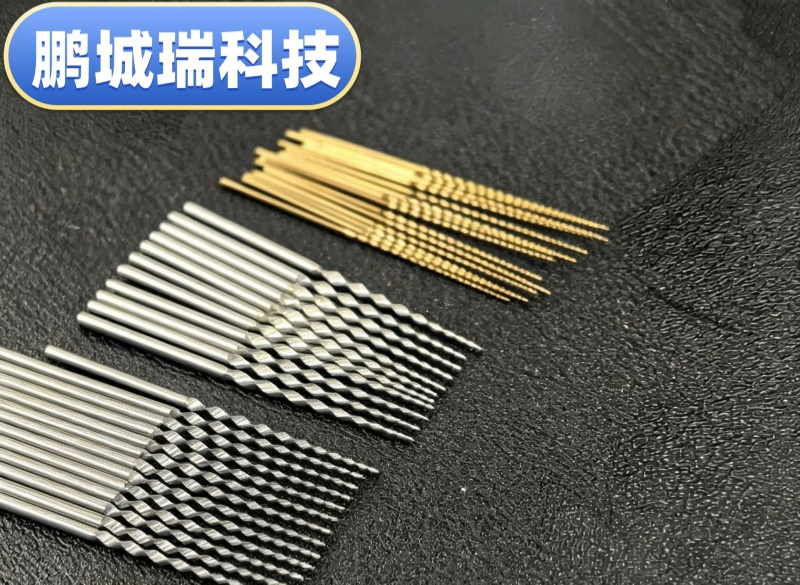
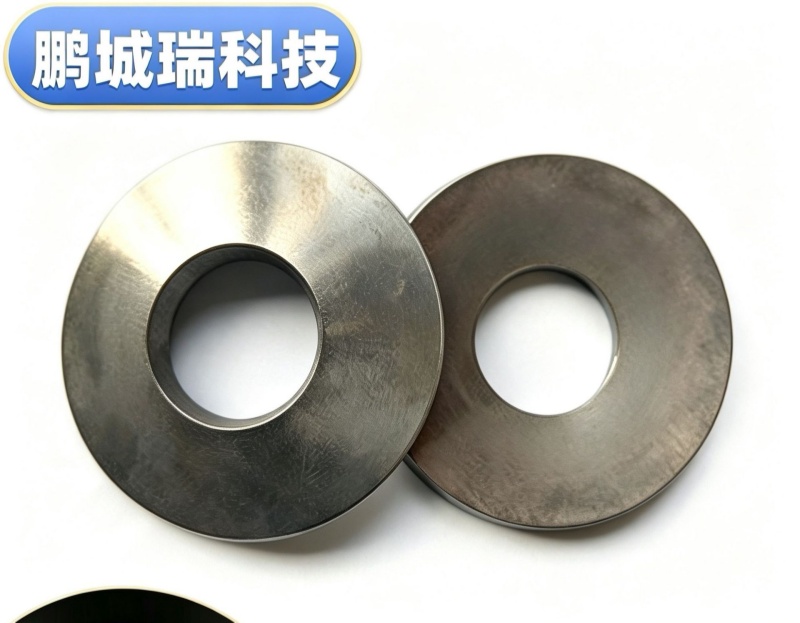
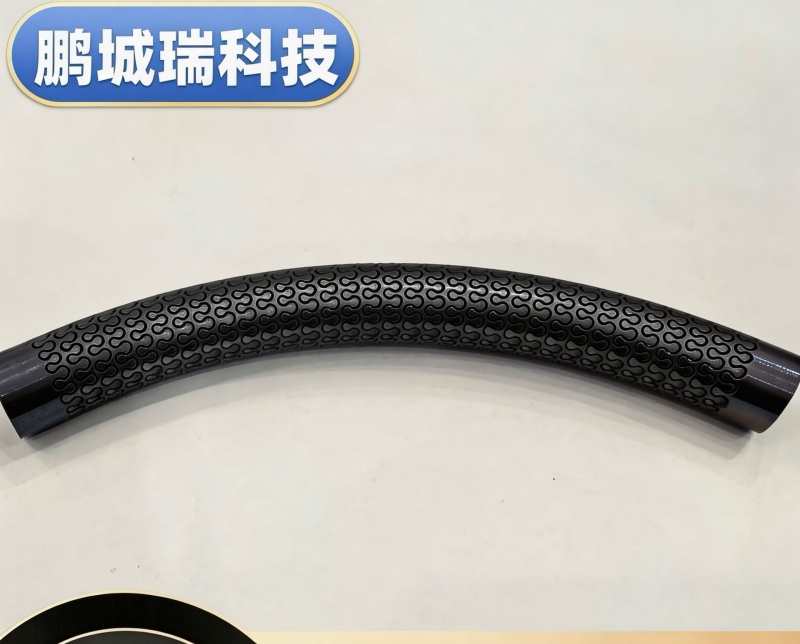
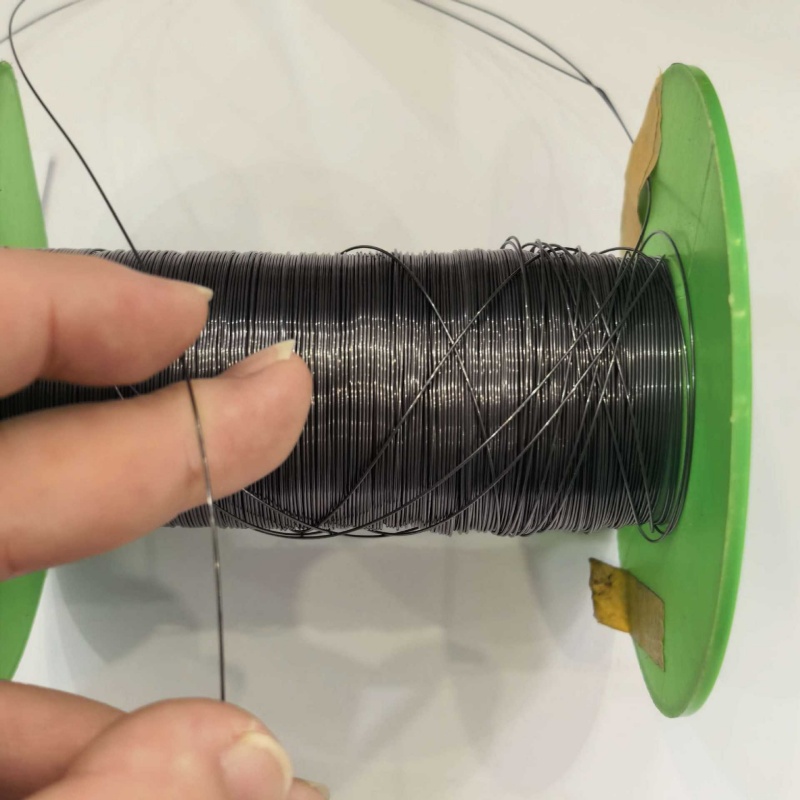
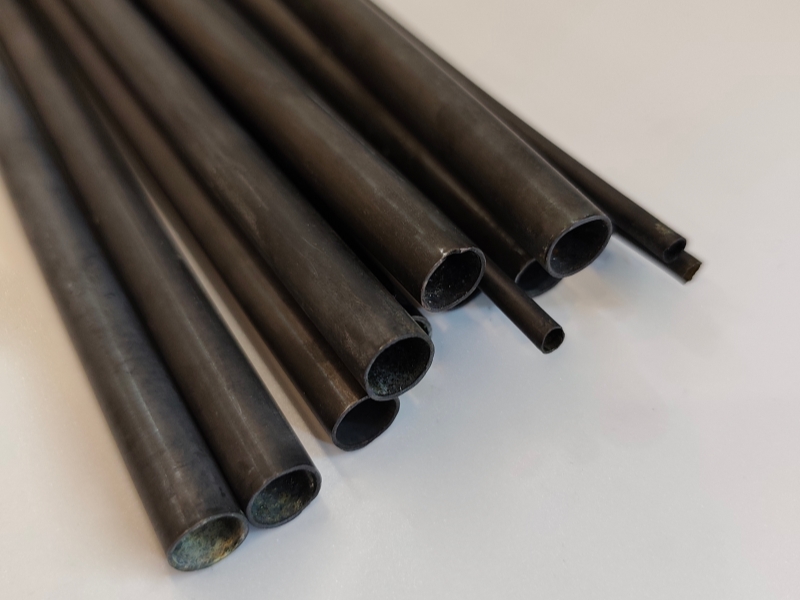
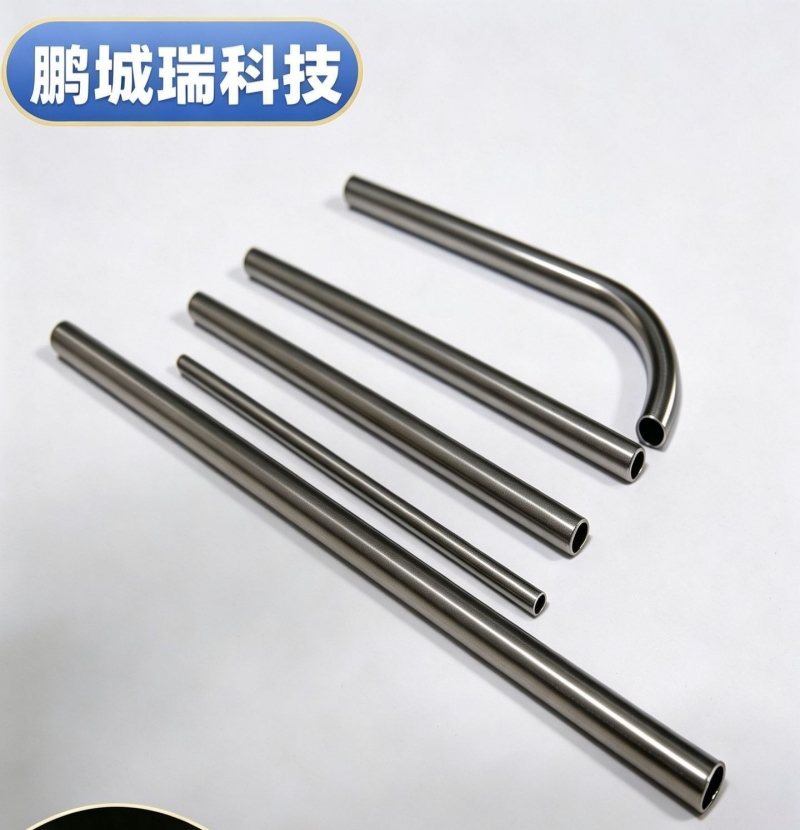
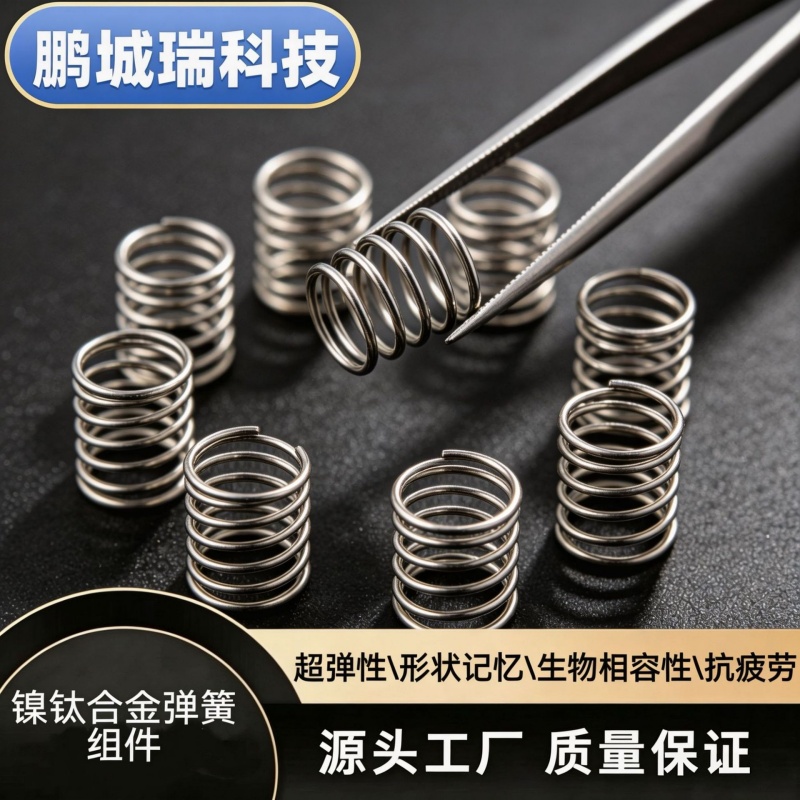
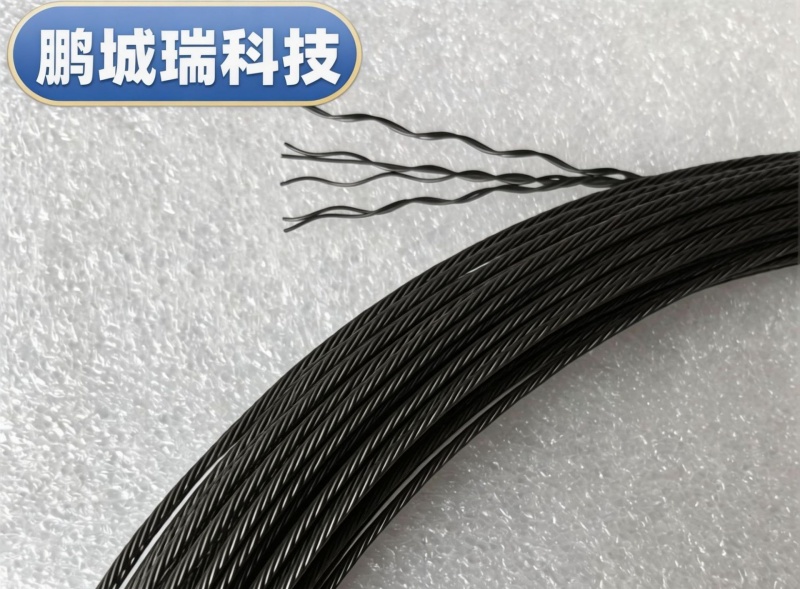
Nitinol
Seamless nickel titanium tube Nickel titanium fiber wire Nickel titanium plateApplication Area
Medical Industry New Energy Aerospace Machinery Manufacturing Marine Engineering Petrochemical IndustryContact Us
Contacts:Manager Wu +86 13632667260


 WeChat
 Call me
X