 Chinese
 English
Service Hotline
+86 18948275773+86 13632667260

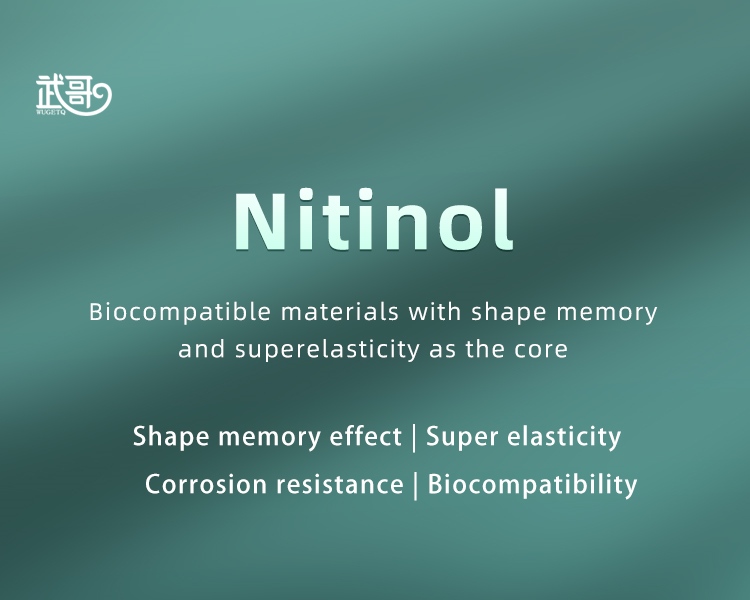
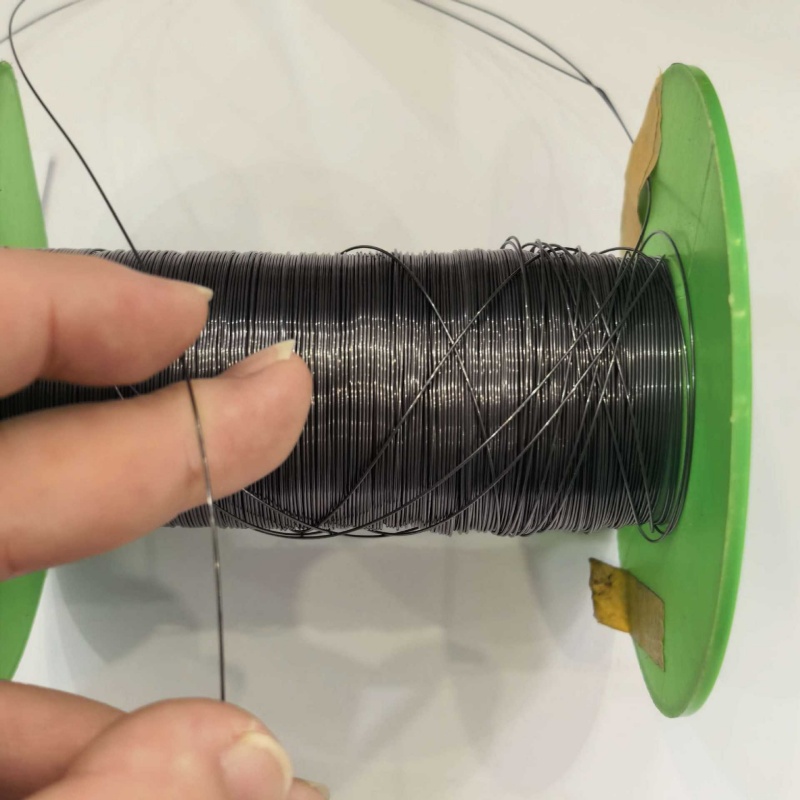
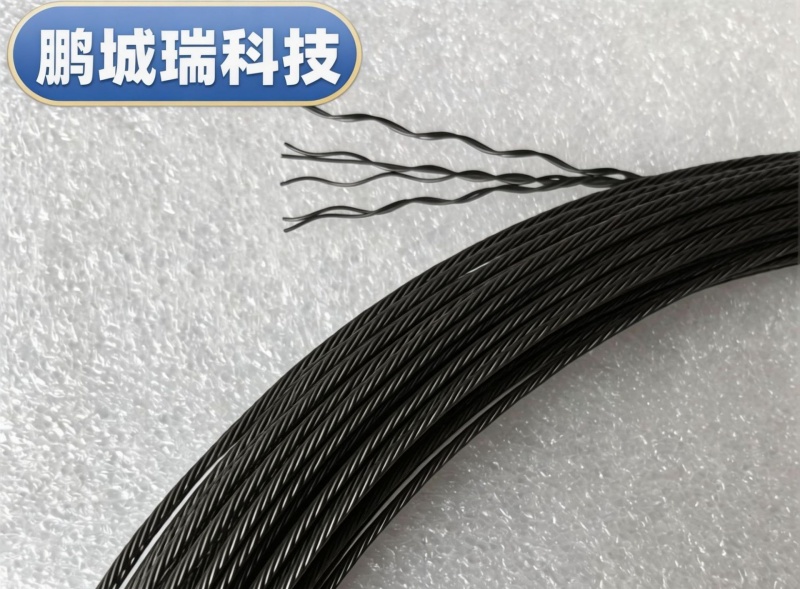
Nickel-titanium fiber wire is a type of shape memory alloy wire composed of nickel and titanium. Due to its unique physical and chemical properties, it has found widespread applications in various fields. Here is a detailed introduction about it:
1. Basic characteristics:
Composition: Typically containing 50%-55% nickel, with the balance being titanium, and also containing trace amounts of impurity elements such as carbon, cobalt, and copper.
Shape memory effect: At a specific temperature, nickel-titanium fiber wires can return to a predetermined shape. For instance, when heated above the austenite transformation temperature (Af), they will revert to their original shape, making them suitable for applications where recovery after deformation is necessary.
Superelasticity: At room temperature (above Af), it can withstand significant deformation, with strain reaching around 8%, and can fully recover after the external force is removed, without undergoing plastic deformation.
Biocompatibility: After surface treatment, such as oxidation passivation, it meets the ASTM F2063 standard and can be used for human implants, such as vascular stents and dental arch wires.
Other characteristics: It possesses high damping performance, capable of absorbing vibration energy, making it suitable for shock absorbers; with a density of approximately 6.4-6.5g/cm³, it is classified as a lightweight high-strength material; its tensile strength ranges from 800-1500MPa, and its elongation is between 15%-50%.
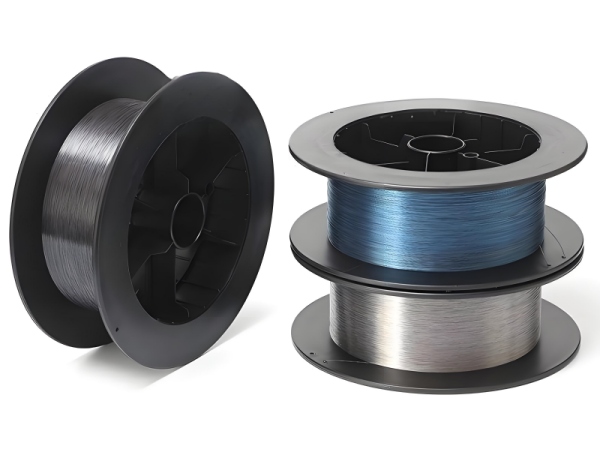
Nickel-titanium fiber wire
II. Manufacturing Process:
The manufacturing of nickel-titanium fiber wires involves multiple processes, including powder metallurgy, sintering, drawing, annealing, and other steps, to ensure that their chemical composition and microstructure meet the standards. In addition, they can also be prepared through methods such as electrospinning technology and selective laser melting.
III. Advantages and Disadvantages:
Advantages: Characterized by shape memory effect, superelasticity, corrosion resistance, biocompatibility, high fatigue life, and lightweight yet high strength, it has broad application prospects in various fields such as medical and aerospace.
Disadvantages: High raw material and processing costs, difficult processing requiring special techniques; performance is greatly affected by temperature, requiring use within a specific temperature range; limited weldability, making welding difficult; may be magnetic, not suitable for environments sensitive to magnetism; may exhibit long-term stability issues such as performance degradation under high temperature or stress.
IV. Application Fields:
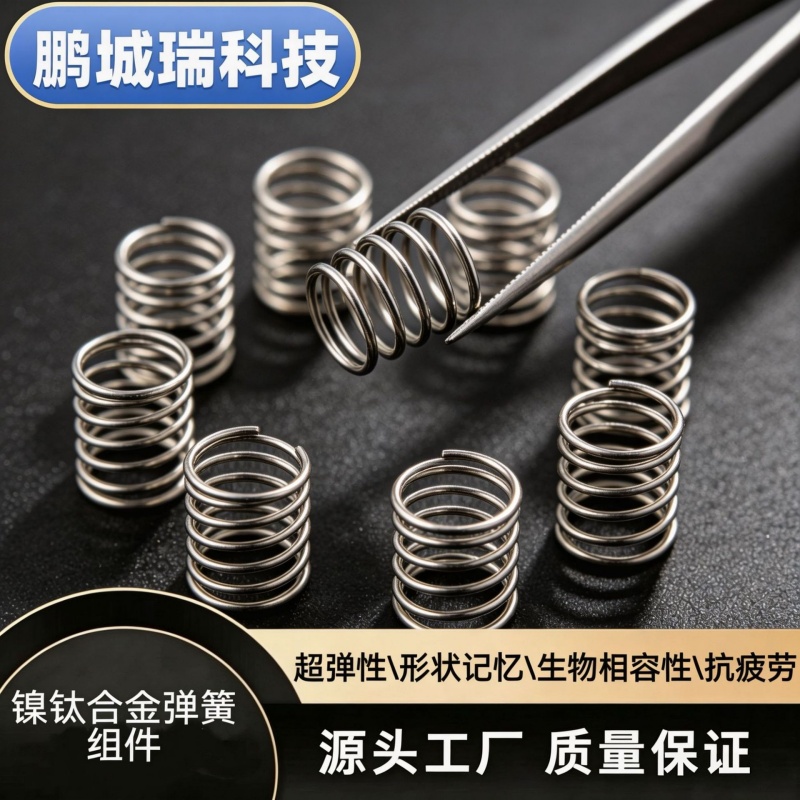
In the medical field, it is commonly used to manufacture dental arch wires, leveraging its shape memory effect and superelasticity to facilitate better tooth correction. Additionally, it can be utilized in the fabrication of vascular stents, which precisely expand at body temperature, enabling minimally invasive interventional treatments.
Aerospace field: Due to its lightweight, high strength, and shape memory characteristics, it can be used to manufacture some components in aerospace equipment, such as the deformable structure of aircraft wings and the deployment mechanism of satellite antennas.
In the field of mechanical automation, it can serve as a driver for robot joints, enabling flexible movement. Additionally, it can be utilized to craft temperature control valves, which automatically adjust their opening and closing based on temperature changes.
In the field of consumer electronics, nickel-titanium fiber wires are utilized in the hinge sections of certain foldable electronic products. Leveraging their superelasticity and shape memory effect, these fibers ensure that the products maintain good performance even after multiple folds.
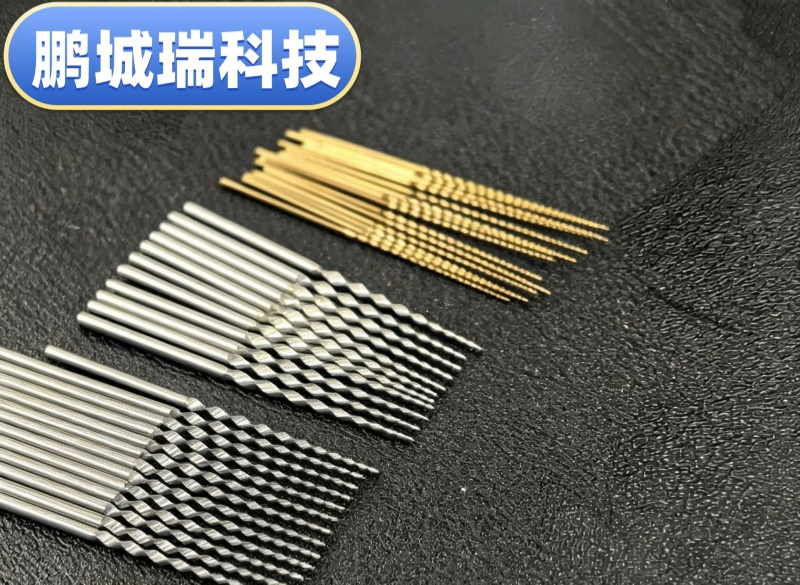
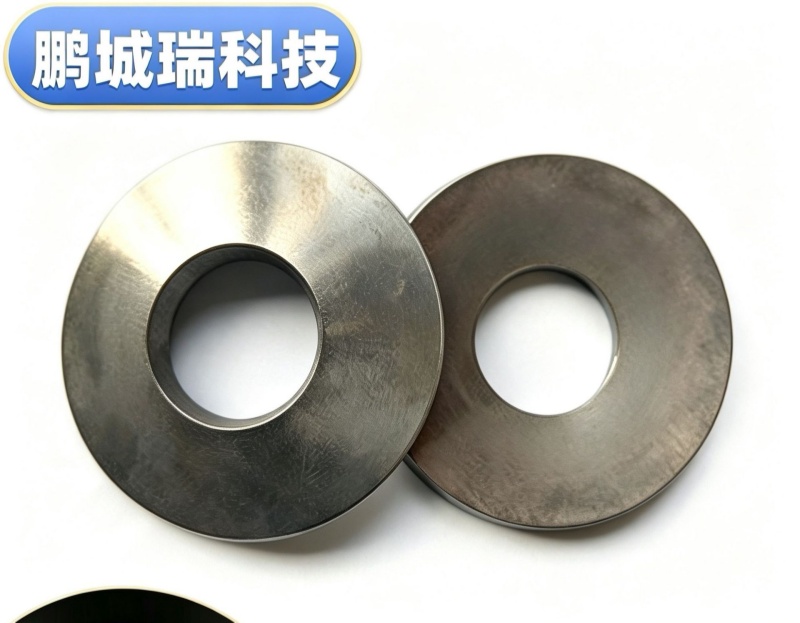
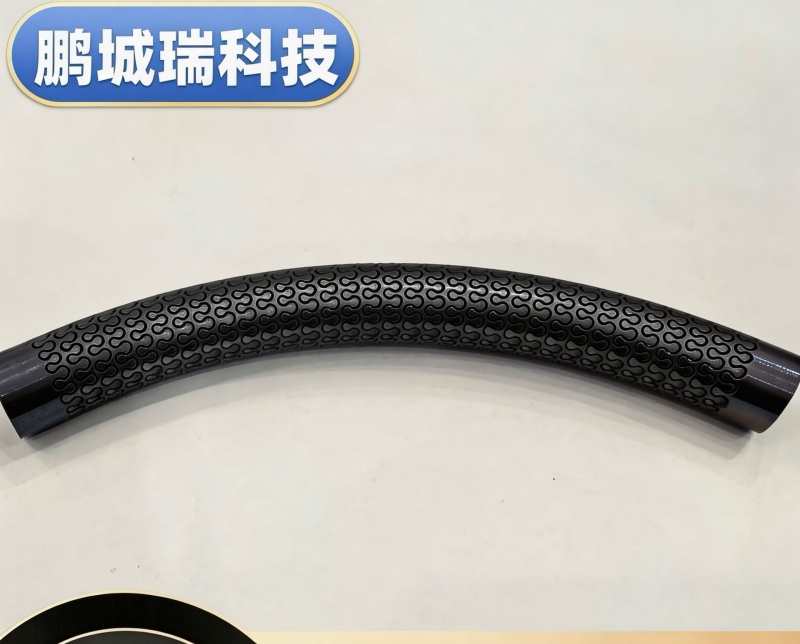
Nitinol
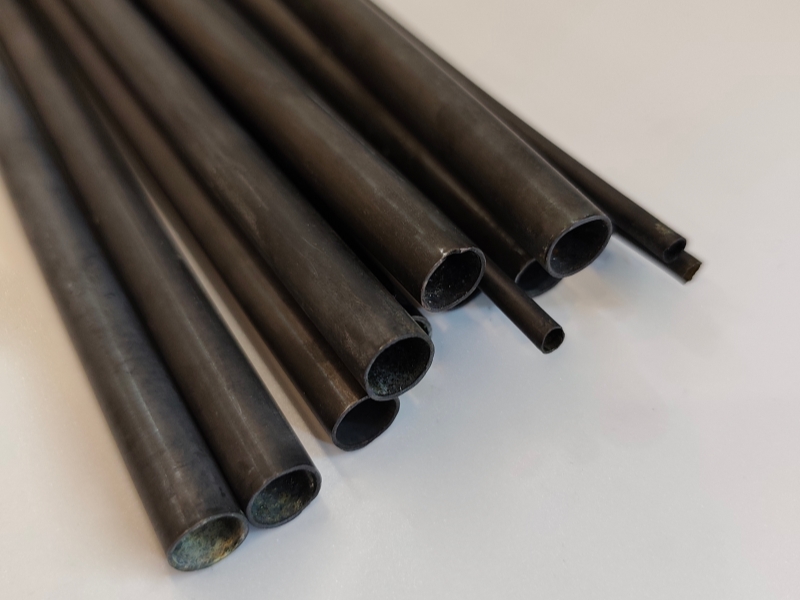
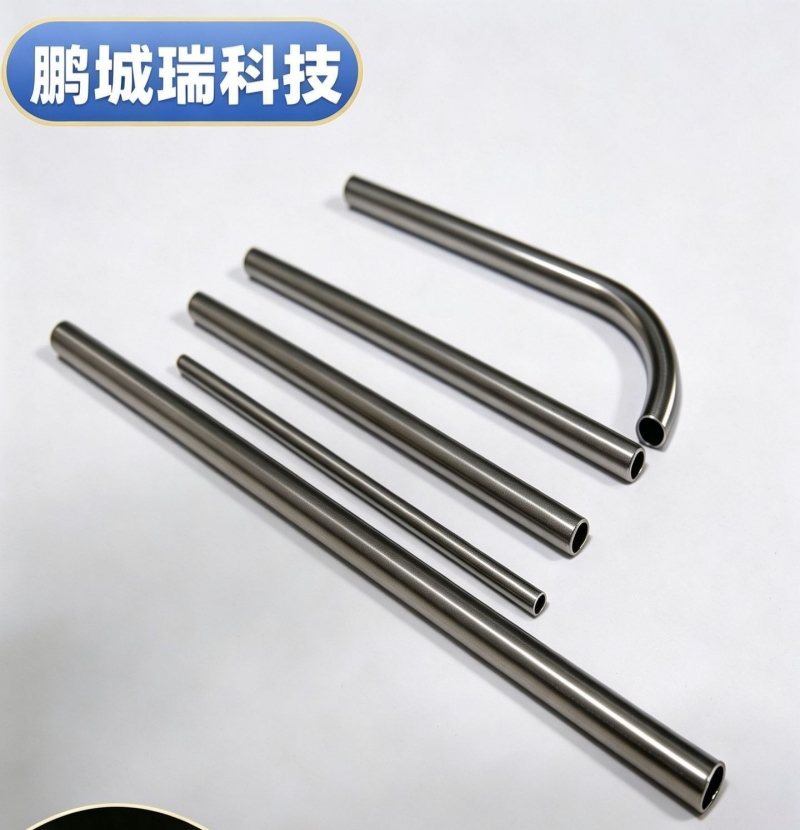
Seamless nickel titanium tube Nickel titanium fiber wire Nickel titanium plateApplication Area
Medical Industry New Energy Aerospace Machinery Manufacturing Marine Engineering Petrochemical IndustryContact Us
Contacts:Manager Wu +86 13632667260


 WeChat
 Call me
X