
 Chinese
 English
Service Hotline
+86 18948275773+86 13632667260



The pressure testing of nickel-titanium alloy tubes requires consideration of their special mechanical properties, such as shape memory effect and superelasticity. It must strictly follow a closed-loop process, which includes preparation, testing, judgment, and conclusion. The core of the testing process falls into three main categories: hydrostatic pressure strength testing, air pressure leak testing, and cyclic pressure fatigue testing. The detailed steps are as follows:
1. General test preparation process
This step applies to all types of stress testing and is a prerequisite for ensuring test accuracy.
1. Sample selection and pretreatment
Check the sample specifications: confirm the outer diameter, wall thickness, length, and heat treatment status of the pipe material, record the austenite start temperature and austenite finish temperature, and ensure that the test temperature matches the actual operating temperature.
Surface cleaning: Use anhydrous ethanol or acetone to remove oil stains, oxide scales, and burrs from both the inside and outside of the tube to avoid stress concentration, which can lead to test errors.
Defect pre-inspection: Ultrasonic testing (UT) or eddy current testing (ET) is used to inspect the surface and interior of the pipe material, eliminating unqualified samples with cracks and pores.
2. Preparation of equipment and fixtures
Equipment calibration: Calibrate the hydraulic/pneumatic testing machine, pressure sensor, and temperature control system to ensure pressure accuracy of ≤±1% and temperature fluctuation of ≤±2℃.
Fixture installation: Select a sealing fixture with a hardness lower than that of nickel-titanium alloy (such as a stainless steel soft sealing fixture). Adjust the diameter of the fixture according to the size of the pipe, ensuring that the pipe orifice is sealed without gaps to prevent slipping or leakage under high pressure.
Medium selection: For hydrostatic testing, deionized water or ethylene glycol solution is used (to avoid stress corrosion caused by chloride ions); for pneumatic testing, dry nitrogen or helium is used (helium is suitable for high-precision leak detection).
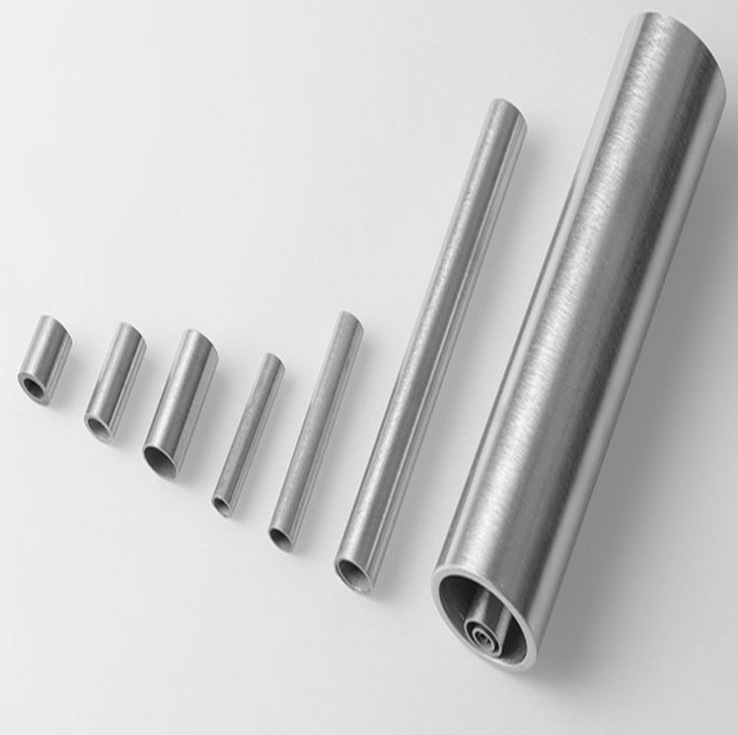
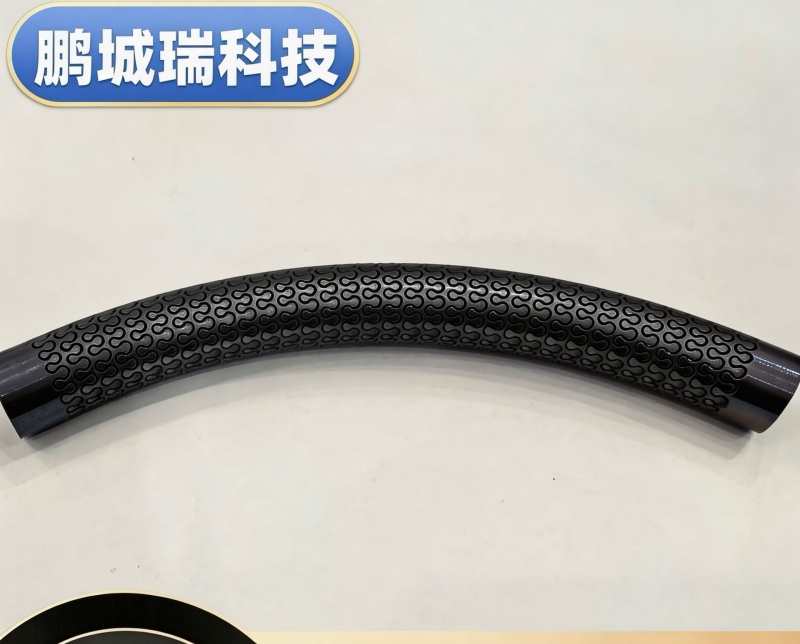
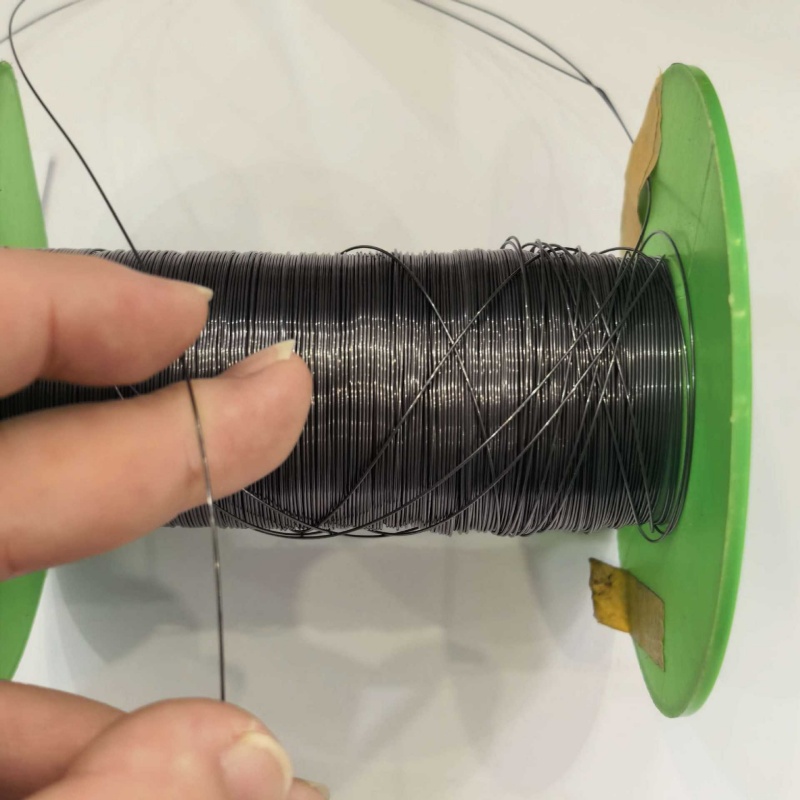
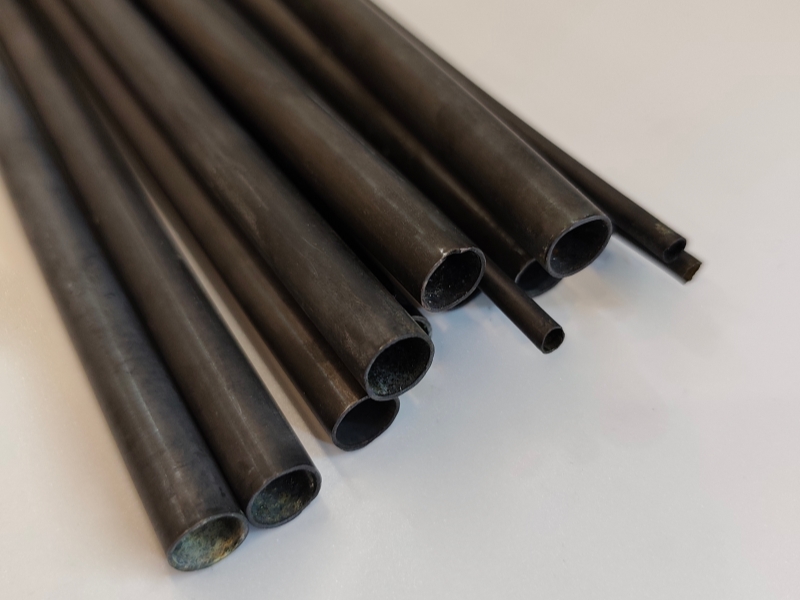
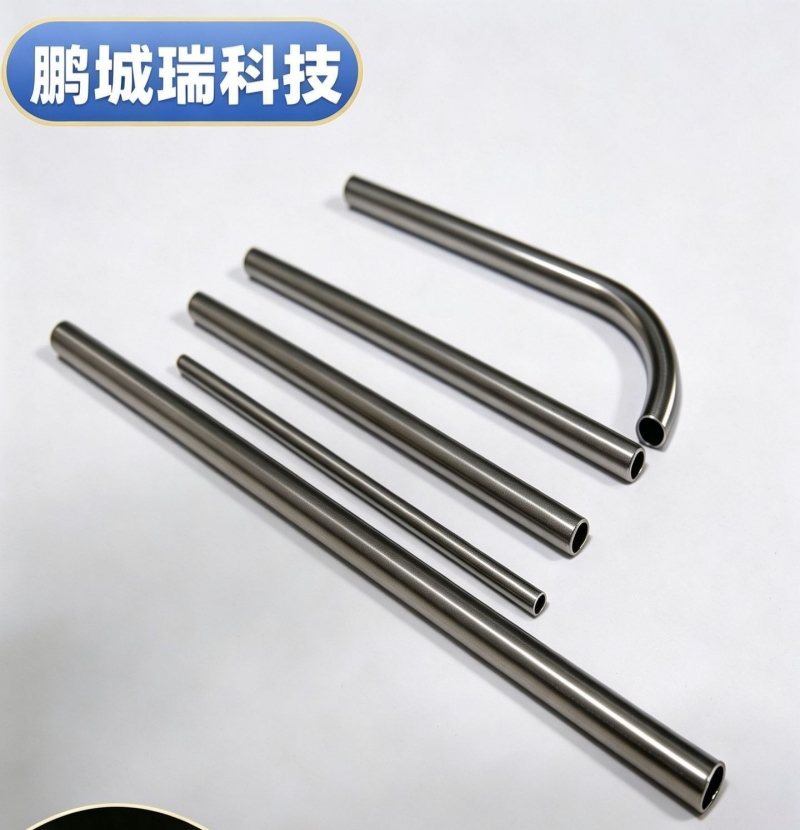
Nickel-titanium alloy tube
II. Specific procedures for different types of stress tests
1. Hydrostatic pressure strength test (core pressure resistance test)
It is applicable to evaluate the ultimate bearing capacity and structural integrity of pipe materials. The process is as follows:
1. Sealing and clamping: Connect both ends of the pipe to the clamp, tighten the sealing bolt, ensure the pipe is connected to the hydraulic system, and exhaust the air inside the pipe (to prevent cavitation from affecting the test results).
2. Temperature rise/drop (if necessary): Activate the temperature control system to adjust the temperature of the tubing to the target temperature (e.g., 37°C for medical catheters, up to 150°C for industrial pipelines), and maintain a stable temperature for 10 minutes.
3. Gradual voltage boosting
Increase the pressure to the rated working pressure at a rate of 1~5 MPa/min, maintain it for 30 minutes, and observe whether the pressure remains stable and whether there is any leakage from the pipe wall.
To measure the burst pressure, increase the pressure step by step at a rate of 0.5 MPa/min based on the rated working pressure, maintaining each pressure level for 5 minutes until the pipe bursts. Record the pressure value and the location of the burst at the moment of bursting.
4. Pressure Relief and Inspection: After the test is completed, slowly release the pressure (at a rate of ≤2 MPa/min) to prevent sudden pressure drop that may cause rebound deformation of the pipe material. After dismantling the test sample, inspect the pipe wall for any bulges, cracks, or signs of leakage.
2. Air pressure leak test (high-precision leak detection)
For scenarios where strict leakage rate requirements are imposed (such as medical interventional catheters and aviation pipelines), the process is as follows:
1. Sealing and inflation: Seal both ends of the pipe, connect it to the pneumatic system, inflate it with dry gas to the test pressure (usually 1.5 times the rated working pressure), and maintain the pressure for 5 minutes to stabilize it.
2. Leak detection
Routine testing: The bubble method is employed, where the pressurized tubing is immersed in soap solution to observe whether bubbles are generated. The location and rate of bubble appearance are recorded.
High-precision detection: Utilize a helium mass spectrometer leak detector, place the tubing in a vacuum chamber, inflate the chamber with helium, measure the helium concentration inside, and calculate the leakage rate (for high-precision scenarios, the leakage rate must be ≤$10^{12}$ Pa·m³/s).
3. Judgment and pressure relief: If there are no bubbles or the leakage rate meets the standard within 30 minutes of maintaining pressure, it is judged as qualified; after slowly relieving the pressure, disassemble the test sample.
3. Cyclic pressure fatigue test (simulated operating condition durability test)
It is applicable to evaluate the fatigue resistance of tubular materials under repeated pressure loads (such as vascular stents, hydraulic circulation pipelines). The process is as follows:
1. Parameter settings: Set the cyclic pressure range (such as 0 to rated working pressure), cycle frequency (0.1 to 1 Hz), and cycle count based on the actual working conditions. The temperature should be controlled above Af to ensure super-elasticity.
2. Loading and Monitoring: Start the cyclic testing machine and simultaneously collect pressure-time curves and pipe wall strain data. Pause every 105 cycles to check for leaks and deformations in the pipe material.
3. Termination and evaluation: Shut down the machine after reaching the preset number of cycles, or terminate the test when cracks or leaks appear in the tubing; record the fatigue life (the number of cycles at failure), and analyze the crack initiation location and propagation pattern.
III. Post-test closing process
1. Sample processing: After testing, the samples should be sorted and stored separately (qualified samples, broken samples, and leaked samples), with test parameters and results clearly marked.
2. Data collation: Summarize data such as test temperature, pressure rise rate, dwell time, test pressure, burst pressure, leakage rate, and fatigue life, and compile a test report.
3. Equipment cleaning: Drain the medium from the hydraulic/pneumatic system, clean the fixtures and pipelines to prevent residual medium from corroding the equipment.
Key precautions
The testing temperature must be strictly controlled to prevent the loss of superelasticity in nickel-titanium alloy due to temperatures below Af, which could affect its pressure resistance performance.
2. The air pressure test must be conducted within the protective device. Overpressure testing is strictly prohibited to prevent pipe rupture and injury to personnel.
3. Chlorine-containing media are strictly prohibited for pressure testing of nickel-titanium alloys to prevent stress corrosion cracking.
Nitinol
Seamless nickel titanium tube Nickel titanium fiber wire Nickel titanium plateApplication Area
Medical Industry New Energy Aerospace Machinery Manufacturing Marine Engineering Petrochemical IndustryContact Us
Contacts:Manager Wu +86 13632667260


 WeChat
 Call me
X