
 Chinese
 English
Service Hotline
+86 18948275773+86 13632667260


The heat treatment of nickel titanium alloy is the core link that determines its shape memory effect, superelasticity, phase transition temperature, and mechanical properties. In actual production, various problems may occur due to improper control of process parameters, insufficient equipment accuracy, or material characteristics. The previous article "Common Problems and Solutions in Heat Treatment of Nickel Titanium Alloy (Part 1)" shared 2 questions, and this article will continue to share:
3、 Core issue 3: Workpiece deformation, cracking, or dimensional accuracy exceeding the standard
Problem expression
Bending and twisting of workpieces after heat treatment (such as wire straightness deviation>0.5mm/m);
Cracks appear in thin-walled components (such as pipes with a thickness<0.1mm) after heat treatment;
Dimensional shrinkage/expansion beyond tolerance (such as precision part dimensional deviation>± 0.02mm).
root cause analysis
1. Thermal stress and tissue stress superposition:
Uneven heating/cooling rate of the workpiece (such as local contact with the furnace wall and high temperature);
Asymmetric shape (such as irregular parts), inconsistent shrinkage/expansion of various parts during heat treatment.
2. Material composition segregation:
Nickel titanium alloy is sensitive to composition (Ni content deviation of ± 0.5% affects phase transformation). If the raw material composition is uneven, the difference in microstructure after heat treatment can lead to deformation;
3. Fluctuations in process parameters:
Poor uniformity of furnace temperature (such as box furnace temperature difference>10 ℃) leads to inconsistent heat treatment effects on various parts of the workpiece;
The temperature of the cooling medium is unstable (such as an increase in water temperature during water cooling), and fluctuations in cooling rate can cause deformation.
Solution
1. Deformation control:
Adopting "fixture fixed heat treatment": for easily deformed workpieces (such as wire and thin plates), fix them with high-temperature resistant fixtures, then heat them up and slowly loosen the clamps after cooling;
Segmented heating/cooling: heating rate ≤ 5 ℃/min (to avoid thermal shock), first air cool to below 300 ℃ before water cooling during cooling.
2. Crack prevention:
Reduce the solid solution temperature (such as 900-950 ℃) and shorten the insulation time (10-15 minutes) for thin-walled/complex parts;
Avoid sudden changes in cooling rate (such as immersing in warm water before turning into ice water during quenching).
3. Dimensional accuracy control:
Reserve a "deformation allowance" before heat treatment (based on experience, reserve a size shrinkage of 0.1% to 0.3%);
Using "vacuum tempering" instead of ordinary aging (better temperature uniformity, increased dimensional stability by 30%).
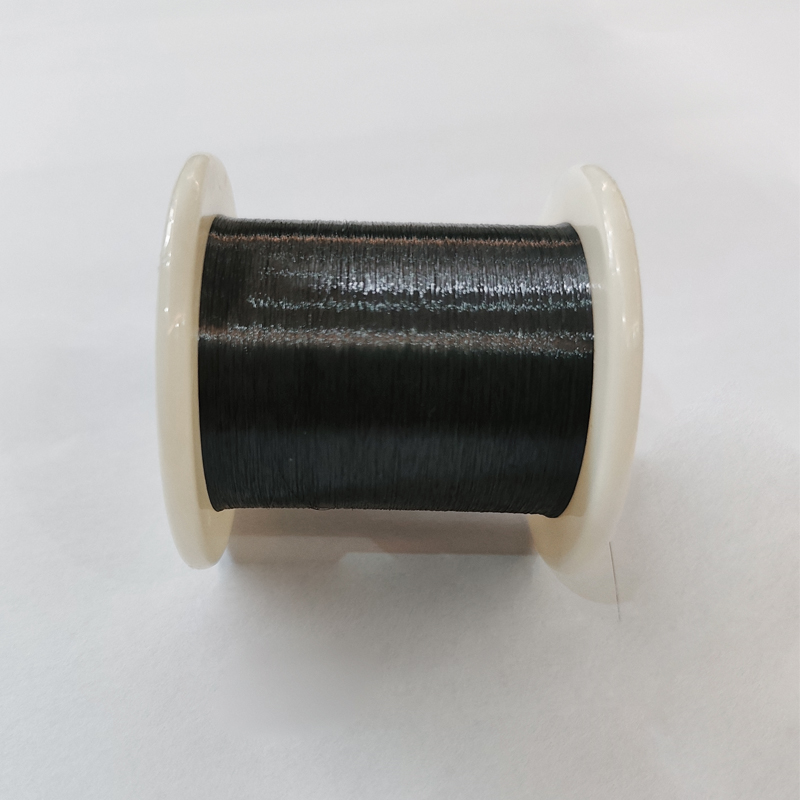
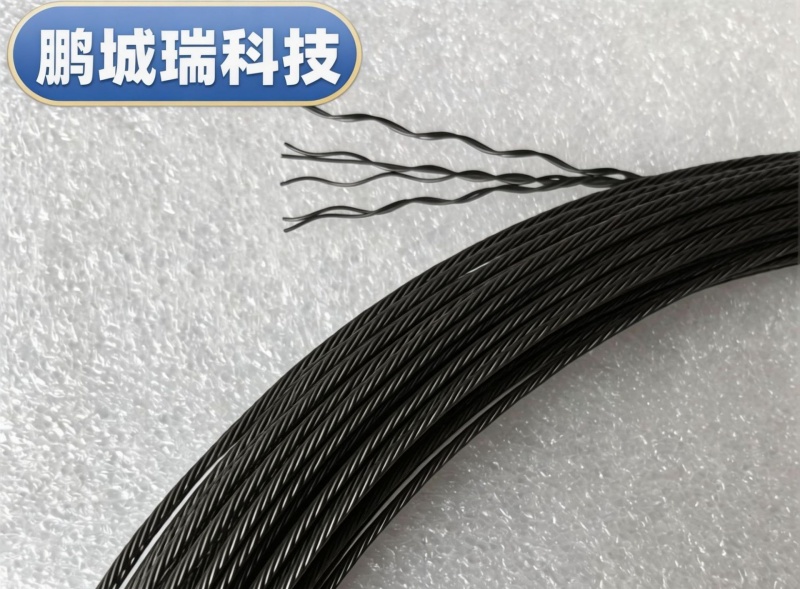
Nickel titanium fiber wire
4、 Core issue 4: Surface quality defects (oxidation, color difference, peeling)
Problem expression
The surface presents a blue black and yellow brown oxide layer (which cannot be removed by subsequent polishing);
Oxidation layer peeling and detachment (affecting the adhesion of subsequent coatings, such as biocompatible coatings for medical products);
There are pitting and corrosion pits on the surface (due to furnace contamination or impure cooling medium).
root cause analysis
1. Impure heat treatment atmosphere:
Insufficient protection of argon gas (such as pipeline leakage, insufficient flow), or inadequate sealing of vacuum furnace;
Residual air, water vapor, and oil stains in the furnace react with titanium during heating (Ti+O ₂ → TiO ₂, Ti+H ₂ → TiH ₂).
2. Cooling medium pollution:
Quenching water contains oil and salt, which adhere to the surface at high temperatures and form corrosion spots;
3. Improper heating method:
When using a resistance wire heating furnace, the workpiece directly contacts the resistance wire, causing local overheating and oxidation.
Solution
1. Atmosphere control:
Vacuum furnace heat treatment: first evacuate to 10 ⁻⁴ Pa, then introduce argon gas (flow rate 5-10L/min), and repeat 2-3 times to replace the air;
Argon protection furnace: Ensure that the oxygen content in the furnace is less than 5ppm, and zirconium aluminum alloy absorbers can be placed inside the furnace.
2. Cooling medium treatment:
Deionized water (conductivity<10 μ S/cm) is used for quenching, and it should be replaced regularly to avoid oil accumulation;
Complex workpieces can be cooled using "argon gas cooling" (with a moderate cooling rate and no oxidation on the surface, but with the assistance of a vacuum furnace).
3. Surface post-treatment:
Slight oxidation layer: Electrochemical polishing (nitric acid+hydrofluoric acid mixture, controlled current density of 10~20A/dm ²) is used;
Severe oxidation/peeling: first mechanically grind (remove the surface layer by 0.01~0.02mm), and then perform solid solution treatment again.
5、 Key process control points (to avoid problem recurrence)
1. Raw material control:
Select nickel titanium alloys with Ni content ranging from 49.5% to 50.5% (atomic fraction) to avoid component segregation (material certification SGS report can be provided);
Remove the oxide scale and oil stains on the surface of the workpiece before heat treatment (recommended ultrasonic cleaning+acid pickling passivation).
2. Equipment requirements:
Prioritize the use of vacuum furnaces/salt bath furnaces (temperature uniformity ± 3 ℃) and avoid box type resistance furnaces (large temperature differences);
Equipped with DSC (phase transition temperature test), hardness tester, and tensile testing machine (performance inspection for each batch).
3. Standardization of process documents:
Develop exclusive heat treatment process cards (specifying temperature, time, cooling method, and protective atmosphere) for different products (such as silk, pipe, and irregular parts);
Record each batch of process parameters (such as furnace temperature curve, cooling rate) for easy traceability of issues.
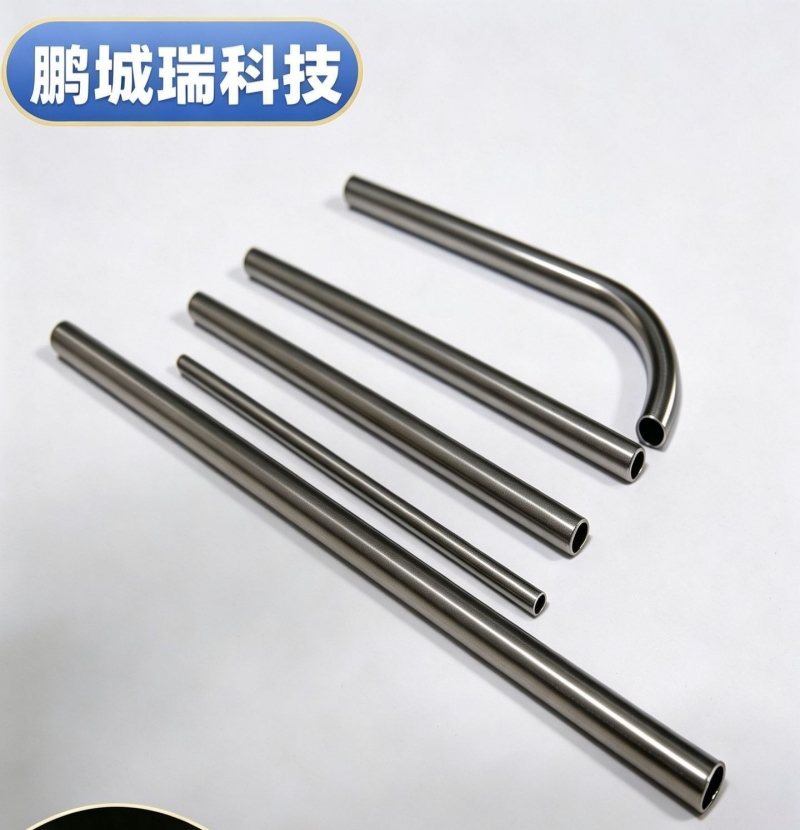
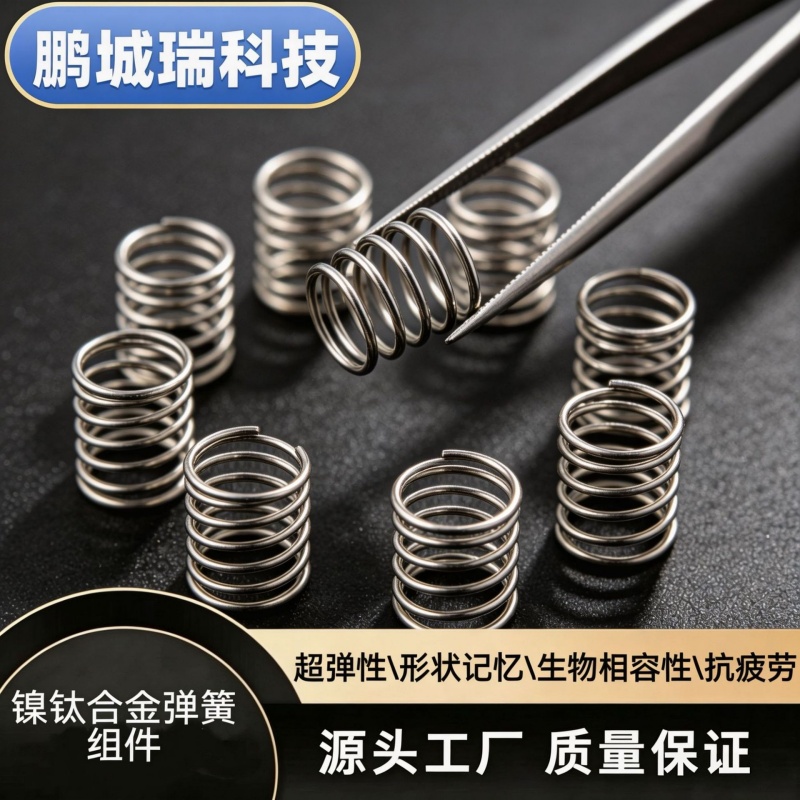
Through the above targeted solutions, more than 90% of common problems in heat treatment of nickel titanium alloys can be effectively solved. Wuge Nickel Titanium Alloy Materials, the company's main products are nickel titanium fiber wires and seamless nickel titanium memory tubes. It is a supplier of nickel titanium alloy materials and wire tubes. Welcome to communicate and exchange ideas, and find like-minded partners.
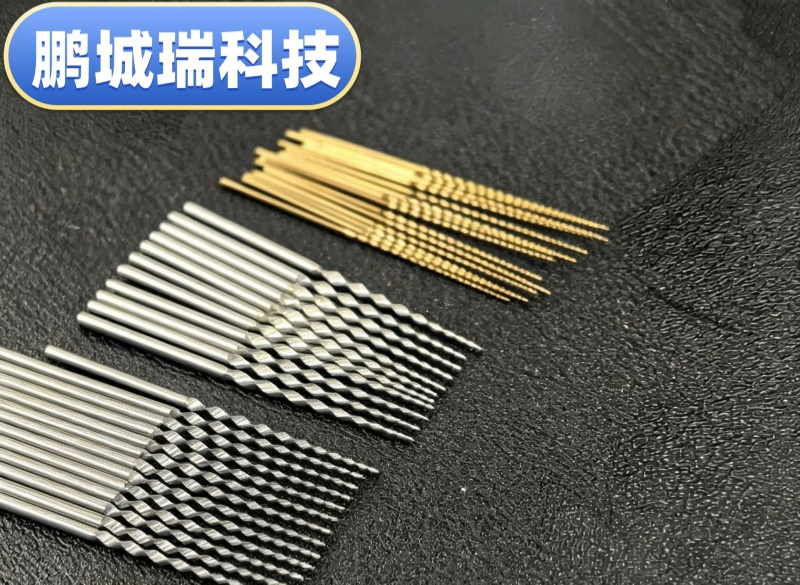
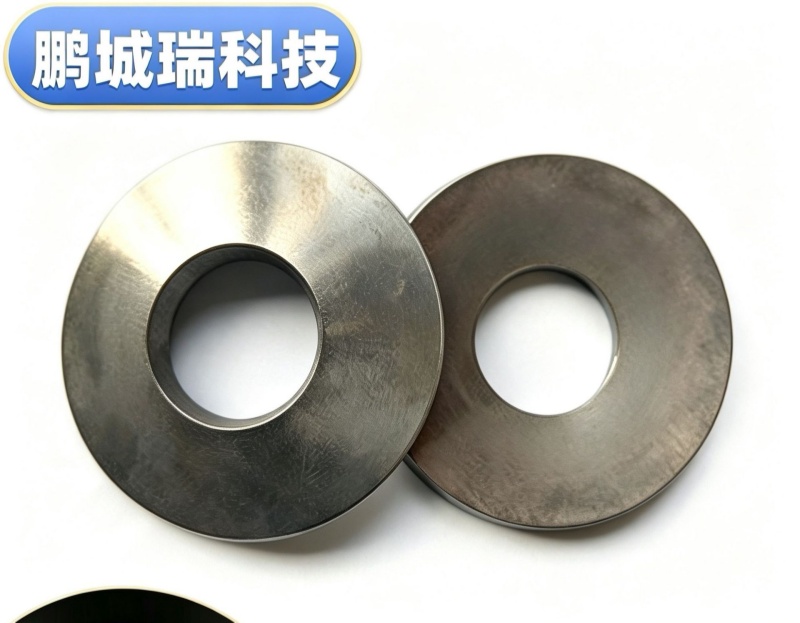
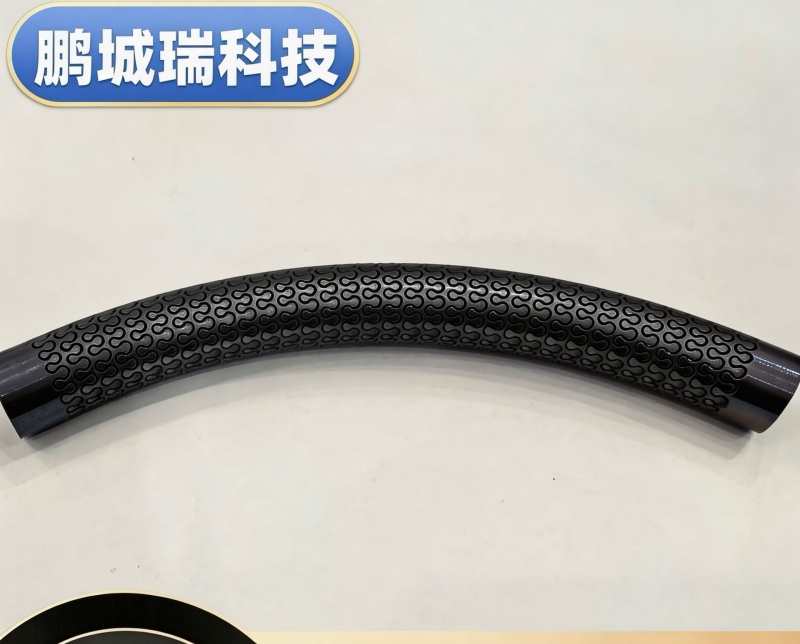
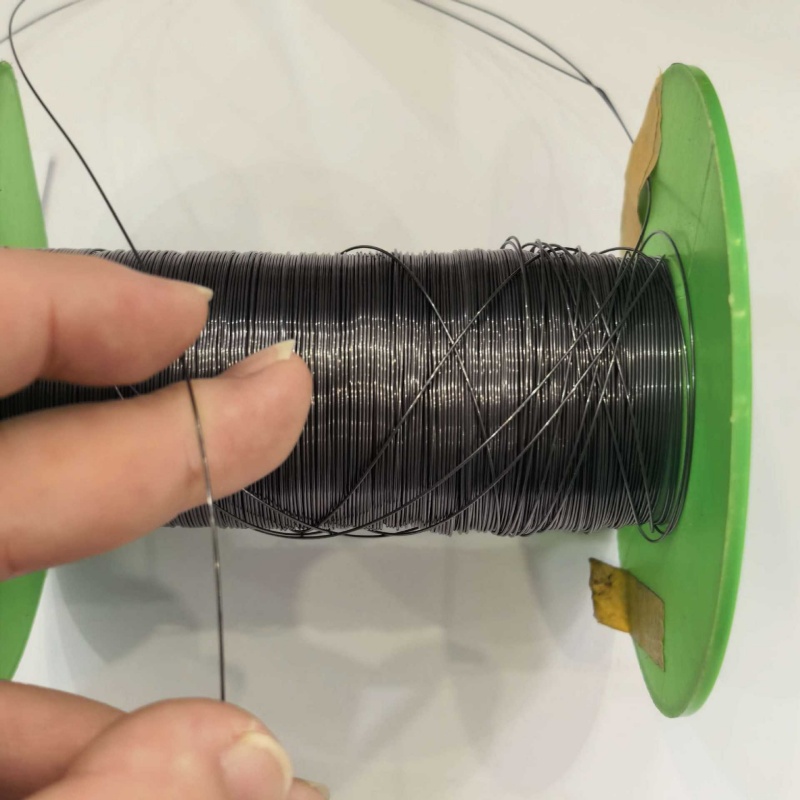
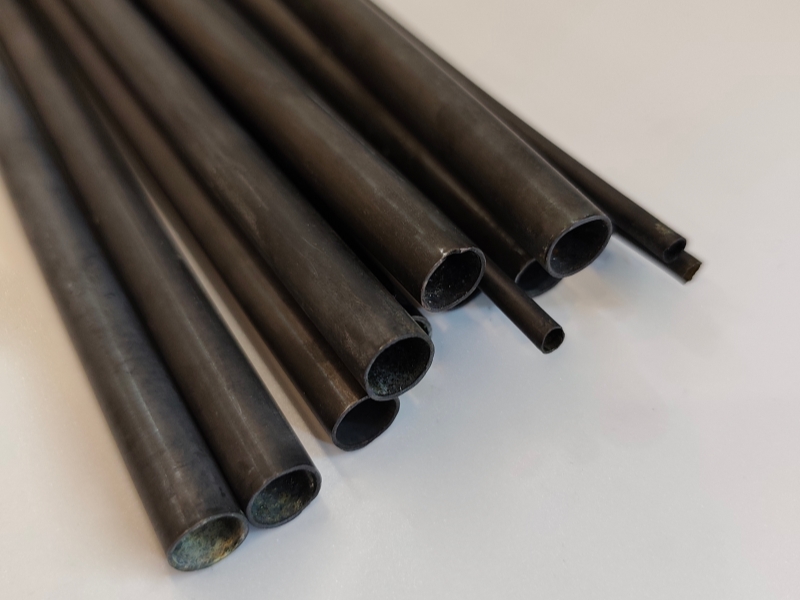
Nitinol
Seamless nickel titanium tube Nickel titanium fiber wire Nickel titanium plateApplication Area
Medical Industry New Energy Aerospace Machinery Manufacturing Marine Engineering Petrochemical IndustryContact Us
Contacts:Manager Wu +86 13632667260


 WeChat
 Call me
X