
 Chinese
 English
Service Hotline
+86 18948275773+86 13632667260


The heat treatment of nickel titanium alloy is the core link that determines its shape memory effect (SME), superelasticity (SE), phase transition temperature (such as Af and Ms points), and mechanical properties. In actual production, various problems may occur due to improper control of process parameters, insufficient equipment accuracy, or material characteristics. The following are the most common heat treatment problems, causes, and solutions, combined with industrial production scenarios and standard process logic, providing practical troubleshooting ideas:
1、 Core issue 1: Phase transition temperature (Af/Ms point) deviates from design requirements
Problem expression
Failure of shape memory effect (such as inability to restore the preset shape after heating);
Hyperelastic interval deviation (such as no elasticity at room temperature or insufficient elastic deformation);
The dispersion of phase transition temperature is large (the difference in Af point of the same batch of products exceeds ± 5 ℃).
root cause analysis
1. Improper solution temperature/time:
Low temperature (<900 ℃): Insufficient solid solution of alloying elements, uneven microstructure, and high phase transition temperature;
High temperature (>1050 ℃): coarse grains, even oxidation/nitridation, unstable phase transition temperature;
Insufficient insulation time: incomplete solid solution, residual second phases (such as TiC, Ni3Ti), affecting the consistency of phase transformation.
2. Time processing parameter error:
Excessive aging temperature (>500 ℃): Excessive precipitation of Ni3Ti strengthening phase, significant increase in Af point;
Long aging time: The precipitate aggregates grow and the phase transition lag (Δ T=AfAc) increases.
3. Uncontrolled cooling rate:
Slow cooling after solid solution (such as air cooling): partial phase transition occurs, stable phase remains, and Af point increases;
Excessive cooling (such as ice water quenching): generates internal stress, although the Af point decreases, it can easily lead to subsequent deformation and cracking.
Solution
(1) Solution treatment: 950~1000 ℃, insulation for 10~30 minutes, operating points: 1 Vacuum/argon protection (to avoid oxidation); 2. Use salt bath furnace/vacuum furnace (temperature uniformity ± 3 ℃); 3. Rapid quenching after insulation (water cooling/ice water cooling, cooling rate ≥ 100 ℃/s);
(2) Time treatment: 300-450 ℃, insulation for 1-4 hours, operating points: 1 Heat up with the furnace (to avoid thermal shock); 2. Adjust according to the target Af point: for every 50 ℃ increase in temperature, the Af point increases by approximately 30-40 ℃; Time extension, Af point slightly increases;
(3) Phase transition temperature calibration: DSC (differential scanning calorimeter) testing is used. Operation points: sampling and testing are carried out for each batch. If the Af point is too high, the aging temperature or time should be reduced; If it is too low: increase the aging temperature or extend the time (with each adjustment amplitude ≤ 30 ℃/30min).
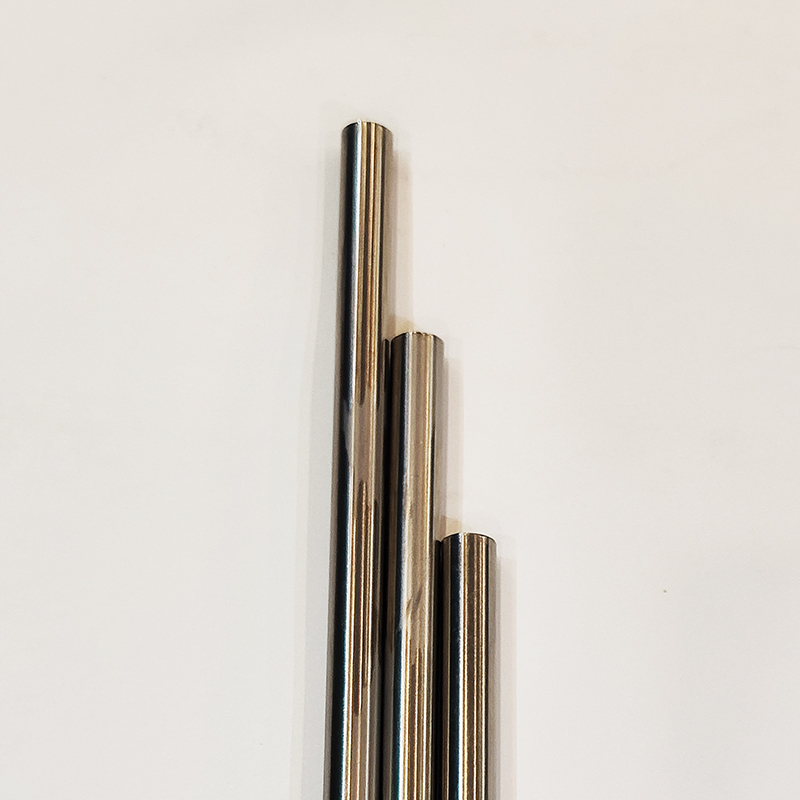
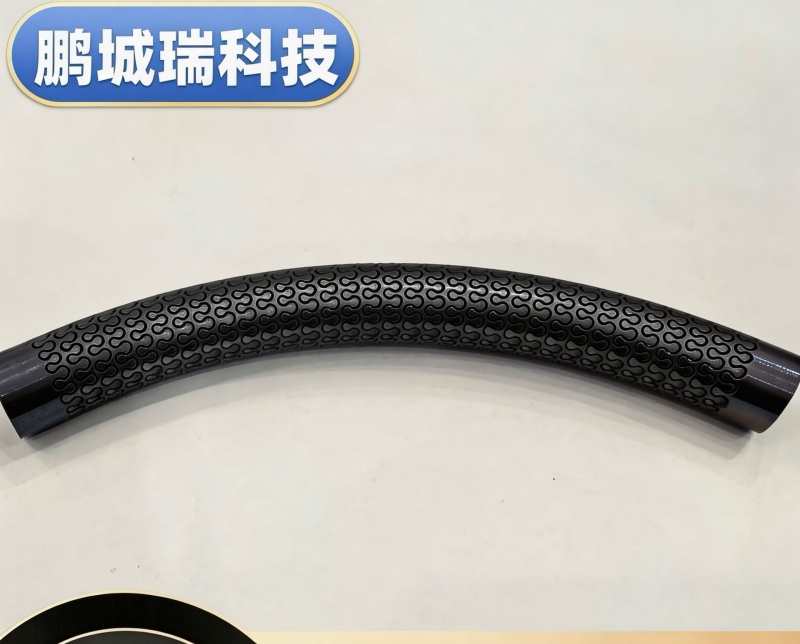
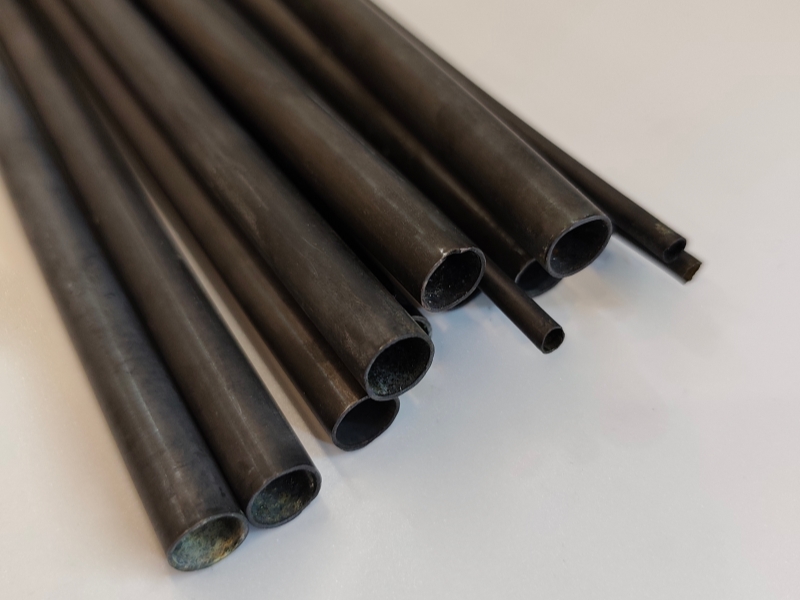
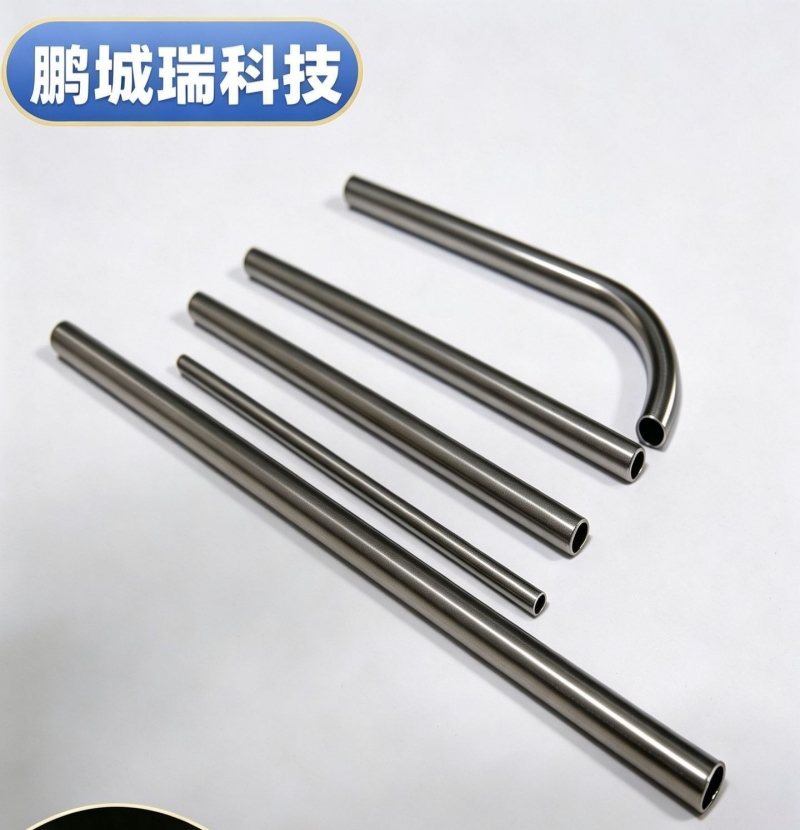
Seamless nickel titanium alloy tube
2、 Core issue 2: Shape memory effect/hyperelastic performance degradation
Problem expression
The recovery rate decreases after repeated deformation (such as the inability of medical stents to fully contract after expansion);
Reduced elastic limit (decreased yield strength, prone to plastic deformation);
Insufficient fatigue life (such as spring products breaking after repeated expansion and contraction).
root cause analysis
1. Residual internal stress after heat treatment:
The solid solution cooling rate is too fast, or the shape of the workpiece is complex (such as pipes or irregular parts), resulting in the failure to release internal stress;
The aging treatment did not eliminate the internal stress, and subsequent use resulted in stress accumulation, causing plastic deformation.
2. Organizational deficiencies:
Incomplete solid solution and residual second phase particles (such as Ni3Ti, Ti2Ni) become stress concentration points;
Coarse grain size (high solution temperature or long holding time) leads to uneven mechanical properties.
3. Surface oxidation/contamination:
The impure atmosphere during heat treatment (such as argon gas with an oxygen content greater than 50ppm) results in the formation of a TiO2 oxide layer on the surface, which affects the continuity of the internal structure;
Residual oil and water vapor in the furnace can cause surface carburization/hydrogen permeation, reducing fatigue performance.
Solution
1. Internal stress elimination:
After solid solution treatment, add "stress relief annealing": 200-250 ℃, hold for 30-60 minutes, and cool with the furnace;
Complex shaped workpieces adopt "segmented cooling": after solid solution, they are first air-cooled to 500 ℃, and then water-cooled (balancing cooling rate and internal stress).
2. Organizational optimization:
Strictly control the solid solution parameters (to avoid grain growth), and if necessary, adopt the "dual solid solution process" (first hold at 900 ℃ for 15 minutes, then cool and then hold at 1000 ℃ for 10 minutes);
After aging, perform "low-temperature tempering": 150-200 ℃, hold for 2 hours, refine precipitated phases, and improve uniformity.
3. Surface protection:
Thoroughly clean the workpiece before heat treatment (remove oil stains and oxide scales, and use anhydrous ethanol ultrasonic cleaning);
High purity argon gas (oxygen content<10ppm) or vacuum environment (vacuum degree ≥ 10 ⁻ ³ Pa) is used, and titanium chips are placed in the furnace to absorb residual oxygen/nitrogen.
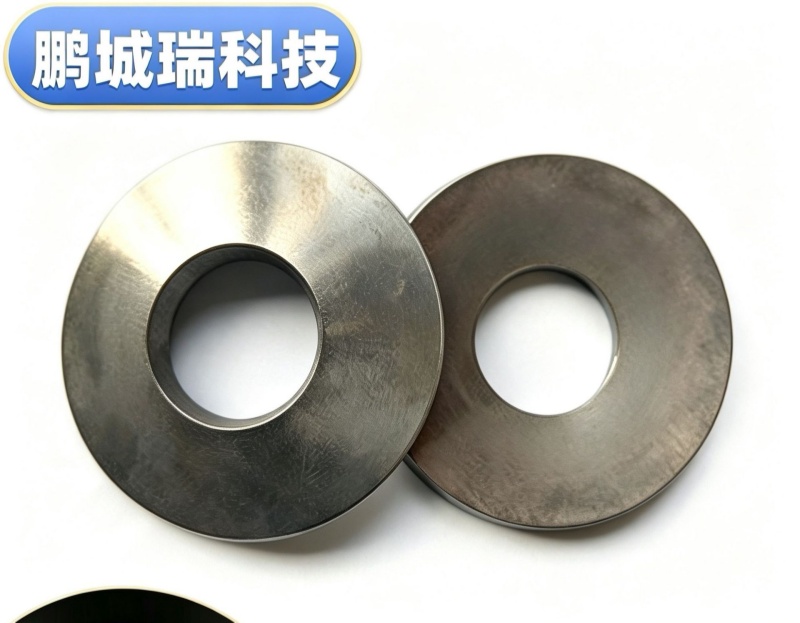
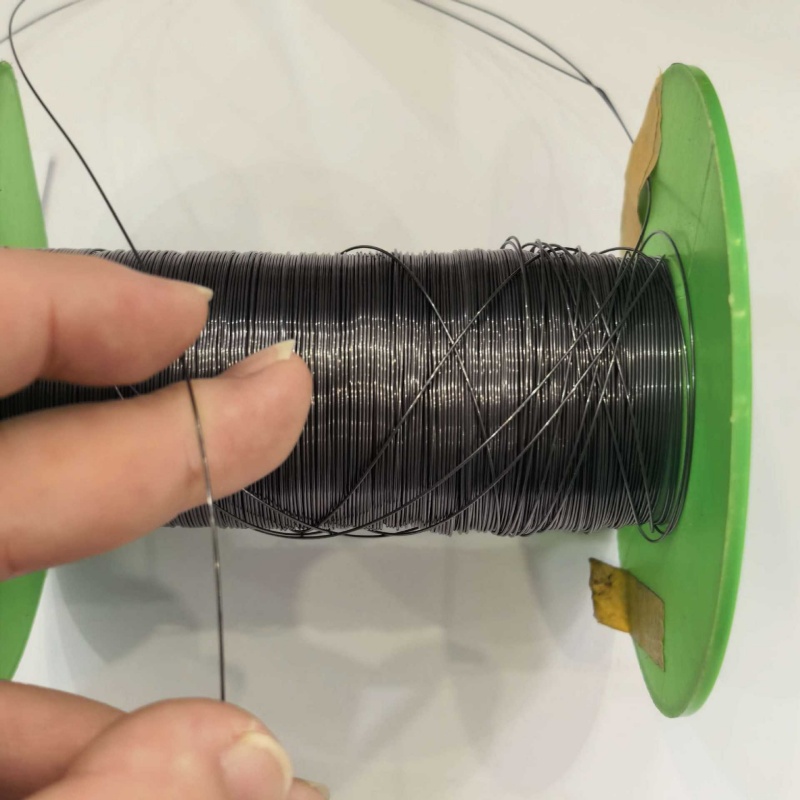
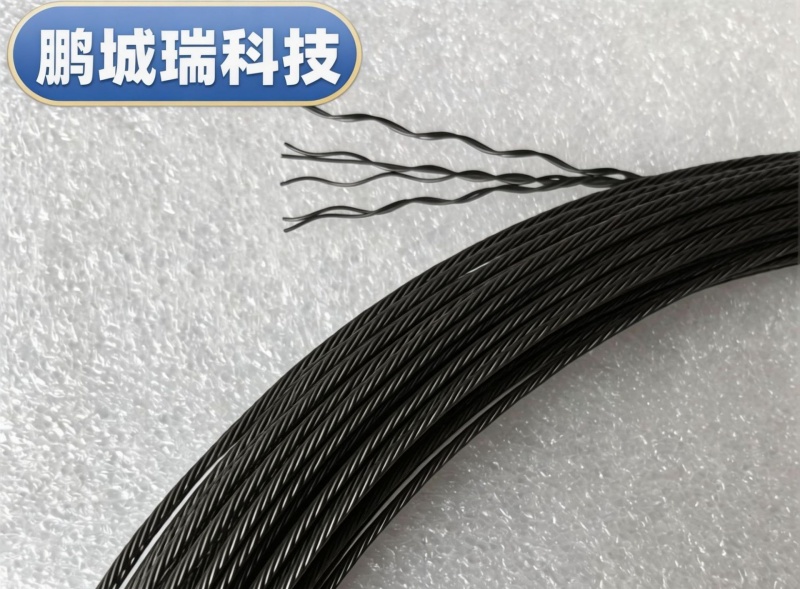
Through the above targeted solutions, more than 90% of common problems in heat treatment of nickel titanium alloys can be effectively solved. Wuge Nickel Titanium Alloy Materials, the company's main products are nickel titanium fiber wires and seamless nickel titanium memory tubes. It is a supplier of nickel titanium alloy materials and wire tubes. Welcome to communicate and exchange ideas, and find like-minded partners.
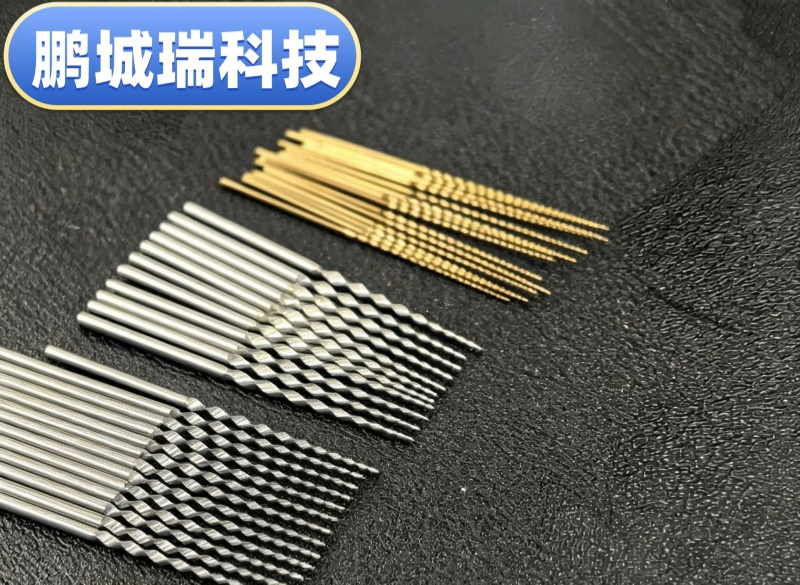
Nitinol
Seamless nickel titanium tube Nickel titanium fiber wire Nickel titanium plateApplication Area
Medical Industry New Energy Aerospace Machinery Manufacturing Marine Engineering Petrochemical IndustryContact Us
Contacts:Manager Wu +86 13632667260


 WeChat
 Call me
X