
 Chinese
 English
Service Hotline
+86 18948275773+86 13632667260


Ultra thin walled nickel titanium pipes usually refer to pipes with a wall thickness of ≤ 0.05mm and an outer diameter to wall thickness ratio of ≥ 50. The core manufacturing difficulty lies in controlling the uniformity of wall thickness and avoiding cracking during processing. Composite billet forming, warm rolling+cold drawing and other processes are often used. The following is a detailed process combining industry patents and technical solutions:
1、 Raw material melting and tube billet preparation
1. Ingredient melting: High purity nickel and titanium raw materials are selected, and the ingredients are mixed in an atomic ratio of about 50:50. Nickel titanium ingots with uniform composition are made by vacuum consumable arc melting 2-3 times to avoid component segregation affecting subsequent processing performance. Ingots are formed into rods through multiple hot forging processes, and surface oxide scales and defects are removed.
2. Drilling and billet making: Peel and accurately drill the forged nickel titanium alloy rod to produce an initial hollow tube billet with an outer diameter of ≤ 30mm and a wall thickness of ≤ 5mm; If composite forming technology is used, two hollow tube blanks, inner and outer, need to be prepared. The outer diameter of the inner tube blank should be 0.01-3mm smaller than the inner diameter of the outer tube blank. At the same time, circular metal wires made of stainless steel or nickel titanium alloy should be prepared.
3. Composite billet assembly: The outer tube billet, inner tube billet, and metal wire are sequentially nested to form a composite billet. The outer diameter of the metal wire should be 0.01-3mm smaller than the inner diameter of the inner tube billet. This composite structure can reduce the deformation of ultra-thin wall pipes during processing and improve dimensional stability.
2、 Multi pass molding processing
1. First cold drawing preform: The composite billet is subjected to the first cold drawing to tightly bond the outer tube billet, inner tube billet, and metal wire into a composite metal rod. After cold drawing, annealing treatment at 600-900 ℃ can be carried out to eliminate work hardening and create conditions for subsequent processing.
2. Core removal and secondary cold drawing: Extract the metal wires from the composite metal rod to form a composite tube, and then perform a second cold drawing on the composite tube. The cold drawing deformation of this step is controlled at 10% -75%, preferably 25% -70%. By accurately controlling the tension and mold size, the outer tube blank is gradually processed to an ultra-thin wall state. Afterwards, the inner tube blank can be removed to obtain a single-walled ultra-thin tube, or the inner layer can be retained to form a sandwich ultra-thin tube.
3. Warm rolling assisted refinement: If warm rolling technology is used, the pipe blank needs to be treated first. Heat the billet to 700-800 ℃ to remove oil, apply graphite emulsion lubricant and air dry when cooled to 300-400 ℃, then insert it into the high-speed steel core rod, heat it to 500-700 ℃ and roll it at a rolling rate of 100-500mm/min, with a pass processing rate of ≤ 30%. Annealing is required every 1-3 passes to avoid hardening and cracking of the pipe.
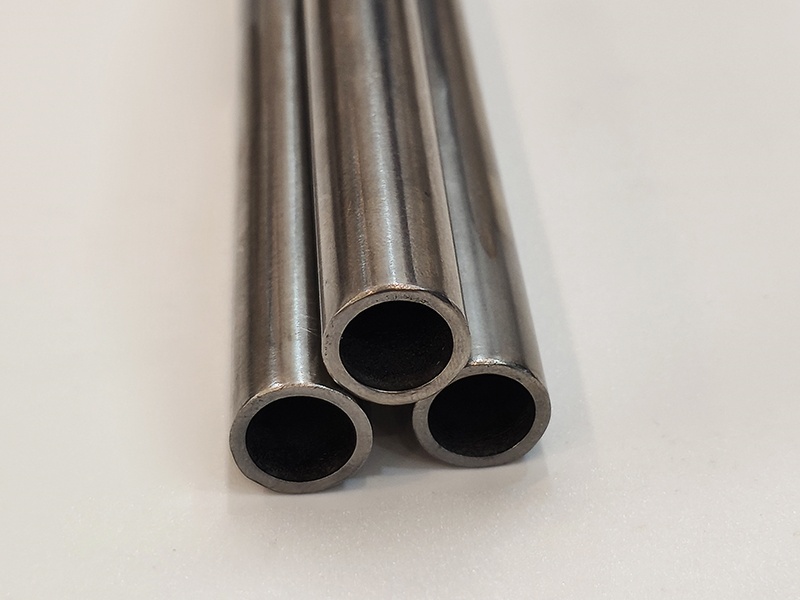
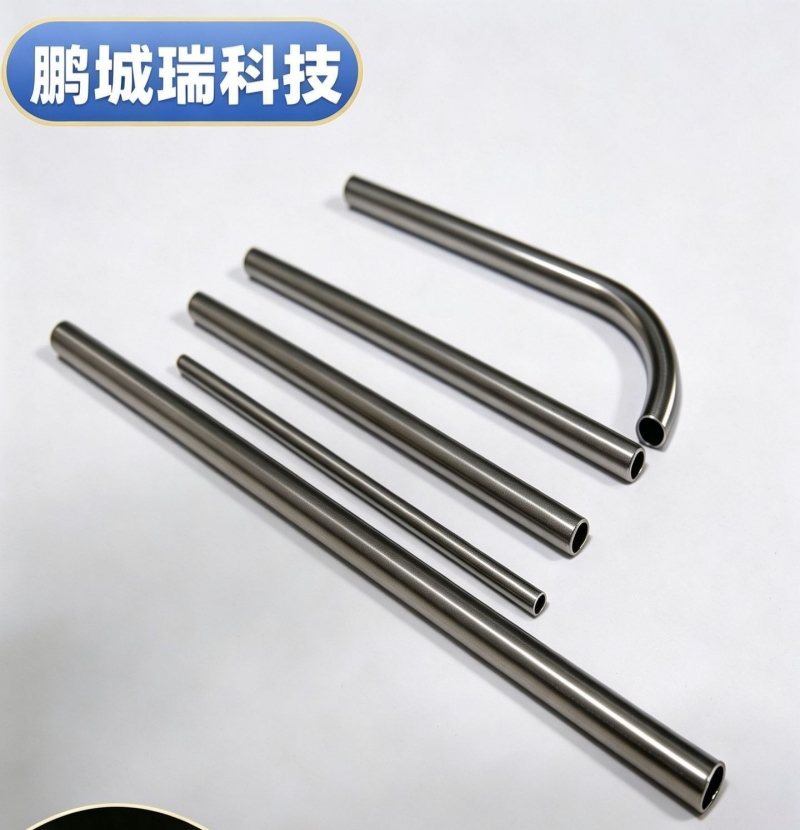
Ultra thin nickel titanium pipe
3、 Key heat treatment strengthening
1. Intermediate annealing: Regardless of whether it is cold drawing or warm rolling process, intermediate annealing is required after 1-3 processing passes. The annealing temperature for the warm rolling process is 800-900 ℃, and the insulation time is 30-90 minutes; The second annealing temperature after cold drawing is controlled at 350-600 ℃, protected by argon gas or vacuum environment to prevent oxidation of the pipe and eliminate processing stress.
2. Finished product heat treatment: After the finished product is processed, it undergoes solid solution and aging treatment. First, maintain the temperature at 800-1000 ℃ for 5-30 minutes, then rapidly cool the water to obtain a uniform austenite structure; Heat at 400-550 ℃ for 0.5-2 hours for aging treatment to stabilize the phase transition temperature and ensure the superelasticity and shape memory performance of the pipe material.
4、 Finishing and Testing
1. Fine tuning correction: Straighten the formed ultra-thin wall pipes at 350-600 ℃ to eliminate bending defects. Subsequently, surface gloss treatment is carried out through grinding, mechanical polishing, or electropolishing to remove surface oxide layers and scratches, ensuring surface flatness.
2. Strict testing and screening: Dimensional testing must ensure that the wall thickness tolerance is ≤± 0.01mm and the outer diameter tolerance meets the design standards; Mechanical properties are tested through tensile, expansion, and flattening tests, and the phase transition temperature is measured using differential scanning calorimetry; The surface needs to be washed with alkali and acid to remove impurities, and then inspected for internal defects through ultrasonic testing to ensure that the finished product has no cracks and uniform wall thickness.
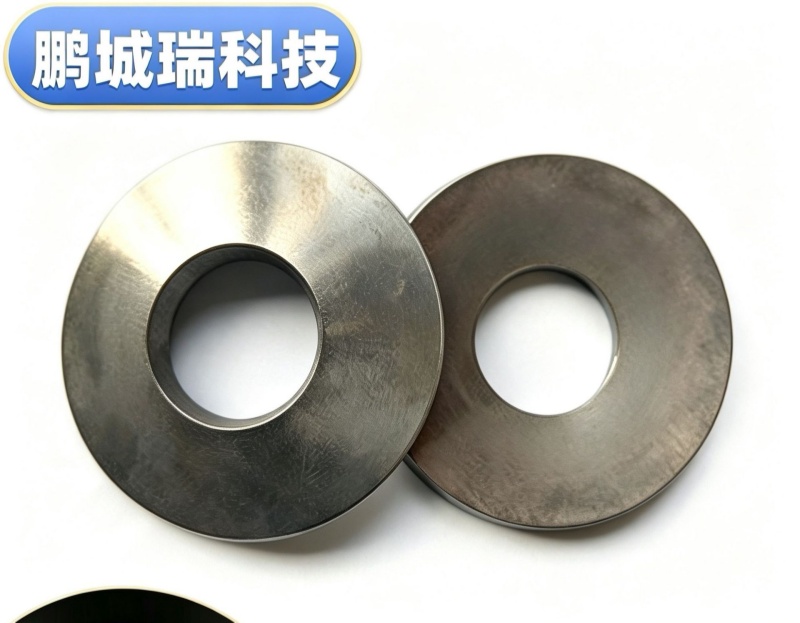
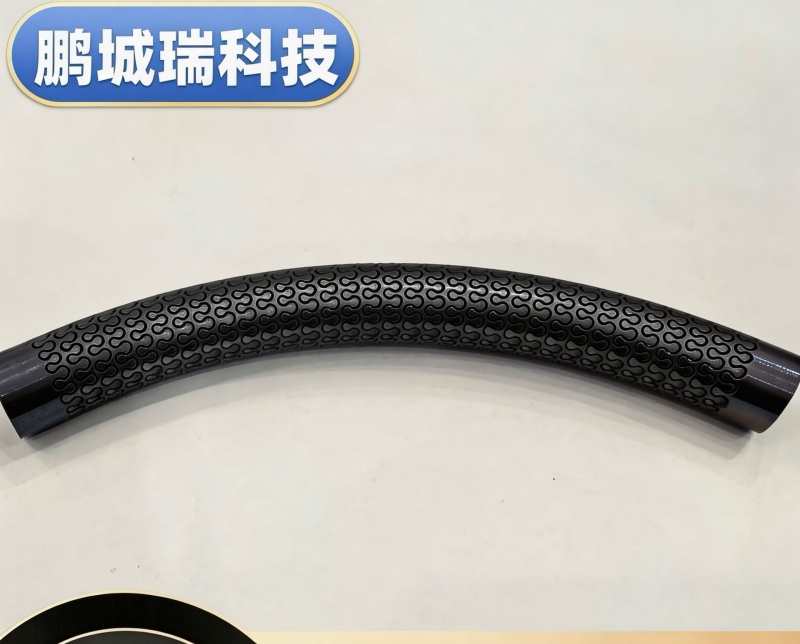
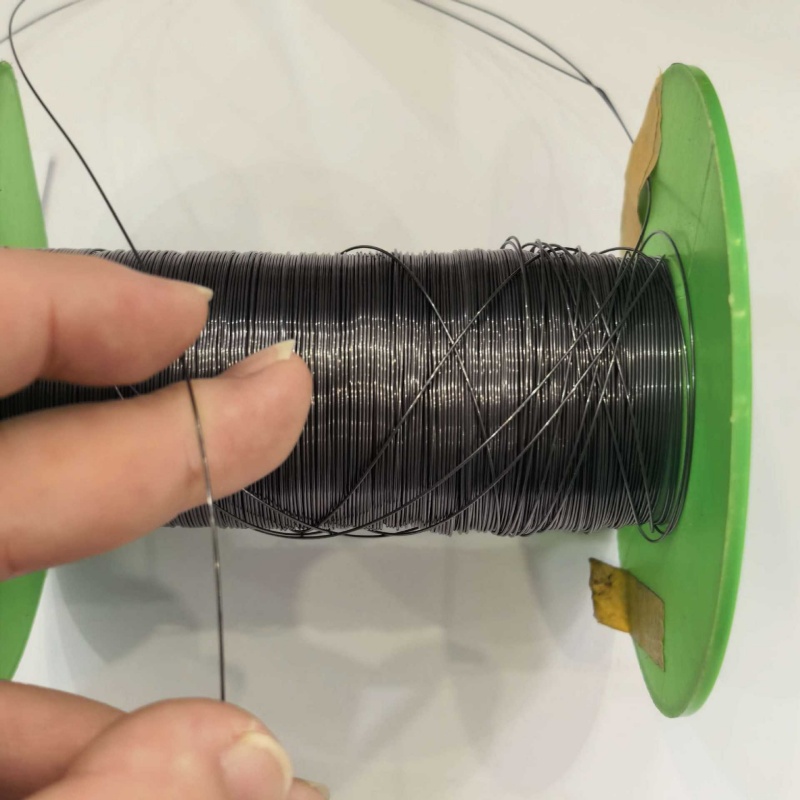
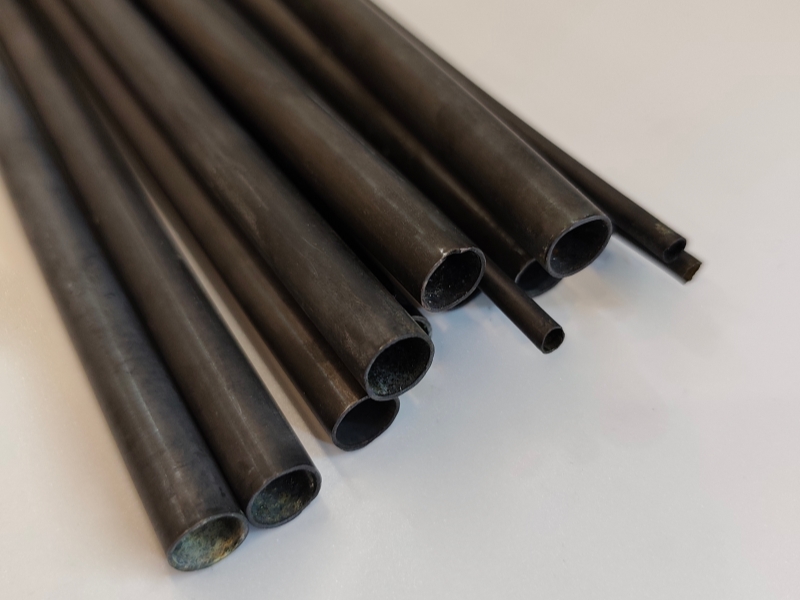
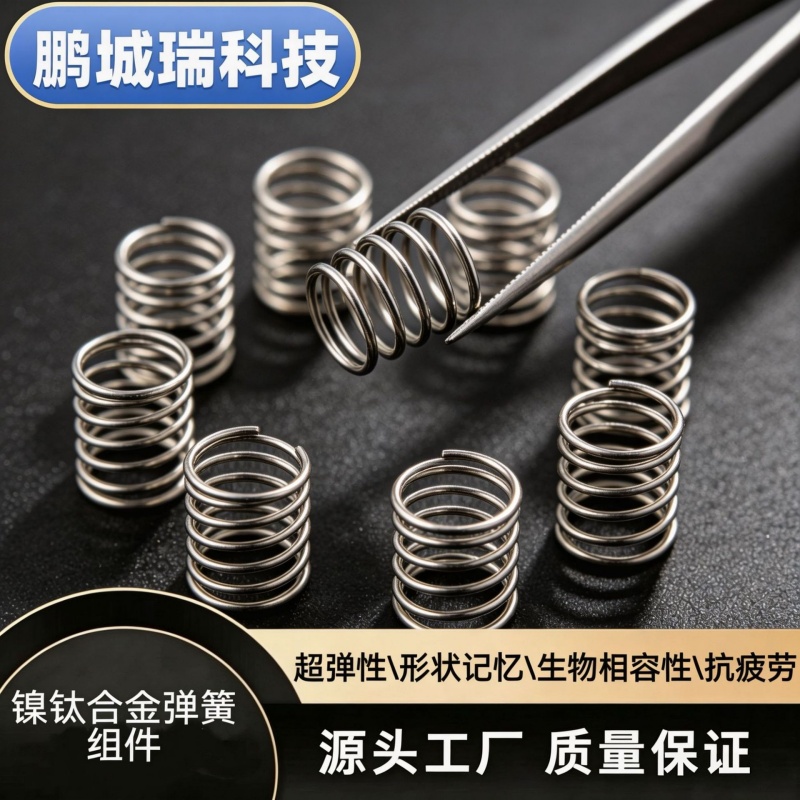
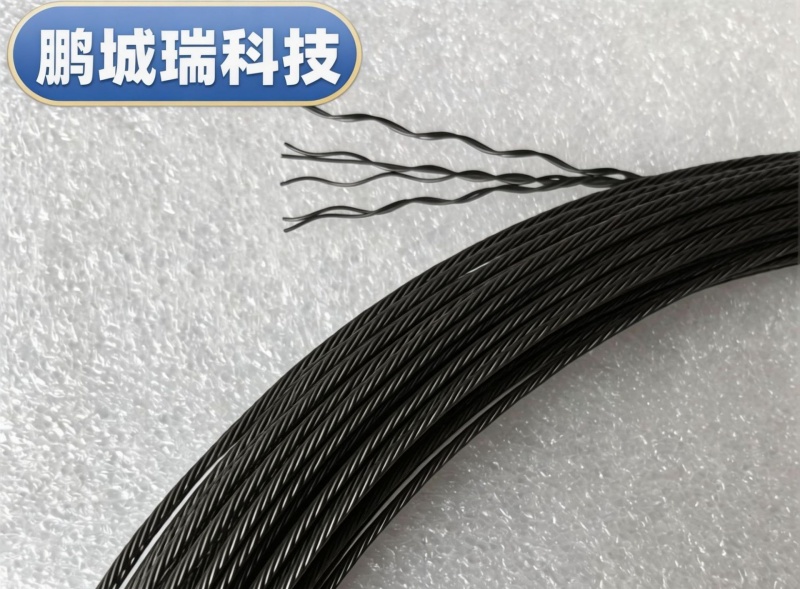
Wuge nickel titanium alloy material, independently developed seamless nickel titanium alloy tube, minimum outer diameter 0.8mm, inner diameter 0.3mm, ultra-thin wall, wall thickness (0.08mm-4mm), complete specifications, supports customization, welcome everyone to communicate and exchange.
Nitinol
Seamless nickel titanium tube Nickel titanium fiber wire Nickel titanium plateApplication Area
Medical Industry New Energy Aerospace Machinery Manufacturing Marine Engineering Petrochemical IndustryContact Us
Contacts:Manager Wu +86 13632667260


 WeChat
 Call me
X