
 Chinese
 English
Service Hotline
+86 18948275773+86 13632667260



The heat treatment standards for nickel titanium alloys revolve around different application scenarios, forming two major systems: domestic national standards, industry standards, and international general standards. In addition to the core standards mentioned earlier, there are also some supplementary standards that improve the requirements related to heat treatment from dimensions such as testing methods and specific product specifications. The following is the editor's summary:
1、 Domestic standards
1. YS/T 1064-2015: This standard defines key terms related to martensitic transformation initiation temperature, peak temperature, and completion temperature in nickel titanium alloys, providing a basis for determining the transformation temperature during heat treatment. It assists technical personnel in determining whether the heat treatment process meets the standards through the transformation temperature, and is the basic standard for connecting the heat treatment process and performance testing of nickel titanium alloys.
2. GB/T 2975-2014: Although it is a general heat treatment related regulation for nickel based alloys, it can be used as a reference standard for heat treatment of nickel titanium alloys. It clarifies the basic process requirements for temperature control, insulation time calibration, and cooling methods during the heat treatment process, ensuring the standardization of the heat treatment process for nickel titanium alloys in domestic production and maintaining process synergy with other nickel based alloys.
3. YY/T 0641: Thermal analysis testing standard for the pharmaceutical industry, commonly used for detecting the phase transition temperature of medical nickel titanium alloys after heat treatment. The testing process of thermal analysis method is specified, which requires the measured values of key phase transition temperature points of nickel titanium alloy after heat treatment to be within the specified tolerance range. This is an important testing basis to ensure the quality of heat treatment of medical nickel titanium implants.
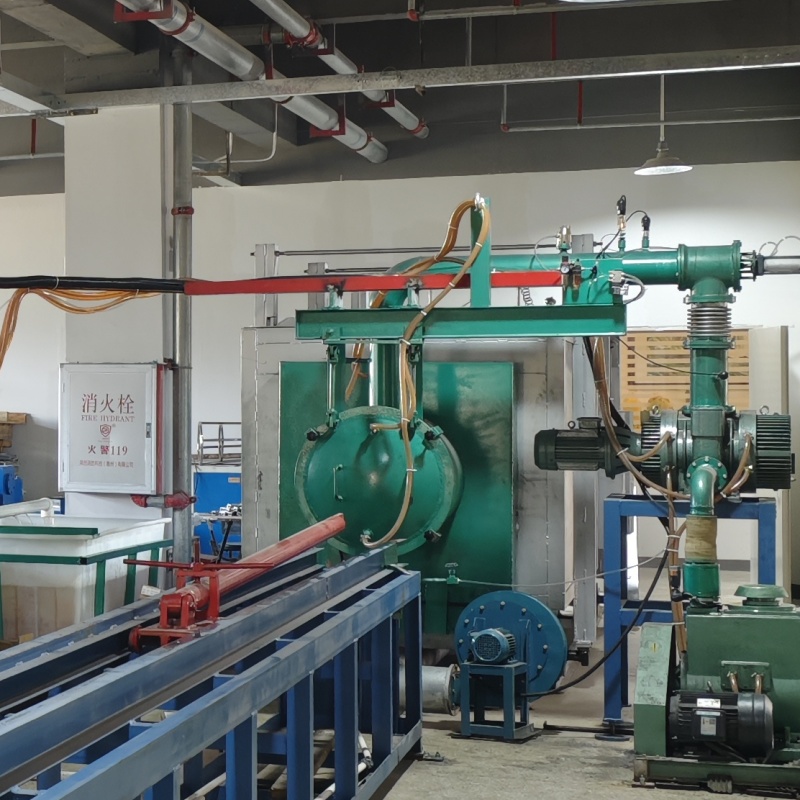
Nickel titanium alloy vacuum melting furnace
2、 International standards
1. ASTM F2516: This standard is related to the mechanical property testing of nickel titanium alloys after heat treatment. Its specified UPS (hyperelastic limit stress), LPS (low elastic limit stress) and other indicators directly guide the adjustment of heat treatment process parameters. For example, for cardiovascular stents, it is necessary to verify whether the stress index of the material meets the safety requirements for implantation in the human body after 450 ℃/10min heat treatment according to this standard.
2. ASTM B425: As a heat treatment process specification for nickel based alloys, it provides a general technical reference for the heat treatment of nickel titanium alloys. The general parameter design principles for solid solution, aging and other processes covered in it can be adjusted and used in combination with the shape memory characteristics of nickel titanium alloys, and are suitable for non-medical fields such as heat treatment process design of nickel titanium alloys for aviation accessories.
3. BS HR 403:1973: British Standard, focusing on cold working and softening seamless nickel chromium titanium heat-resistant alloy pipes. Although not specifically for nickel titanium binary alloys, the softening heat treatment specifications for heat-resistant alloys have reference value for setting parameters such as annealing temperature and cooling method for titanium nickel based alloys (including nickel titanium series), which can be used as a reference for the heat treatment process of nickel titanium alloy pipes under high temperature conditions.
4. WK 84718 (Proposed Standard): A proposed standard developed under the leadership of the ASTM International Committee on Medical Materials, specifically for forged nickel titanium shape memory alloy thin plates and sheets. This standard fills the gap in the heat treatment specifications for forged nickel titanium thin plates in existing standards, clarifying parameters such as temperature and insulation time during the heat treatment process of such materials, and providing guidance for the heat treatment of ultra-thin nickel titanium implant components in the medical field.
These standards complement each other, covering not only specific parameter requirements for heat treatment processes, but also supporting content such as effect verification and terminology definition, covering the quality control requirements for heat treatment in mainstream application fields of nickel titanium alloys such as medical and aviation.
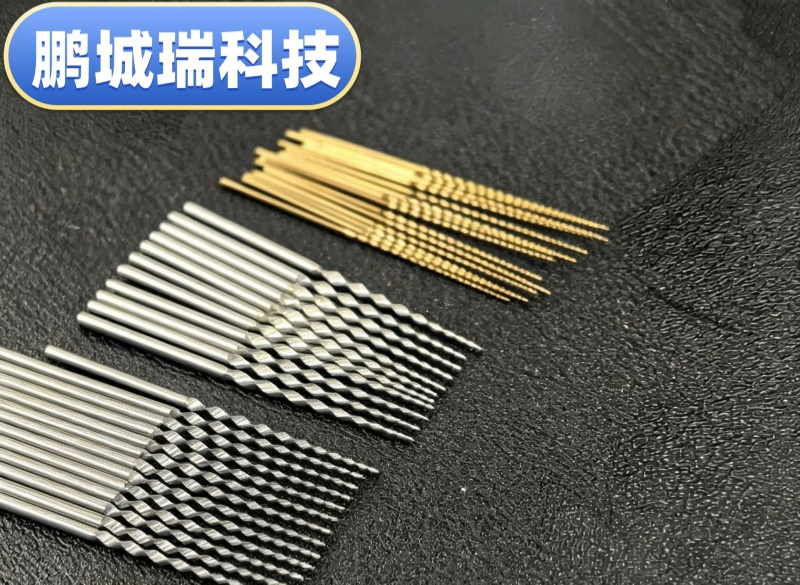
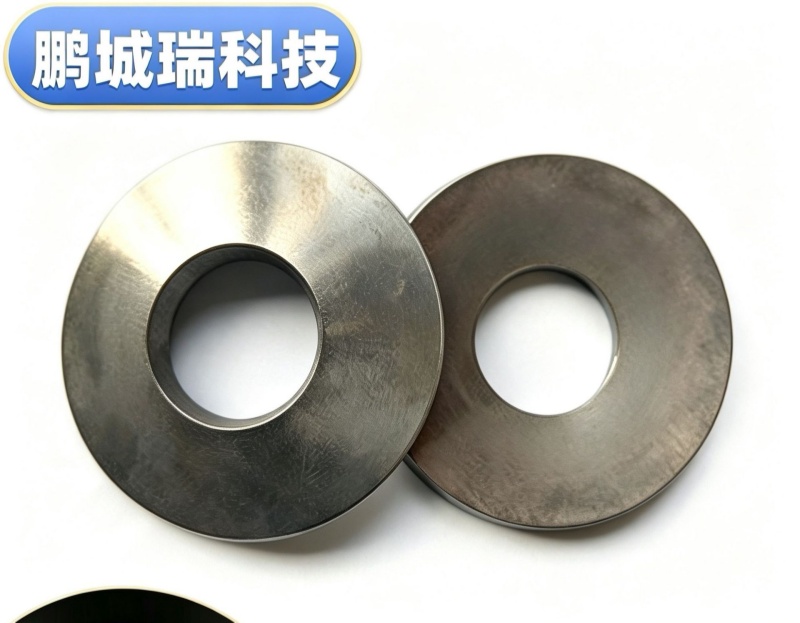
Nitinol
Seamless nickel titanium tube Nickel titanium fiber wire Nickel titanium plateApplication Area
Medical Industry New Energy Aerospace Machinery Manufacturing Marine Engineering Petrochemical IndustryContact Us
Contacts:Manager Wu +86 13632667260


 WeChat
 Call me
X