
 Chinese
 English
Service Hotline
+86 18948275773+86 13632667260


The processing of nickel titanium alloy needs to focus on its shape memory effect and superelasticity. The core methods can be divided into three categories: hot processing, cold processing, and special processing. Different methods are suitable for different product shapes and precision requirements.
1、 Hot processing: laying the foundation for raw materials
Hot processing is the initial stage of nickel titanium alloy processing, mainly used to prepare basic billets such as ingots, bars, and plates. It needs to be carried out within a specific temperature range to avoid oxidation and performance degradation.
1. Vacuum melting: As the primary step in preparing nickel titanium alloy ingots, it needs to be carried out in a vacuum environment, commonly using electric arc furnaces or induction furnaces. This method can accurately control the composition ratio of nickel and titanium (usually 1:1 atomic ratio), reduce impurity content, and ensure the basic properties of the alloy.
2. Hot forging/hot rolling: Heat the melted ingot to 800-1000 ℃ and use forging or rolling processes to produce bars, plates, or pipes. During the processing, it is necessary to control the heating speed and deformation amount to prevent alloy cracking, while also reserving uniform microstructure for subsequent cold processing.
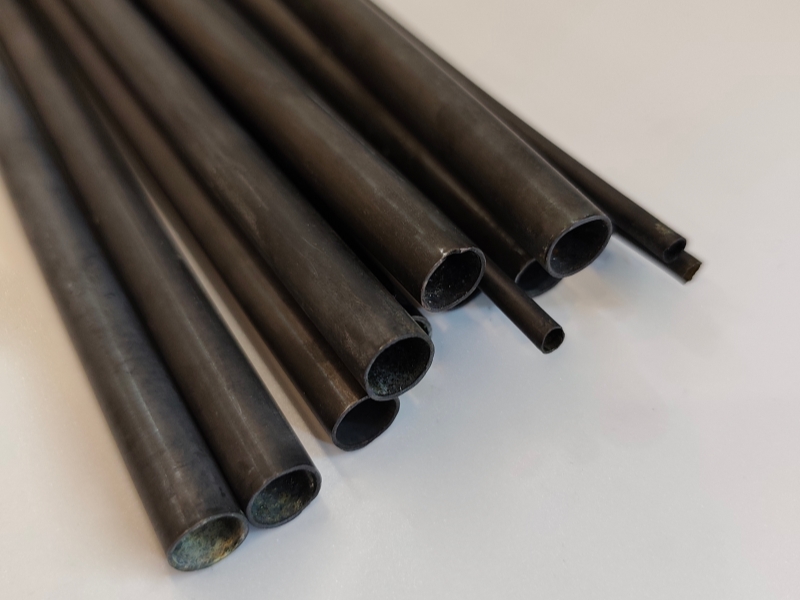
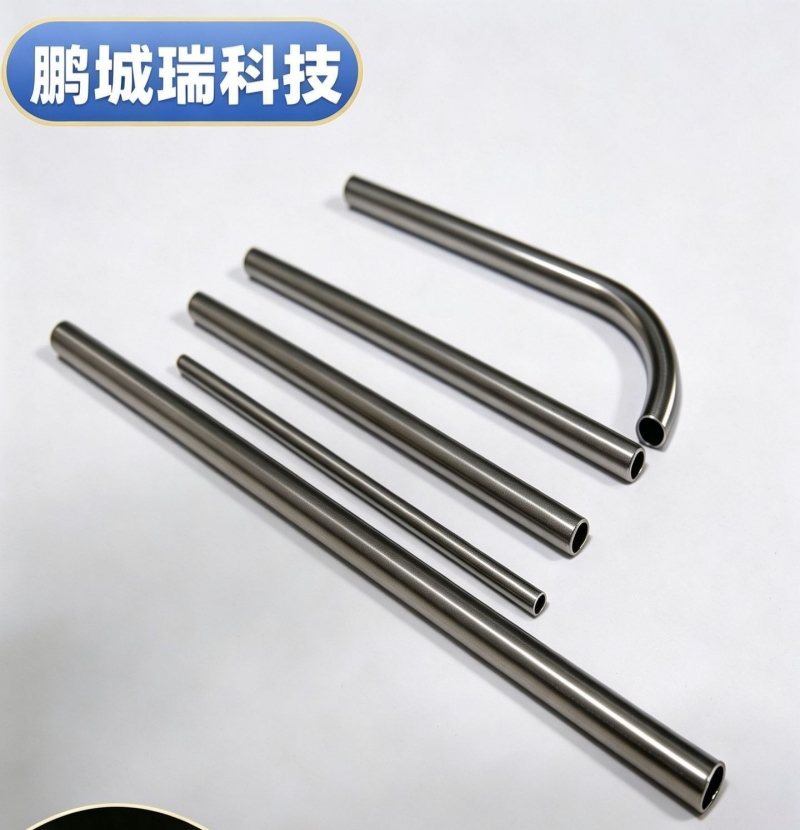
3. Hot extrusion: suitable for preparing complex cross-sectional products such as pipes and profiles. By extruding the heated billet through a mold, high dimensional accuracy and dense internal structure can be obtained, and subsequent processing only requires a small amount to meet usage requirements.
2、 Cold processing: improving accuracy and performance
Cold working is performed at room temperature or lower temperatures to further refine product dimensions, improve surface quality, and adjust the mechanical properties of alloys through work hardening. It is a key step in preparing high-precision parts.
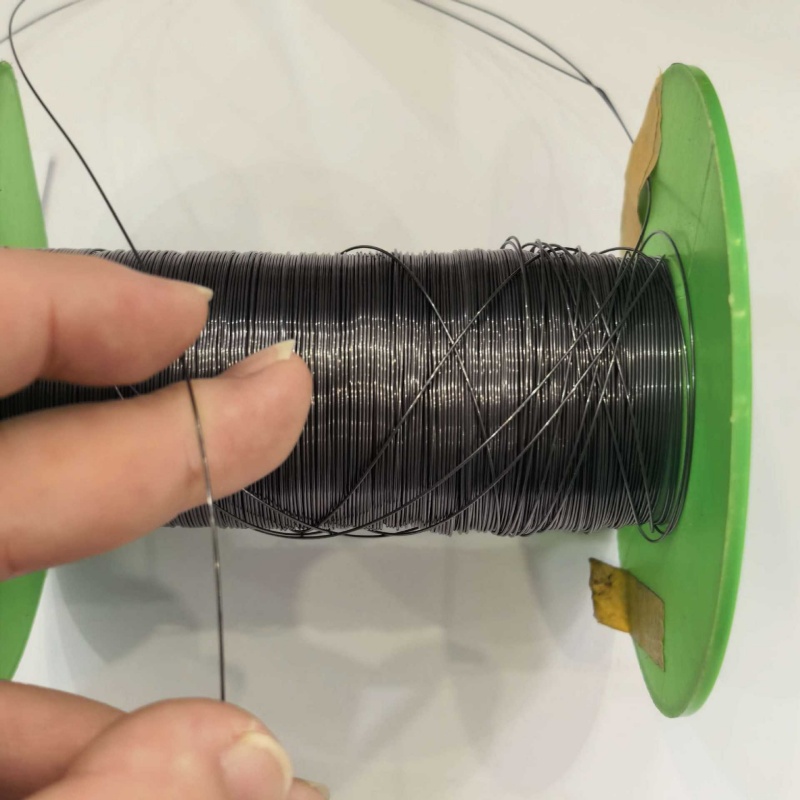
1. Cold rolling/cold drawing: For sheet, strip or wire, the thickness/diameter is reduced by rolling or drawing at room temperature to improve dimensional accuracy and surface smoothness. Due to the obvious cold work hardening of nickel titanium alloy, the deformation per pass needs to be controlled within 5% -15%, and annealing treatment is required in the middle to restore plasticity.
2. Stamping/bending: Using molds to stamping nickel titanium alloy sheets or strips, complex shaped parts such as blades and brackets can be prepared. During processing, the stamping speed and mold clearance should be adjusted according to the superelasticity of the alloy to avoid springback affecting dimensional accuracy.
3. Cutting: Nickel titanium alloy is a difficult to cut material and requires the use of hard alloy or cubic boron nitride (CBN) cutting tools, with low speed (50-100m/min) and small feed rate processing parameters. Adequate cooling is required during the cutting process to prevent surface oxidation or changes in properties of the alloy caused by high temperatures.

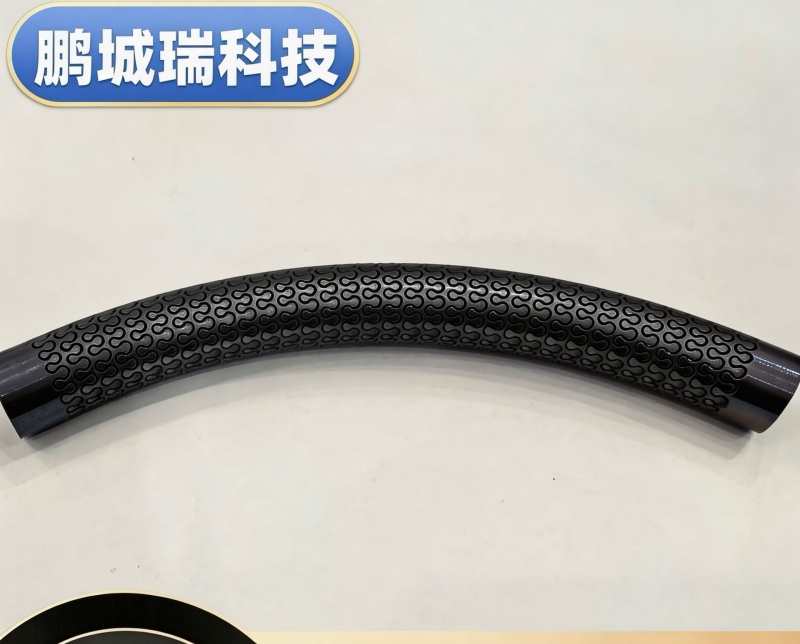
Nickel titanium alloy processing
3、 Special processing: solving complex precision requirements
When products require high precision, complex shapes, or thin-walled structures, conventional processing methods are difficult to meet, and special processing techniques are needed. These methods usually do not rely on mechanical force and can avoid damage to alloy properties.
1. Laser processing: including laser cutting, laser welding, and laser surface treatment. Laser cutting can achieve high-precision processing of complex shapes, with smooth incisions and small heat affected zones; Laser welding can be performed under vacuum or protective gas to ensure that the weld strength is consistent with the base material, and is commonly used for connecting precision products such as medical stents.
2. Electrical Discharge Machining (EDM): Using electrical discharge between electrodes and workpieces to remove materials, suitable for machining complex cavities, small holes, or irregular surfaces. This method has no mechanical stress and can accurately control the machining dimensions. It is commonly used in the manufacturing of precision parts in the aerospace industry.
3. Electrochemical machining (ECM): By dissolving the surface material of the workpiece through electrolysis, there is no cutting force or tool wear during the machining process, and a high smoothness surface can be obtained. Suitable for batch processing of thin-walled and complex shaped nickel titanium alloy parts, such as engine blades.
4、 Key auxiliary processes
Regardless of the processing method used, the following auxiliary processes are crucial for ensuring the performance of nickel titanium alloys:
Annealing treatment: After cold processing, annealing should be carried out at 400-500 ℃ to eliminate internal stress and restore plasticity. At the same time, the phase transition temperature (Af, Ms point) of the alloy can be controlled by adjusting the annealing temperature and time to meet the needs of different application scenarios.
Surface treatment: After processing, acid washing (to remove oxide skin), polishing (to improve surface smoothness), or coating (such as biocompatible coatings) are required. Especially in the medical field, surface quality directly affects the safety and service life of the product.
If you need more specific processing solutions, such as laser cutting parameters for medical stents or optimization of cold drawing processes for nickel titanium wires, you can contact us for Wuge Nickel Titanium Alloy Materials. Welcome to communicate.
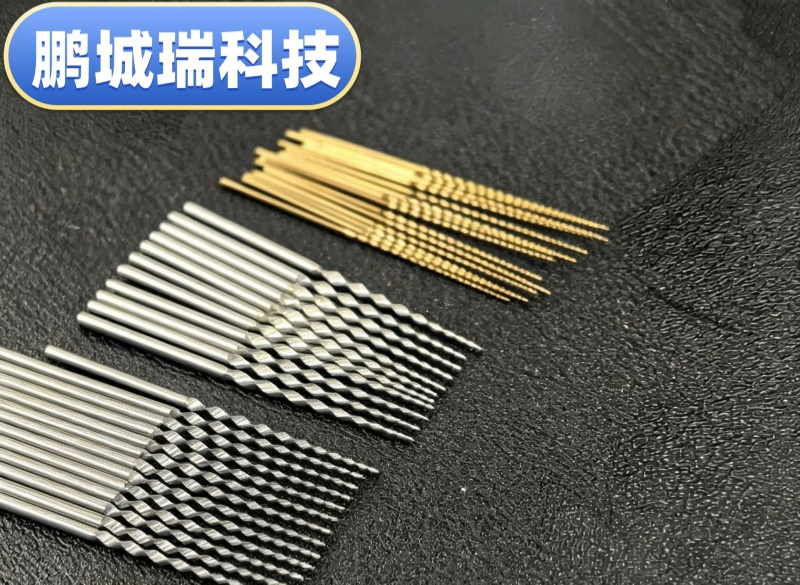
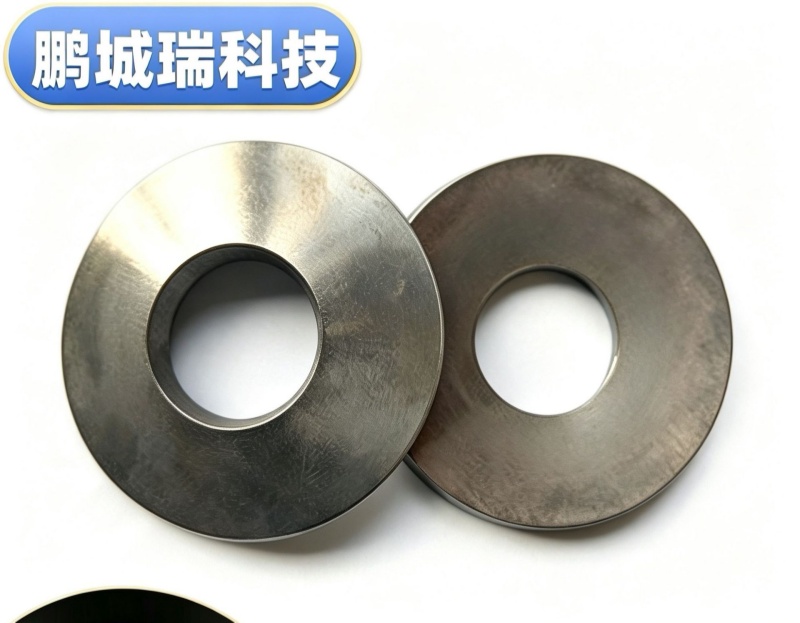
Nitinol
Seamless nickel titanium tube Nickel titanium fiber wire Nickel titanium plateApplication Area
Medical Industry New Energy Aerospace Machinery Manufacturing Marine Engineering Petrochemical IndustryContact Us
Contacts:Manager Wu +86 13632667260


 WeChat
 Call me
X