
 Chinese
 English
Service Hotline
+86 18948275773+86 13632667260



The processing of nickel titanium cold-rolled pipes is a key step in making high-precision pipes from nickel titanium alloy billets through cold rolling technology. The core lies in balancing the superelasticity/shape memory characteristics of the material with the processing accuracy.
1、 Core processing flow
The processing of nickel titanium cold-rolled pipes requires multiple processes, and each step needs to be controlled in a targeted manner to avoid damage to material properties.
1. Preparation of billets: Nickel titanium alloy billets are made using extrusion or perforation processes to ensure uniform composition and no internal defects.
2. Cold rolling forming: Using multi roll cold rolling mills (such as three roll and five roll) for rolling, gradually rolling the billet into the target size by controlling the rolling force, speed, and reduction amount. This step needs to be performed multiple times, and intermediate treatment is required after each rolling.
3. Intermediate heat treatment: After each cold rolling, a solution treatment (usually 700-850 ℃) is carried out to eliminate work hardening, restore material plasticity, and prepare for the next cold rolling.
4. Finishing and finished product processing: After the last cold rolling, straightening, cutting to length, surface polishing, and some scenes also require aging treatment to adjust the shape memory temperature or superelastic properties of the pipe.
2、 Key technical difficulties and control points
The special physical properties of nickel titanium alloys make cold rolling much more difficult than ordinary metals, and the following issues need to be addressed:
Severe work hardening: The hardness of nickel titanium alloy increases rapidly during cold rolling, and it is necessary to strictly control the single pressing amount (usually not exceeding 15%) and increase the number of intermediate heat treatments to avoid cracking of the pipe.
Dimensional accuracy control: High precision rolling mills and online diameter measurement systems are required to monitor the outer diameter and wall thickness tolerances of the pipes in real time, ensuring that the final accuracy reaches the ± 0.01mm level (adjusted according to application requirements).
Performance protection: During the cold rolling process, it is necessary to avoid excessive deformation that may cause the martensitic transformation point of the material to shift, while controlling the rolling temperature (usually at room temperature or slightly above room temperature) to prevent oxidation from affecting surface quality.

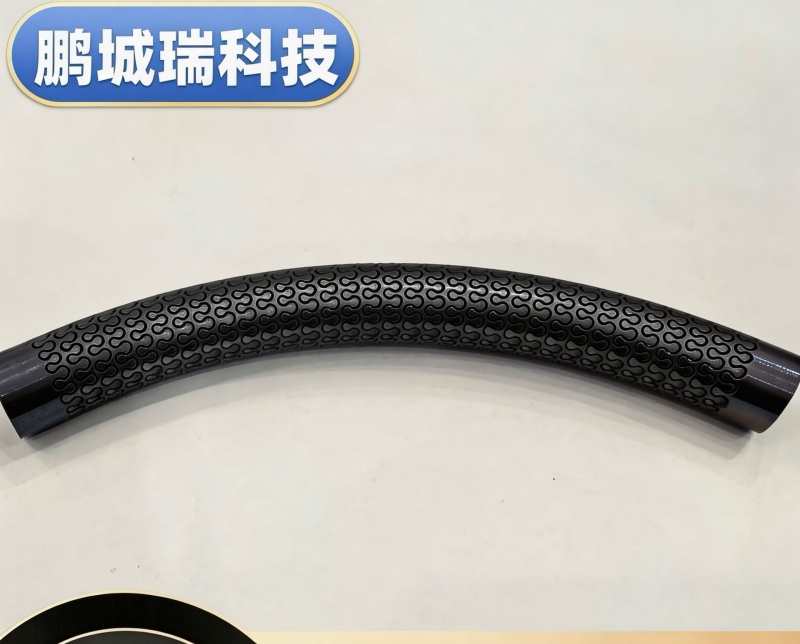
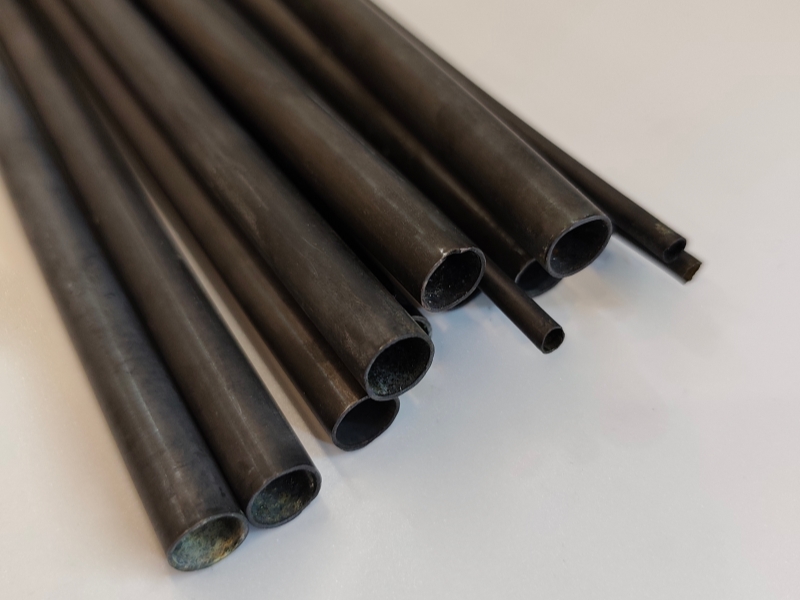
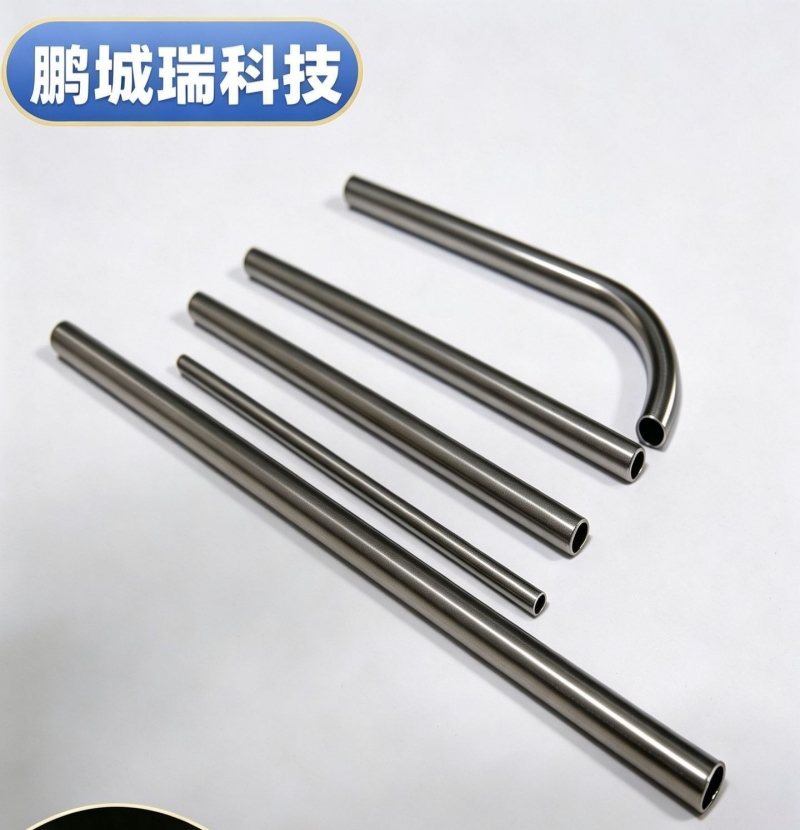
Nickel titanium cold-rolled tube
3、 Prospects for Processing Nickel Titanium Cold Rolled Tubes
Market demand continues to grow: Nickel titanium cold-rolled tubes have a wide range of applications in multiple fields due to their unique superelasticity, shape memory effect, and good biocompatibility. The market size of China's nickel titanium tube industry will reach 1.23 billion yuan in 2024, a year-on-year increase of 7.8% compared to 2023, and is expected to reach 1.32 billion yuan in 2025, a year-on-year increase of 7.5%. Among them, medical grade nickel titanium tubes account for over 70% of the market, with a market size of about 860 million yuan, and the non-medical field market size is about 370 million yuan. Their applications in high-end manufacturing industries such as aerospace, robotics, and precision instruments are gradually expanding.
Technological innovation drives development: With the continuous advancement of technology, some new production processes and equipment are gradually being applied to the nickel titanium cold-rolled pipe processing industry. For example, 3D printing technology can be used to manufacture nickel titanium alloy pipes with complex shapes, nanomaterials are added to alloy formulations to improve product strength and corrosion resistance, and laser cladding technology can achieve fast and efficient surface strengthening treatment. The application of these technologies will improve the performance and quality of nickel titanium cold-rolled pipes, and expand their application fields.
The process of domestic substitution is accelerating: domestic nickel titanium tube production enterprises are constantly breaking through in technology research and development and product performance, and the trend of domestic substitution for imports is obvious. In 2024, the self-sufficiency rate of domestic nickel titanium tube products has reached 68.4%, a significant increase from 52.1% in 2020. It is expected that by 2025, the self-sufficiency rate will further increase to 72.3%, and the dependence on imports will continue to decline.
Expansion of emerging application areas: China's new energy industry is developing rapidly, and the application of nickel titanium cold-rolled pipes in fields such as wind turbines and solar power generation is constantly increasing, providing new market space for them. In addition, nickel titanium cold-rolled pipes are expected to be widely used in fields such as smart wearables and robot flexible actuators due to their unique properties.
Increased policy support: The sustained support from the government for the high-end medical device industry, aerospace and other fields will indirectly promote the development of the nickel titanium cold-rolled tube processing industry. For example, the country's support for the localization process of medical equipment will promote the growth of market demand for medical nickel titanium tubes.
4、 Main application areas
Nickel titanium cold-rolled pipes are mainly used in scenarios with extremely high reliability requirements due to their high precision and special mechanical properties
Medical field: Manufacturing cardiovascular stents, catheters, and endoscope accessories, utilizing their super elasticity to achieve minimally invasive implantation and shape recovery.
Precision instruments: used for micro sensor housings and special valve cores, relying on high precision and fatigue resistance to ensure long-term stable operation of equipment.
Aerospace: As a special fluid transport pipe, it adapts to the shape stability requirements in extreme temperature environments.
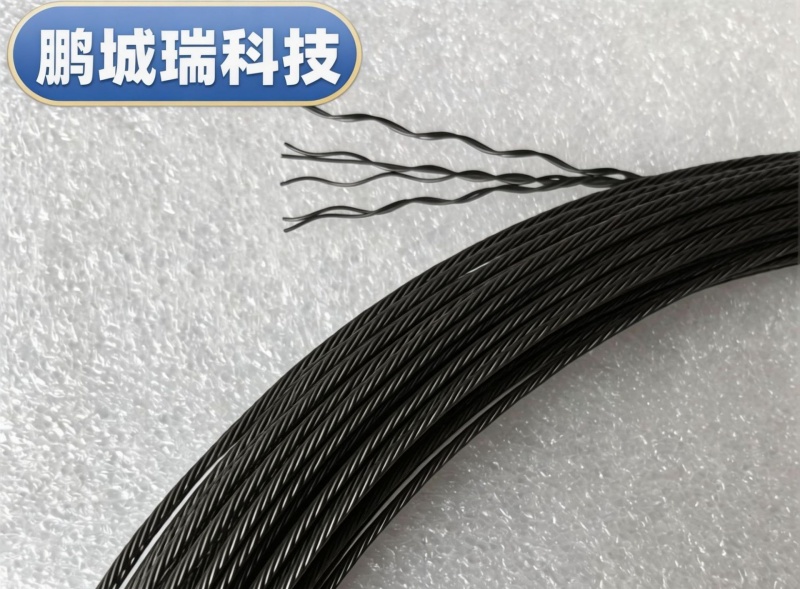
Nitinol
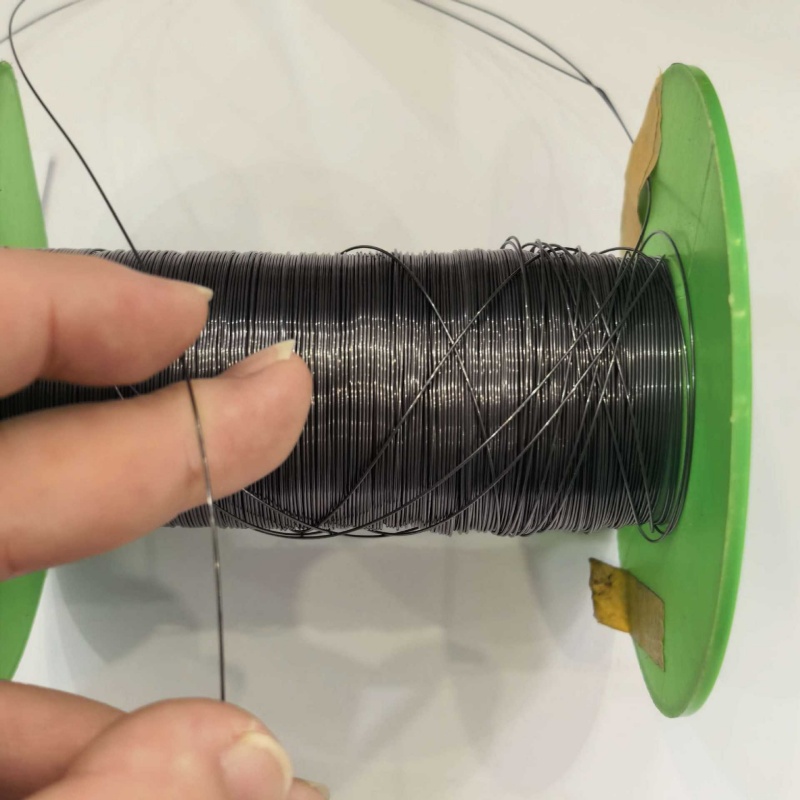
Seamless nickel titanium tube Nickel titanium fiber wire Nickel titanium plateApplication Area
Medical Industry New Energy Aerospace Machinery Manufacturing Marine Engineering Petrochemical IndustryContact Us
Contacts:Manager Wu +86 13632667260


 WeChat
 Call me
X