
 Chinese
 English
Service Hotline
+86 18948275773+86 13632667260



The shape memory effect of nickel titanium memory alloy is essentially a reversible crystal structure transformation process of "martensitic transformation" and "reverse transformation" that occurs under temperature changes. The core is the ordered switching of atomic arrangement inside the alloy, which is achieved through two key steps: "shape pre storage" and "deformation fixation". Specifically, it can be broken down into the following four core stages:
1、 Basic premise: Two reversible crystal structures (phase states)
Nickel titanium alloys exhibit two stable crystal structures at different temperatures, which are the "material basis" of shape memory effect:
1. High temperature phase (parent phase): Austenite (abbreviated as phase A)
Existence temperature: Stable above the "austenite transformation temperature (As point)" of the alloy.
Structural characteristics: The atomic arrangement is highly ordered (body centered cubic structure), and the alloy exhibits high strength, high elasticity, and low plasticity as a whole. At this time, the shape will be "remembered" as the "initial preset shape" (i.e. the shape we hope it will eventually recover).
2. Low temperature phase (sub phase): Martensite (abbreviated as M phase)
Existence temperature: Stable below the "martensitic transformation temperature (Ms point)" of the alloy.
Structural characteristics: The atomic arrangement is relatively disordered (mononuclear monoclinic structure), and the alloy exhibits low strength and high plasticity as a whole. It can easily undergo deformation under external forces (such as bending, stretching, and compression), and its shape can be stably maintained after deformation (i.e. "fixed deformation").
*Note: The As and Ms points of nickel titanium alloys can be controlled by adjusting the composition ratio of nickel and titanium (such as nickel content of 50%~51%) or adding trace elements (such as copper and iron), with a common range of 100 ℃~100 ℃. Therefore, they can be adapted to different scenarios (such as in vivo implantation requiring a body temperature of 37 ℃, and industrial devices requiring environmental temperature adaptation). *

Atomic arrangement of nickel titanium alloy
2、 Core process: Three steps of "pre stored shape → low-temperature deformation → high-temperature recovery"
The generation of shape memory effect is achieved by artificially controlling temperature and external force to switch the alloy between "austenite martensite". The specific process is as follows:
Step 1: High temperature pre storage of "initial shape" (memory stage)
Heat the nickel titanium alloy to a temperature far above the As point (usually 100-500 ℃), at which point the alloy is completely in the austenite phase and the atomic arrangement is orderly. Process it into the desired "initial shape" (such as the expanded shape of vascular stents or the standard curvature of eyeglass frames) through molds, and keep it warm for a period of time - the essence of this step is to make the austenite phase crystal structure "remember" the current shape and complete the "shape pre storage".
Step 2: Apply "temporary deformation" with external force at low temperature (fixed stage)
Cool the pre stored shaped alloy to a temperature below the Ms point to completely transform it into the martensitic phase. At this point, the plasticity of the alloy is greatly improved, and only small external forces (such as compression and bending) need to be applied to cause it to undergo significant deformation (deformation rate can reach 8%~10%, far exceeding the elastic limit of ordinary metals), becoming the "temporary shape" we need (such as compressing vascular stents into thin tubes for implantation, or bending eyeglass frames).
While maintaining external force and continuing to cool, the atoms of the martensitic phase will rearrange and "lock" in their deformed positions - at this point, removing the external force will not restore the deformation, completing the "temporary shape fixation".
Step 3: Heating again triggers "shape recovery" (memory effect manifested)
Slowly heating an alloy with fixed temporary deformation, when the temperature rises above the As point, the martensitic phase begins to reverse transform to the austenitic phase (reverse phase transformation): the atoms will return to the ordered arrangement state pre stored at high temperature, driving the alloy to automatically recover to the "initial shape" pre stored in the first step, and the recovery rate is close to 100% (as long as the deformation does not exceed the plastic limit of the martensitic phase).
When the temperature completely exceeds the "austenite end temperature (Af point)", the transformation is completely completed, and the alloy fully recovers its initial shape and returns to the high-strength austenite phase.

Nickel titanium memory alloy
3、 Key supplement: Super elasticity (pseudo elasticity) - "instant recovery" at room temperature
In addition to the classic shape memory effect of "heating recovery" mentioned above, nickel titanium alloys also exhibit "hyperelasticity" at room temperature (if the ambient temperature is higher than the As point), which is essentially a "dynamic martensitic transformation under the austenite phase" and can be understood as the "room temperature version shape memory effect":
When an external force is applied to the alloy at room temperature (austenite stable zone), a strong external force will "force" some austenite phases to transform into martensite phases (known as "stress-induced martensite"), causing significant deformation of the alloy;
After removing the external force, the stress disappears, and the "stress-induced martensite" immediately reverses to austenite phase, and the alloy instantly returns to its initial shape (such as when the eyeglass frame is bent and released to rebound).
This effect does not require temperature changes and is the core reason why nickel titanium products in daily life, such as eyeglass frames and underwear chest rests, are "resistant to bending and easy to recover".
The shape memory effect of nickel titanium memory alloy is not "magic", but based on the physical process of "temperature controlled crystal structure phase transformation": the austenite phase "remembers" the initial shape at high temperature, the martensite phase deforms and fixes under external force at low temperature, and then triggers reverse phase transformation by heating, allowing atoms to return to ordered arrangement, ultimately achieving precise shape recovery. The reversibility and controllability of this process make it a core material in fields such as healthcare, consumer electronics, and industry.
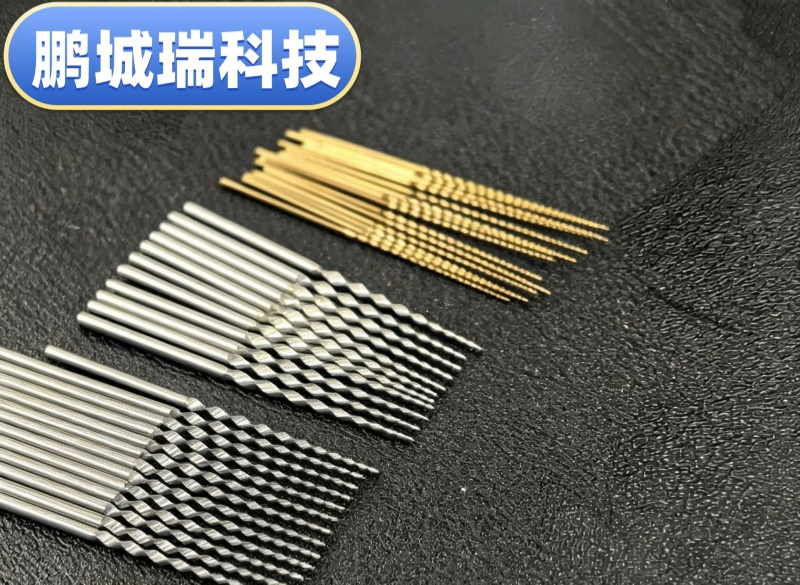
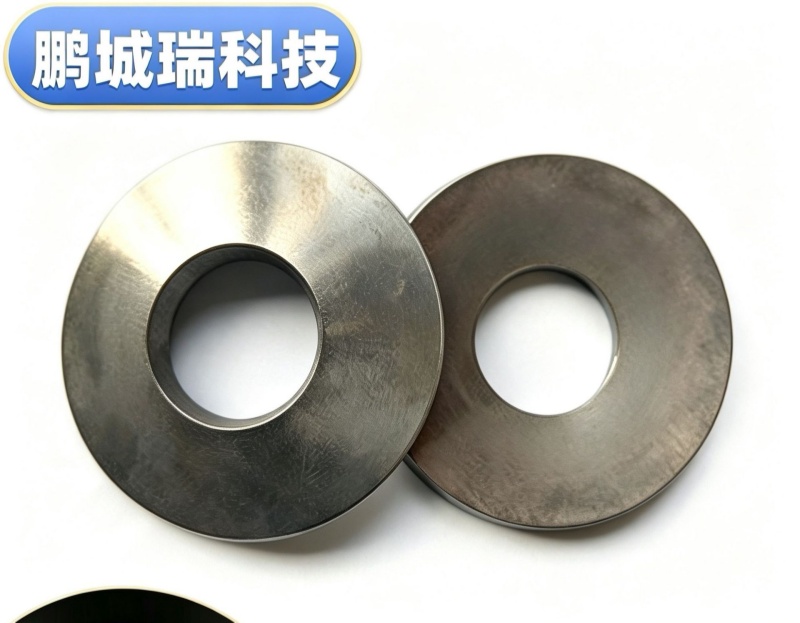
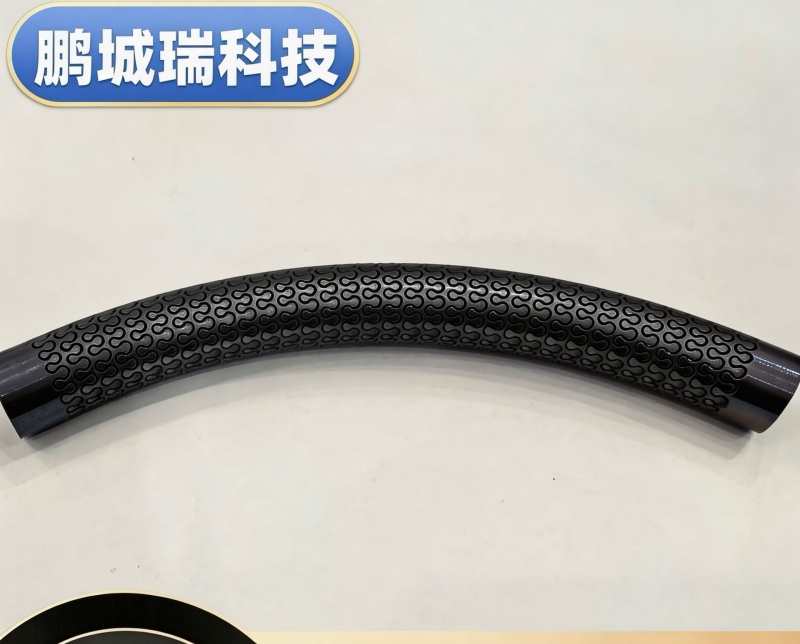
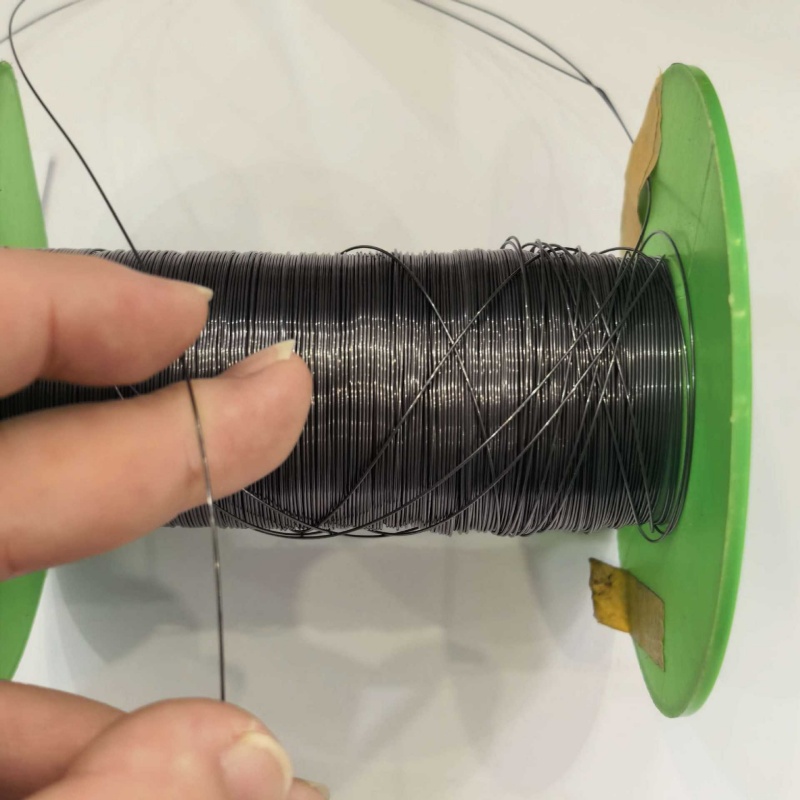
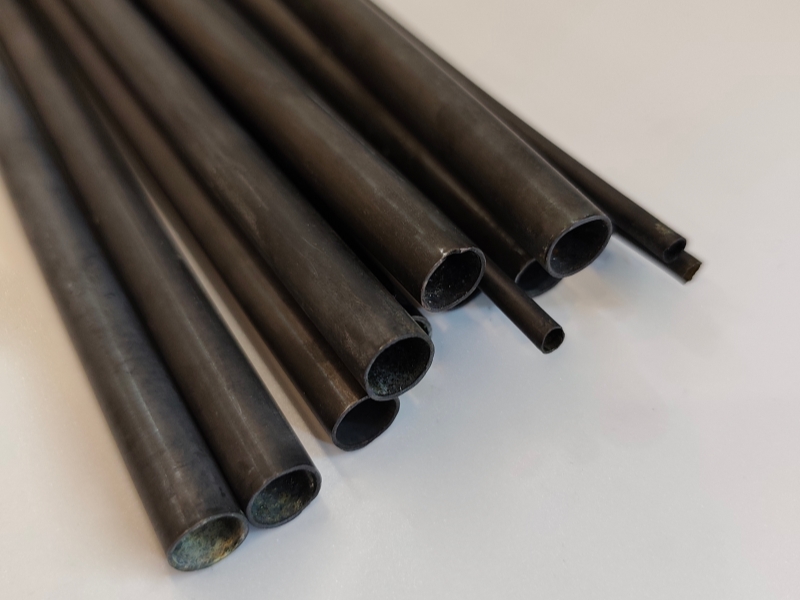
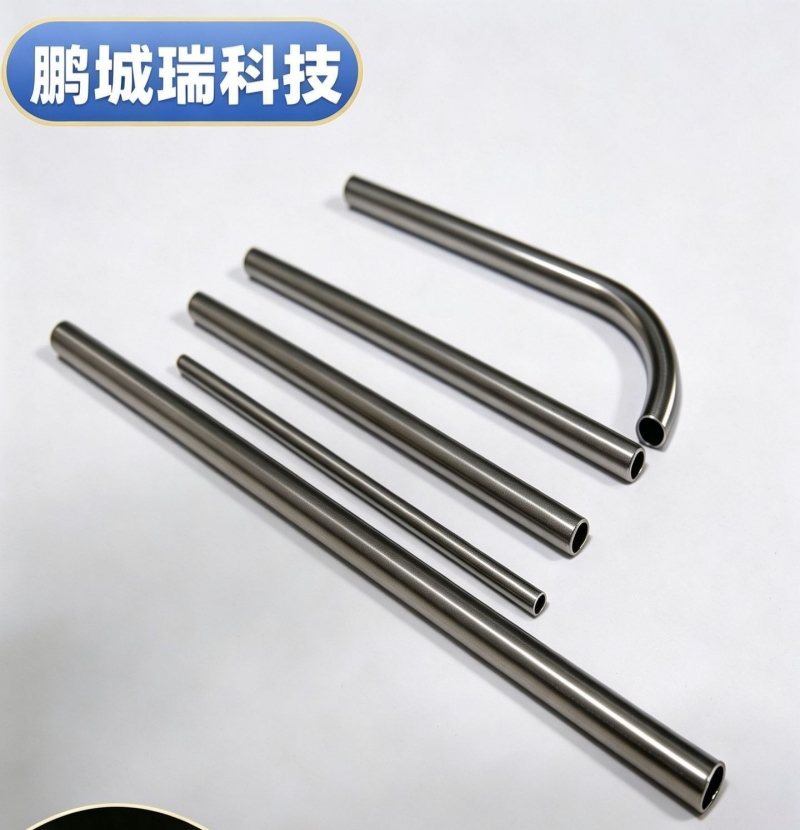
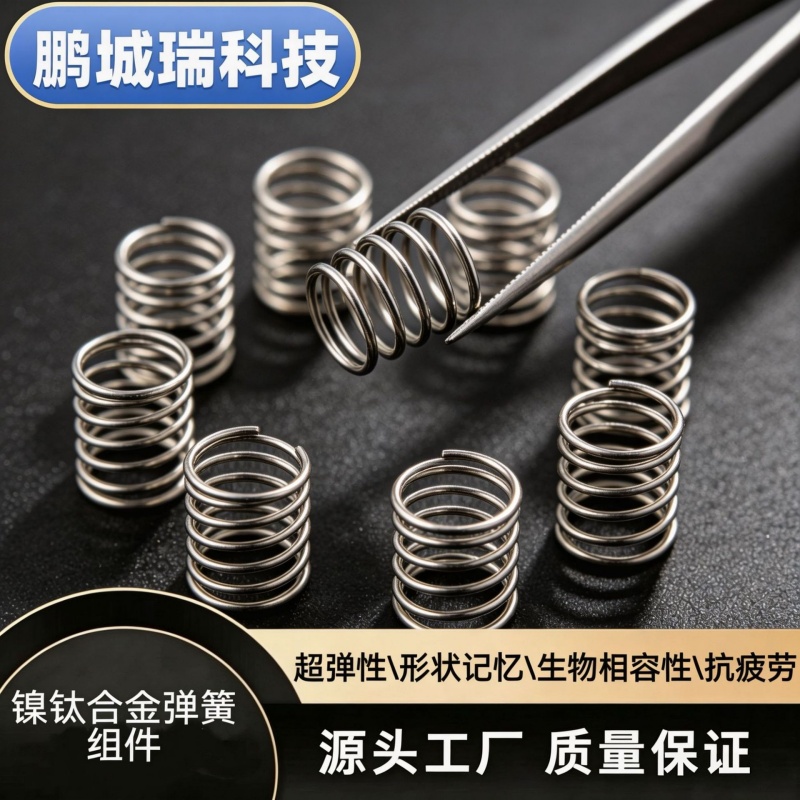
Nitinol
Seamless nickel titanium tube Nickel titanium fiber wire Nickel titanium plateApplication Area
Medical Industry New Energy Aerospace Machinery Manufacturing Marine Engineering Petrochemical IndustryContact Us
Contacts:Manager Wu +86 13632667260


 WeChat
 Call me
X