
 Chinese
 English
Service Hotline
+86 18948275773+86 13632667260



Composite materials with memory properties mainly refer to Shape Memory Composites (SMCs), which combine the intelligent response characteristics of shape memory materials with the advantages of high specific strength and stiffness of composite materials. They have wide applications in aerospace, medical devices, intelligent structures, and other fields.
1、 Main types
1. Shape memory alloy based composites (SMA composites)
Matrix: Shape memory alloys such as titanium nickel (TiNi) and copper zinc aluminum (CuZnAl)
Reinforcement: carbon fiber, glass fiber, ceramic particles
Features: High resilience, high response frequency, able to withstand large loads
Typical applications:
Aircraft wing leading edge de icing system
Adaptive vibration control device
Intelligent fasteners and connectors

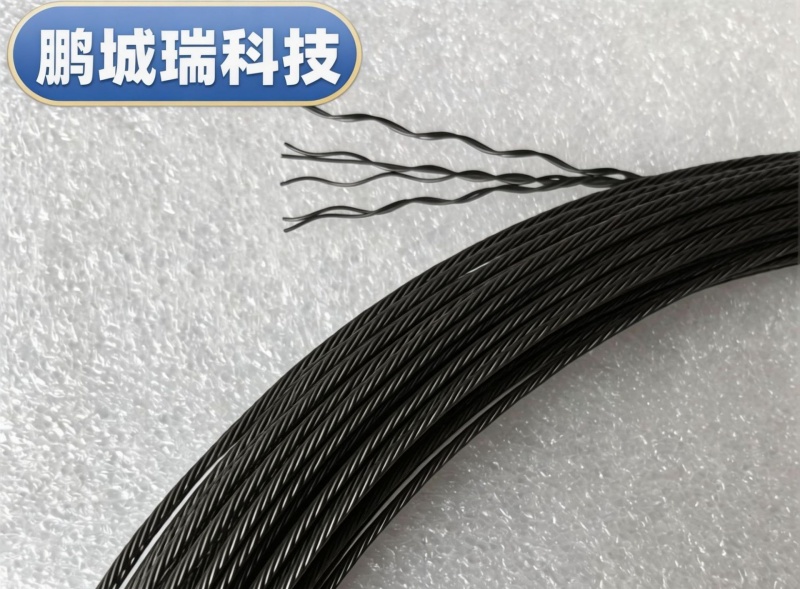
Nickel titanium memory alloy
2. Shape memory polymer based composites (SMP composites)
Matrix: Shape memory polymers such as epoxy resin, polyurethane, polylactic acid, etc
Enhancers: carbon fiber, glass fiber, graphene
Features: Large deformation, good processability, low cost
Typical applications:
Expandable spatial structures (satellite antennas, solar sails)
Medical stents and sutures
Intelligent packaging materials

Nickel titanium alloy carbon fiber composite material
3. Other new types of memory composite materials
Magnetron shape memory composite material: shape recovery triggered by magnetic field
Light controlled shape memory composite material: remote control achieved through photothermal conversion
Multi field responsive composite materials: capable of simultaneously responding to various stimuli such as temperature, light, electricity, and magnetism
2、 Application Fields
Aerospace: Variable wing structure, adaptive wing, deployable space structure
Biomedical: Minimally invasive interventional devices, self fixing bone repair materials, intelligent rehabilitation equipment
Automotive industry: active shock absorption system, collision energy absorption device
Intelligent Building: Adaptive Soundproofing/Insulation Structure, Intelligent Window Control System
Electronic devices: deformable display screen bracket, intelligent heat dissipation structure
3、 Performance characteristics
Bidirectional memory effect: reversible conversion between two shapes
Multi stimulus response: multiple triggering methods such as temperature, light, electricity, and magnetism
Structural integration: combining load-bearing and driving functions, reducing the number of components
High design freedom: performance parameters can be optimized through material combination
The core of composite materials with memory properties is to combine shape memory materials (such as alloys, polymers, ceramics) with other reinforcing phases (such as fibers, particles, nanomaterials) to optimize the mechanical properties (strength, toughness), functional stability, or expand new characteristics (such as conductivity, thermal conductivity, self-healing) of a single shape memory material. In the future, the development direction of memory property composite materials will focus on high temperature stability (breaking through SMP above 200 ℃), high recovery (SMP close to SMA), and multifunctional integration (memory+conductivity+self-healing), further promoting their applications in high-end manufacturing, biomedicine, deep space exploration and other fields.
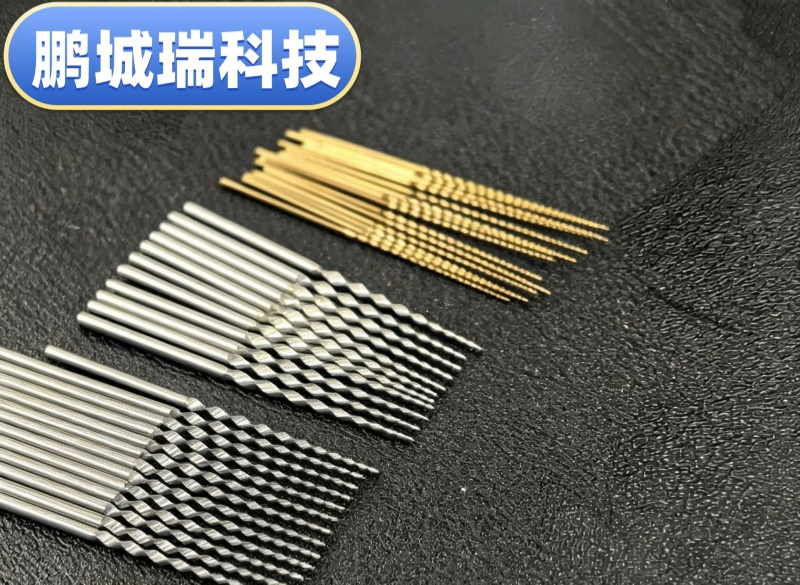
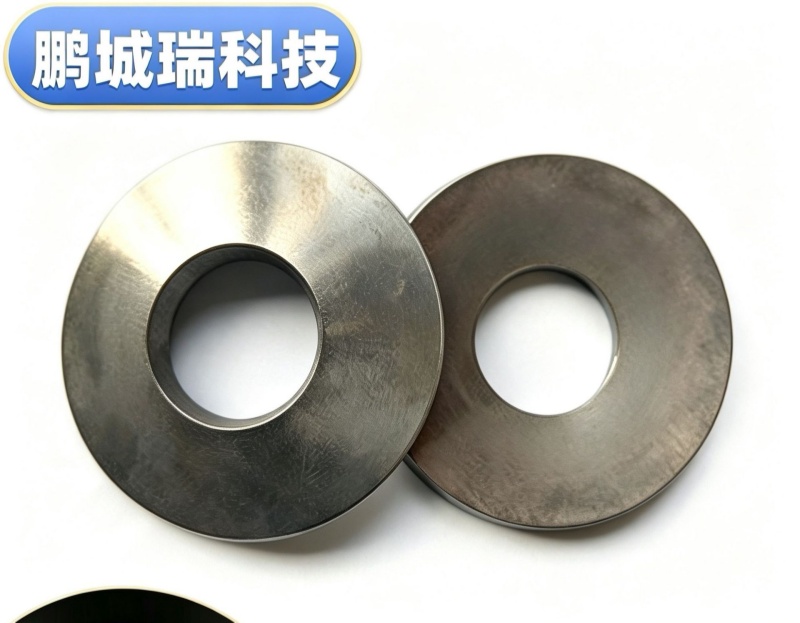
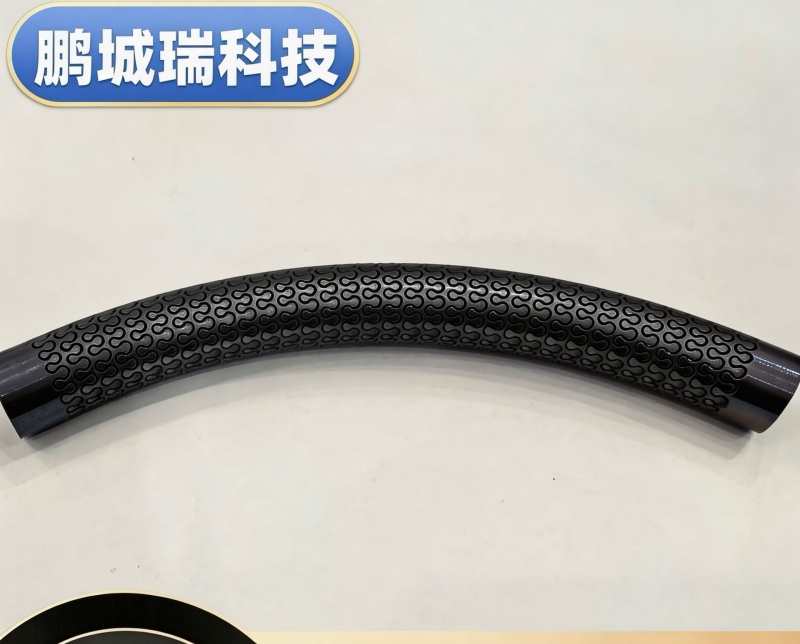
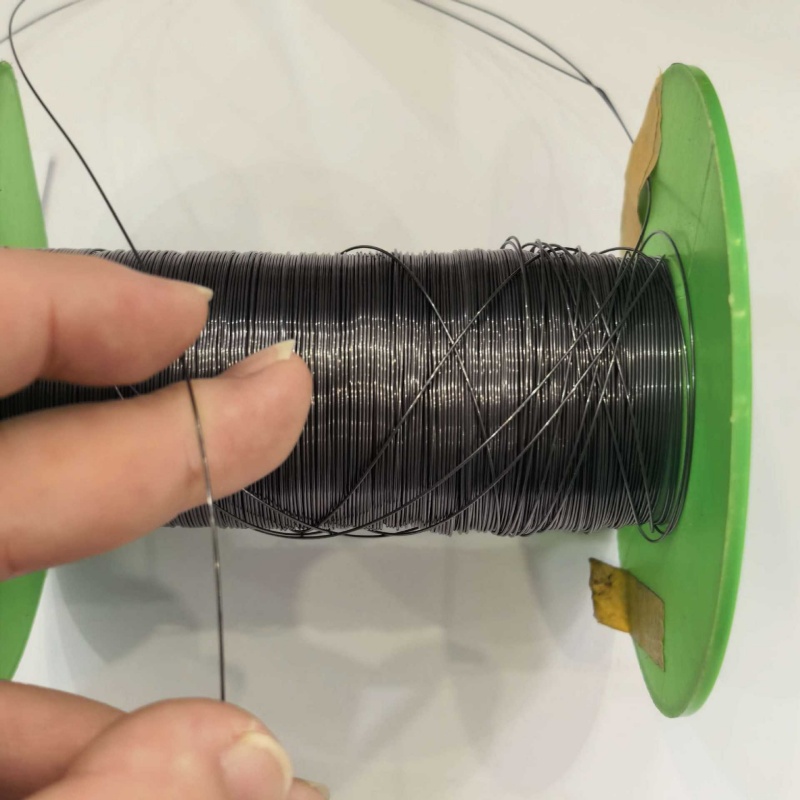
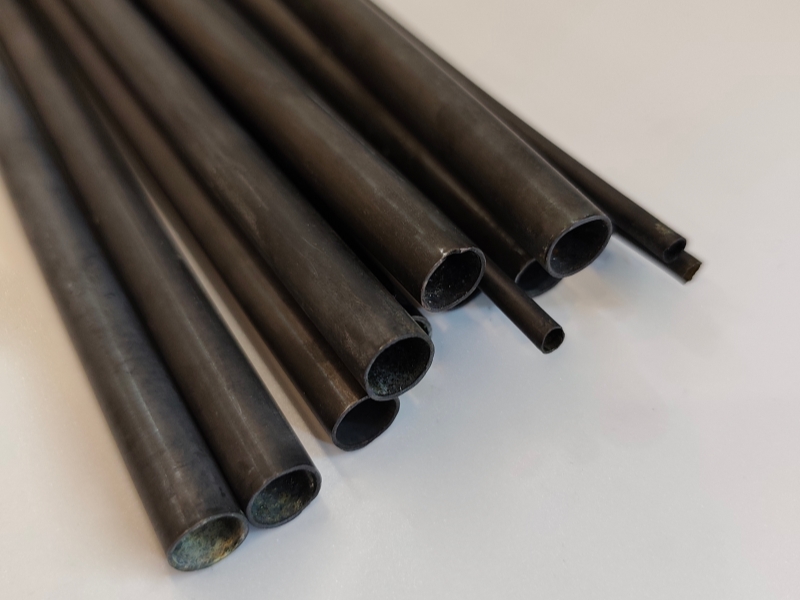
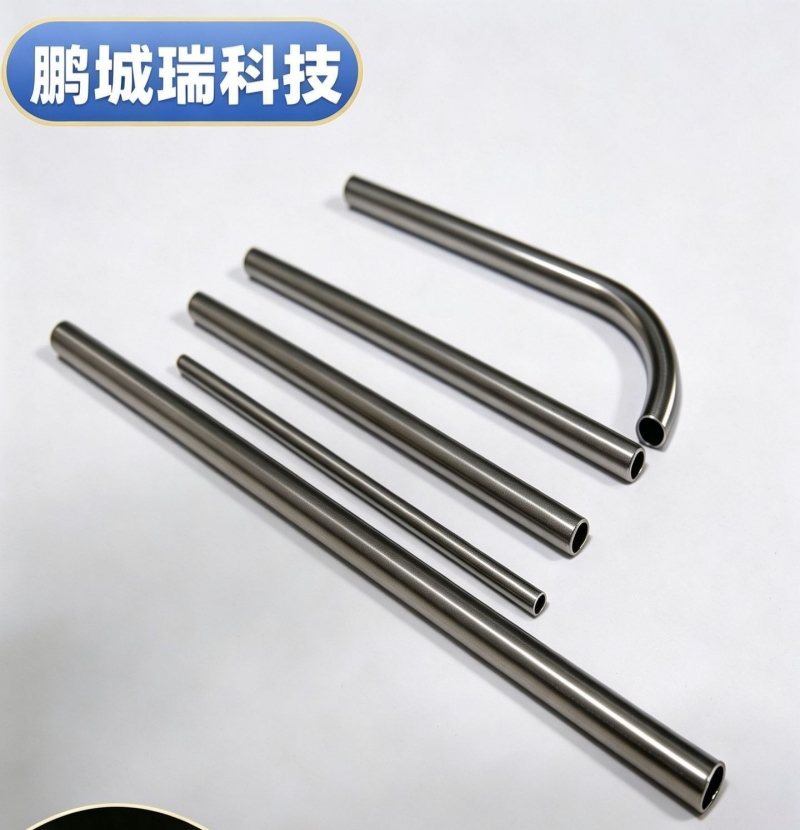
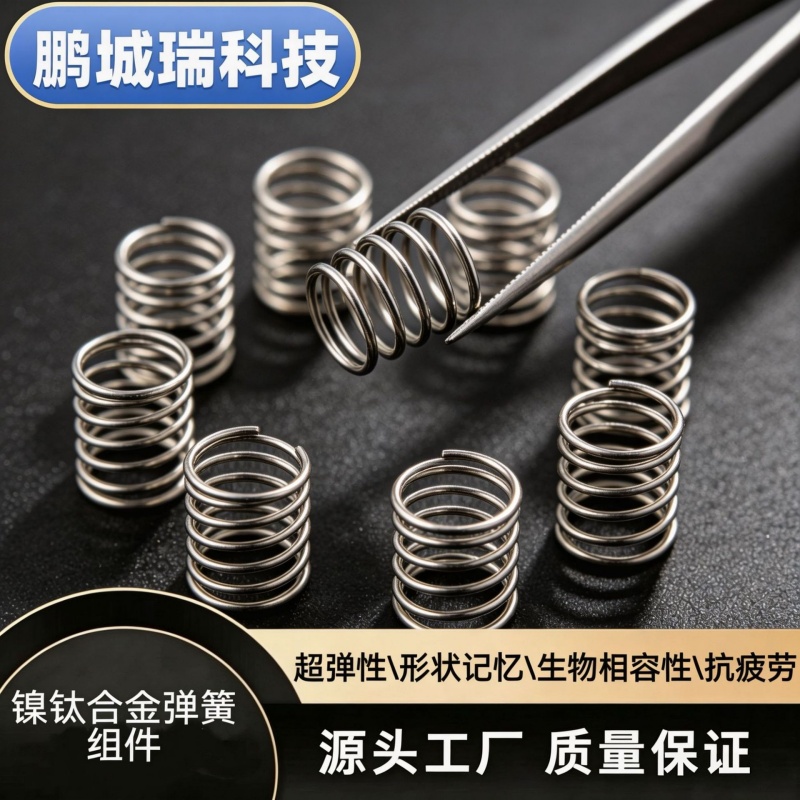
Nitinol
Seamless nickel titanium tube Nickel titanium fiber wire Nickel titanium plateApplication Area
Medical Industry New Energy Aerospace Machinery Manufacturing Marine Engineering Petrochemical IndustryContact Us
Contacts:Manager Wu +86 13632667260


 WeChat
 Call me
X