
 Chinese
 English
Service Hotline
+86 18948275773+86 13632667260



The superelasticity of nickel titanium memory alloy, also known as pseudo elasticity, refers to its unique mechanical properties of being able to undergo reversible large deformation far beyond that of ordinary metals under external forces above the phase transition temperature, and can instantly recover to its original state without permanent plastic deformation after the external force is removed. The essence of this characteristic is "stress-induced crystal structure phase transition", which is one of the core characteristics that distinguish nickel titanium alloys from traditional metals such as steel and aluminum.
1、 The core characteristics of hyperelasticity: 3 "far beyond ordinary metals"
1. The deformation range is extremely large
The elastic deformation limit of ordinary metals (such as steel and pure titanium) is only 0.1% -0.5% (beyond which permanent deformation occurs), while the superelastic deformation of nickel titanium memory alloys can reach 8% -10%, which is more than 20 times that of ordinary metals.
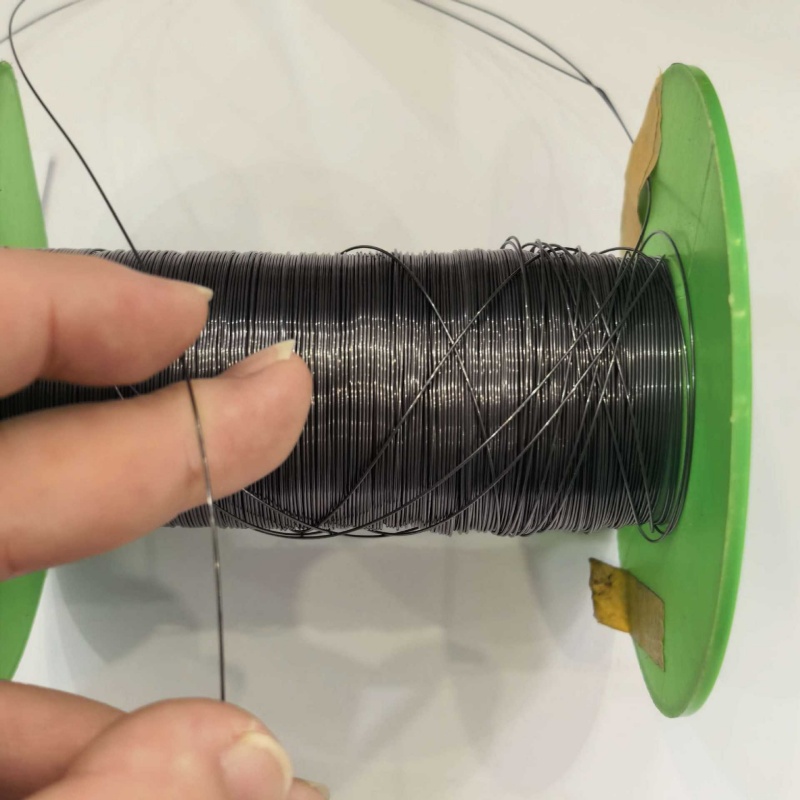
For example, a nickel titanium alloy wire can be bent to nearly 180 °, and can immediately bounce back to a straight state without any bending marks after the external force is removed.
2. Extremely fast recovery speed
The recovery of deformation is "instantaneous" - as long as the external force is completely removed, the alloy will quickly return to its original shape through reverse phase transformation without waiting for heating or other additional conditions (unlike the "shape memory effect" that requires heating triggering).
For example, medical nickel titanium alloy bone plates are temporarily bent during surgery to fit the bone. After releasing the fixing tool, the bone plate will immediately rebound and tightly fix the bone without waiting for body temperature to heat up.
3. Unique stress-strain curve
The mechanical process of hyperelasticity can be clearly reflected through the "stress-strain curve", which is divided into three stages and completely different from the linear elasticity of ordinary metals:
Stage 1 (Elastic Stage): When the external force is small, the alloy undergoes conventional elastic deformation in the "austenite phase" (high-temperature stable phase, hard and brittle), with a linear curve.
Stage 2 (Phase Transformation Stage): After the external force reaches the "critical stress", the stress remains basically unchanged, but the strain increases rapidly - at this time, the external force triggers the transformation of austenite phase to "martensitic phase" (low-temperature stable phase, soft and easy to deform), and the deformation is mainly caused by "phase transformation" rather than atomic dislocation, which is the core of hyperelastic large deformation.
Stage 3 (Recovery Stage): As the external force is gradually removed, the martensitic phase undergoes a reverse transformation into the austenitic phase, and the strain rapidly recovers as the stress decreases, ultimately returning to the initial state without residual deformation.
2、 The essence of hyperelasticity: stress-induced phase transition
The generation of superelasticity depends on the special crystal structure changes of nickel titanium alloys above the phase transition temperature, which can be simply understood as:
Normal state (no external force): The alloy stably exists in the "austenite phase" (with a regular crystal structure and high hardness).
When subjected to external force: When the external force exceeds the "critical stress for phase transformation", the austenite phase is "forcibly transformed" into the martensite phase - the crystal structure of the martensite phase is more prone to slip, thus capable of producing large deformations (such as bending and stretching).
After removing the external force: Due to the ambient temperature being higher than the "phase transition temperature", the martensitic phase loses its stable condition and automatically "transforms back" into the austenitic phase, and the deformation is completely restored.
Key difference: The large deformation of ordinary metals is "plastic deformation caused by atomic dislocation" (irreversible), while the large deformation of nickel titanium alloys is "structural change caused by phase transformation" (reversible).

Nitinol
3、 Important influencing factors of hyperelasticity
Superelasticity is not an inherent property of nickel titanium alloys, and its performance (such as maximum deformation, restoring force, critical stress) is regulated by the following factors:
1. Temperature: Superelasticity must occur above the "phase transition temperature" - if the temperature is below the phase transition temperature, external forces will only cause ordinary plastic deformation and cannot be restored (this is manifested as the "shape memory effect", which requires heating to restore).
Example: The phase transition temperature of medical orthodontic wires is set at 25-30 ℃, which exhibits superelasticity in the oral cavity (37 ℃, higher than the phase transition temperature) and can continuously apply corrective force to teeth; If bent in a low-temperature environment (such as 0 ℃), permanent deformation will occur.
2. Composition ratio: Small changes in nickel content can alter the "phase transition critical stress" - the higher the nickel content, the lower the critical stress, and the easier it is to trigger hyperelastic deformation.
Example: An alloy with a nickel content of 55.0% has a critical stress of approximately 300MPa (easily deformable and suitable for flexible components); The alloy with a nickel content of 54.5% has a critical stress of about 500MPa (deformation requires greater external force, suitable for high-strength components).
3. Heat treatment process: Through "solid solution treatment" (rapid cooling after high-temperature heating), internal defects of the alloy can be reduced, and the stability of superelasticity can be improved; The phase transition temperature can be adjusted through "time treatment" (low-temperature long-term heating) to ensure that the superelasticity works within the target temperature range (such as human body temperature, room temperature).
4、 Typical applications of hyperelasticity
The "large deformation+reversible recovery+no damage" characteristics of superelasticity make it indispensable in multiple fields:
Medical field: orthodontic wires (can continuously deform and rebound with the movement of teeth, avoiding frequent adjustments), orthopedic bone plates (rebound and fix after fitting the bone shape, reducing surgical trauma), vascular stents (compress and implant to rebound and support blood vessels, avoiding permanent deformation).
Daily necessities: eyeglass frame (immediately restored to its original state after being bent strongly, not easily broken), mobile phone SIM card holder (slightly deformed when inserted, rebounding and fixed after insertion to avoid loosening).
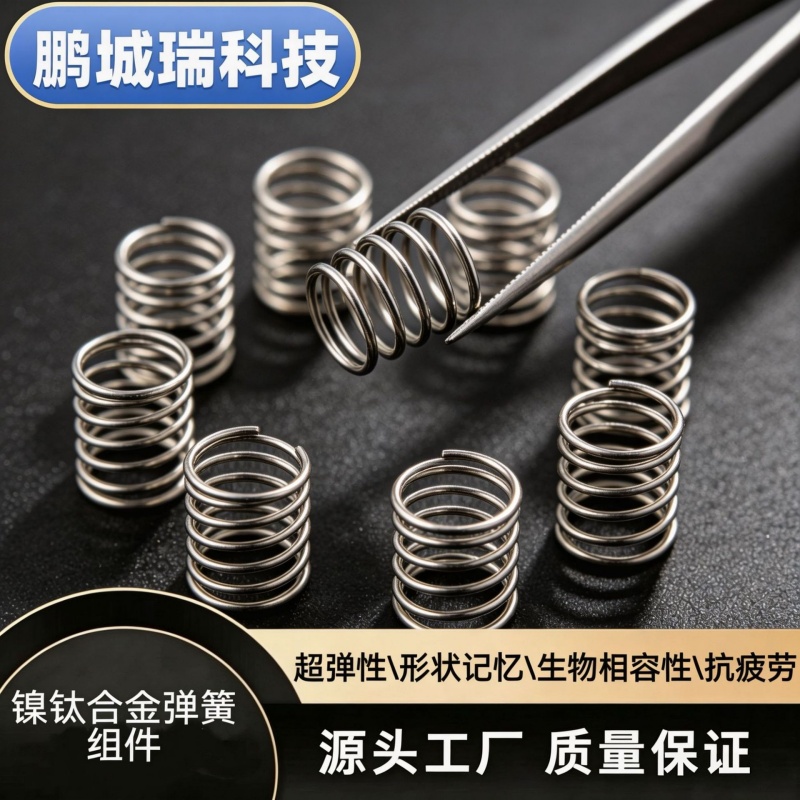
Industrial field: precision springs (such as high elasticity springs in instruments, which can undergo repeated large deformations without failure), seismic components (such as nickel titanium alloy cores in car bumpers, which absorb energy through super elastic deformation during collisions and reduce impact).
In summary, the superelasticity of nickel titanium memory alloys is the result of the combined effects of "temperature, stress, and crystal phase transition". Its core value lies in achieving "completely reversible recovery" while ensuring "large deformation ability", which is a key advantage that traditional metal materials cannot replace.
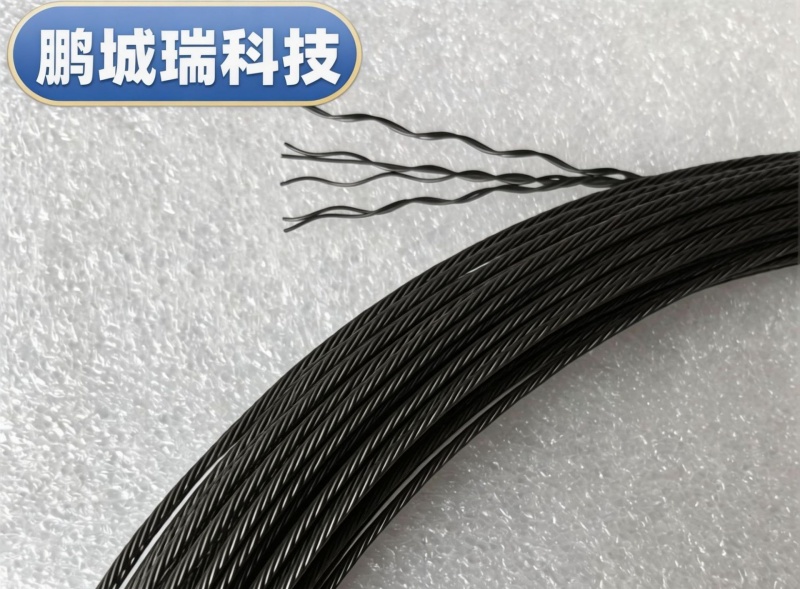
Nitinol
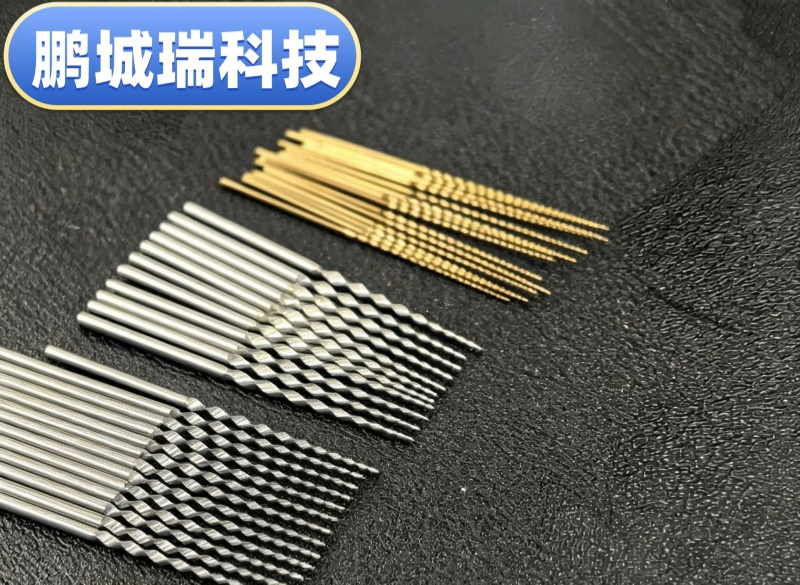
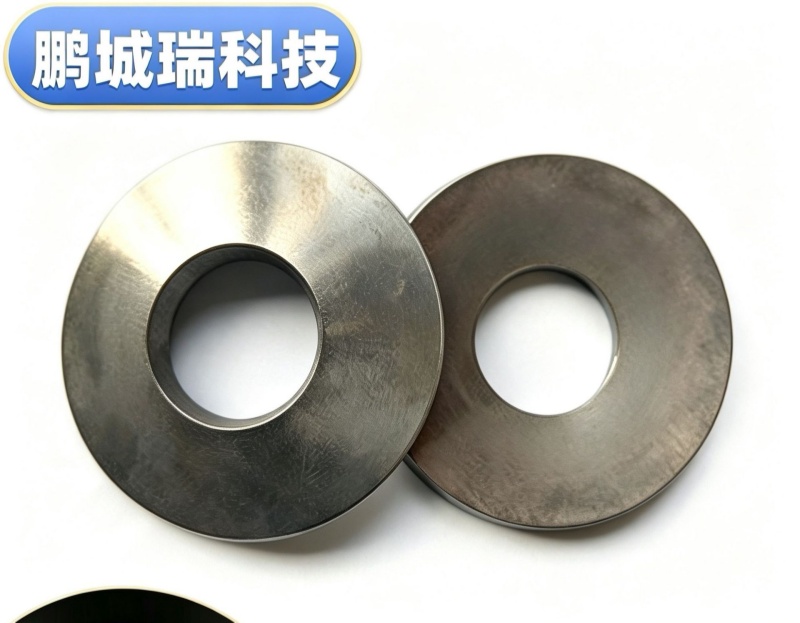
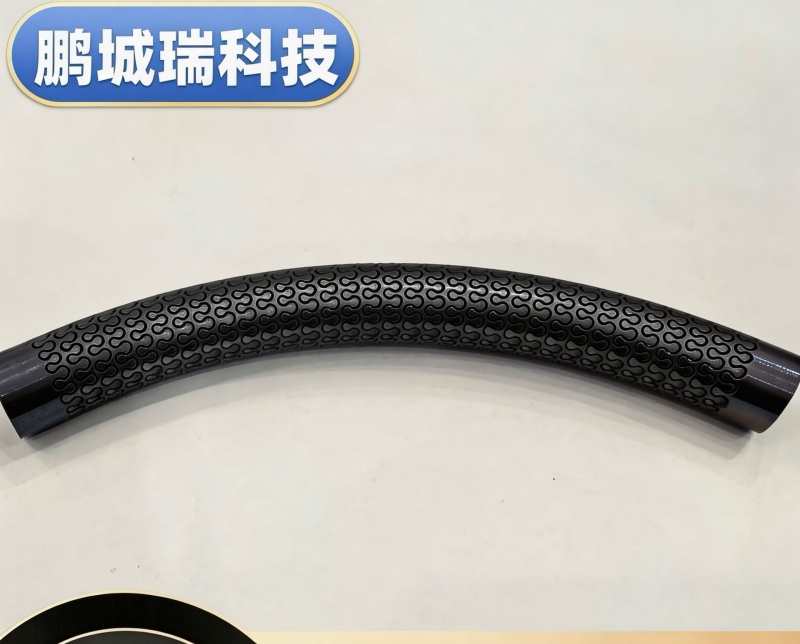
Seamless nickel titanium tube Nickel titanium fiber wire Nickel titanium plateApplication Area
Medical Industry New Energy Aerospace Machinery Manufacturing Marine Engineering Petrochemical IndustryContact Us
Contacts:Manager Wu +86 13632667260


 WeChat
 Call me
X