
 Chinese
 English
Service Hotline
+86 18948275773+86 13632667260


Nitinol, named after the first two letters of Nickel and Titanium, is an intelligent metal material that combines shape memory effect and superelasticity. Its uniqueness lies in the special crystal structure transformation (martensitic phase change) formed by nickel (about 55%) and titanium (about 45%). The following provides a comprehensive analysis of its characteristics from three dimensions: core features, key influencing factors, and application scenarios:
1、 Core features: Two iconic effects
All applications of nickel titanium memory alloys are based on their "controllable phase transition" nature, which is manifested in the following two core characteristics:
1. Shape Memory Effect (SME)
After plastic deformation occurs at low temperatures, alloys can automatically return to their original shape before deformation by heating to a specific temperature (phase transition temperature). According to the recovery conditions, it can be divided into two categories:
One way shape memory effect: can only restore the original shape through "heating", cannot automatically return to the deformed state after cooling (requires applying external force again).
Example: Medical stents are compressed into thin tubes at low temperatures (for easy implantation of blood vessels), and after implantation, their body temperature (37 ℃) is higher than their phase transition temperature, and they automatically expand and return to their preset supporting shape.
Two way shape memory effect: When heated, it returns to its original shape at high temperature, and when cooled, it automatically returns to its deformed shape at low temperature (without external force). The two shapes can be repeatedly switched in the "heating cooling" cycle.
Example: The metal sheet of a temperature control valve bends and opens the valve when the temperature rises, and automatically rebounds and closes the valve when the temperature drops.
2. Superelasticity (SE)/Pseudo elasticity
When an external force is applied to an alloy above the phase transition temperature, it can produce a "reversible large deformation" that far exceeds that of ordinary metals (up to 8% -10%, while ordinary steel only has about 0.1%). After the external force is removed, it can instantly return to its original state without permanent plastic deformation.
Its essence is that an external force triggers a stress-induced phase transformation of the alloy from the "austenite phase" (high-temperature stable phase, hard and brittle) to the "martensite phase" (low-temperature stable phase, soft and easily deformed). After the external force is removed, the phase transformation occurs in the opposite direction, and the shape is restored accordingly.
Example: Dental orthodontic wire (orthodontic arch wire) - can deform with the movement of teeth when worn, immediately rebound after removing external force, and continuously apply stable corrective force to teeth; Glasses frame - can quickly return to its original state after being bent strongly and is not easy to break.

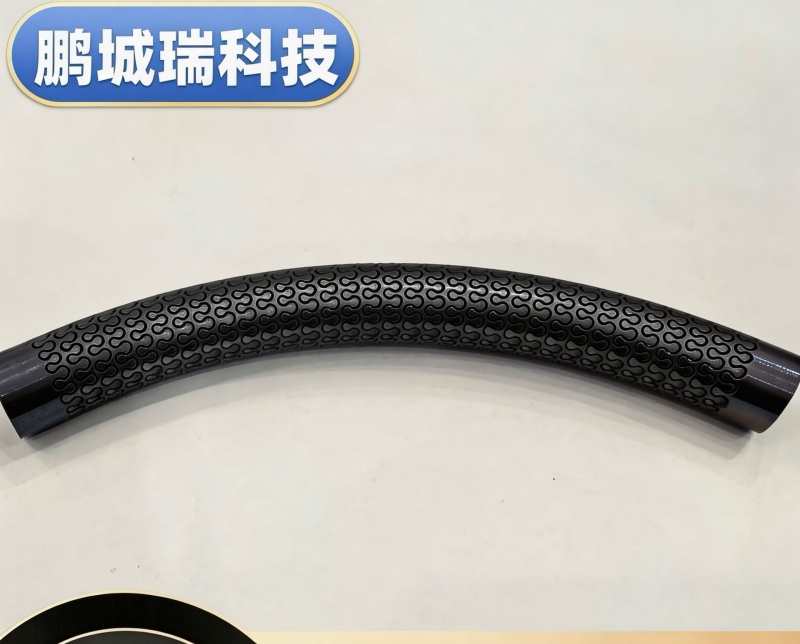
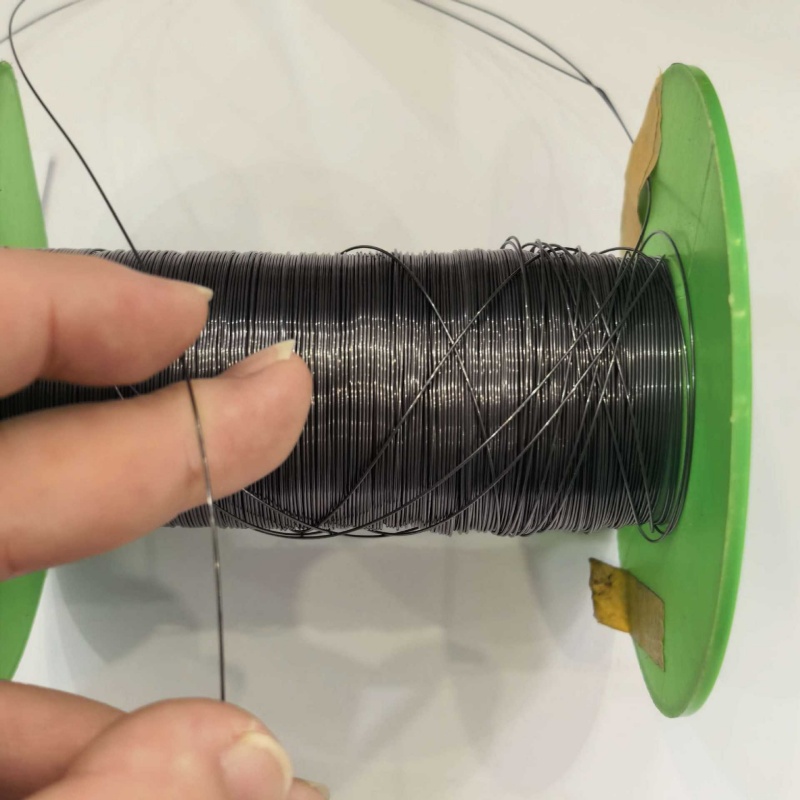
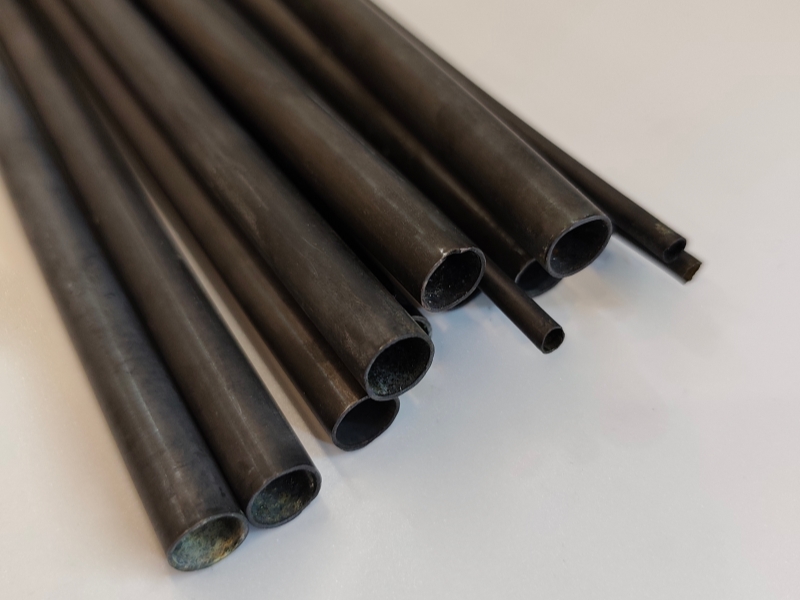
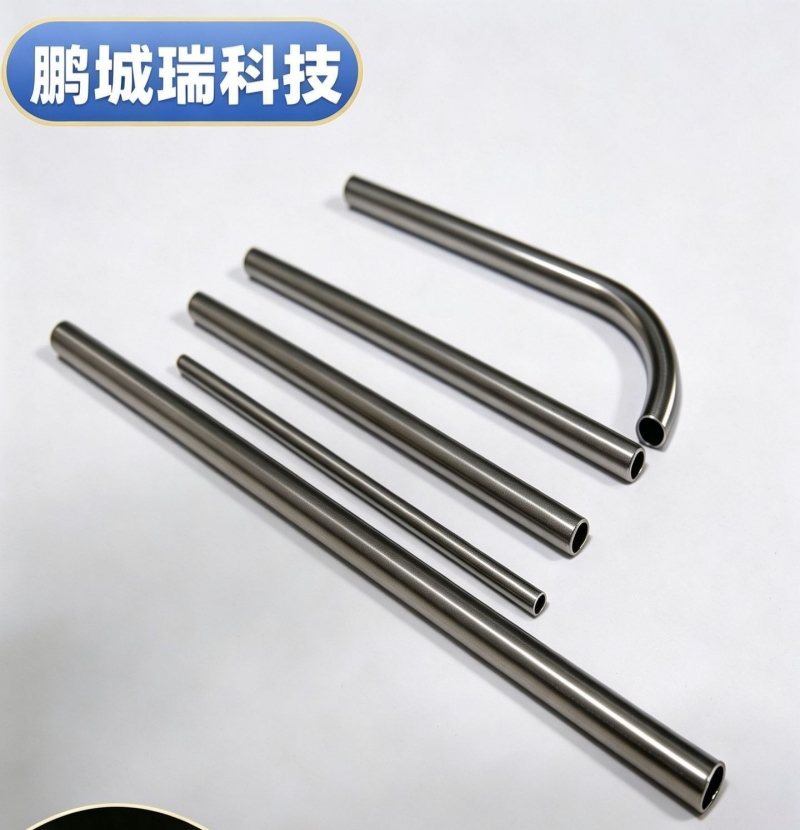
Nitinol
2、 Other key characteristics
In addition to the two core effects, nickel titanium memory alloys also have the following important properties that support their applications:
Biocompatibility: Nickel titanium alloy has stable chemical properties in the human body, no significant toxicity (nickel ion leaching needs to be controlled), and can coexist well with human tissues. It is a core advantage in the medical field (such as stents, bone screws, orthodontic wires) to avoid rejection reactions in the human body.
Corrosion resistance: The surface is prone to forming a dense TiO ₂ oxide film, which can resist corrosion from body fluids, seawater, weak acids and bases, and is superior to ordinary stainless steel. Suitable for medical implants (long-term contact with body fluids) and marine engineering components (resistant to seawater corrosion).
Damping characteristics: During the phase transition process, a large amount of energy (such as vibration energy and impact energy) is absorbed, and the damping effect is significant, several times to tens of times that of ordinary metals. Can be used to make shock absorbers (such as shock-absorbing components for automobiles and aerospace equipment) and noise reducing materials.
Thermal/Electrical Conductivity: The thermal conductivity and electrical resistivity are lower than those of pure titanium and stainless steel, making it a "low thermal conductivity, medium conductivity" material. Reducing the thermal stimulation between implants and the human body in the medical field; In the field of electronics, it can be used for specific conductive components.
3、 Key influencing factors of characteristics
The performance of nickel titanium memory alloy is not fixed and is significantly regulated by the following factors, which are also the core of its "designability":
1. Composition ratio: A deviation of 0.1% in nickel content will cause a change in phase transition temperature of about 10 ℃. For example, an alloy with a nickel content of 55.5% has a phase transition temperature of approximately 0 ℃ (suitable for low-temperature scenarios); The alloy with a nickel content of 54.5% has a phase transition temperature of approximately 60 ℃ (suitable for high-temperature scenarios).
2. Heat treatment process: The crystal structure can be adjusted through "solid solution treatment" (rapid cooling after high-temperature heating) to enhance superelasticity; Through "time treatment" (low-temperature long-term heating), the phase change temperature can be accurately controlled to meet different application needs (such as medical stents that require setting the phase change temperature to 32-37 ℃ to match human body temperature).
3. Cold processing deformation: Cold processing (such as rolling and drawing) will increase the internal stress of the alloy, change the critical stress of phase transformation, and thus affect the deformation range and recovery force of hyperelasticity. For example, orthodontic wires need to be controlled for their elastic modulus through specific cold processing to ensure gentle and long-lasting correction force.
The core competitiveness of nickel titanium memory alloy lies in its "shape controllability+adjustable performance", which achieves "shape memory" and "super elasticity" through phase transformation. Its performance is regulated through composition, heat treatment, and processing technology, combined with advantages such as biocompatibility and corrosion resistance, making it an irreplaceable intelligent material in medical, aerospace, automotive, electronics, and other fields. For example, from the "minimally invasive implantation in vivo self expansion" of heart stents, to the "unbreakable bending" of eyeglass frames, and to the "folding and unfolding components" of aerospace satellites, all are typical applications of their characteristics.
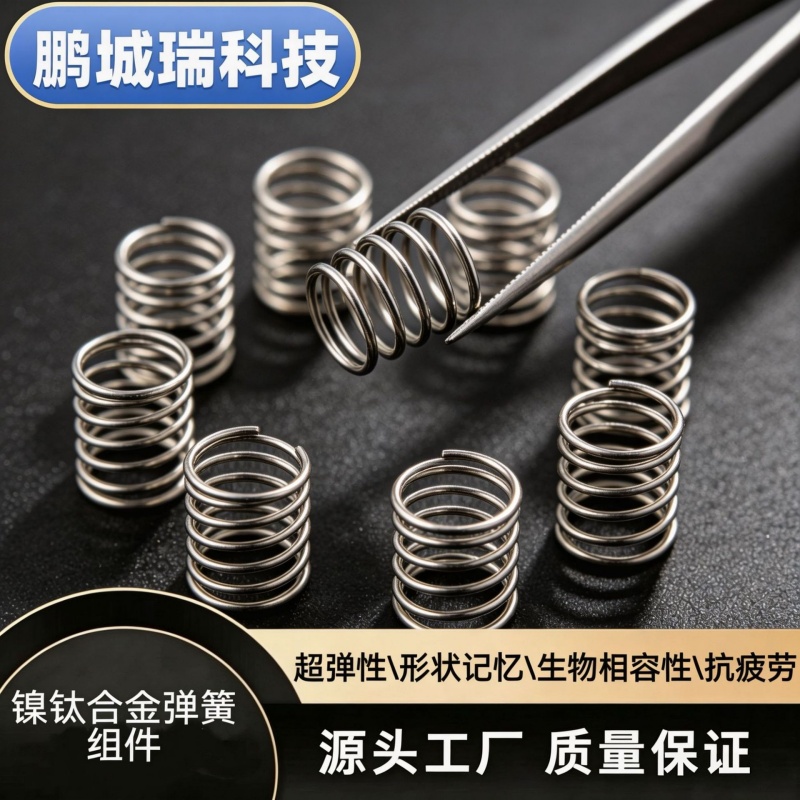
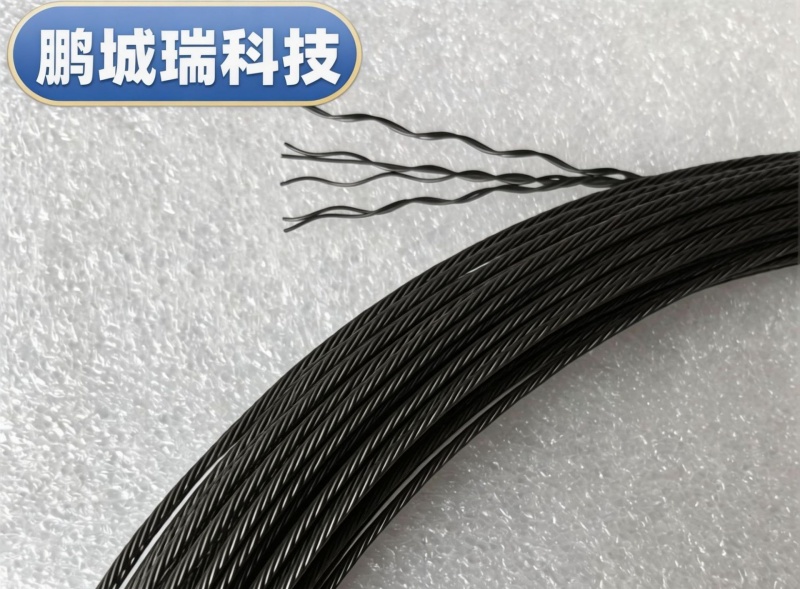
Nitinol
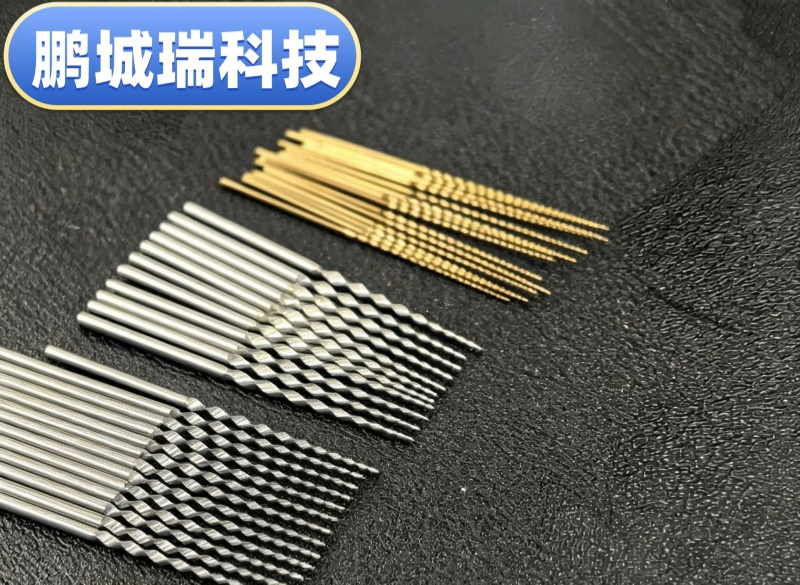
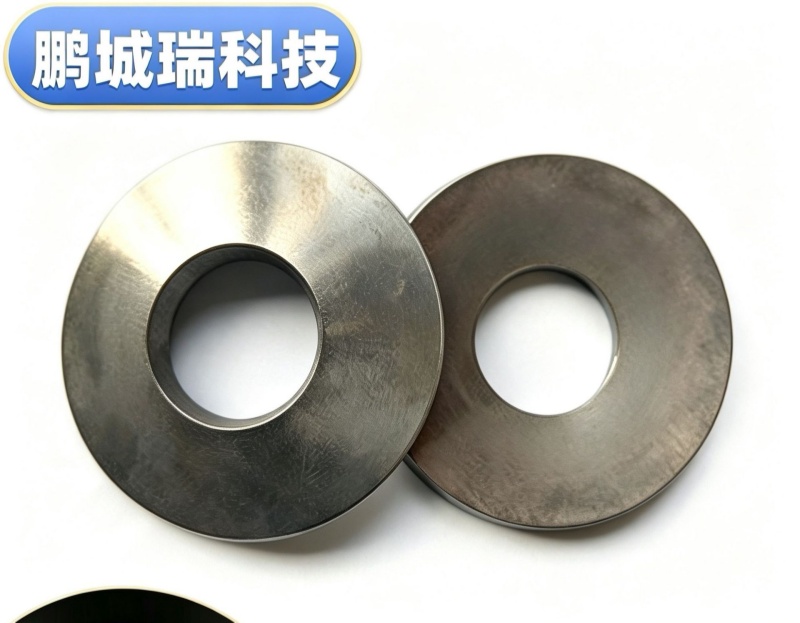
Seamless nickel titanium tube Nickel titanium fiber wire Nickel titanium plateApplication Area
Medical Industry New Energy Aerospace Machinery Manufacturing Marine Engineering Petrochemical IndustryContact Us
Contacts:Manager Wu +86 13632667260


 WeChat
 Call me
X