
 Chinese
 English
Service Hotline
+86 18948275773+86 13632667260


Thin sheet folding memory alloy is a specific form product of shape memory alloy (SMA). Its core feature is the combination of "thin sheet substrate" and "foldable mechanical properties" combined with shape memory effect. It not only retains the core function of memory alloy to "restore the preset shape", but also adapts to complex structural design requirements such as folding and bending through thin sheet form. It is widely used in lightweight, miniaturized, and flexible driving scenarios.
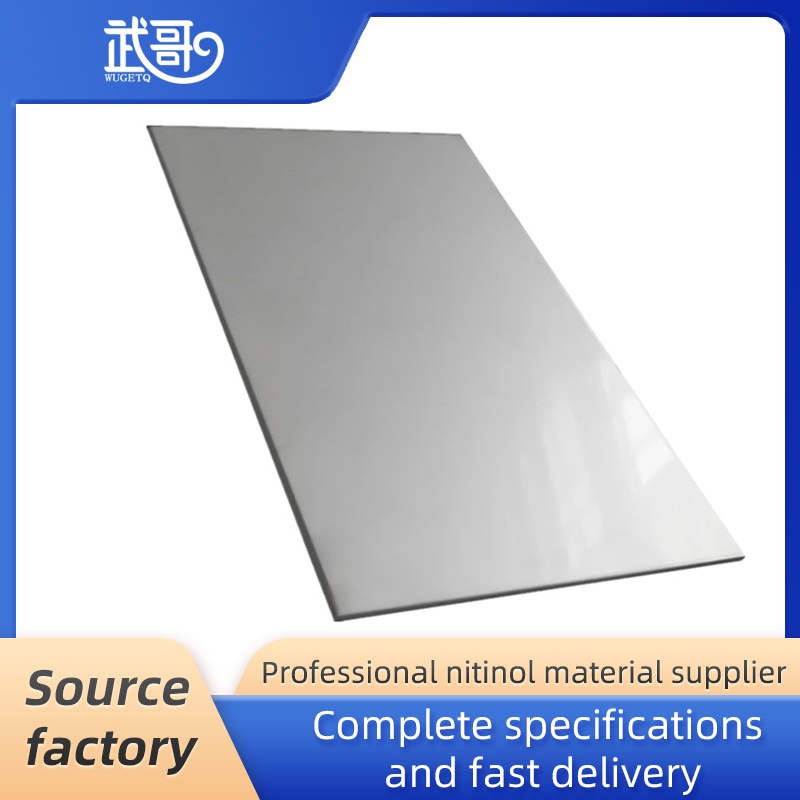
Nickel titanium alloy plate
1、 Core Definition and Essence
To understand the folding memory alloy of thin plates, it is necessary to first clarify the combination logic of its "basic material" and "morphological characteristics":
(1) Basic Material: Shape Memory Alloy
Shape memory alloys are a type of intelligent metal material with a "Shape Memory Effect" (SME) - after being deformed by external forces (such as folding or bending) at low temperatures, they can automatically return to their pre deformation preset shape by heating (or other stimuli, such as current or magnetic field) to a specific "phase transition temperature", and this "deformation recovery" process can be repeated multiple times.
The common components of memory alloys are mainly nickel titanium alloys (Ni Ti, also known as "nickel titanium alloys"), with a few being copper based (Cu Zn Al) and iron-based (Fe Mn Si) alloys; Among them, nickel titanium alloy is the mainstream choice for thin plate folding due to its good biocompatibility and high memory stability.
(2) Morphological characteristics: thin sheet and foldable
Thin plate "refers to an alloy processed into a relatively thin sheet-like structure through processes such as rolling and forging (thickness usually ranging from tens of micrometers to a few millimeters, adjusted according to application requirements); Foldable "is based on the mechanical properties of thin plate morphology - at low temperatures (below the phase transition temperature), thin plates have good plasticity and can be folded into compact shapes (such as folded in half or multiple folds) to save space; After heating, with the help of shape memory effect, the thin plate can automatically unfold and return to its initial flat or specific curved shape, and stable driving force will be generated during the unfolding process.
2、 Core principle: Shape memory effect and phase transition
The "folding recovery" function of thin plate folding memory alloys is essentially a reversible phase transition of the internal crystal structure of the alloy. Taking mainstream nickel titanium alloys as an example:
1. Low temperature state (martensitic phase)
When the temperature is below the "end temperature of martensitic transformation (Mf)", the alloy crystal structure is a soft "martensitic phase", and the material has good plasticity and is easy to deform - the thin plate can be easily folded into the target compact shape (such as folded into 1/4 size), and during the deformation process, the internal crystals only undergo "twinning deformation" (no atomic diffusion, reversible deformation).
2. Heating trigger (phase transition process)
When the temperature rises to the "austenite transformation start temperature (As)" and continues to heat up to the "austenite transformation end temperature (Af)", the alloy crystal structure will transform from the martensitic phase to the hard "austenite phase"; During the phase transition process, atoms rearrange and spontaneously 'counteract' the folding deformation at low temperatures, driving the thin plate to recover to its initial shape.
3. Recovery and Repetition
After returning to the austenite phase, the thin plate maintains the predetermined unfolded shape; If the temperature drops below Mf again, it can be folded and deformed again, achieving a "folding unfolding" cycle of use - the key to this process is "precise control of the phase transition temperature" (the phase transition temperature can be customized by adjusting the alloy composition and heat treatment process, such as from -100 ℃ to 100 ℃, etc.).
3、 Typical application scenarios
Due to its lightweight, foldable, and self driving characteristics, thin sheet folding memory alloys are mainly used in scenarios that require "compact storage+automatic unfolding". Common fields include:
1. Aerospace field
Folding and unfolding mechanism for satellite antennas and solar panels: During launch, the thin plate-shaped antenna/solar panel is folded and stored to save space. After entering orbit, the memory effect is triggered by heating (such as using spacecraft waste heat or electric heating), and it automatically unfolds into a working form without the need for complex motor drive, reducing the failure rate.
2. Medical device field
Minimally invasive surgical instruments, such as "foldable esophageal stent" - a stent made of nickel titanium alloy thin plate is folded into a thin tube shape at low temperature, and sent into the narrow esophagus through endoscopy. The body temperature (about 37 ℃, close to the alloy phase transition temperature) triggers the stent to unfold, restoring the preset tube shape to support the esophagus, with good biocompatibility and no rejection risk.
Orthodontics: Some invisible orthodontic appliances use thin plate memory alloy as the "correction attachment", which is heated and conforms to the shape of the teeth, achieving dental correction through slow restoring force.
3. In the field of consumer electronics
The "auxiliary driving structure" of foldable screen phones/laptops: a thin folding memory alloy is embedded near the hinge, which can assist in screen folding at low temperatures, provide stable unfolding force when heated, reduce hinge wear, and improve folding life; It can also be used as a storage and deployment mechanism for "automatic pop-up cameras".
4. Intelligent structures and robots
Flexible robot joints: Robot finger joints are made of thin sheet folding memory alloy, and the "bending (folding) - straightening (unfolding)" of the joints is controlled by heating/cooling to achieve lightweight and low-noise driving;
Intelligent sunshade, automatic opening and closing of doors and windows: The thin plate automatically unfolds to provide shade when the temperature changes (such as sunlight heating up), and folds and retracts when the temperature drops, without the need for external power.
4、 Current technological challenges and development directions
Despite its wide application, there are still technical points that need to be overcome for thin plate folding memory alloys:
1. Precise control of phase transition temperature: Some scenarios (such as medical devices) require extremely high phase transition temperature (matching human body temperature ± 0.5 ℃), which needs to be achieved through more precise composition control (such as adjusting the nickel titanium ratio) and heat treatment processes.
2. Fatigue life improvement: After repeated "folding unfolding", micro cracks are prone to occur at the edge of the thin plate due to stress concentration, which affects its service life; At present, improvements have been made through optimizing the surface treatment of thin plates (such as polishing and coating) and structural design (such as rounded edges).
3. Drive speed optimization: The recovery speed triggered by heating depends on the thermal conductivity efficiency. Currently, by integrating micro heating elements (such as graphene heating layers) on the surface of thin plates, the temperature response speed is improved and the deployment time is shortened.
In the future, with the advancement of material technology, thin plate folding memory alloys are expected to develop towards the direction of "thinner (micrometer level), higher recovery force, and multi stimulus response (such as light control, magnetic control, no need for heating)", further expanding their applications in flexible electronics, biological implant devices, and other fields. Shenzhen Wuge Industrial Co., Ltd. provides nickel titanium high-temperature alloys (such as nickel titanium copper high-temperature alloys) and nickel titanium room temperature alloys in the field of nickel titanium memory alloys. It is a supplier of nickel titanium alloy materials and wire pipes. The company has established its own factory building in Liandong U Valley of Huiyang Ecological Technology Innovation Park, which can customize alloy materials according to customer needs.
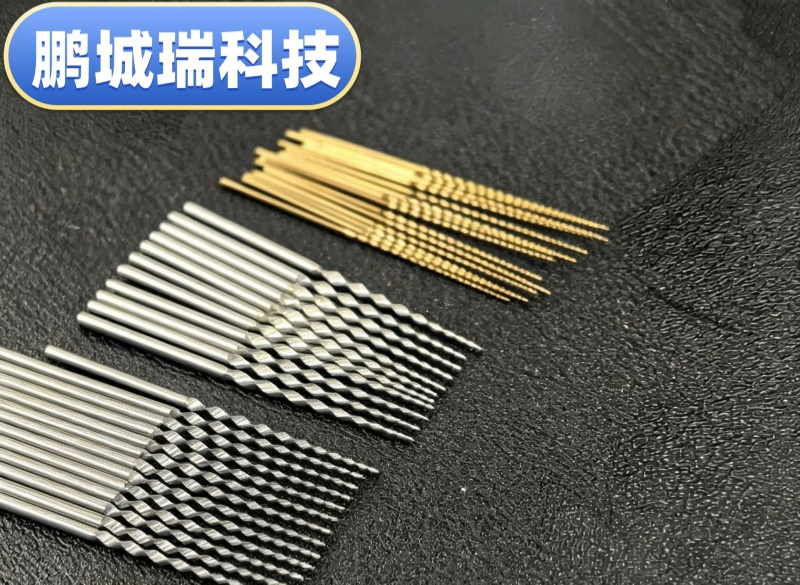
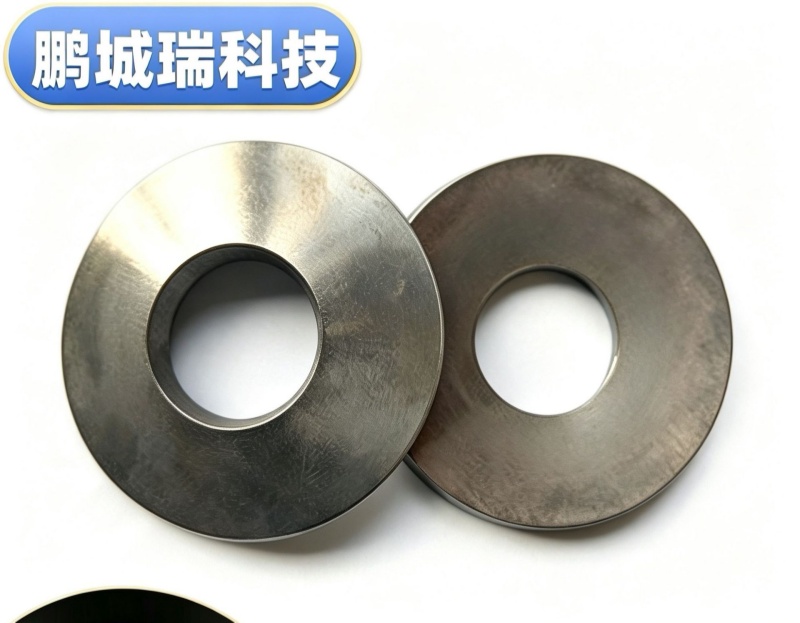
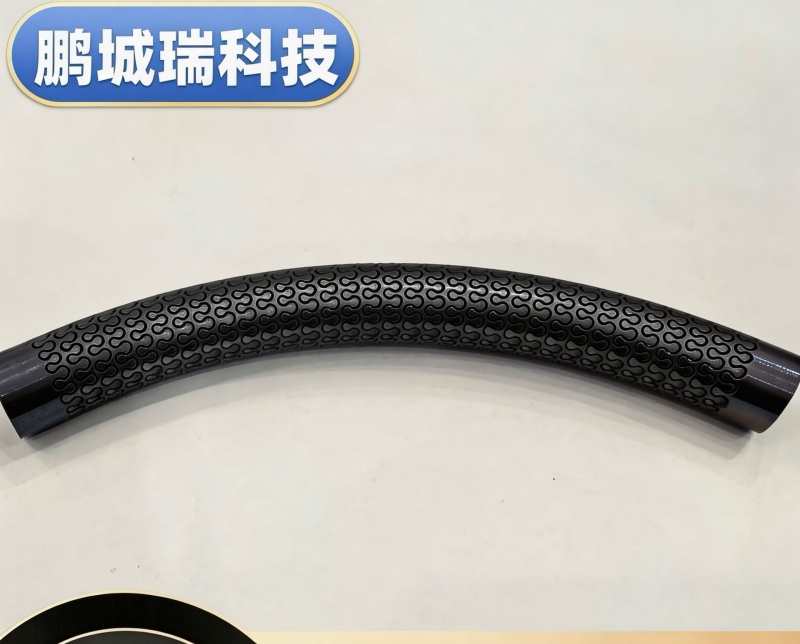
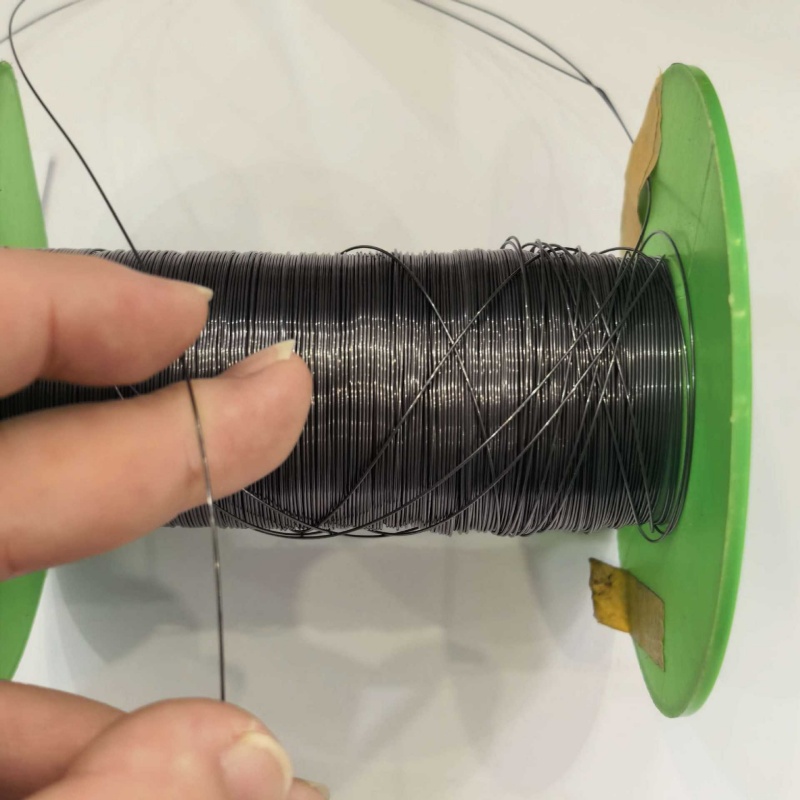
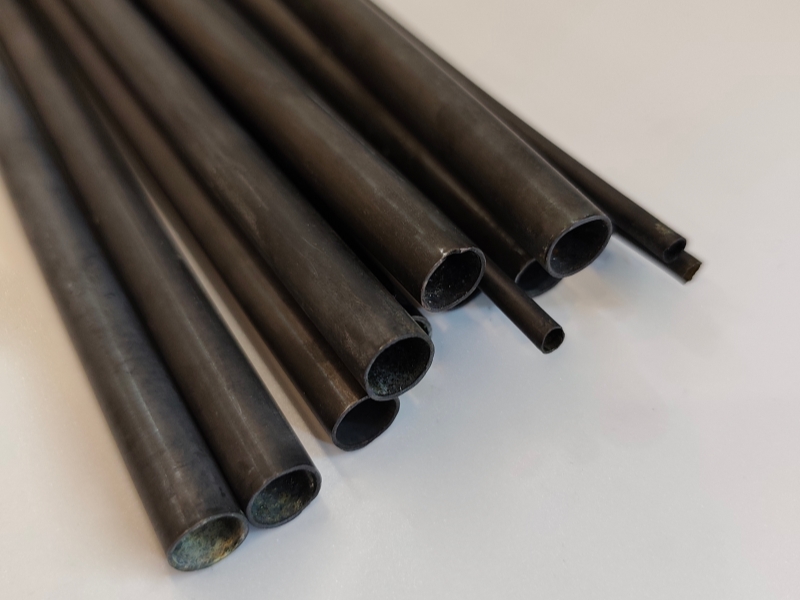
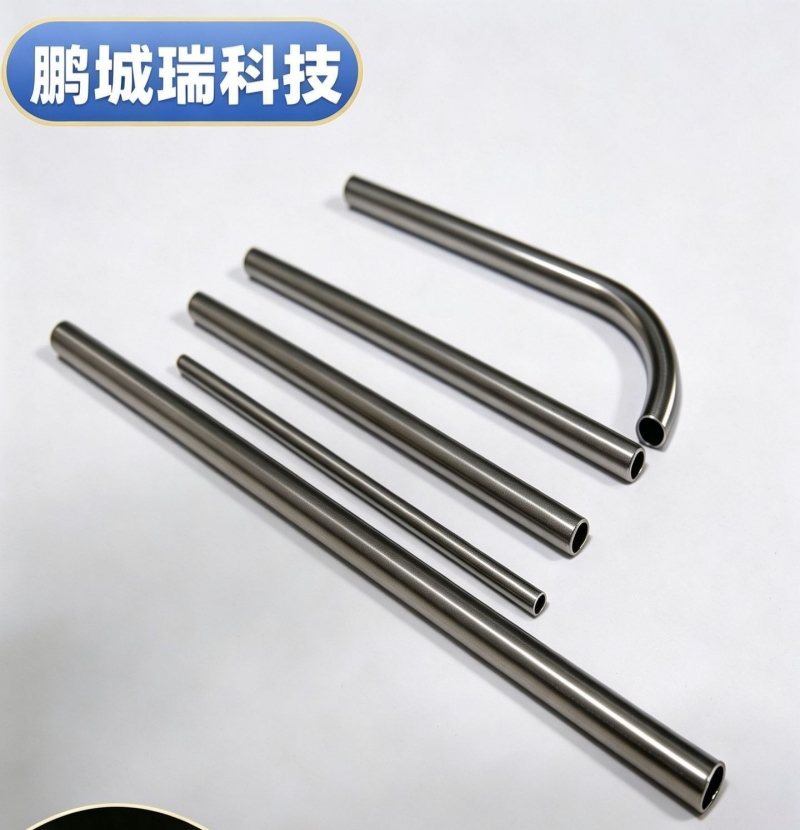
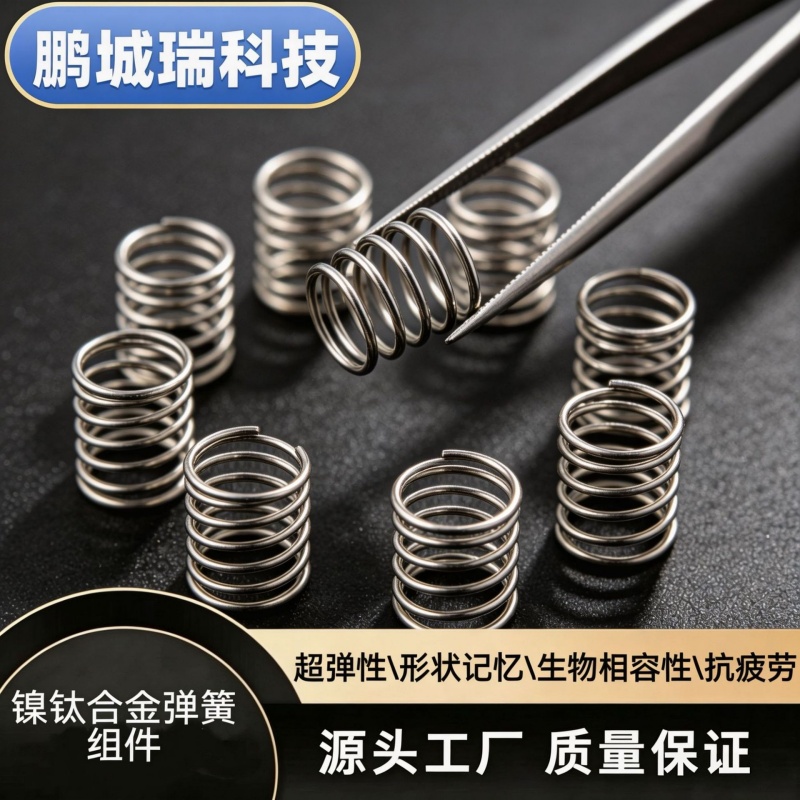
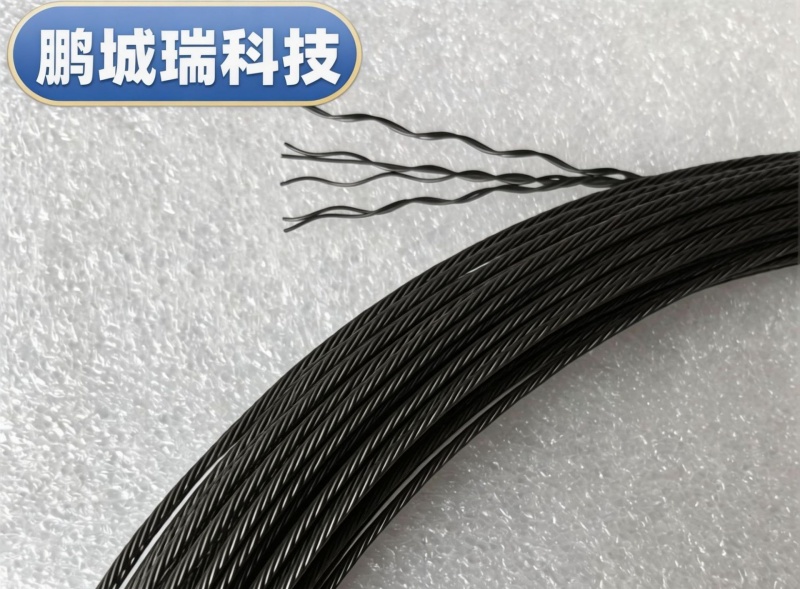
Nitinol
Seamless nickel titanium tube Nickel titanium fiber wire Nickel titanium plateApplication Area
Medical Industry New Energy Aerospace Machinery Manufacturing Marine Engineering Petrochemical IndustryContact Us
Contacts:Manager Wu +86 13632667260


 WeChat
 Call me
X