
 Chinese
 English
Service Hotline
+86 18948275773+86 13632667260




The calculation of the wall size of nickel titanium alloy pipes mainly involves three core parameters: outer diameter, inner diameter, and wall thickness. There is a clear mathematical relationship between the three, and in practical applications, it is also necessary to combine machining accuracy and measurement standards. The following is a detailed summary of the calculation method and related instructions for WuGe nickel titanium alloy:
1、 Core parameters and basic calculation formulas
The calculation of the wall size of nickel titanium alloy pipes is based on three key parameters:
Outer diameter (OD): The diameter of the outer circle of a pipe (usually measured in millimeters).
Inner diameter (ID): The diameter of the inner circle of a pipe (measured in the same unit as the outer diameter).
Wall thickness (WT): The thickness of the pipe wall (i.e. half of the difference between the outer diameter and the inner diameter).
The conversion formula for the three is as follows:
1. Given the outer and inner diameters, calculate the wall thickness
Wall thickness (WT)=(outer diameter (OD) - inner diameter (ID))/2
Example: If the outer diameter of a nickel titanium alloy tube is 10mm and the inner diameter is 8mm, then the wall thickness is (10-8)/2=1mm.
2. Given the outer diameter and wall thickness, calculate the inner diameter (ID)=outer diameter (OD) -2 × wall thickness (WT)
Example: If the outer diameter is 12mm and the wall thickness is 1.5mm, then the inner diameter is 12-2 × 1.5=9mm.
3. Given the inner diameter and wall thickness, calculate the outer diameter (OD)=inner diameter (ID)+2 x wall thickness (WT)
Example: If the inner diameter is 6mm and the wall thickness is 0.8mm, then the outer diameter is 6+2 × 0.8=7.6mm.
2、 Actual measurement and accuracy requirements
1. Measuring tools
High precision instruments are required to ensure accurate data, and commonly used tools include:
Outer diameter micrometer (measuring outer diameter with an accuracy of up to 0.001mm);
Inner diameter micrometer or plug gauge (measure inner diameter to avoid errors caused by pipe bending);
Wall thickness gauge (directly measuring wall thickness, suitable for situations where the pipe wall is thin).
2. Accuracy considerations
Nickel titanium alloy has superelasticity and shape memory properties, and there may be slight dimensional deviations during processing. In practical applications, reference should be made to product standards (such as ASTM F2063), and the allowable tolerance range is usually ± 0.01~± 0.1mm (depending on the pipe diameter and wall thickness).
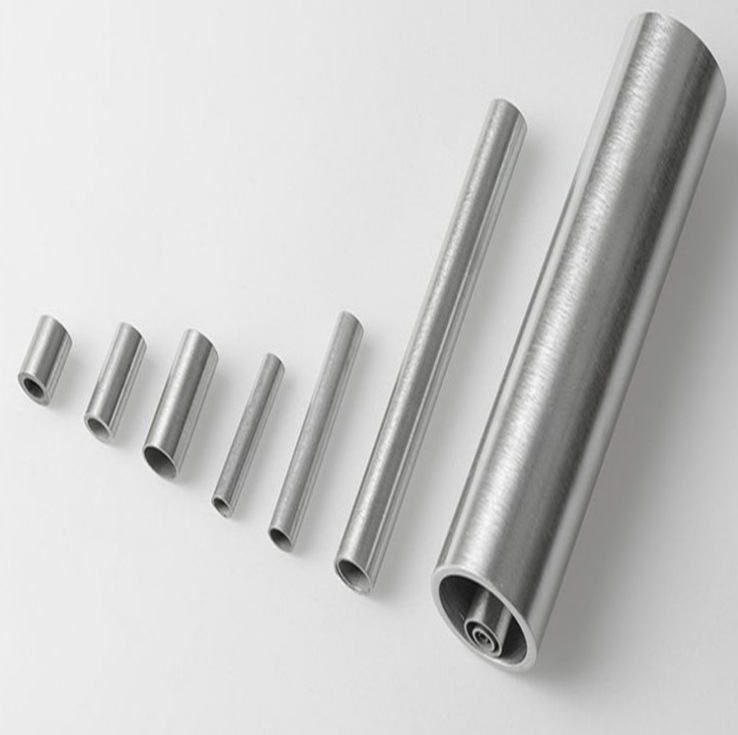
Nickel titanium alloy tube
3、 Special requirements in application scenarios
Thin walled tube: When the wall thickness is small (such as medical nickel titanium tubes, the wall thickness may be less than 0.1mm), the wall thickness needs to be accurately measured by the outer and inner diameters to avoid deformation caused by direct measurement;
Irregular shaped tube: Nickel titanium tube with non-circular cross-section (such as square or oval), the outer/inner diameter in the corresponding direction needs to be measured, and the average wall thickness or wall thickness at a specific position needs to be calculated.
By using the above formulas and methods, the wall dimensions of nickel titanium alloy pipes can be accurately calculated and verified, ensuring that they meet the design requirements and performance requirements of the application scenario.
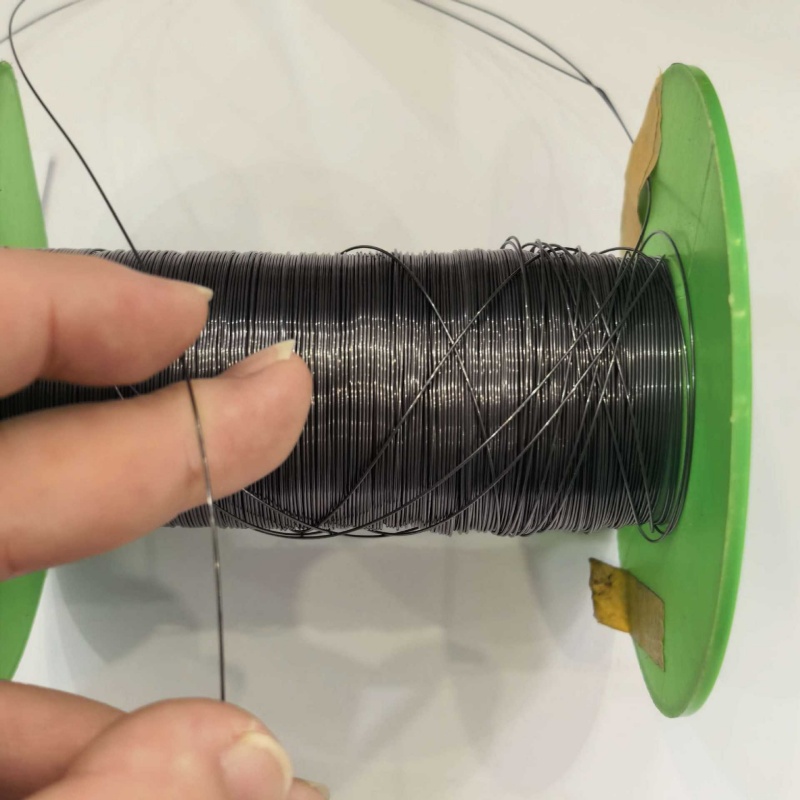
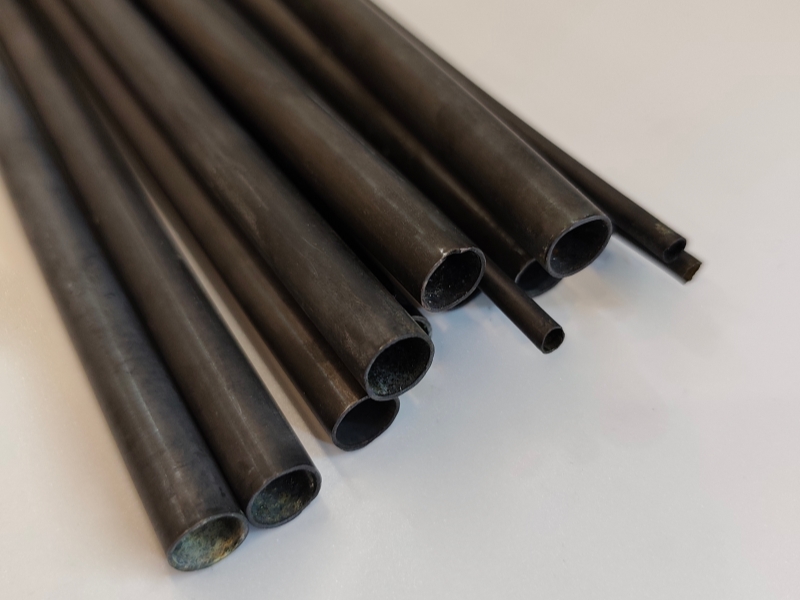
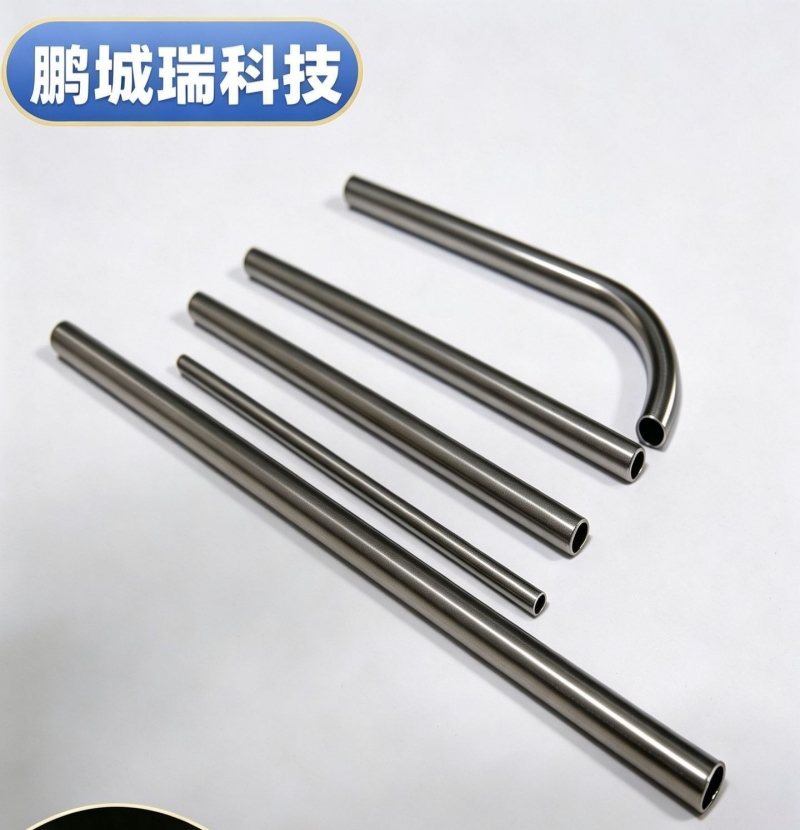
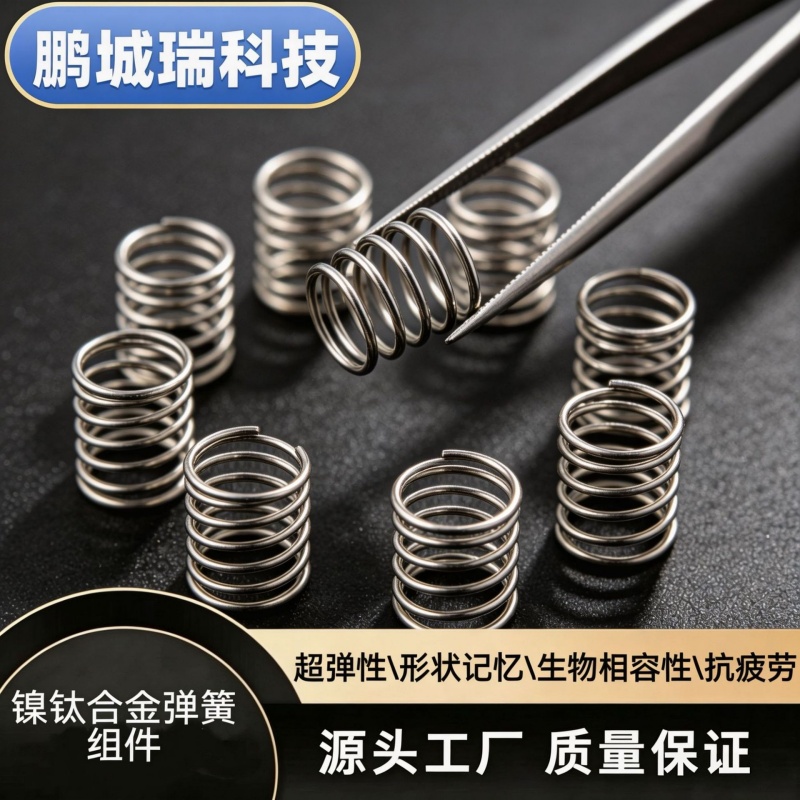
Nitinol
Seamless nickel titanium tube Nickel titanium fiber wire Nickel titanium plateApplication Area
Medical Industry New Energy Aerospace Machinery Manufacturing Marine Engineering Petrochemical IndustryContact Us
Contacts:Manager Wu +86 13632667260


 WeChat
 Call me
X