
 Chinese
 English

Service Hotline
+86 18948275773+86 13632667260


Nickel titanium alloy has overall good corrosion resistance, superior to 316L stainless steel in saltwater/body fluid environments. The root cause is the spontaneous formation of a dense TiO ₂ passivation film on the surface, which can self repair even after minor scratches.
✅ Good corrosion resistance environment (recommended)
1. Seawater, saltwater, physiological saline, and human body fluids: It has strong resistance to chloride ions at room temperature and is not prone to pitting corrosion, which is why it is widely used in medical implants.
2. Weak acid, weak base (pH ≈ 3-12): dilute acetic acid, dilute ammonia water, etc. at room temperature, with extremely low corrosion rate.
3. Atmospheric, freshwater, and ordinary industrial clean water, including salt spray environments.
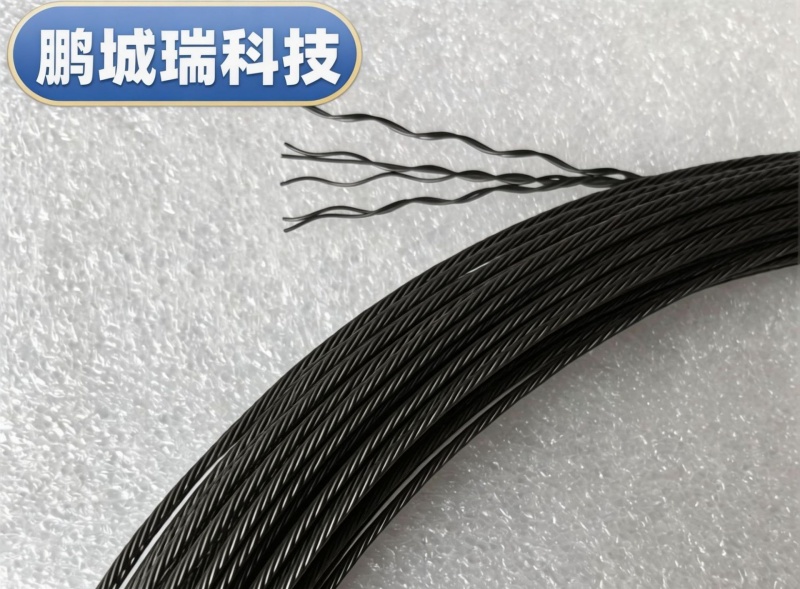
>Nickel titanium rope is a multi strand twisted structure, and the gap position is more prone to salt and dirt accumulation. The risk of corrosion in the gap is slightly higher than that of a single nickel titanium wire.
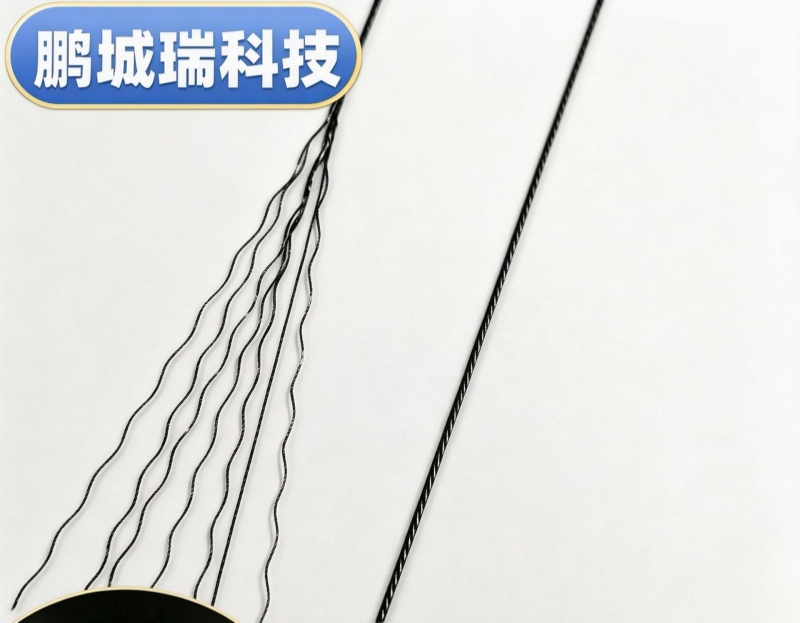
Nickel titanium alloy rope
⚠️ Media that are not corrosion-resistant (try to avoid them as much as possible)
1. Hydrofluoric acid (HF): directly dissolves titanium oxide film and corrodes quickly.
2. Concentrated hydrochloric acid and hot concentrated sulfuric acid: Non oxidizing strong acids that can damage the passivation film.
3. High temperature concentrated strong alkali (hot concentrated NaOH/KOH): The oxide film is eroded at high temperatures.
4. High fluoride ion solution (fluoride): Fluoride ions have a strong destructive effect on the TiO ₂ passivation film.
5. Risk of galvanic corrosion: When nickel titanium rope comes into direct contact with metal bubbles such as copper and ordinary carbon steel in the electrolyte, it will form a primary battery and accelerate the corrosion of another metal (nickel titanium itself is usually the cathode, corrosion slows down, but the paired metal will quickly rust).
📌 Key points to note
1. Temperature has a significant impact: for the same salt water, the higher the temperature, the lower the stability of the passivation film, and the risk of pitting and crevice corrosion increases significantly (caution should be taken for chlorine containing solutions above 80 ℃).
2. Surface condition affects corrosion resistance: Nickel titanium ropes polished by electrolysis have the best corrosion resistance; Ordinary brushed surfaces with scratches and oil stains are more prone to corrosion starting from defects.
3. Nickel ion precipitation: Although corrosion-resistant, long-term humid/corrosive environments will slowly precipitate nickel; Attention should be paid to nickel allergy scenarios.
A simple sentence comparison
Normal temperature seawater/saltwater: nickel titanium>316L stainless steel;
Hydrofluoric acid, concentrated hot strong acid, high fluorine environment: Nickel titanium alloy is not corrosion-resistant.
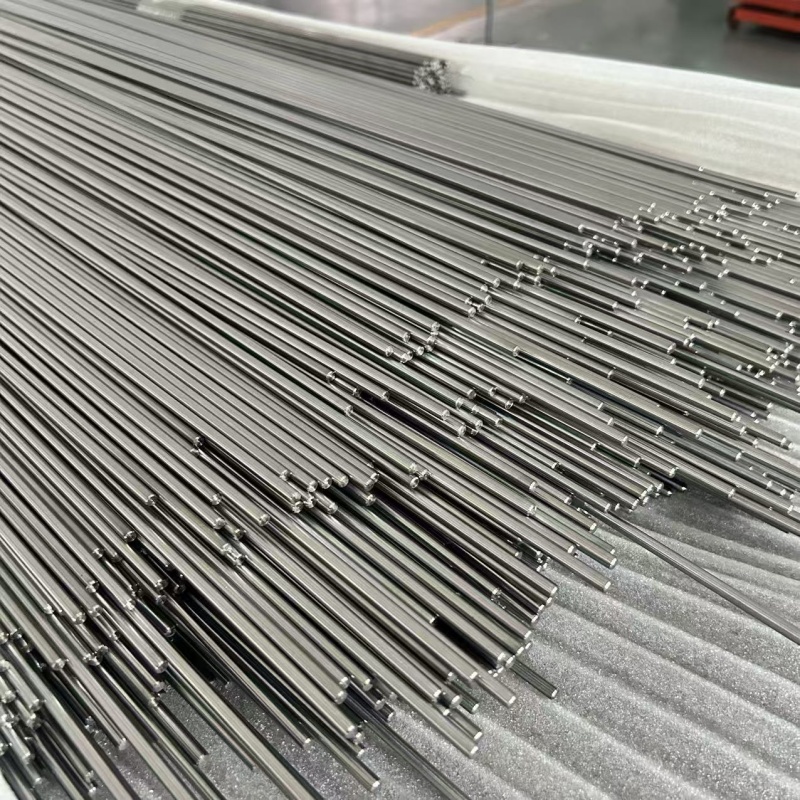
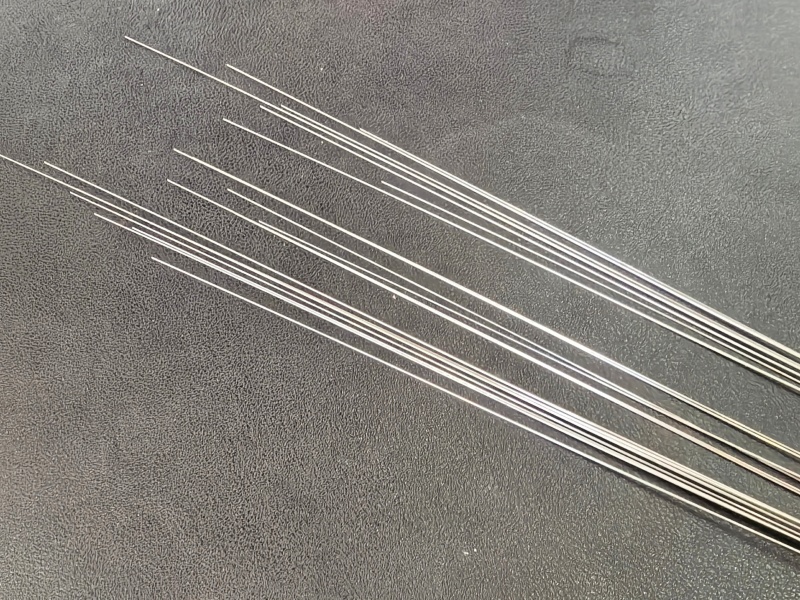
Pengchengrui Technology in Huizhou City focuses on the production of nickel titanium alloy materials, with the source factory supplying 30cm, 300 mesh 7-strand nickel titanium alloy ropes. Multi strand twisting balances flexibility and tensile strength, is corrosion-resistant and fatigue resistant, and can quickly rebound after deformation. Strictly control the production process, ensure stable batch quality, and can be applied in fields such as medical accessories and automation drives, eliminating intermediaries and achieving efficient delivery.

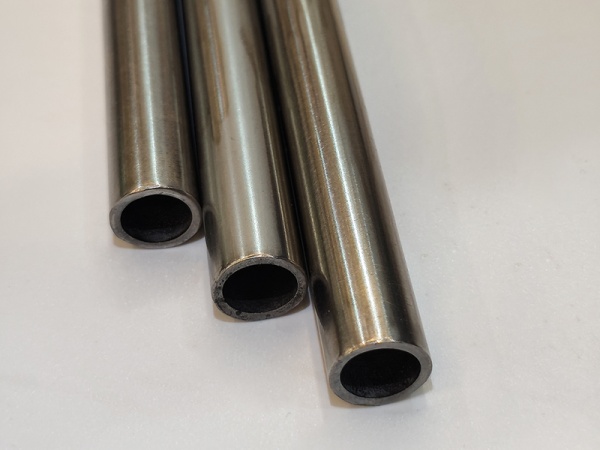
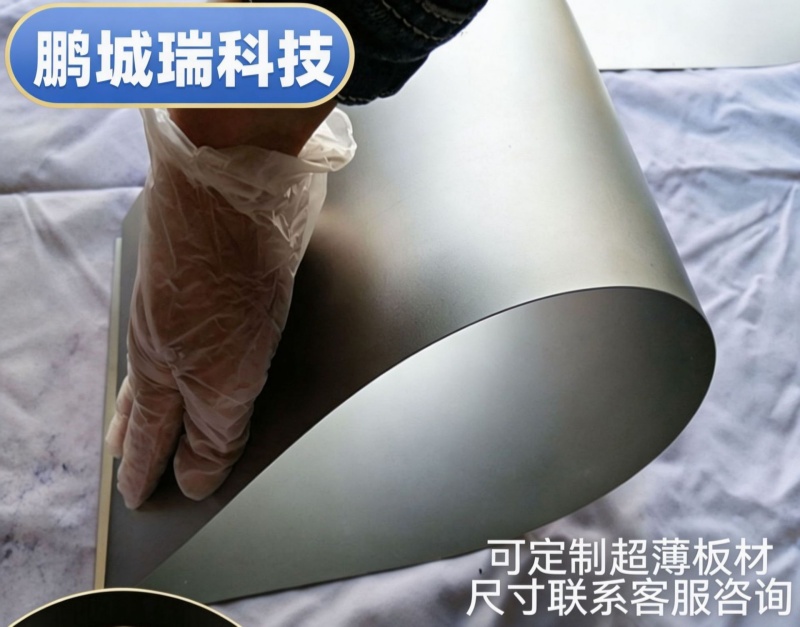
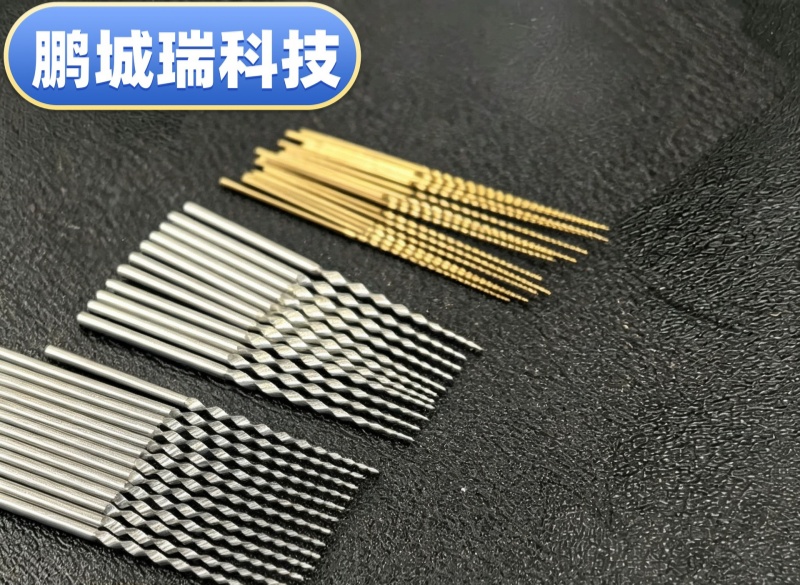
Nitinol
Seamless nickel titanium tube Nickel titanium fiber wire Nickel titanium plateApplication Area
Medical Industry New Energy Aerospace Machinery Manufacturing Marine Engineering Petrochemical IndustryContact Us
Contacts:Manager Wu +86 13632667260


 WeChat
 Call me
X