
 Chinese
 English

Service Hotline
+86 18948275773+86 13632667260


This question is crucial - many people think that "medical grade" means adding a few more elements to the composition list, but in fact, the boundary between the two is mainly not in the composition, but in the purity of inclusions, consistency of phase transition temperature, and traceability of the entire process.
The most inconspicuous but truly determining the price and reliability in the table are the third and fourth rows. Because the failure of nickel titanium parts (bracket fracture, guide wire fracture, orthodontic wire repeatedly bent and broken) is mostly not due to compositional issues, but rather the initiation of fatigue cracks from non-metallic inclusions:
The chemical composition range of the two is almost identical (Ni 54.5-57.0 wt%, Ti balance). The real dividing line is not the "formula", but the three in one standard system: metallurgical purity, phase transition temperature consistency, and full process quality control traceability. So 'medical grade' is a compliance concept, not an ingredient brand.
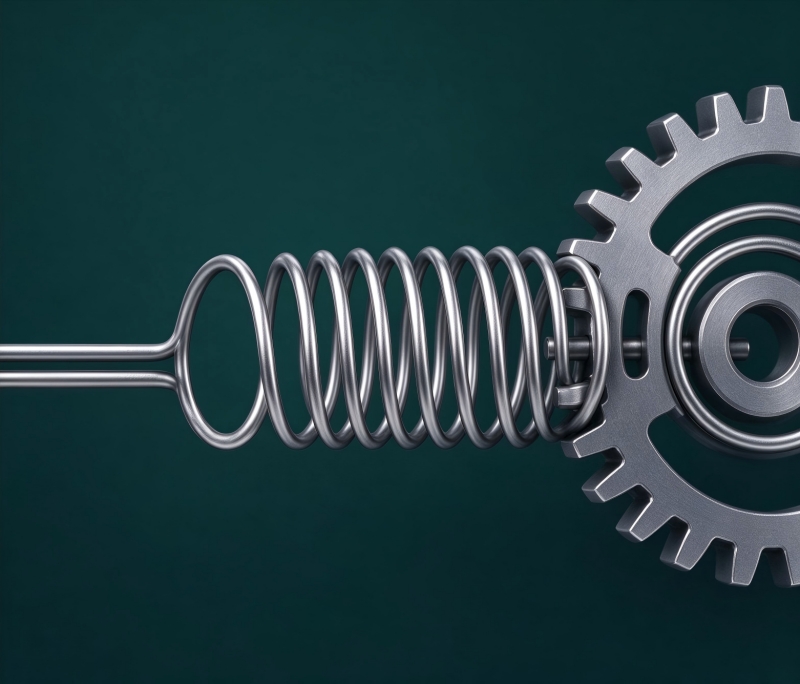
Industrial grade nickel titanium alloy
Four substantive differences
1. Standards and Regulation
-Medical: ASTM F2063 "Forged Nickel Titanium Shape Memory Alloy for Medical Devices and Surgical Implants", corresponding to GB 24627 "Nickel Titanium Shape Memory Alloy Processing Materials for Surgical Implants" in China. Additional mandatory items: vacuum/inert atmosphere melting, ISO 10993 biocompatibility (cytotoxicity, sensitization, irritation, implantation), ISO 13485 production system.
-Industry: There is no universally recognized mandatory standard. Many manufacturers quote ASTM F2063 on their promotional materials, but in reality, they deliver according to the company standard or purchase agreement.
2. Impurities and inclusions - the core
In addition to limiting C ≤ 0.05%, O ≤ 0.05%, N ≤ 0.01%, and H ≤ 0.005% (wt%), ASTM F2063 also specifies that the maximum size of non-metallic inclusions is ≤ 39 μ m and the area fraction is ≤ 2.8%. Industrial grade commonly relaxed by 1.5-6 times, the oxygen content of powder metallurgy routes can reach 0.3% (about 3000 ppm), which is 6 times the limit of F2063. The fatigue fracture of nickel titanium almost always originates from inclusions, so processes such as "Clean Melt" that compress the maximum inclusions to below 15 μ m can increase fatigue life by 2-8 times - this is the main source of medical grade premium.
3. Consistency of phase transition temperature Af
ASTM F2063 itself states that relying solely on Ni/Ti content cannot guarantee superelasticity or shape memory performance accurately enough, and DSC must be used to measure the phase transition temperature. Medical grade batch by batch testing shows that vascular stents typically have an Af of ≈ 33 ± 3 ℃ (matching body temperature) and a dispersion of ± 1-3 ℃ within the same batch; There is a large dispersion between industrial batches, and users often rely on "picking batches" to make up for it.
4. Surface and Document
Medical requirements include electrolytic polishing (Ra ≤ 0.4 μ m), no scratches (scratches themselves are crack sources), and controlled release of nickel ions; Industrial grade products are often delivered directly in black oxide or acid washed state, and roughness is not considered as an acceptance item. On the document, for medical use, it includes MTR, batch traceability, biocompatibility report, and change control (revalidation is required for changing furnace numbers), while for industrial use, one factory material list is sufficient.
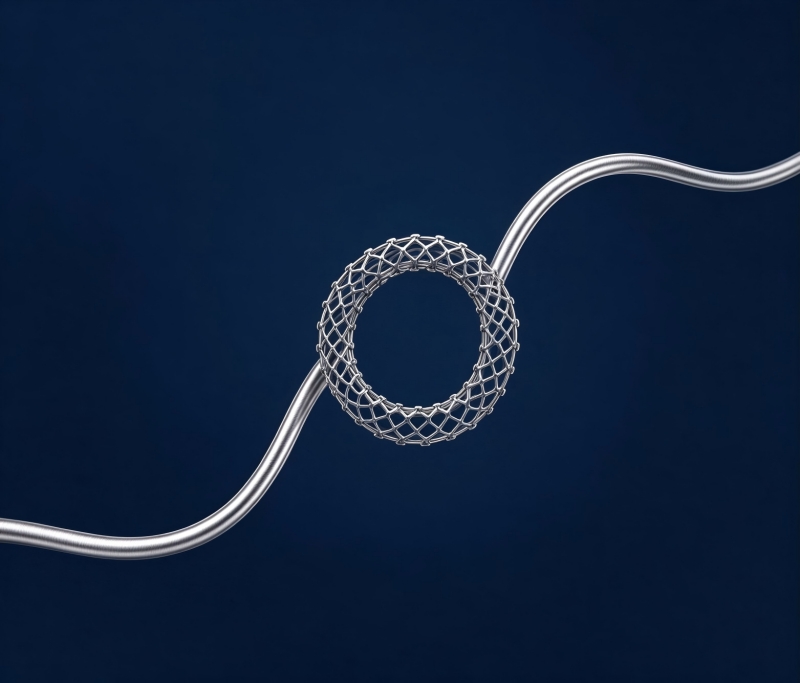
Medical grade nickel titanium alloy
Four common misconceptions
|Misconception | Actual situation|
|Medical grade strength is higher | not necessarily. The value of medical grade lies in consistency and purity, not in the upper limit of strength; Some industrial grades are made harder for driving/structural purposes instead
|The same composition table is the same material | The composition table can only exclude "not other alloys", but cannot prove inclusions and Af - these two are the determining factors of performance
|Industrial grade cannot be used for human body | Whether it can be used depends on regulatory recognition. Medical devices need to be registered, and non F2063 materials are unlikely to pass biological evaluation and type testing
|Medical grade is definitely better | Used in sensors, actuators, eyeglass frames, and aerospace deployment mechanisms is a pure premium waste
How to choose
-Implantation/blood contact/long-term in vivo → F2063 or GB 24627 must be used, following ISO 10993.
-Non human contact parts of medical devices (such as device handles, external mechanisms) can be evaluated as industrial grade, but require separate biological evaluation and documentation.
-Sensors, actuators, glasses, aerospace, seals → use industrial grade, negotiation focus on Af consistency and inclusions, don't pay for medical premiums.
-Purchasing mnemonic: Only ask for DSC measured data and metallographic inclusion reports, don't just look at Ni content. Medical grade products are usually more than three times more expensive in terms of price, with even greater differences in forms such as microfilaments and thin-walled tubes.
Industrial grade is not "inferior", it is defined on demand - in industrial scenarios, Af stability and fatigue life can also be included in the contract, but there is no unified standard to cover the bottom line for you.
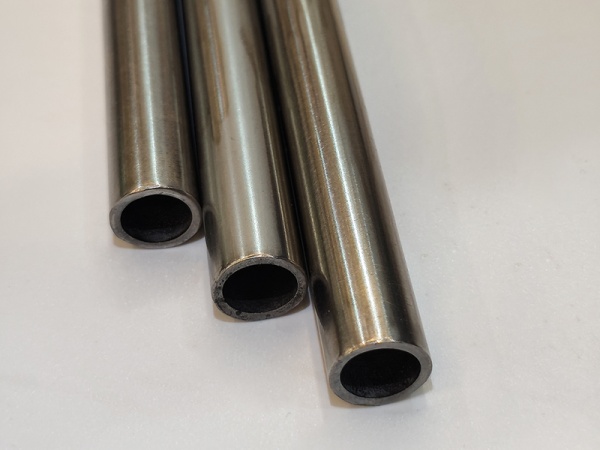
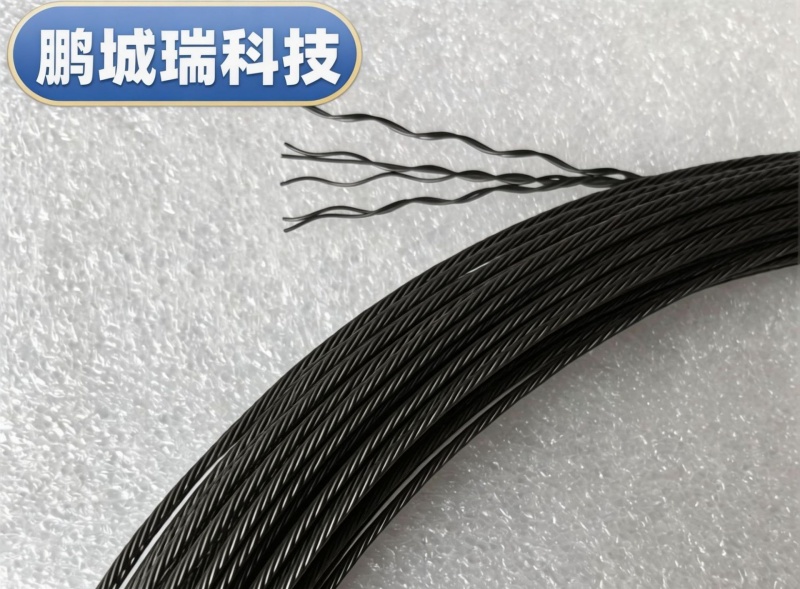
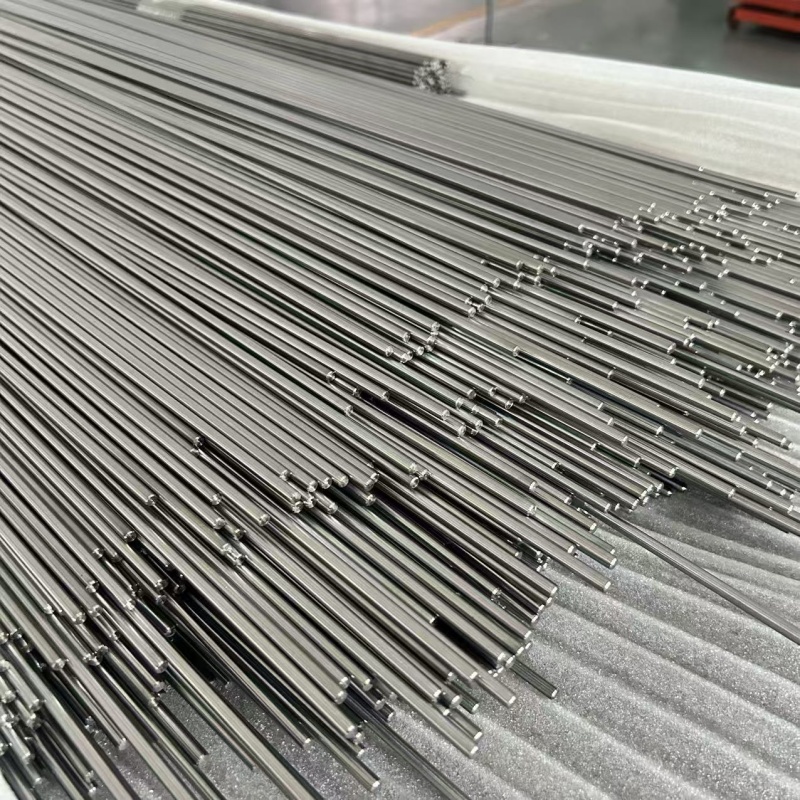
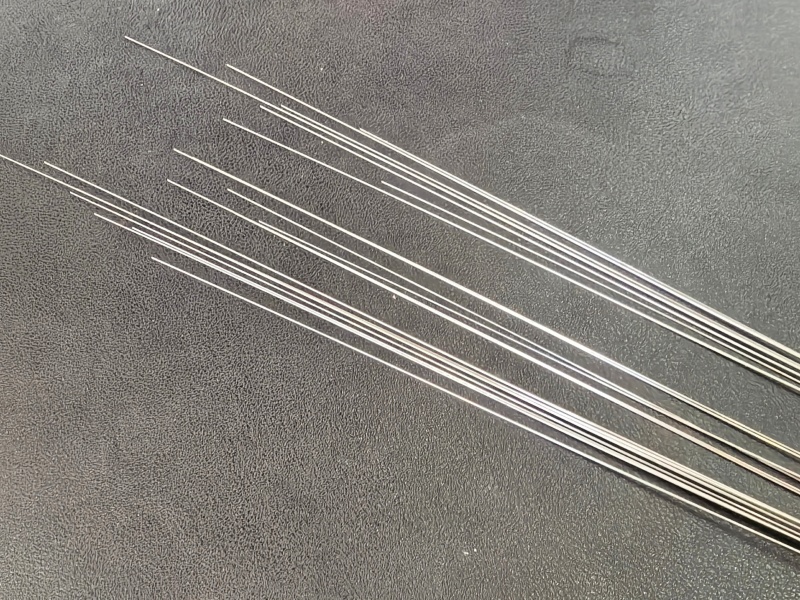
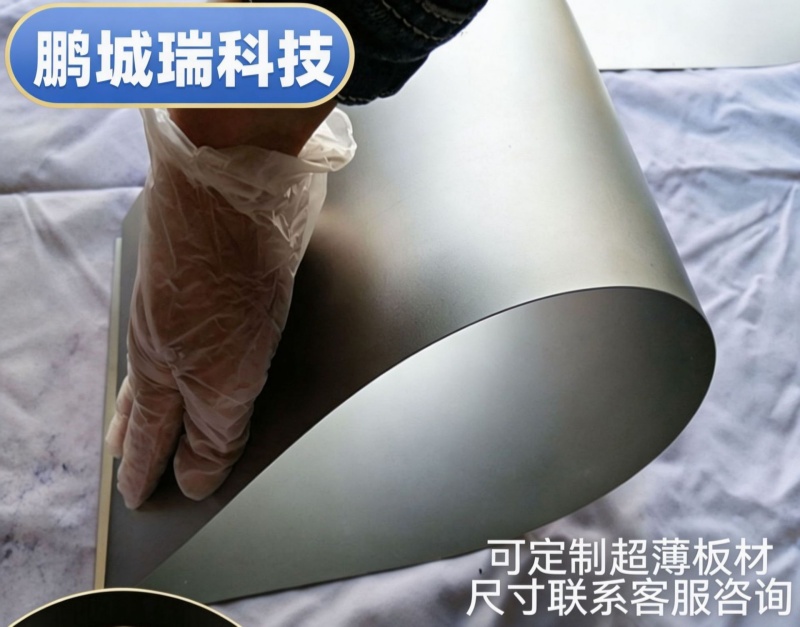
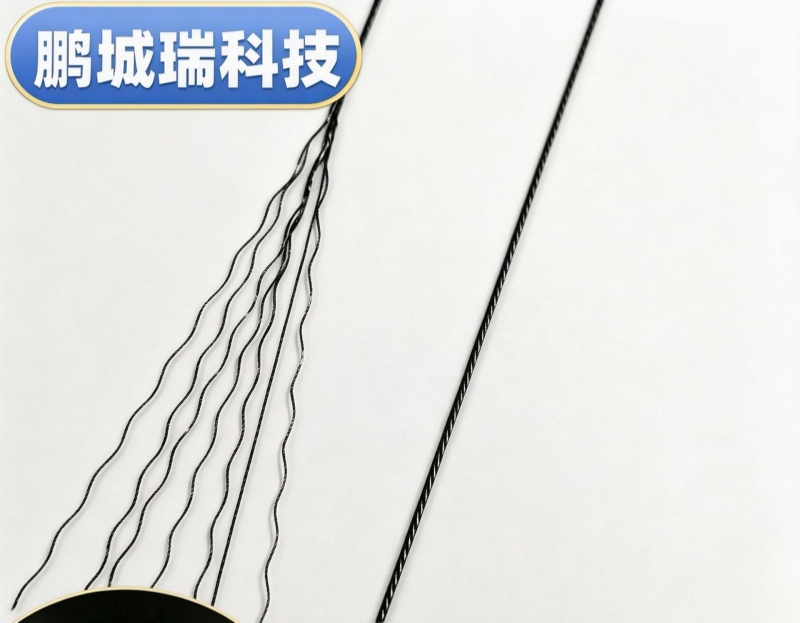
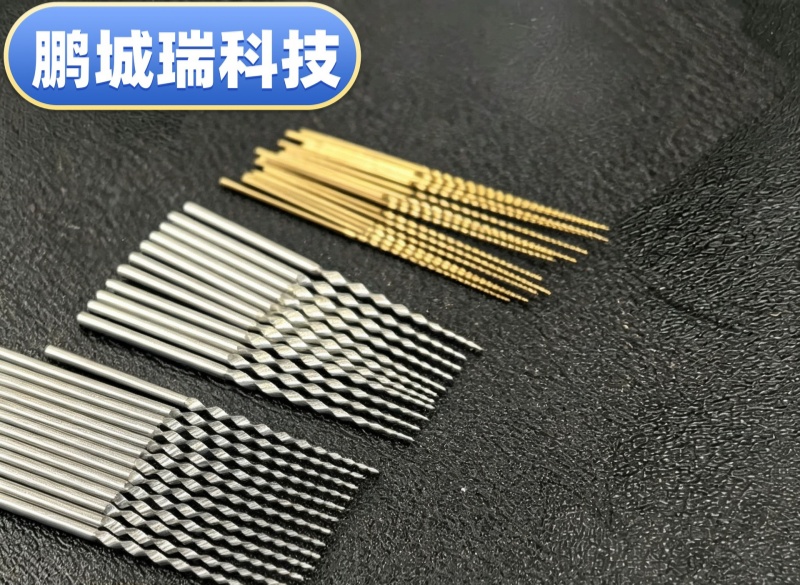
Pengchengrui Technology in Huizhou focuses on the research and production of nickel titanium memory alloys, providing one-stop services for medical and industrial materials. Customization of super elastic and shape memory profiles is available as needed, with strict quality control for medical products and compatibility with minimally invasive instruments; Industrial materials are suitable for fields such as automation and aerospace. The source factory has no intermediaries and supports samples. Welcome to contact us for cooperation.

Nitinol
Seamless nickel titanium tube Nickel titanium fiber wire Nickel titanium plateApplication Area
Medical Industry New Energy Aerospace Machinery Manufacturing Marine Engineering Petrochemical IndustryContact Us
Contacts:Manager Wu +86 13632667260


 WeChat
 Call me
X