
 Chinese
 English

Service Hotline
+86 18948275773+86 13632667260



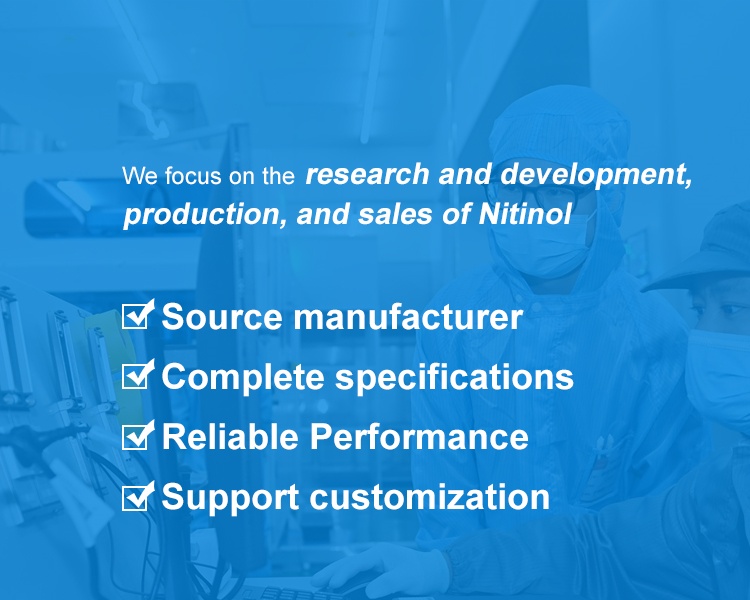
Abstract: The explosion of neural intervention and structural heart disease instruments has pushed ultrafine thin-walled nickel titanium tubes to the tightest position in the industry chain. The wall thickness tolerance, inner wall roughness, and batch consistency of a pipe directly determine whether an instrument can pass fatigue testing.
1、 Demand side: The finer the instruments are made, the harder the materials are made
In 2026, the domestic market size of nickel titanium interventional devices is expected to be around 42 billion yuan, a year-on-year increase of 12% to 15%.
Upon opening, the coronary drug-eluting stents have become saturated, with growth rates falling back to single digits; The three areas that are truly increasing volume are structural heart disease (left atrial appendage occluder, valve framework), neural intervention (thrombectomy stent, dense mesh stent), and peripheral blood vessels (self expanding stent, balloon catheter).
The commonality among these three is that they are all moving towards "finer, thinner, and softer".
The mainstream specification for nickel titanium tubes used in nerve intervention is already below 0.3mm, and some scenarios require a smaller outer diameter with extremely thin and thick walls; The nickel titanium wire of the occluder has an increasing weaving density, and its tolerance for wire diameter consistency and surface defects is close to zero.
The demand side has raised the precision requirements, and the supply side has to change the process accordingly.
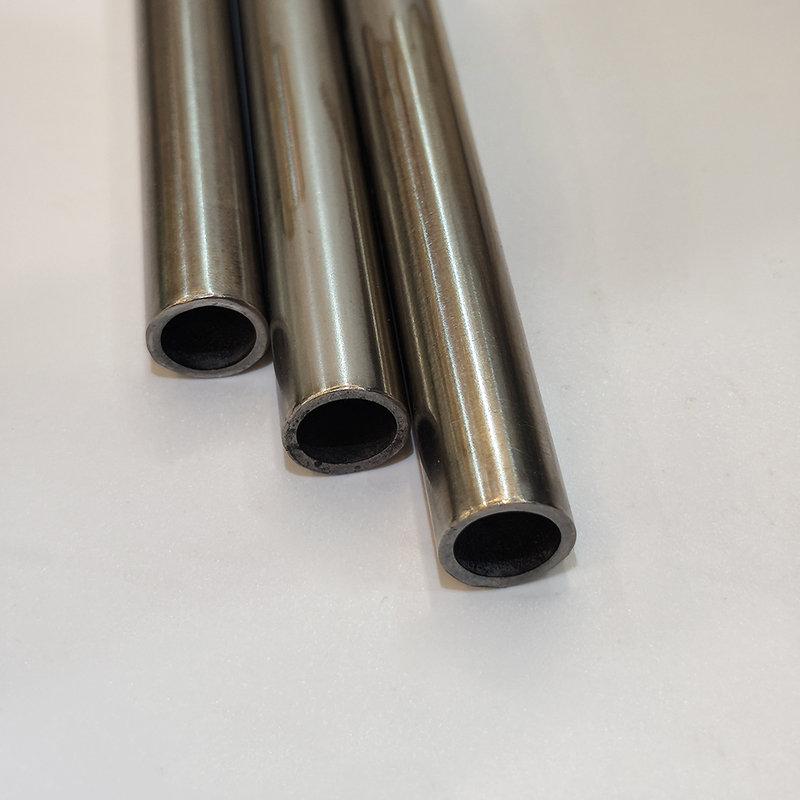
2、 The Four Passes of a Pipe
From a nickel titanium rod to a usable thin-walled tube, there must be at least four passes in between:
The first level is the pipe blank. The drilling method or the extrusion method directly determines the uniformity of the initial wall thickness. The tube blank is eccentric, and no matter how hard it is pulled back, it cannot be saved.
The second level is cold drawing. Nickel titanium cold work hardening is extremely fast, and cracking occurs when the deformation amount is slightly larger, while low efficiency and high cost occur when the deformation amount is slightly smaller. Track allocation, core design, lubrication and cleaning are all based on experience curves. Ultra thin tubes also have to face the old problem of "broken wires" - if a batch is pulled down and several wires are broken, the yield rate will decrease.
The third level is heat treatment. Annealing is required between each pass, and the temperature and time determine the final phase transition temperature and superelasticity. This is also the stage where batch drift is most likely to occur.
The fourth level is straightening and surface treatment. Once the thin-walled tube is straightened, it is easy to become elliptical, and the roughness of the inner wall does not meet the standard. No amount of effort in subsequent electrolytic polishing can make up for it.
If any of the four levels are not stabilized, the final result is not 'unqualified', but 'this batch is qualified, the next batch is hard to say' - the latter is more troublesome for the device factory.
3、 The real cost is' revalidation '
Switching to a different material supplier for the device factory may result in different accounting methods.
A Class III implantable device needs to undergo design changes, biocompatibility evaluation, fatigue testing, animal experiments, and in severe cases, re clinical trials to replace materials. The common experience in the industry is that the fastest project takes six months, while those that require long-term implantation take three to five years.
So when device manufacturers choose suppliers, what they really care about is often not the unit price, but three things:
1. Can your process window remain stable for dozens of consecutive batches without drifting;
2. Can you supply wire, tube, and rod simultaneously to reduce the verification cost of multi head management;
3. If there is a problem, can you clarify which process it is within two hours.
These three things all point to the same answer: materials need to be made by oneself, and processes need to be controlled by oneself.
4、 From 'selling materials' to' being able to handle drawings'
There is another change happening.
Previously, material factories only sold standard specifications, while component factories cut and shaped them themselves. More and more device manufacturers now hope that upstream can directly deliver customized parts that are close to finished products - pre formed rings, pre bent wires, and bracket skeletons at specific angles.
The requirements for material factories have changed: not only do they need to be able to refine and pull, but they also need to understand subsequent laser cutting, heat setting, and polishing. Or at least, it is necessary to understand the requirements of these processes on the materials in order to adjust the performance of the wire and tube at the front end.
The profits of the industrial chain are shifting from "tons" to "pieces".
5、 About Us
Pengchengrui Technology Co., Ltd. in Huizhou City started producing nickel titanium materials from the melting step.
The four processes of melting, forging, rolling, and drawing are all completed in our own workshop. Quality control is not the last sampling inspection, but runs through every link - because we know that the wall thickness tolerance of a tube is already written in the uniformity of the composition of the ingot.
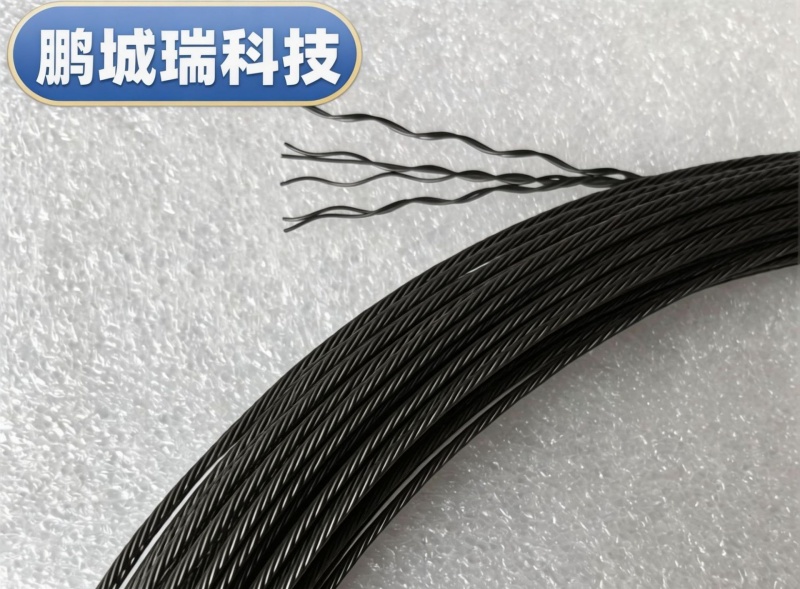
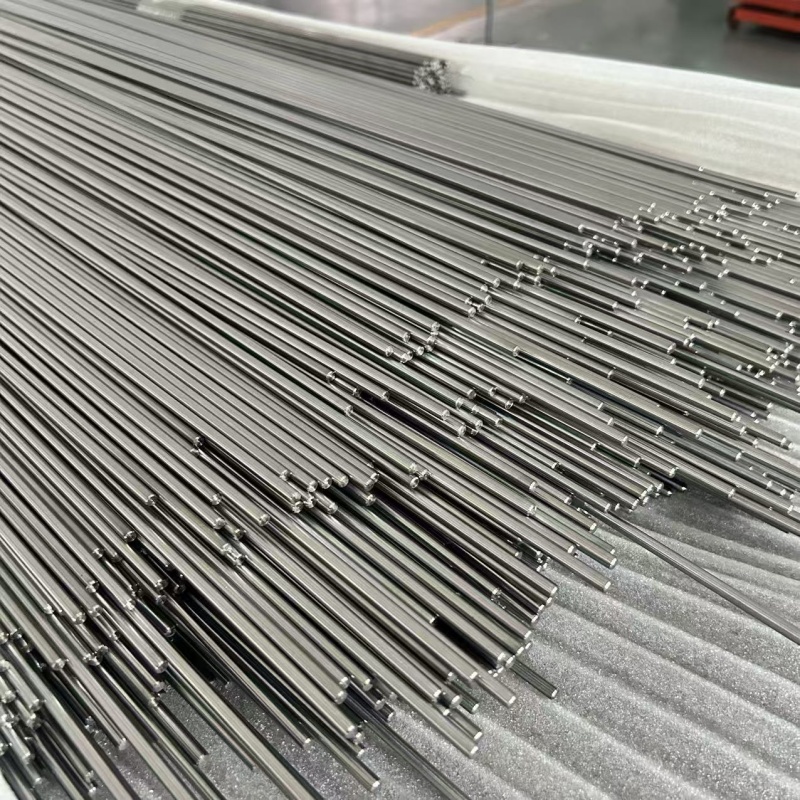
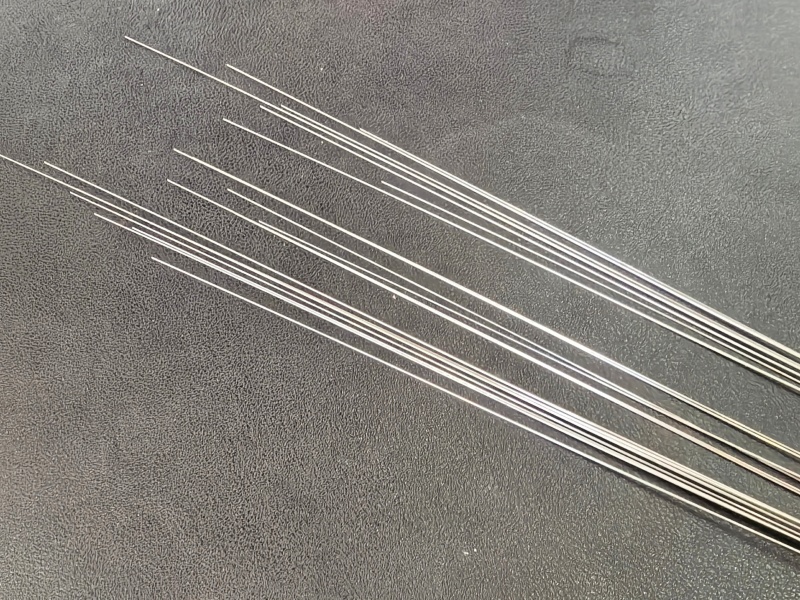
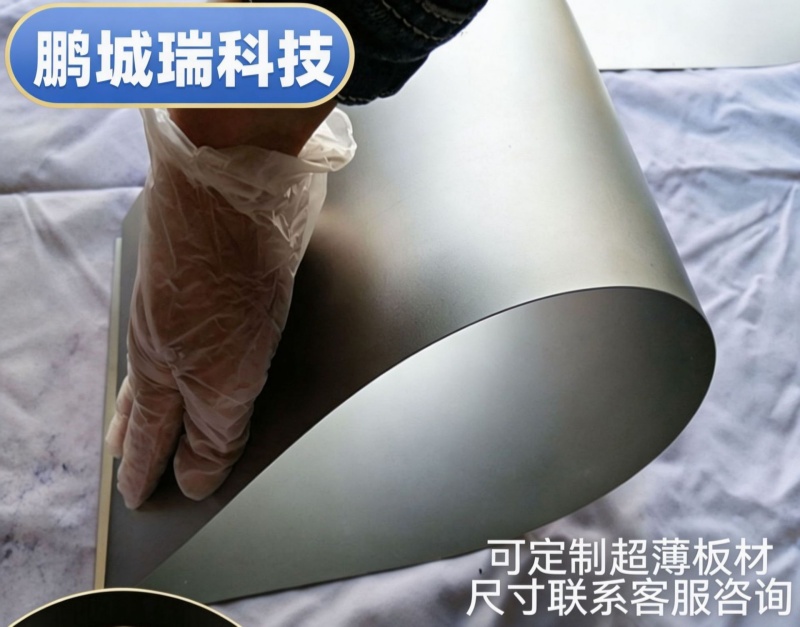
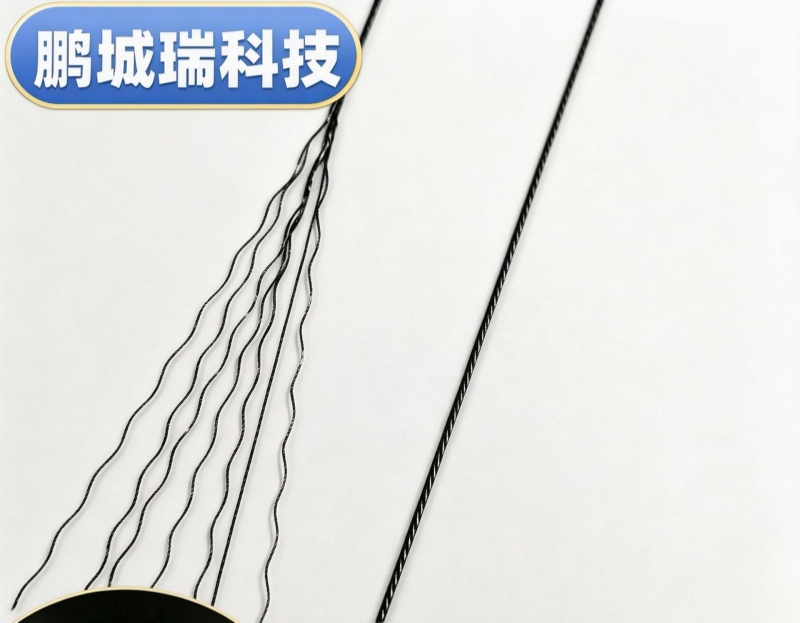
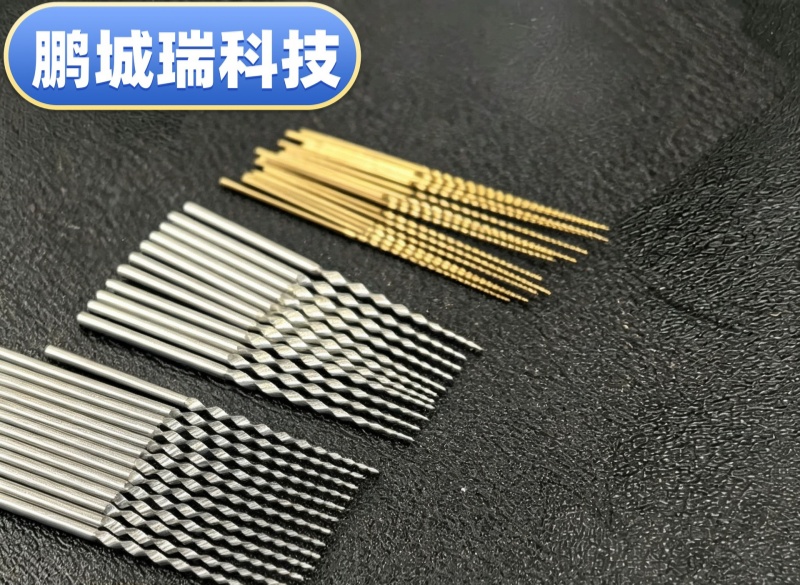
In terms of product form, we offer five categories: wire, plate, tube, rope, and rod, as well as customized shaped parts according to the drawings. The device factory requires a 0.2mm wire, a thin-walled tube, and a pair of pre formed parts, which can be mixed together in the same place, saving one round of verification and one less tearing.
Samples can be sent first, and data can be provided first. We are accustomed to using actual measurements when it comes to material selection.
Keywords: Nickel titanium tube/Nickel titanium capillary tube/Medical nickel titanium wire/Nickel titanium memory alloy tube/Nickel titanium fixed parts/Nickel titanium alloy source manufacturer/Interventional device materials


Nitinol
Seamless nickel titanium tube Nickel titanium fiber wire Nickel titanium plateApplication Area
Medical Industry New Energy Aerospace Machinery Manufacturing Marine Engineering Petrochemical IndustryContact Us
Contacts:Manager Wu +86 13632667260


 WeChat
 Call me
X