
 Chinese
 English
Service Hotline
+86 18948275773+86 13632667260


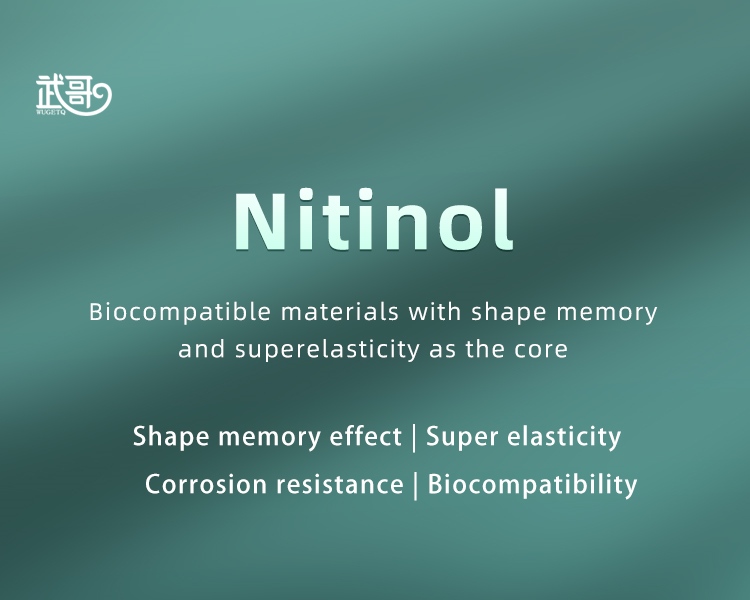

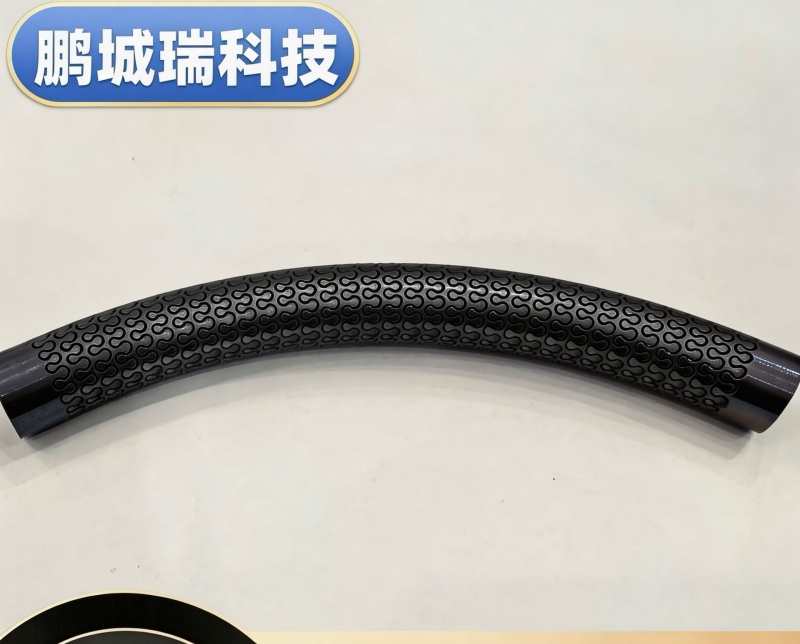
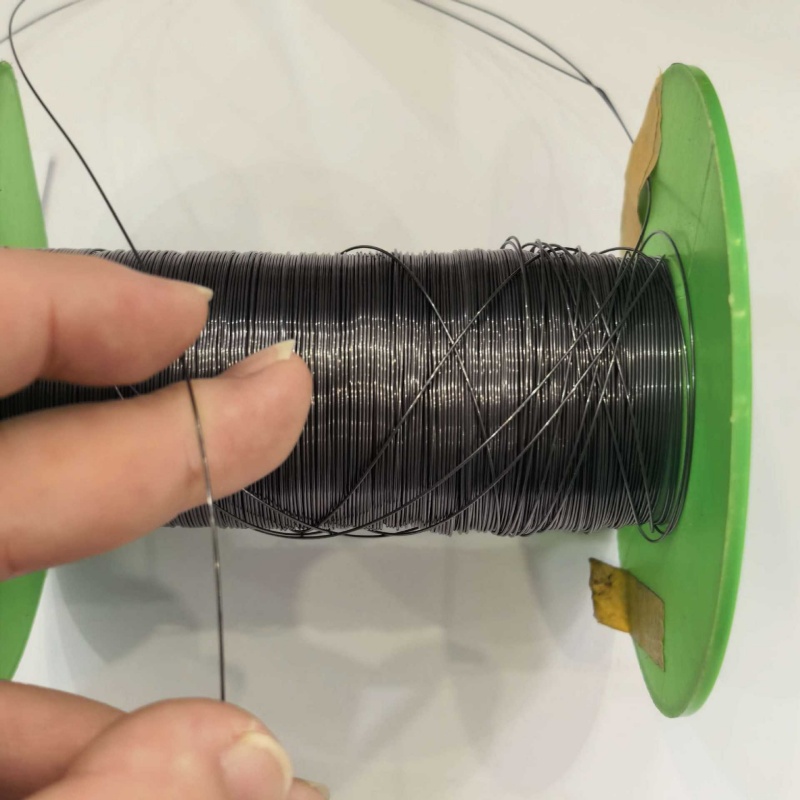
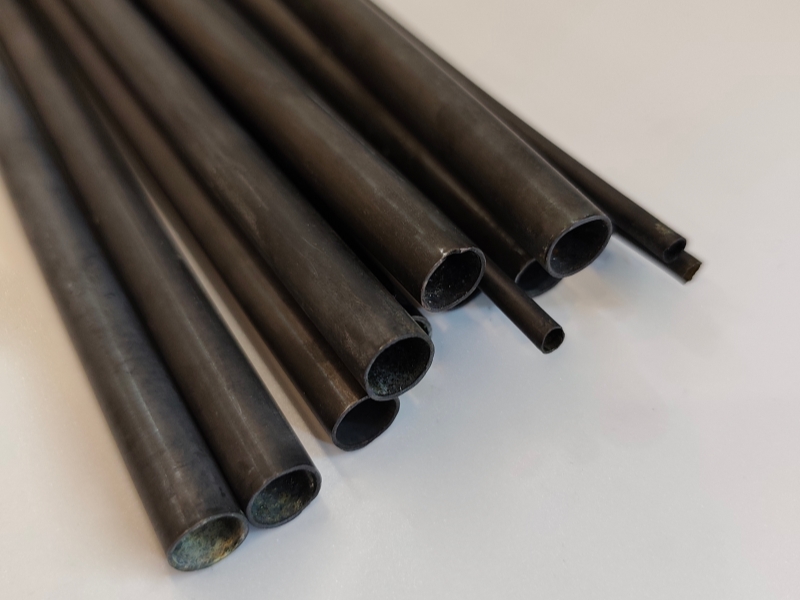
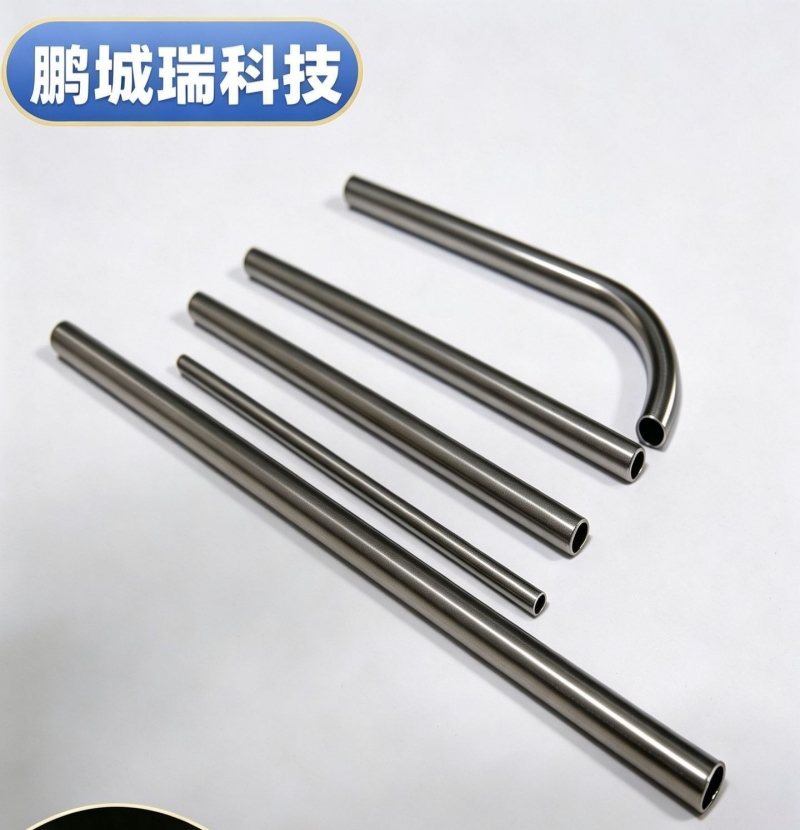
Nickel titanium cold-rolled pipes will not rust, and they have excellent corrosion resistance, making them less prone to rusting. Nickel titanium alloy cold rolled pipes have high corrosion resistance, especially in seawater and biological environments.
In addition, a series of treatments are carried out on the pipes during the cold rolling process, including annealing, acid washing, and surface treatment, which further enhance their corrosion resistance and rust prevention ability.
In order to maintain the rust prevention effect of nickel titanium cold-rolled pipes, it is recommended to take the following measures:
Surface Treatment
Passivation treatment: A more stable and dense passivation film is formed on the surface of nickel titanium cold-rolled pipes through chemical methods. This passivation film can further improve the corrosion resistance of the pipes, enhance the barrier effect on oxygen and moisture, and effectively prevent rusting of the pipes.
Coating with protective coating: Various protective coatings can be applied to the surface of nickel titanium cold-rolled pipes, such as paint, epoxy resin coating, polyester coating, etc. These coatings can isolate pipes from external air, moisture, and corrosive substances, providing good rust prevention. At the same time, the coating can also serve a decorative purpose, improving the appearance quality of the pipe.
Metal plating protective layer: A layer of other metals such as zinc, chromium, nickel, etc. is plated on the surface of nickel titanium cold-rolled pipes using electroplating or chemical plating methods. These metal plating layers have good corrosion resistance and conductivity, which can protect the pipe substrate from corrosion. For example, the galvanized layer can form a sacrificial anode on the surface of the pipe, and even if the coating is locally damaged, zinc will corrode before nickel titanium alloy, thus protecting the pipe substrate.
Environmental control
Control storage environment: Store nickel titanium cold-rolled pipes in a dry and well ventilated environment, avoiding exposure of the pipes to humid air. The humidity in the air is one of the important factors causing rusting of pipes, and reducing the environmental humidity can effectively slow down the corrosion rate of pipes. Desiccants can be used to absorb moisture from the air and maintain a dry storage environment.
Avoid contact with corrosive media: Try to avoid contact between nickel titanium cold-rolled pipes and corrosive media such as strong acids, strong bases, salt solutions, etc. If pipes must be used in environments with corrosive media, corresponding protective measures should be taken, such as using corrosion-resistant lining or special surface treatment.
Routine maintenance
Regular inspection: Regularly inspect nickel titanium cold-rolled pipes to promptly detect surface damage, corrosion, and other issues. For small area damages discovered, they can be repaired in a timely manner to prevent the damage from expanding and causing rust.
Cleaning and maintenance: Regularly clean nickel titanium cold-rolled pipes to remove surface dust, oil stains, and other impurities. These impurities may adsorb moisture and corrosive substances in the air, accelerating the corrosion of pipes. Gentle cleaning agents and soft cloths can be used for wiping to avoid scratching the surface of the pipe with sharp tools.
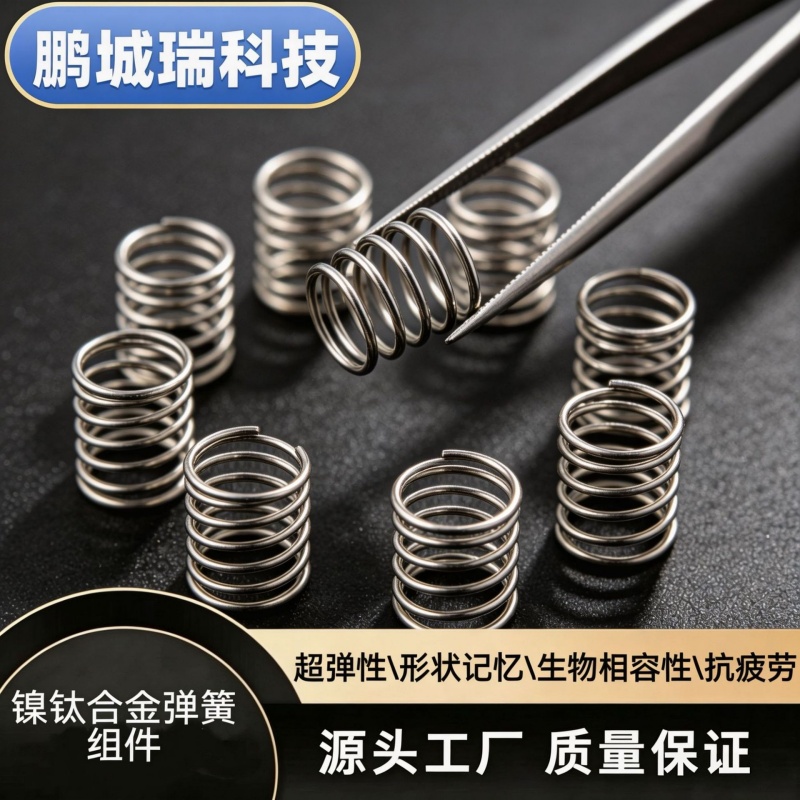
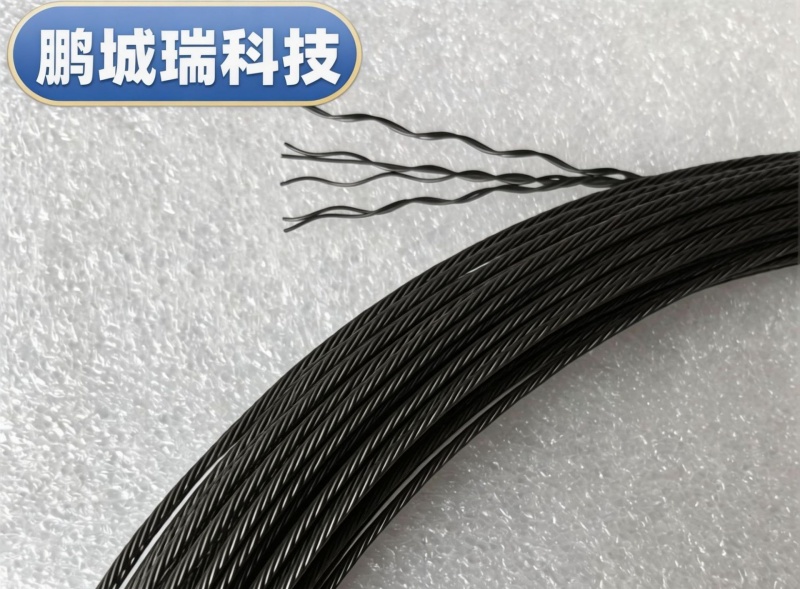
Nitinol
Seamless nickel titanium tube Nickel titanium fiber wire Nickel titanium plateApplication Area
Medical Industry New Energy Aerospace Machinery Manufacturing Marine Engineering Petrochemical IndustryContact Us
Contacts:Manager Wu +86 13632667260


 WeChat
 Call me
X