
 Chinese
 English
Service Hotline
+86 18948275773+86 13632667260


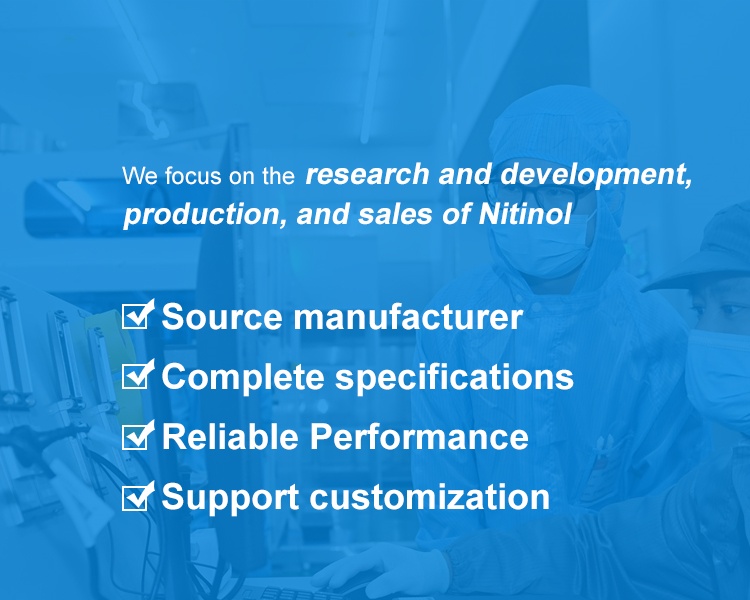
The production process of nickel titanium alloy high-temperature cold-rolled pipes needs to take into account the shape memory characteristics, processing plasticity, and dimensional accuracy of the alloy. The core process is: billet preparation → pretreatment → high-temperature cold-rolled forming → heat treatment → finishing inspection. The key operations and objectives of each link are as follows:
1. Preparation of raw materials
Raw material melting: Using vacuum induction melting or vacuum arc remelting technology, high-purity nickel and titanium raw materials (nickel titanium atomic ratio is usually 50.5:49.5~51:49) are melted according to the ratio to avoid impurities (such as O, C, N) from entering and ensure the uniformity of alloy composition.
Ingot opening: Heat the ingot to 900-1100 ℃ and forge or hot-rolled it into a hollow billet (blank tube) with a wall thickness usually 3-5 times that of the finished tube, and the outer diameter deviation is controlled within ± 0.5mm.
Blank perforation: If the ingot is solid, it needs to be processed into a hollow tube blank using a cross rolling perforation machine, with a perforation temperature of 850~950 ℃, to ensure smooth and crack free inner holes.
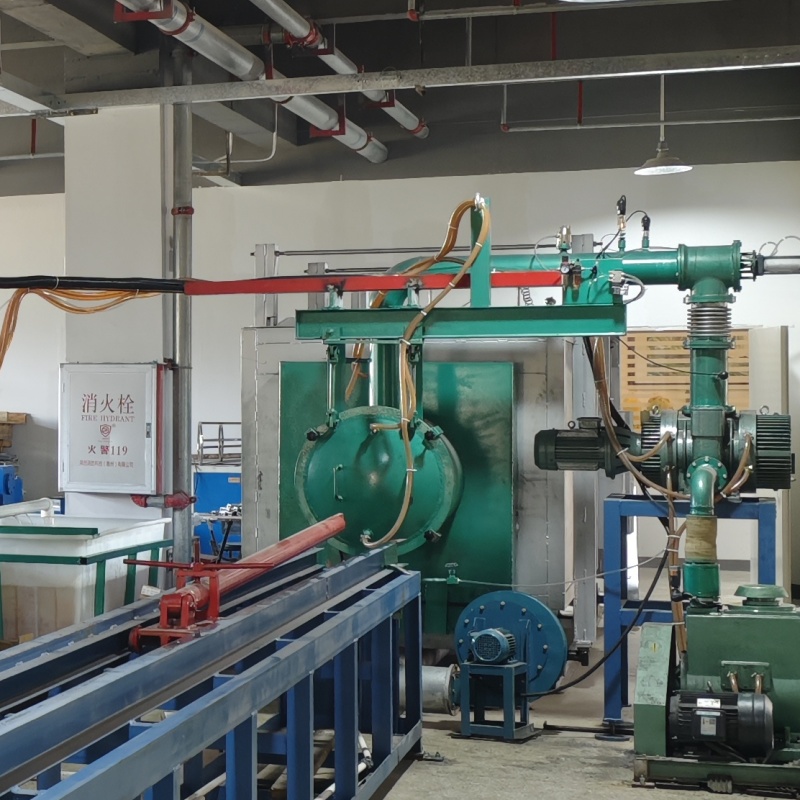
Vacuum Melting Furnace
2. Preprocessing
Uniform annealing: Heat the tube blank to 900-1000 ℃, hold for 4-8 hours, and then cool it in the furnace to eliminate component segregation in the as cast structure, refine the grain size, and improve subsequent processing plasticity.
Surface cleaning: Mechanical polishing or acid washing (nitric acid+hydrofluoric acid mixture) is used to remove the oxide scale, oil stains, and defects on the surface of the pipe blank, to prevent scratching of the pipe or damage to the mold during rolling.
Lubrication treatment: Apply high-temperature special lubricants (graphite based or glass powder based lubricants) evenly on the inner and outer surfaces of the pipe blank to reduce friction and wear between the mold and the pipe during the rolling process.
3. High temperature cold rolling forming (core process)
Temperature control: Heat the tube blank to 300-500 ℃ (below the recrystallization temperature and above room temperature), and use a dedicated heating furnace to precisely control the temperature to avoid brittle cracking caused by low temperature or dynamic recrystallization caused by high temperature.
Multi pass rolling: Using a two roll or three roll cold rolling mill, small deformation rolling is carried out according to the preset pass, with a deformation of 5% to 15% per pass.
First step: Focus on reducing wall thickness and adjusting the uniformity of pipe thickness;
Subsequent steps: Gradually reduce the diameter to approach the outer diameter and wall thickness dimensions of the finished product.
Intermediate annealing: After 2-3 passes of rolling, intermediate annealing (400~600 ℃, holding for 0.5~2 hours) is carried out to eliminate work hardening, restore alloy plasticity, and avoid subsequent rolling cracking.
4. Heat treatment (key performance control process)
Solution treatment: Heat the cold-rolled pipe to 700-850 ℃, hold for 10-30 minutes, and then rapidly cool it with water to obtain supersaturated austenite structure, laying the organizational foundation for shape memory effect and superelasticity.
Timeliness treatment: According to application requirements, maintain the temperature at 300-500 ℃ for 1-4 hours to precipitate small TiNi phases, adjust the austenite transformation temperature (As, Af points) of the alloy, and match the usage temperature of different scenarios (such as medical stents requiring Af points close to human body temperature of 37 ℃).
5. Finishing and Inspection
Fixed diameter straightening: Using a fixed diameter mold or hydraulic straightening machine to correct the ovality and curvature of the pipe, ensuring an outer diameter tolerance of ≤± 0.01mm and a straightness of ≤ 0.5mm/m.
Surface finishing: Remove small scratches on the surface through polishing and electrolytic grinding to achieve a surface roughness Ra ≤ 0.2 μ m; If necessary, passivation treatment should be carried out to enhance the surface corrosion resistance.
Performance and Dimensional Inspection
Dimensional inspection: Use laser calipers and wall thickness gauges to check the uniformity of inner and outer diameters and wall thickness;
Mechanical properties: testing tensile strength, elongation, and superelastic recovery rate;
Functional performance: detecting shape memory effect (heating recovery rate after deformation) and austenite transformation temperature;
Non destructive testing: eddy current testing and ultrasonic testing are used to inspect internal cracks, pores, and other defects.
Finished product packaging: Sealed packaging in a clean environment to prevent surface oxidation or contamination.
Wuge Nickel Titanium Alloy Materials provides full industry chain product services for nickel titanium, from nickel titanium alloy smelting, forging and opening billets, rolling, wire drawing to finished products. Welcome everyone to communicate and exchange ideas.
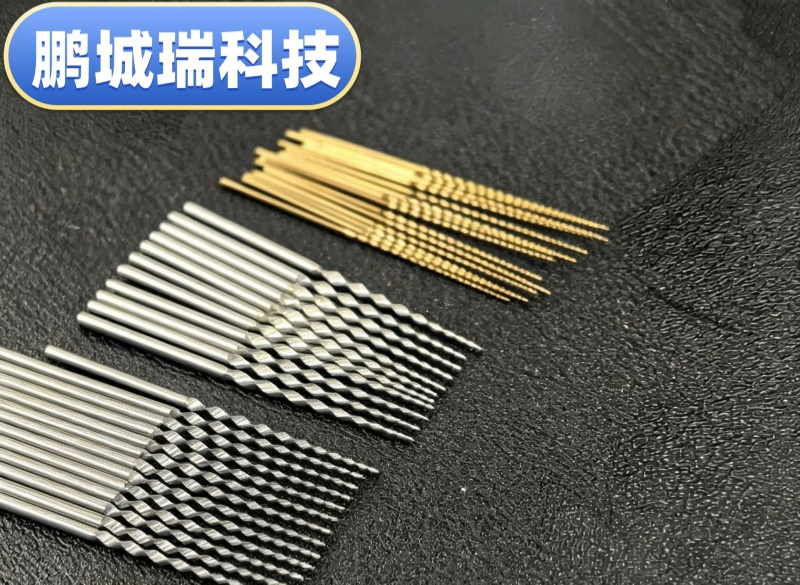
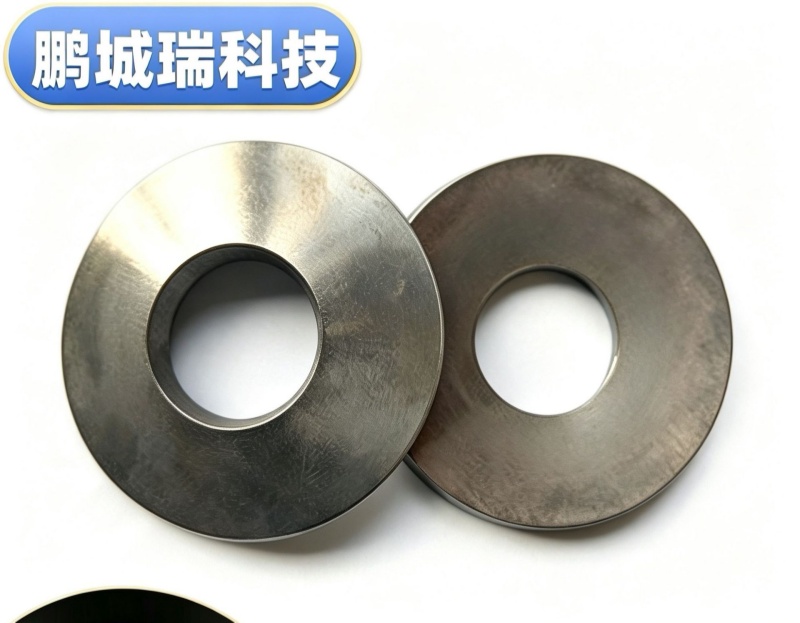
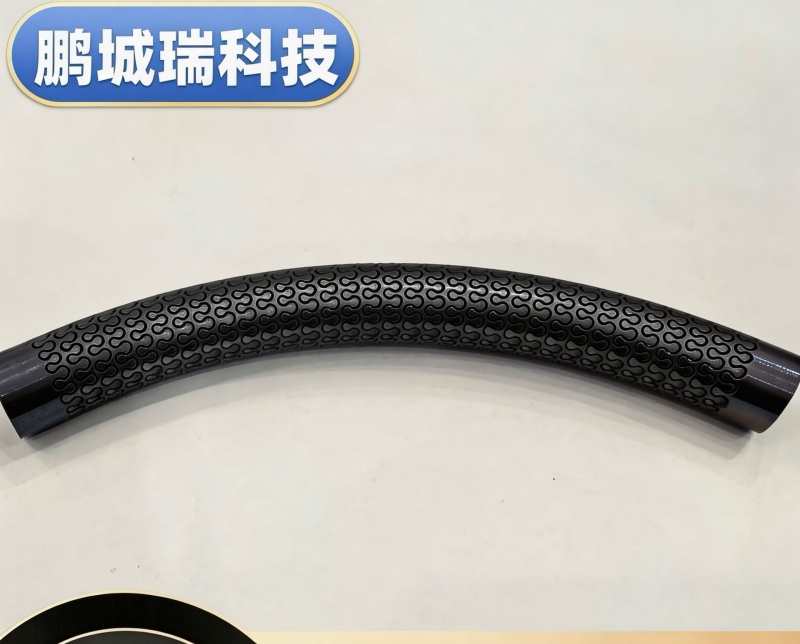
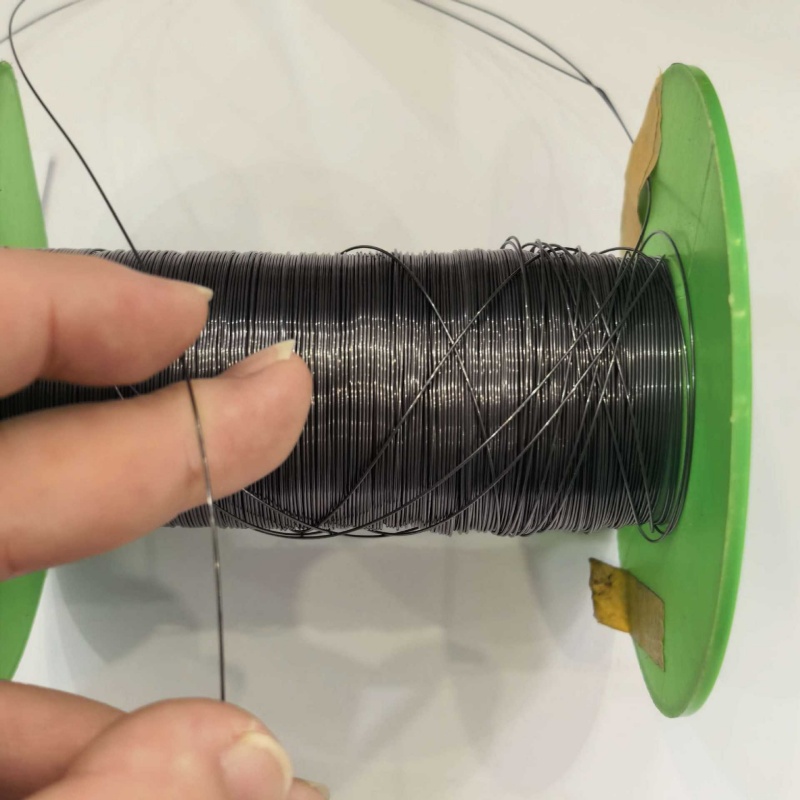
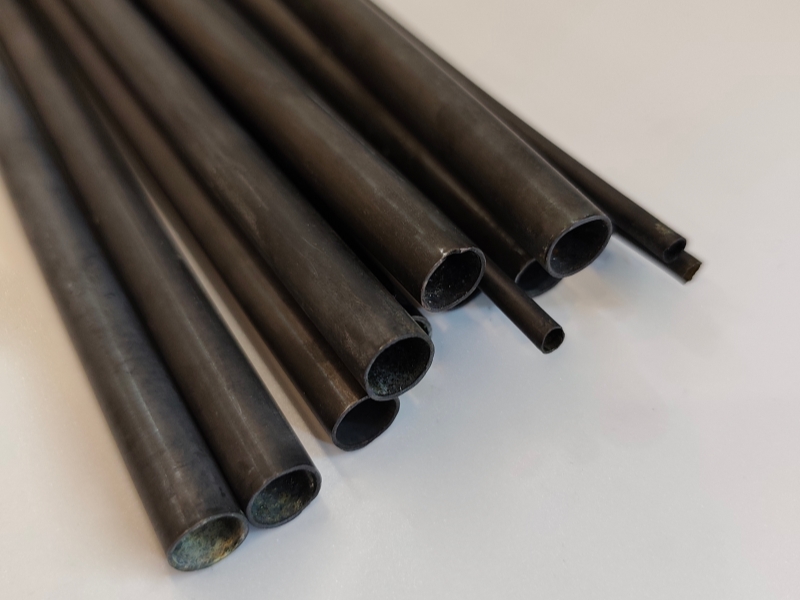
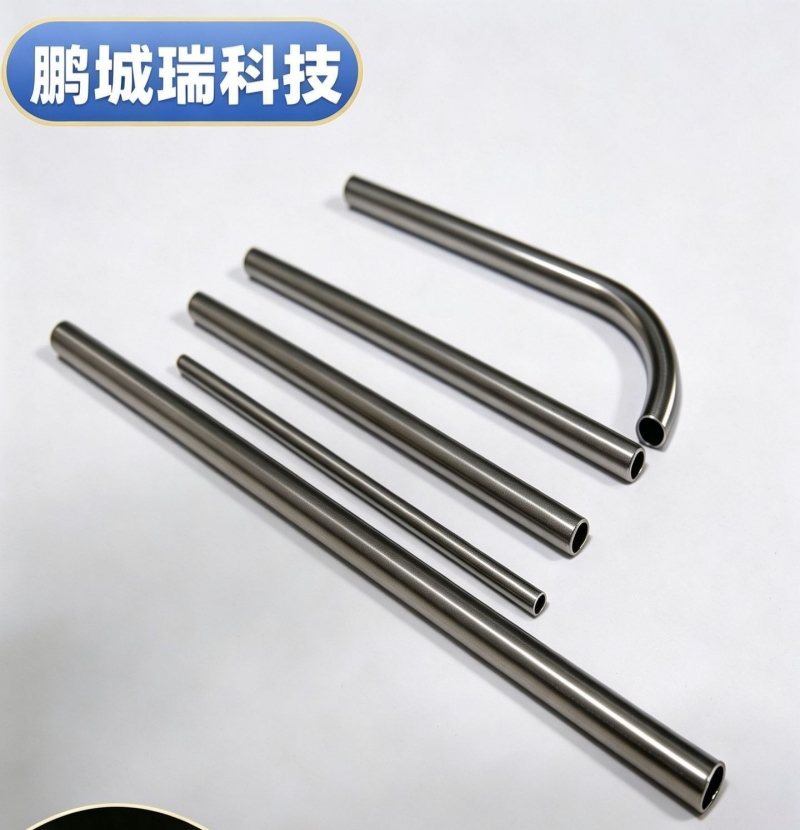
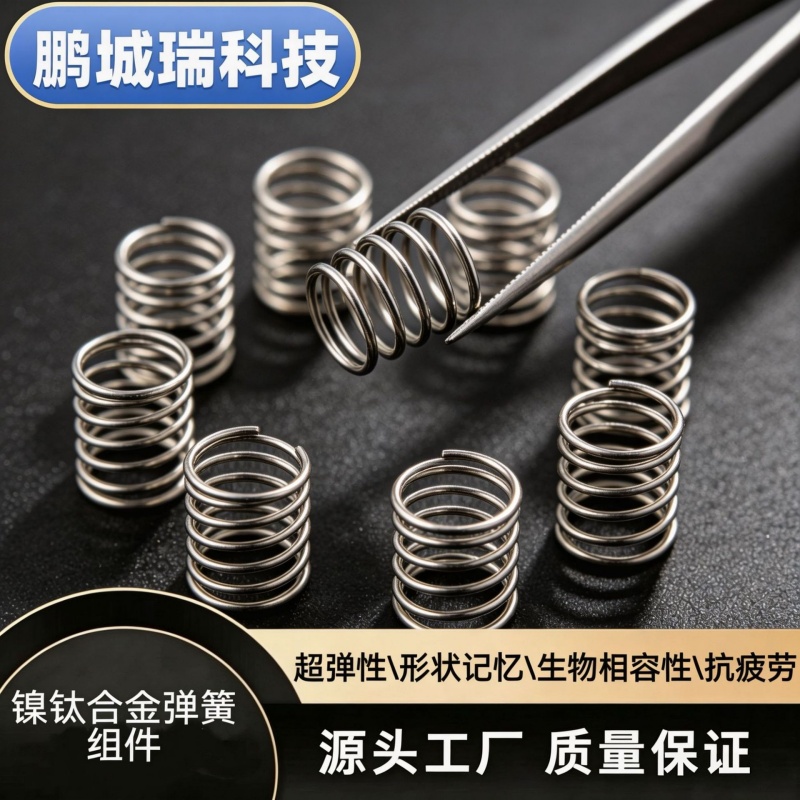
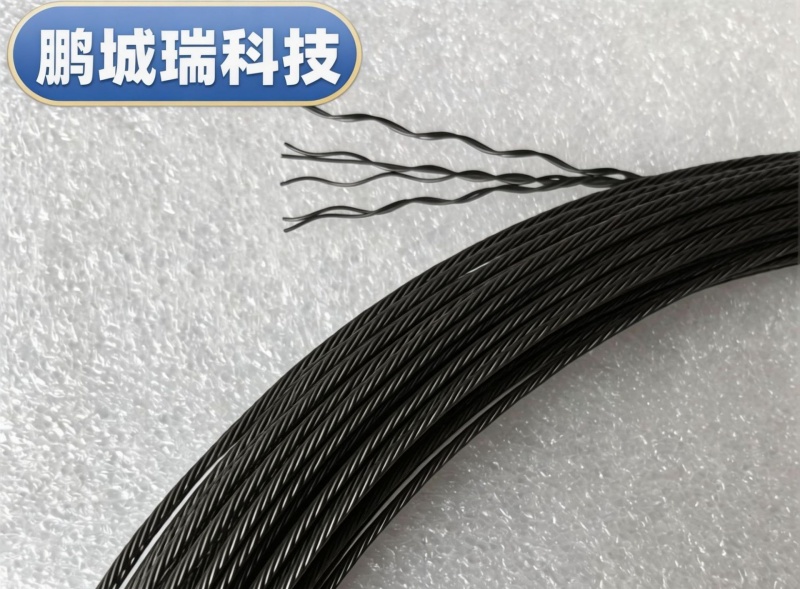
Nitinol
Seamless nickel titanium tube Nickel titanium fiber wire Nickel titanium plateApplication Area
Medical Industry New Energy Aerospace Machinery Manufacturing Marine Engineering Petrochemical IndustryContact Us
Contacts:Manager Wu +86 13632667260


 WeChat
 Call me
X