
 Chinese
 English
Service Hotline
+86 18948275773+86 13632667260


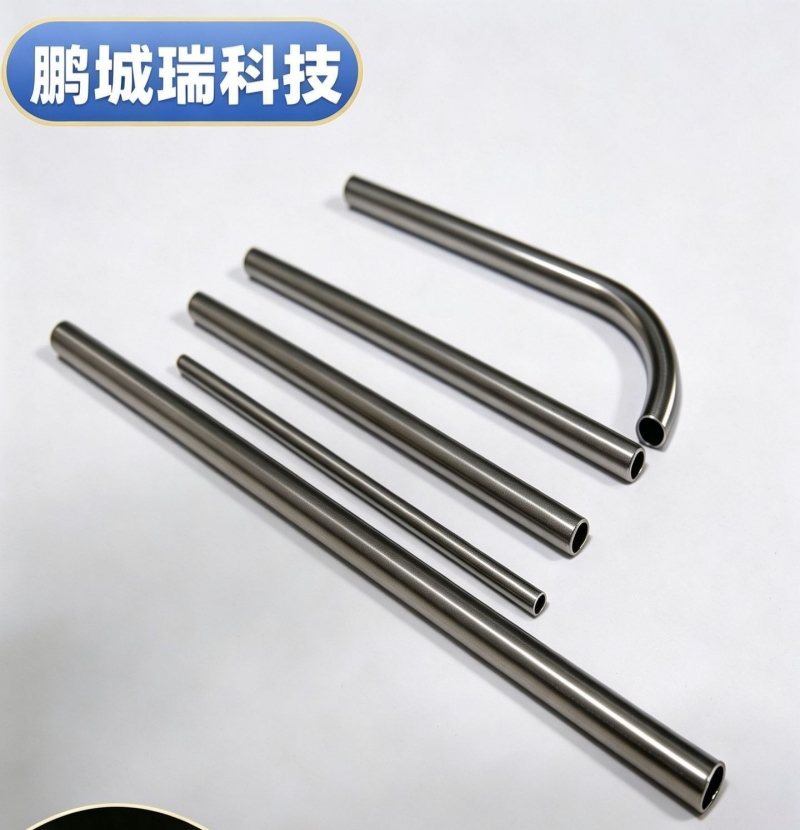
Nickel titanium alloy high-temperature cold-rolled pipe is a special type of pipe prepared by combining the characteristics of nickel titanium shape memory alloy with high-temperature cold rolling process. It has shape memory effect, super elasticity, corrosion resistance and excellent mechanical properties, and is widely used in high-end fields such as aerospace, medical equipment, and petrochemicals.
1、 Core Features
1. Shape memory and hyperelasticity
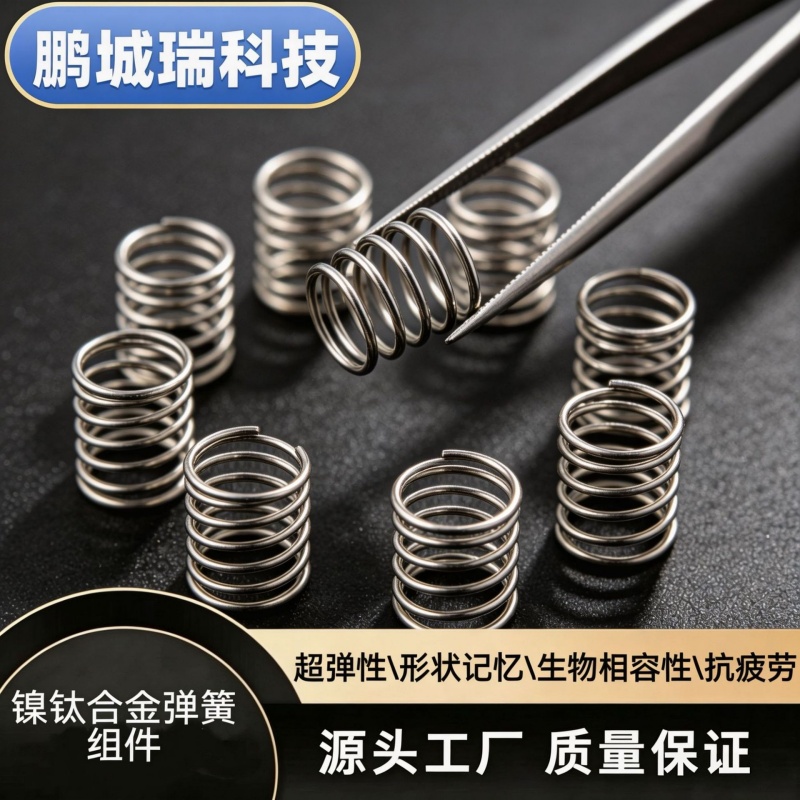
The core advantage of nickel titanium alloy is that, within a specific temperature range, the pipe undergoes plastic deformation and can be heated above the austenite transformation temperature to restore its original shape; At room temperature, it has super elasticity and can withstand large deformations without permanent damage, making it suitable for making precision elastic components.
2. Performance improvement brought by high-temperature cold rolling
High temperature cold rolling refers to rolling processing in the range above room temperature but below the recrystallization temperature of the alloy. Compared with room temperature cold rolling, it can avoid alloy embrittlement and cracking, and improve the strength and dimensional accuracy of the pipe through grain refinement and dislocation strengthening
Small dimensional tolerance: The deviation of inner and outer diameters can be controlled within ± 0.01mm, meeting the requirements of precision components;
High surface quality: After cold rolling, the surface roughness Ra is ≤ 0.2 μ m, which can be used in high cleanliness scenarios without additional polishing;
Mechanical performance balance: The tensile strength can reach 800-1200MPa, and the elongation rate remains at 15% -25%, balancing strength and plasticity.
3. Corrosion resistance and biocompatibility
The surface of nickel titanium alloy is prone to form a dense TiO ₂ passivation film, which is resistant to acid, alkali, and seawater corrosion, and has strong stability in the harsh environment of petrochemical industry; At the same time, it has no cytotoxicity and meets the standards of medical implants. It is the core material of vascular stents and interventional catheters.
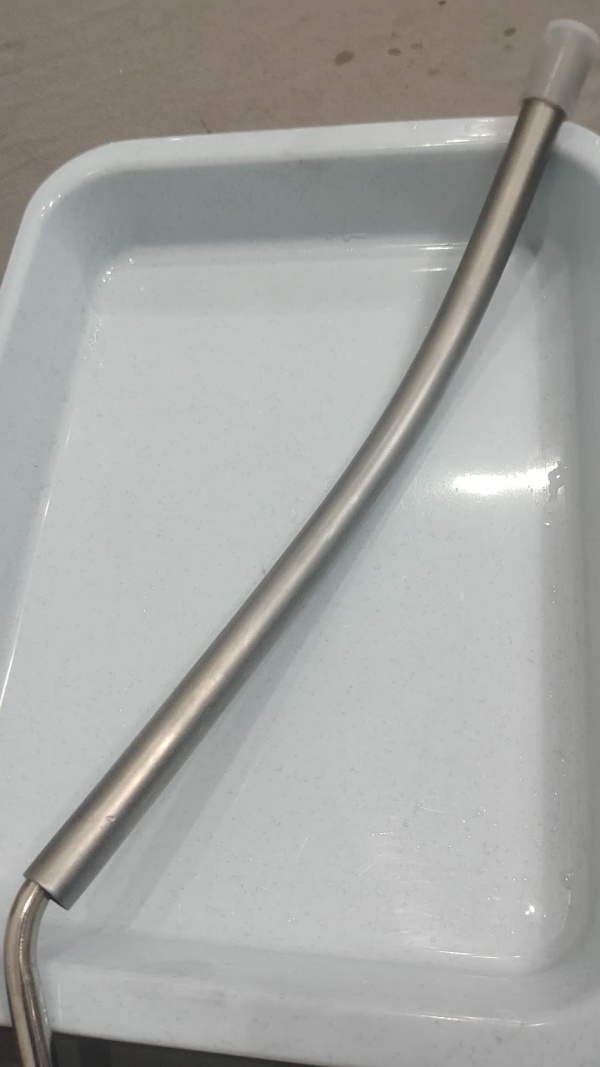
Nickel titanium cold-rolled tube testing
2、 Key process points for high-temperature cold rolling
1. Rolling temperature control
The high-temperature cold rolling temperature of nickel titanium alloy is usually between 300-500 ℃, which needs to be adjusted according to the alloy composition (nickel titanium ratio, doping elements such as Nb, Cu): too low a temperature can easily cause cracking of the pipe, while too high a temperature can cause dynamic recrystallization and weaken the processing strengthening effect.
2. Design of deformation amount for each pass
Adopting multi pass small deformation rolling, with each pass deformation controlled within 5% -15%, to avoid stress concentration caused by single large deformation; At the same time, it is necessary to use an intermediate annealing process (400-600 ℃, insulation for 0.5-2 hours) to eliminate work hardening and restore alloy plasticity.
3. Mold and lubrication
Use hard alloy or diamond molds to ensure rolling accuracy; Using high-temperature specialized lubricants (such as graphite based lubricants) to reduce friction and wear between molds and pipes, and prevent surface scratches.
3、 Typical application scenarios
1. Medical devices: vascular stents, esophageal stents, interventional guide wire sleeves, utilizing super elasticity and shape memory characteristics to achieve precise expansion after minimally invasive implantation.
2. Aerospace: aviation pipeline joints, satellite deployment mechanism components, maintain dimensional stability in extreme temperature difference environments, and are resistant to space radiation and corrosion.
3. Petrochemical industry: Pressure resistant and corrosion-resistant pipes for deep well detection, high-temperature fluid transport pipes, suitable for underground high temperature and high pressure (above 150 ℃, pressure above 30MPa) working conditions.
4、 Technical difficulties and solutions
1. Dimension precision control: NiTi alloy has low elastic modulus and is prone to elastic rebound after rolling. It is necessary to predict the amount of rebound through finite element simulation and adjust the die size compensation in advance.
2. Composition uniformity: Element segregation is prone to occur during high-temperature rolling, and vacuum melting+homogenization annealing (900-1000 ℃, insulation for 4-8 hours) is required to pretreat the billet.
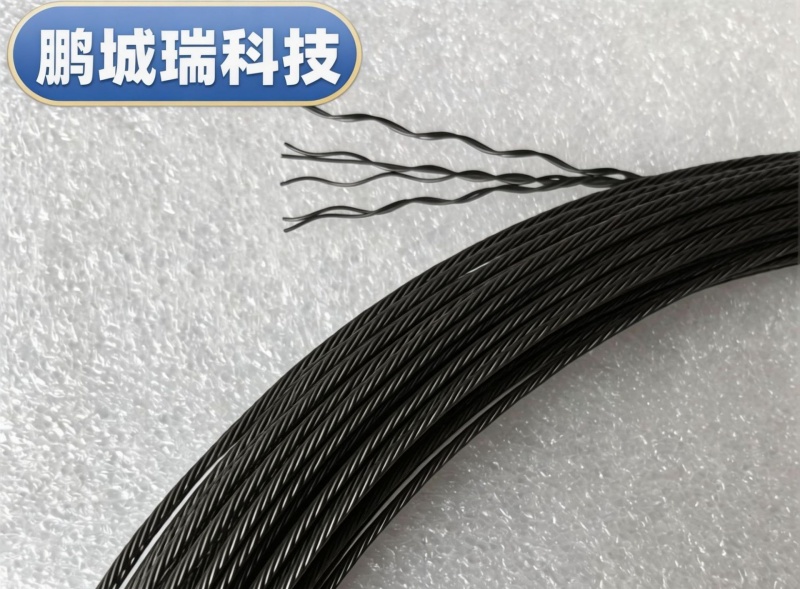
Wuge Nickel Titanium Alloy Materials, the company's main products are nickel titanium fiber wires and seamless nickel titanium memory tubes. It is a supplier of nickel titanium alloy materials and wire tubes. Welcome to communicate and exchange ideas, and find like-minded partners.
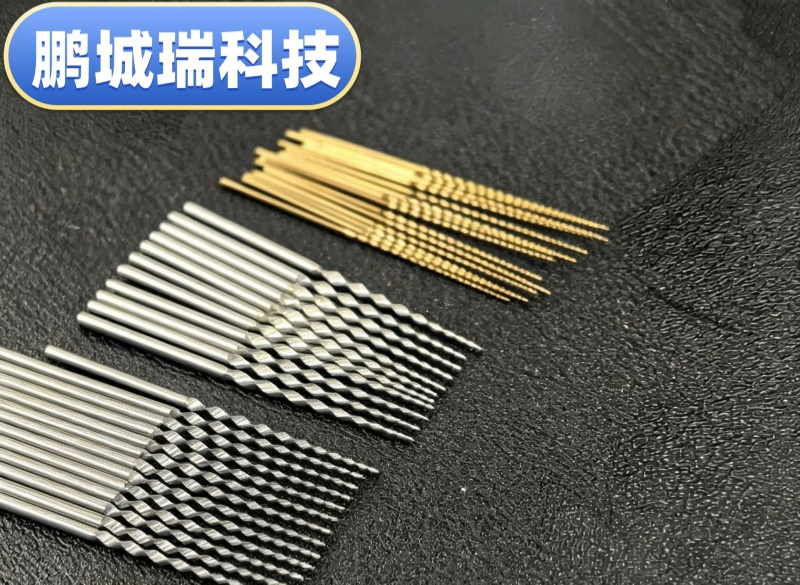
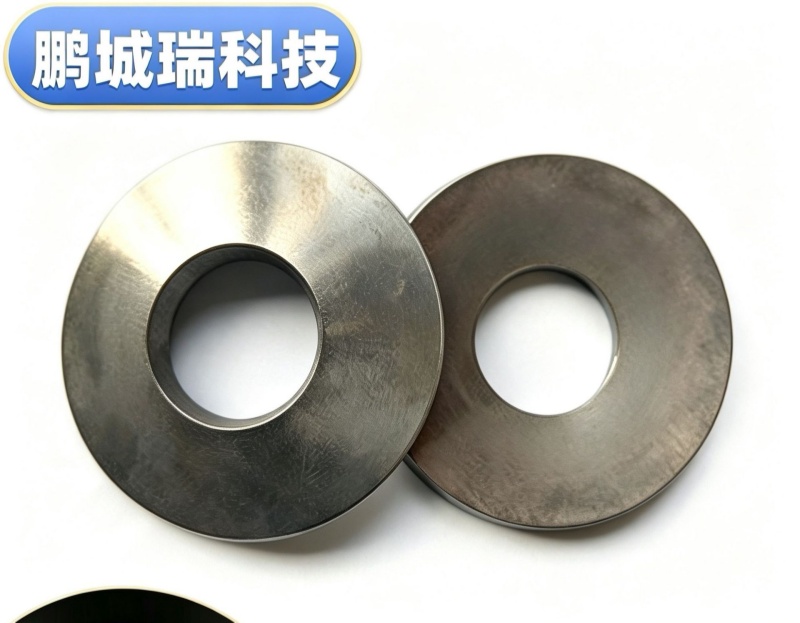
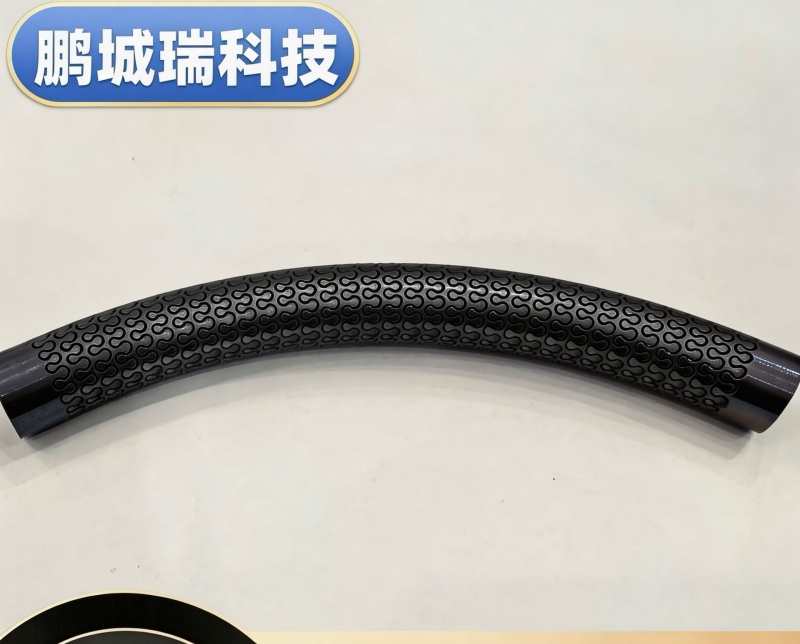
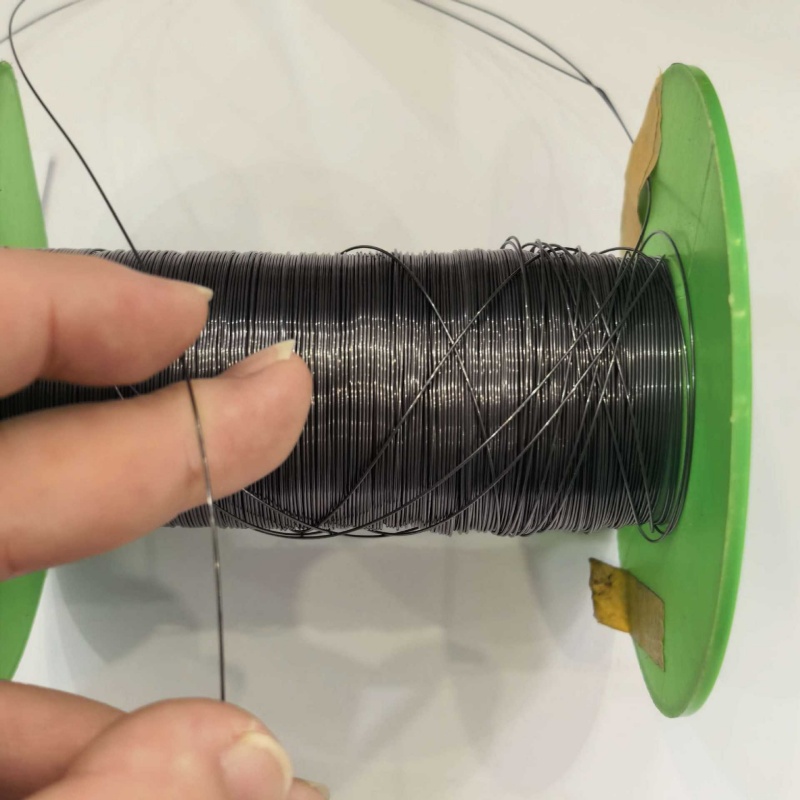
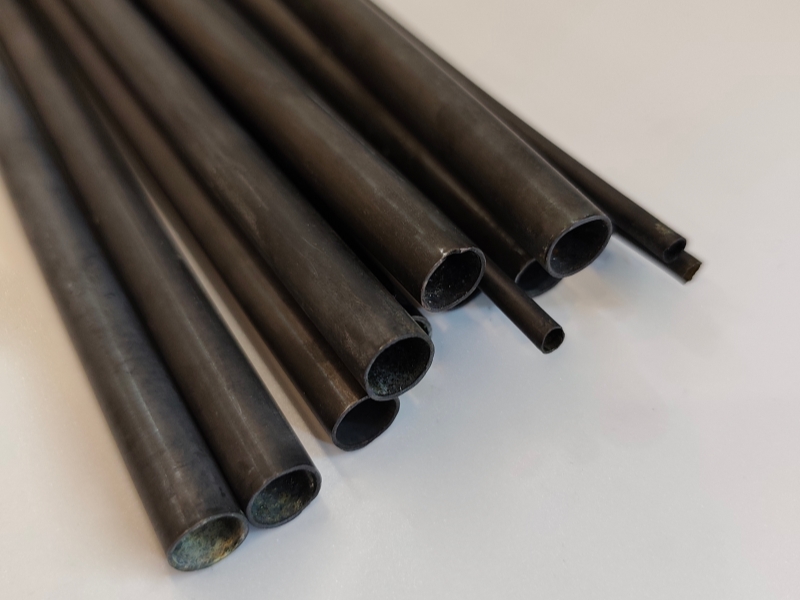
Nitinol
Seamless nickel titanium tube Nickel titanium fiber wire Nickel titanium plateApplication Area
Medical Industry New Energy Aerospace Machinery Manufacturing Marine Engineering Petrochemical IndustryContact Us
Contacts:Manager Wu +86 13632667260


 WeChat
 Call me
X