
 Chinese
 English
Service Hotline
+86 18948275773+86 13632667260

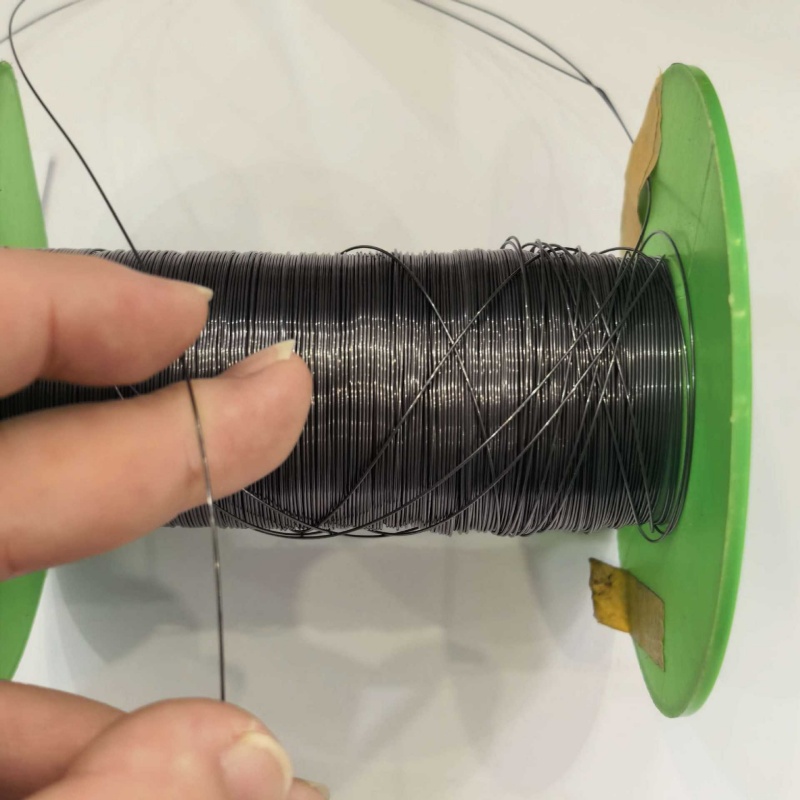
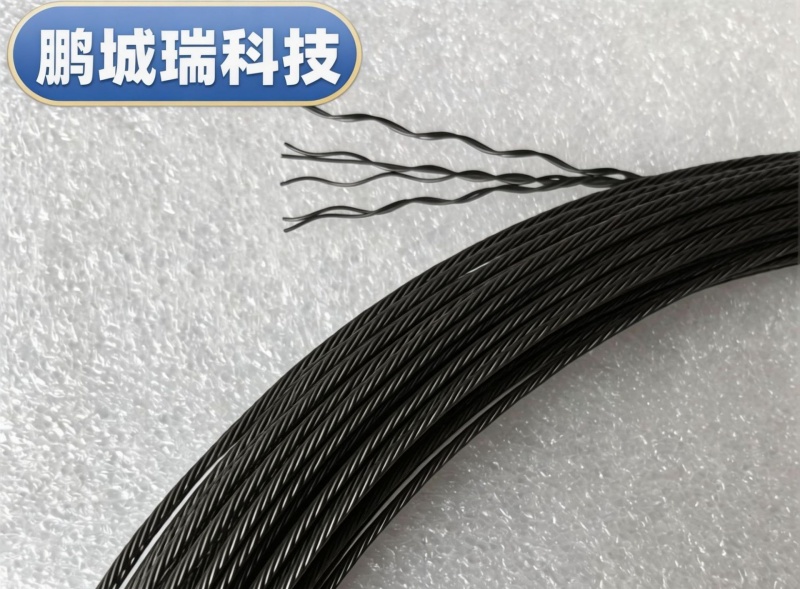
Ni Ti Alloy Fiber/Wire is a finely processed product of nickel titanium shape memory alloy, with a diameter typically ranging from a few micrometers to a few millimeters. It combines the core characteristics of nickel titanium alloy with the flexibility and high specific surface area advantages of fiber wire, and is widely used in fields such as smart materials, biomedicine, and aerospace.
1、 Key characteristics and technological advantages (compared with traditional metal fibers)
1. Shape Memory Effect (SME) and Superelasticity (SE) - Core Functional Characteristics
Shape memory effect: After being shaped at high temperatures (350-500 ℃), it can deform freely at low temperatures, and when heated again above the phase transition temperature (Af), it automatically restores its shaped shape with stable restoring force (usually 100-300 MPa).
Example: Medical vascular stent wire is compressed into a small diameter at low temperature for easy implantation. After implantation, the body temperature triggers a recovery into a mesh structure, supporting the vascular wall.
Superelasticity (pseudo elasticity): In the austenite phase state, elastic deformation of 8% to 10% occurs under external force, which is completely restored after the external force is removed, without permanent plastic deformation, far exceeding the elastic limit of ordinary metals (such as stainless steel, which is only 0.2%).
Example: he eyeglass frame wire can quickly rebound after bending and is not easily deformed; Buffer structure of sports equipment.
2. Excellent corrosion resistance and biocompatibility - core advantages in medical/marine fields
The dense oxide film (mainly TiO ₂) on the surface can prevent the release of nickel and titanium ions, solving the biological toxicity problem of traditional nickel based alloys and becoming the preferred material for human implants (scaffolds, sutures, orthopedic fixation nails).
Resistant to corrosion in marine environments, it can be used as sealing components for marine engineering and underwater intelligent structures (such as shape adaptive components for deep-sea probes).
3. High specific strength and flexibility - fine application adaptation
The specific strength (strength/density) is 3-5 times that of ordinary steel, and fine wires with a diameter of ≤ 100 μ m can be woven into fabrics and mesh structures, combining strength and flexibility, suitable for flexible smart materials such as shape memory fabrics and wearable device sensors.
Fine diameter wires (≤ 50 μ m) can achieve microscale deformation and are used as driving components for microelectromechanical systems (MEMS) and micro robots.
4. Thermal/electrical response sensitivity - potential for intelligent regulation
The phase transition temperature can be precisely adjusted by adding 1%~5% Cu, and Af can be reduced to below 0 ℃; Adding Nb can increase the Af to over 100 ℃ and adapt to different application scenarios, such as aerospace components in low-temperature environments and industrial seals in high-temperature conditions.
During the phase transition process, there are sudden changes in thermal, electrical, and mechanical properties, which can serve as sensitive components for intelligent sensors such as temperature sensors and stress sensors.
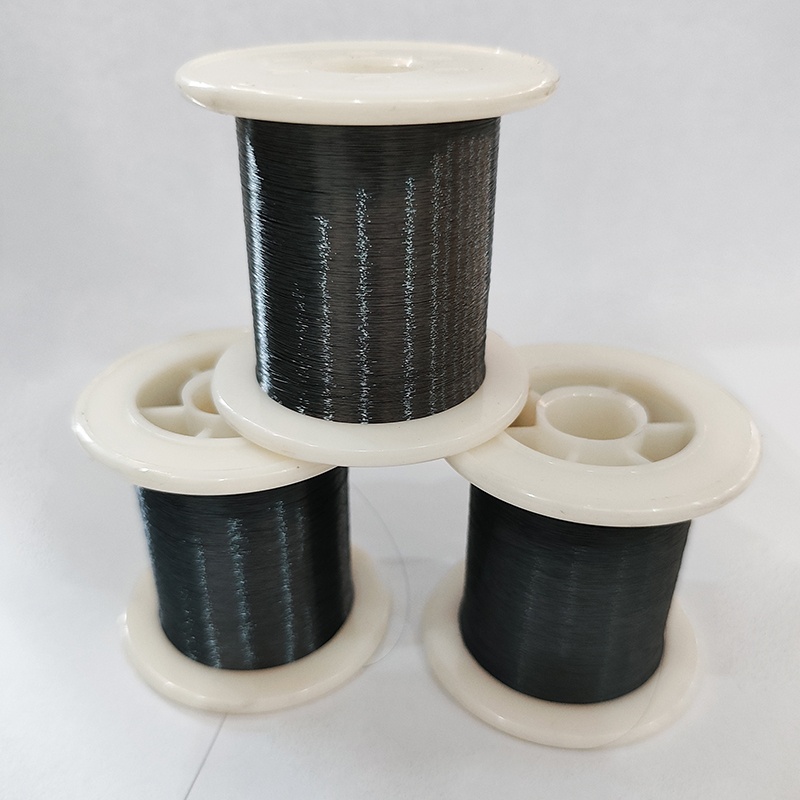
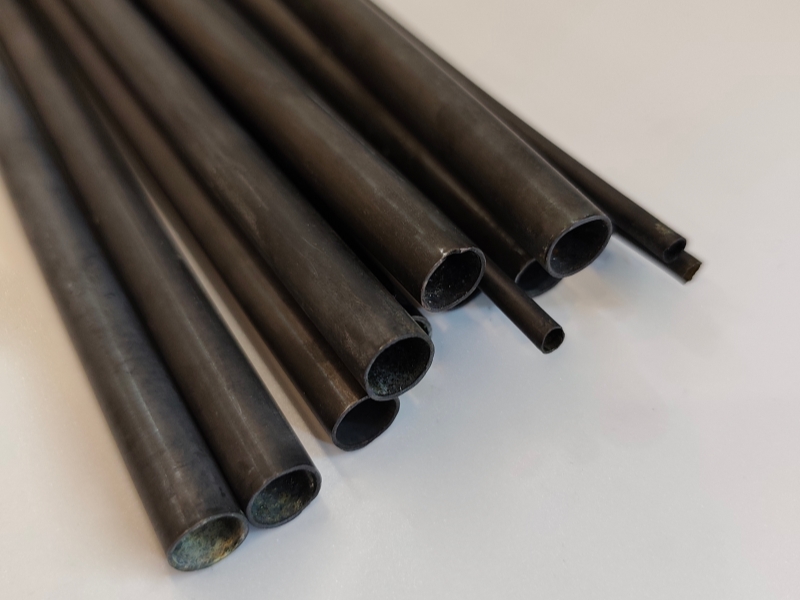
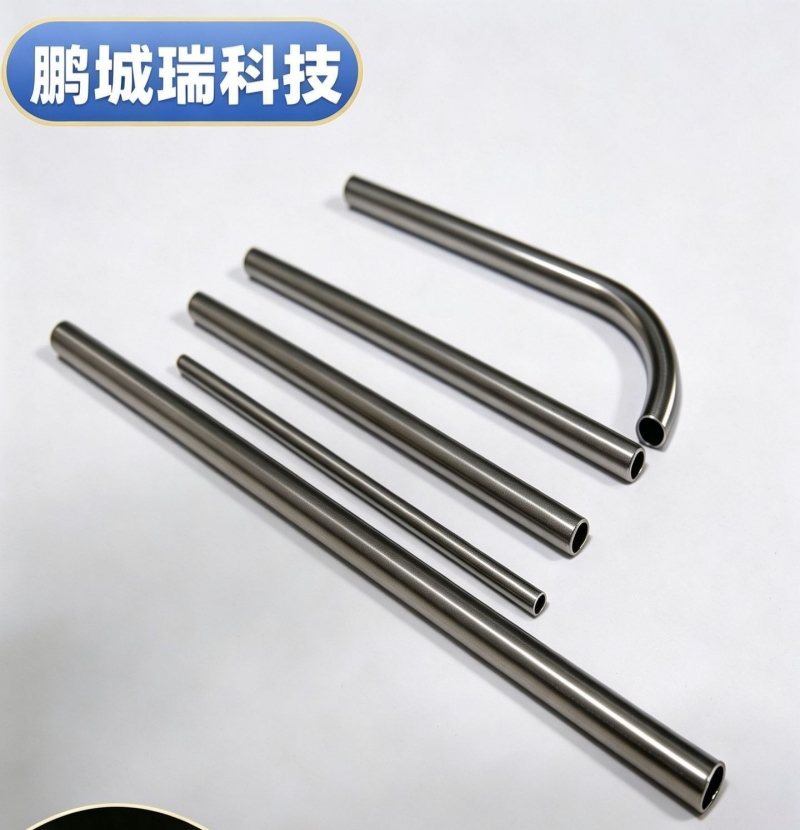
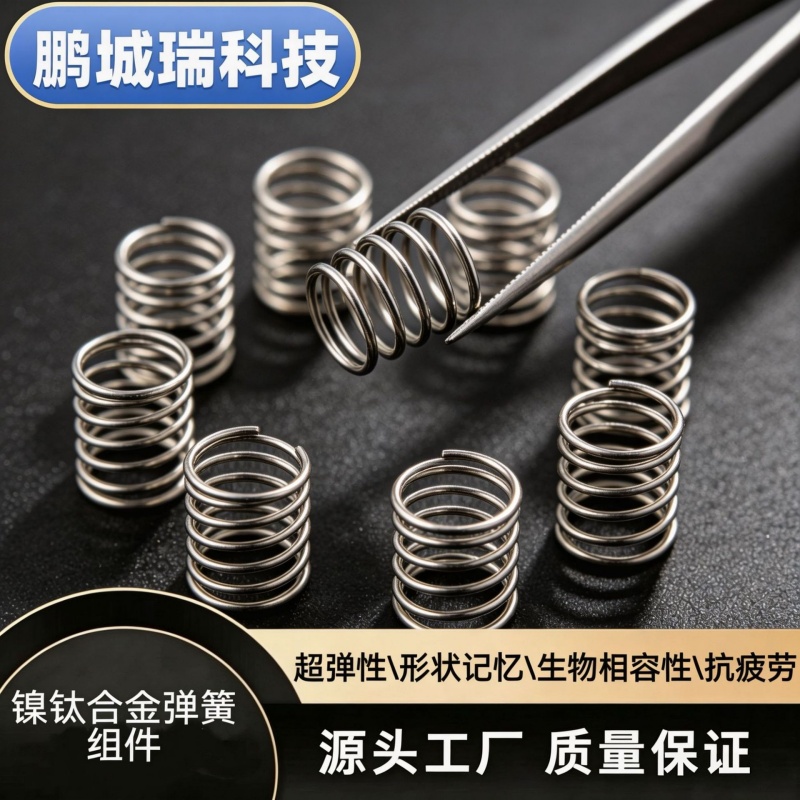
Nickel titanium alloy fiber wire
2、 Performance influencing factors (key control required in production/processing)
Composition control: A deviation of 50:50 in the Ni/Ti atomic ratio can lead to phase transition temperature drift and weakened shape memory effect (e.g. excessive Ni can easily form brittle phases of Ni-Ti, and excessive Ti can easily form Ti ₂ Ni phases). In industrial production, the Ni content is usually controlled at 55% ± 0.5%.
Heat treatment process:
Forming treatment (350~500 ℃, insulation for 10~30 minutes): determines the stability of shape memory effect. High temperature can easily lead to grain growth and reduce toughness;
Solution treatment (800~900 ℃, rapid cooling): improves superelasticity and reduces internal stress;
Aging treatment (400-500 ℃, insulation for 1-2 hours): Improve tensile strength, but avoid excessive aging that may cause embrittlement.
Diameter and processing technology:
The finer the diameter, the slightly higher the phase transition temperature (for example, the Af of a 10 μ m diameter wire is 5-10 ℃ higher than that of a 100 μ m diameter wire);
Cold processing deformation (such as drawing deformation rate) affects mechanical properties, and excessive deformation can easily lead to residual stress, which needs to be eliminated through intermediate annealing.
Surface Treatment
Acid washing (hydrofluoric acid+nitric acid mixture): removes oxide scale during processing and improves surface smoothness;
Passivation treatment (such as anodizing): Thickening the oxide film to enhance corrosion resistance and biocompatibility;
Coating treatment (such as polylactic acid PLA coating): further enhances biocompatibility and is suitable for long-term implants.
3、 Common performance issues and solutions
(1) Decreased shape memory recovery rate:
Reason: compositional deviation, insufficient heat treatment temperature, excessive cold processing;
Solution: Strictly control the Ni/Ti atomic ratio (55% ± 0.5%), optimize the shaping temperature (400~450 ℃, hold for 20 minutes), and control the cold working deformation rate to ≤ 30% (intermediate annealing to eliminate stress).
(2) Insufficient corrosion resistance (surface pitting):
Reason: Surface oxide film damage, incomplete acid washing, high Cl ⁻ concentration in the environment;
Solution: Optimize passivation treatment process (anodizing voltage 10-20V, time 30 minutes) to avoid mechanical scratches during processing, and control Cl ⁻ concentration ≤ 500ppm in the usage environment.
(3) Super elastic failure (permanent deformation):
Reason: The usage temperature is below the Ms point (under stress in the martensitic phase state), and the external force exceeds the tensile strength;
Solution: Ensure that the operating temperature is above the Af point, the design stress is ≤ 70% of the elastic limit, and choose high tensile strength models (≥ 1500MPa after heat treatment).
(4) Biocompatibility not up to standard (nickel ion release):
Reason: incomplete surface oxide film, introduction of impurities during processing;
Solution: Use plasma polishing to remove surface impurities, increase passivation treatment time (≥ 60 minutes), and comply with ISO 10993 biocompatibility testing standards.
Wuge Nickel Titanium Alloy Materials provides full industry chain product services for nickel titanium, from nickel titanium alloy smelting, forging and opening billets, rolling, wire drawing to finished products. The diameter of the single fiber yarn we produce can reach 0.02mm, while the diameter of the composite fiber yarn can reach 0.005mm. We welcome everyone to communicate and exchange ideas.
Nitinol
Seamless nickel titanium tube Nickel titanium fiber wire Nickel titanium plateApplication Area
Medical Industry New Energy Aerospace Machinery Manufacturing Marine Engineering Petrochemical IndustryContact Us
Contacts:Manager Wu +86 13632667260


 WeChat
 Call me
X