
 Chinese
 English
Service Hotline
+86 18948275773+86 13632667260



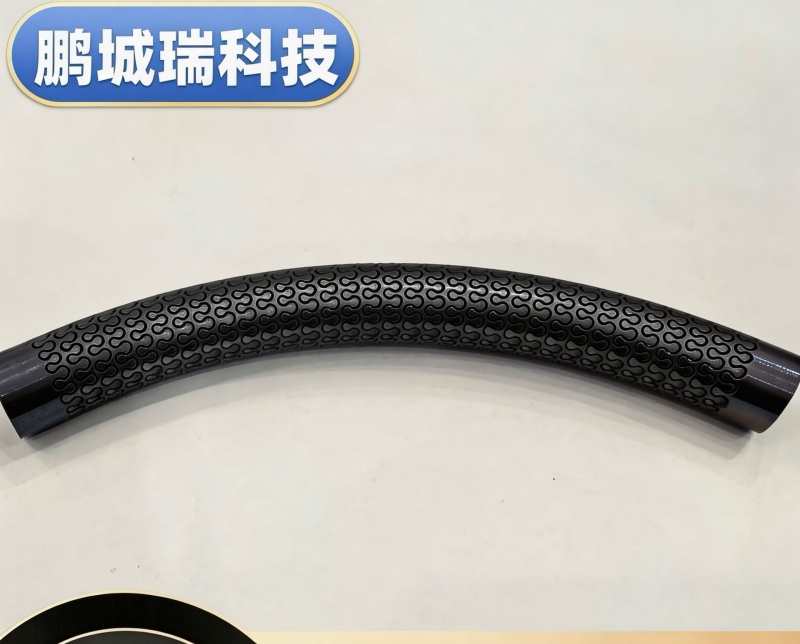
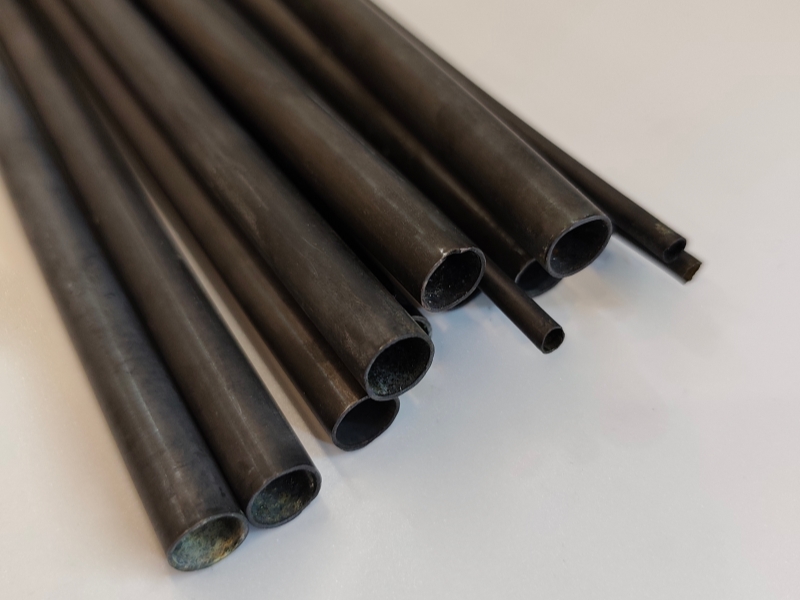
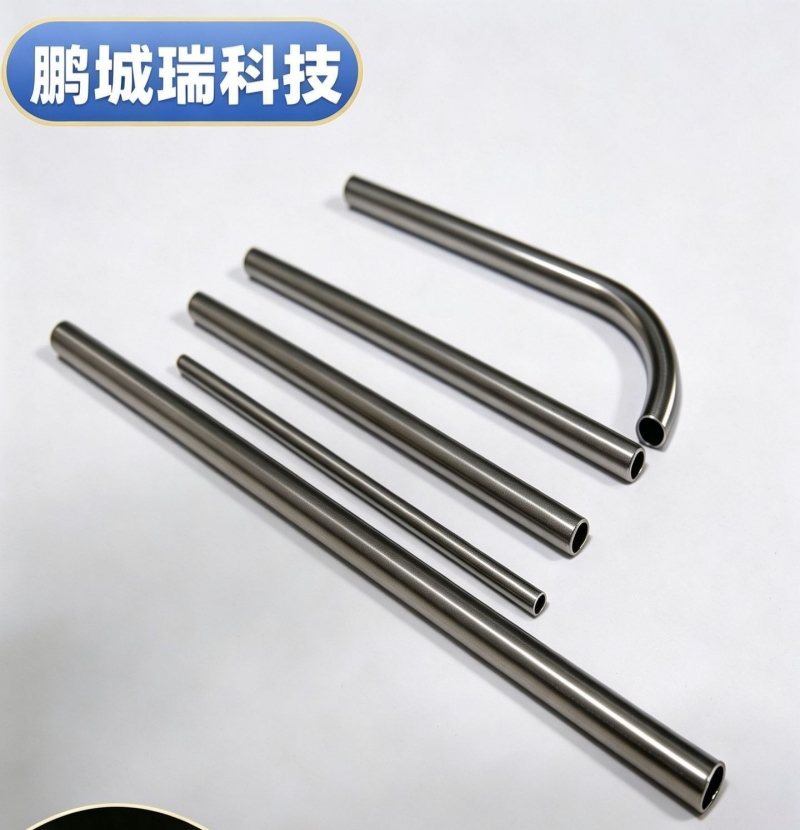
Seamless nickel titanium pipe is a type of pipe made of nickel titanium alloy with a seamless structure, which is widely used in various fields due to its unique properties. Here is a detailed introduction about it:
1、 Definition and Standards
Seamless nickel titanium tube refers to a nickel titanium alloy tube made by forging or other processes without welding joints. Medical seamless nickel titanium tubes must comply with ASTM F2633 standard, which specifies the technical specifications for forged seamless nickel titanium shape memory alloy tubes used for medical devices and surgical implants. It is suitable for precision pipes with an outer diameter of ≤ 10mm and a wall thickness of ≤ 2mm.
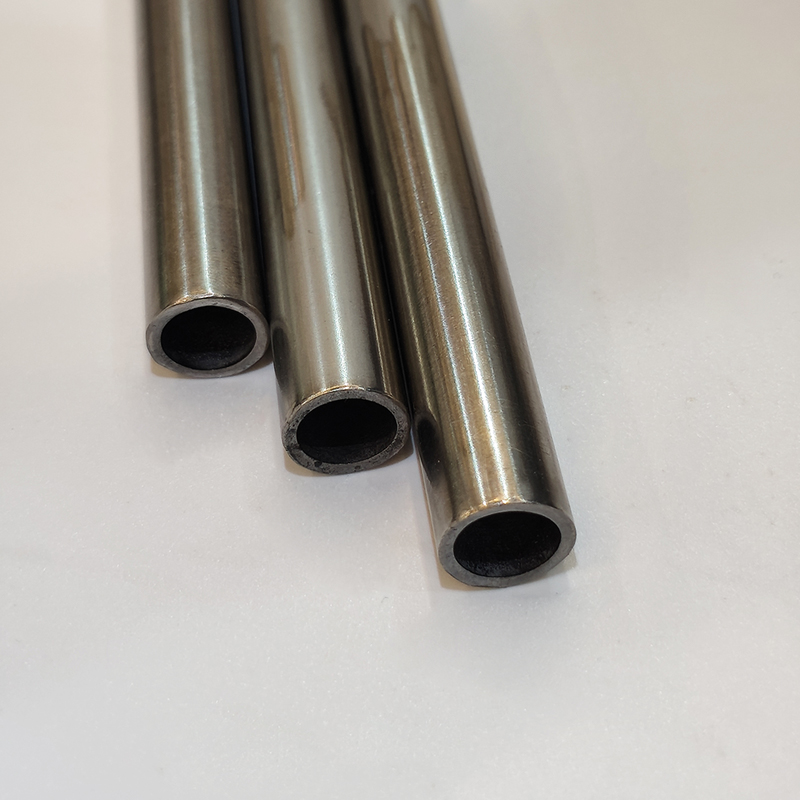
Seamless nickel titanium tube
2、 Material characteristics
Shape memory effect: Nickel titanium alloy has shape memory properties and can remember its initial shape within a certain temperature range. When deformed by external forces and heated to a specific temperature or above, it can return to its original shape, which makes it widely used in fields such as medical devices.
Super elasticity: At room temperature, seamless nickel titanium pipes have super elasticity and can withstand large deformations without permanent deformation. After unloading, they can quickly recover to their original state, with a minimum tensile strength of 1000MPa and a minimum uniform elongation of 10%.
Corrosion resistance: Nickel titanium alloy has good corrosion resistance and can resist the erosion of various chemicals. It can also maintain stability in the human body fluid environment and is not prone to corrosion reactions, making it suitable as a medical implant material.
3、 Production process
Melting: Using methods such as vacuum induction melting or vacuum consumable arc melting, high-purity nickel and titanium are placed in a water-cooled copper crucible in a certain proportion, heated and melted in a vacuum environment, and after multiple remelts, the ingot is formed.
Hot processing: After uniformly annealing the ingot, it is heated to 600-900 ℃ for hot extrusion to produce a hollow tube blank. The diameter and wall thickness are further reduced by hot rolling or hot drawing, and intermediate annealing is required after each processing.
Cold processing: Obtaining precise dimensions and good surface quality through multiple cold drawing or cold rolling processes at room temperature. During the processing, it is necessary to control the deformation of each pass and regularly perform intermediate annealing to eliminate work hardening.
Heat treatment: including solid solution treatment and aging treatment, by precisely controlling the heating temperature, holding time, and cooling rate, regulating the phase transformation behavior and mechanical properties of the alloy, and activating the shape memory effect.
Surface treatment: Acid washing, polishing and other processes are used to remove surface oxide scale and oil stains, improve surface smoothness, and meet the needs of different application fields.
4、 Size specifications
The outer diameter of seamless nickel titanium pipes is usually ≥ 0.3mm, the inner diameter is ≥ 0.2mm, the wall thickness is between 0.05-3.0mm, and the length is ≤ 2000mm. Specific dimensions can be customized according to requirements. Wuge nickel titanium alloy material, independently developed seamless nickel titanium alloy tube, minimum outer diameter 0.8mm, inner diameter 0.3mm, ultra-thin wall, wall thickness (0.08mm-4mm), complete specifications, supports customization, welcome everyone to communicate and exchange.
5、 Application Fields
Medical devices: are commonly used materials for manufacturing vascular stents, orthopedic implants, orthodontic wires, surgical instruments, etc. For example, vascular stents utilize their shape memory effect and superelasticity to expand and maintain a certain shape within blood vessels, supporting narrow blood vessels.
Aerospace: Used for manufacturing pipeline connectors, thermally driven valves, etc. Its shape memory characteristics enable automatic connection or control of valve opening and closing, while its super elasticity and corrosion resistance can adapt to complex space environments.
Electronic devices: can be used as automatic connectors, sensor components, etc., utilizing their shape memory and superelastic properties to achieve automatic connection of circuits or induction transmission of signals.
Nitinol
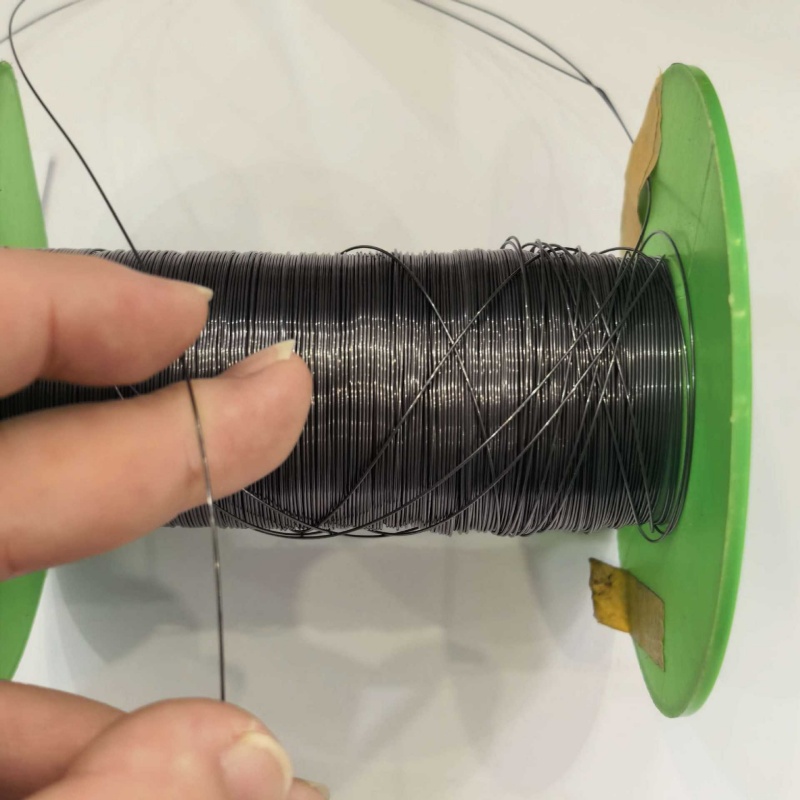
Seamless nickel titanium tube Nickel titanium fiber wire Nickel titanium plateApplication Area
Medical Industry New Energy Aerospace Machinery Manufacturing Marine Engineering Petrochemical IndustryContact Us
Contacts:Manager Wu +86 13632667260


 WeChat
 Call me
X