
 Chinese
 English
Service Hotline
+86 18948275773+86 13632667260



Nickel titanium composite fiber wire is often classified as a sub segment of nickel titanium alloy wire. Currently, its market size is steadily expanding with downstream demand in multiple fields, and it will continue to grow in the future driven by technological upgrades and application expansion. However, it also faces some common challenges in the industry. The following is a detailed analysis based on industry data of nickel titanium alloy wire and characteristics of nickel titanium composite fiber wire:
1. Market size
Global overall scale: There is currently no independent authoritative market size statistics for nickel titanium composite fiber wire, but from the perspective of its nickel titanium alloy wire track, the growth trend of scale is clear. According to Huanyang Market Consulting data, the global revenue of nickel titanium alloy wire is expected to reach approximately $143 million in 2023 and $206.1 million in 2030, with a compound annual growth rate of 5.4% from 2024 to 2030. Another industry report predicts that if the focus is on high-end applications such as medical and aerospace nickel titanium wire (including high-performance segmented products such as composite fiber wire), the overall market size will grow even more rapidly. It is expected that the market size of related high-end nickel titanium wire will approach 15 billion US dollars by 2030, with medical grade products contributing the largest proportion.
Regional market distribution: North America is currently the largest consumer region, accounting for 40% of the total market share of nickel titanium wire. The demand from medical device manufacturers in the United States and Canada is the main driving force; The Asia Pacific region has outstanding growth potential, with strong demand for low-cost, high-performance nickel titanium related products in the fields of medical equipment and daily consumer goods in countries such as China and Japan. In the coming years, consumption is expected to grow at a rate of 7% -10%; The European market remains stable, with medical equipment manufacturers such as Germany and the UK having a high dependence on high-quality nickel titanium wire, with a growth rate maintained at around 4%.
2. Development Trends
The application scenarios continue to expand: the medical field is still a core growth point, and the global death toll from cardiovascular diseases remains high. With its biocompatibility and shape memory properties, nickel titanium composite fiber filaments will continue to deepen their application in cardiovascular stents, nerve stimulators, sutures and other products. It is expected that the demand for related nickel titanium filaments in the medical field will increase to nearly 9.6 billion meters by 2030. At the same time, the demand for lightweight and extreme temperature resistant materials in the aerospace industry has increased, which can be used for satellite antennas, aircraft structural components, etc; In the field of flexible electronics related to wearable devices and 5G, it can also be used to manufacture flexible sensors and other components, opening up new demand space with the development of the Internet of Things. In addition, the application of nickel titanium composite fiber wires will gradually increase in fields such as battery structural components for new energy vehicles and support for wind turbine blades.
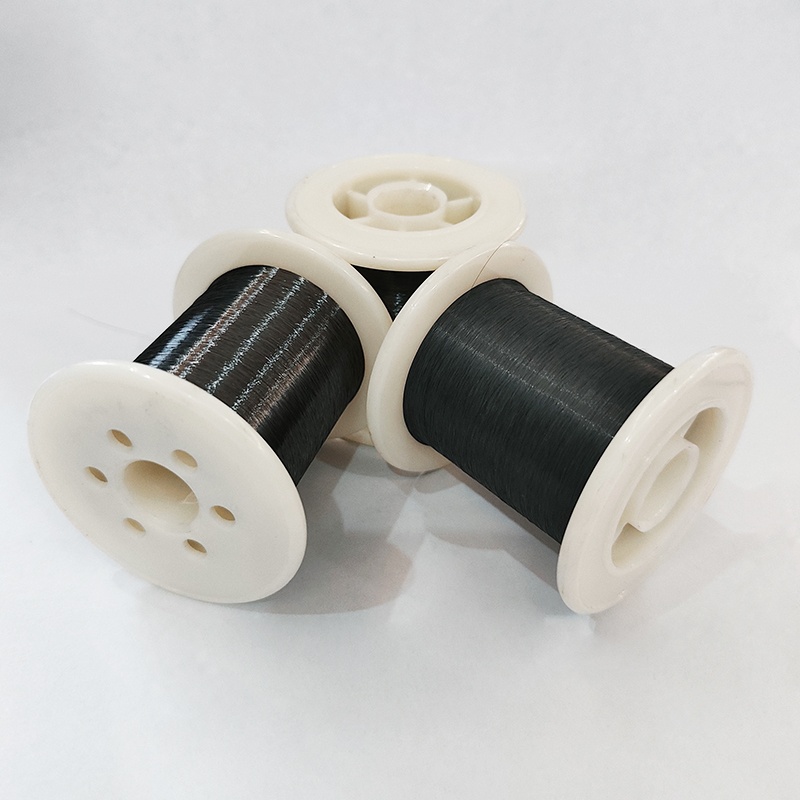
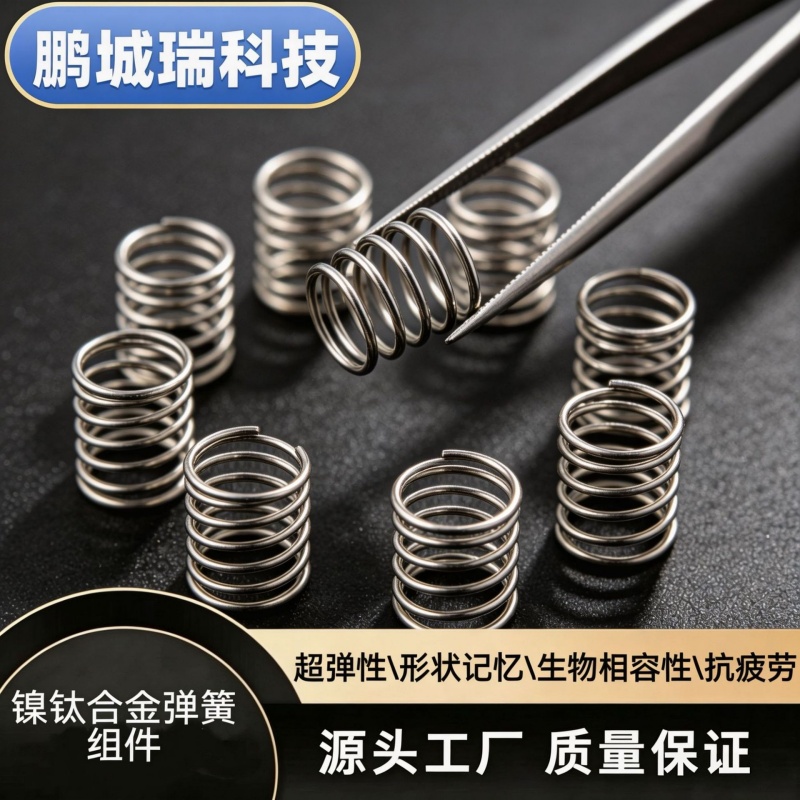
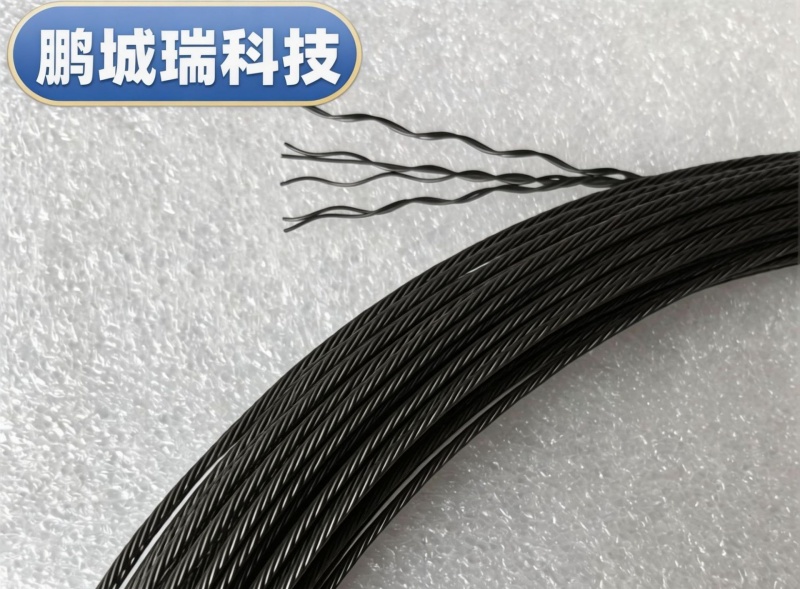
Nickel titanium composite fiber wire
Upgrading technology towards high precision and low cost: On the one hand, downstream precision instruments have increasingly high requirements for the diameter accuracy and performance consistency of nickel titanium composite fiber wires. For example, the demand for micro nickel titanium wires with a diameter of less than 0.2mm will increase. Enterprises will improve product accuracy and stability by introducing automated production equipment and intelligent quality control systems, optimizing heat treatment processes, etc; On the other hand, currently high-performance nickel titanium wire has problems such as large equipment investment and long processing cycles. In the future, the industry will reduce production costs and promote its popularization in more popular fields such as consumer goods through process innovation and large-scale production.
Market competition focuses on the top and differentiation: the global nickel titanium alloy wire market has a high concentration, SAES Getters、ATI、 Leading companies such as Nippon Steel hold the main share. In the future, top companies will consolidate their position through mergers and acquisitions and technological cooperation, while small and medium-sized manufacturers (such as Shenzhen Wuge Industrial Co., Ltd. in Liandong U Valley of Huiyang Ecological Science and Technology Innovation Park) may focus on niche areas, such as medical ultra-fine composite fibers or aerospace high-temperature resistant composite fibers, to seize the market with differentiated strategies.
3. Potential challenges
The development of this field also faces certain obstacles. The fluctuation of raw material costs will directly affect the profits of enterprises; The production process of nickel titanium composite fiber wire is complex, and the control of performance consistency is difficult. It requires high research and development and production equipment, and technical bottlenecks may restrict the capacity expansion of some enterprises; In addition, strict regulatory standards in medical and other fields, long product launch cycles, and increasingly stringent environmental policies will also increase the production compliance costs of enterprises.
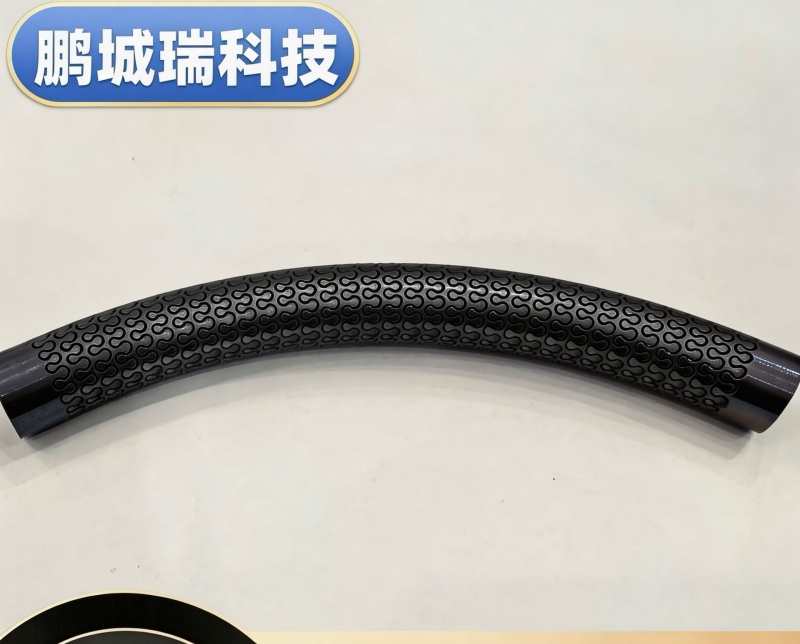
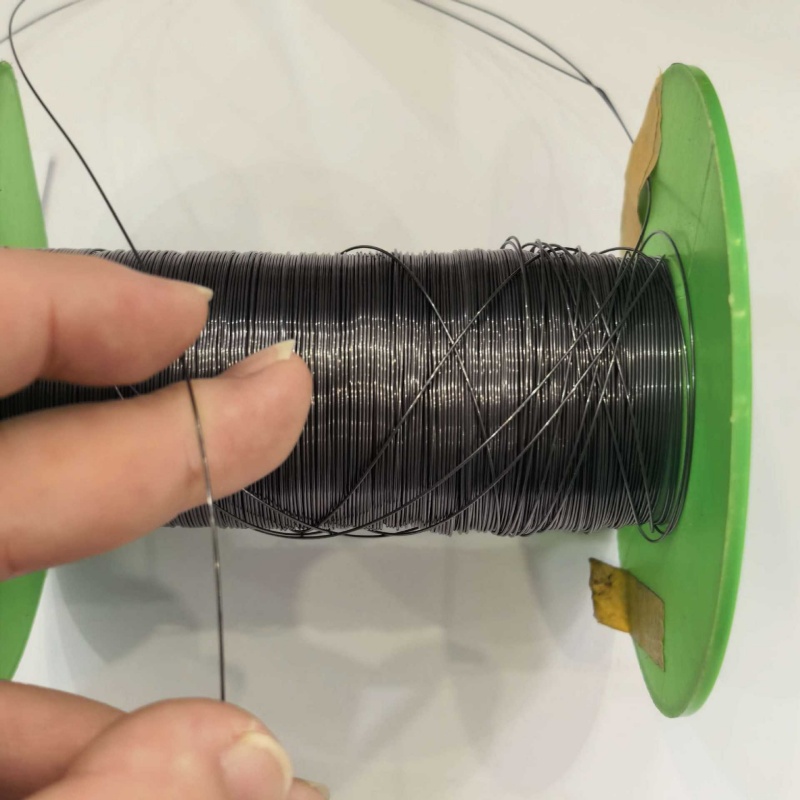
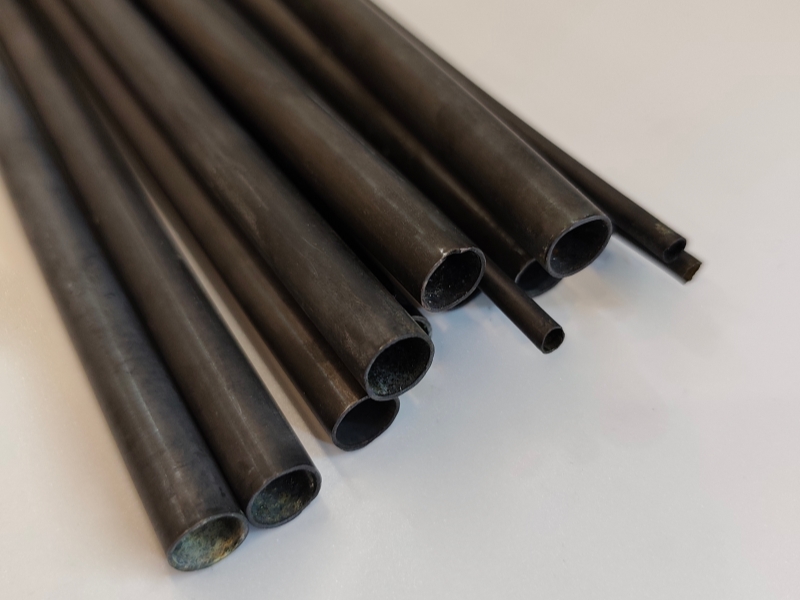
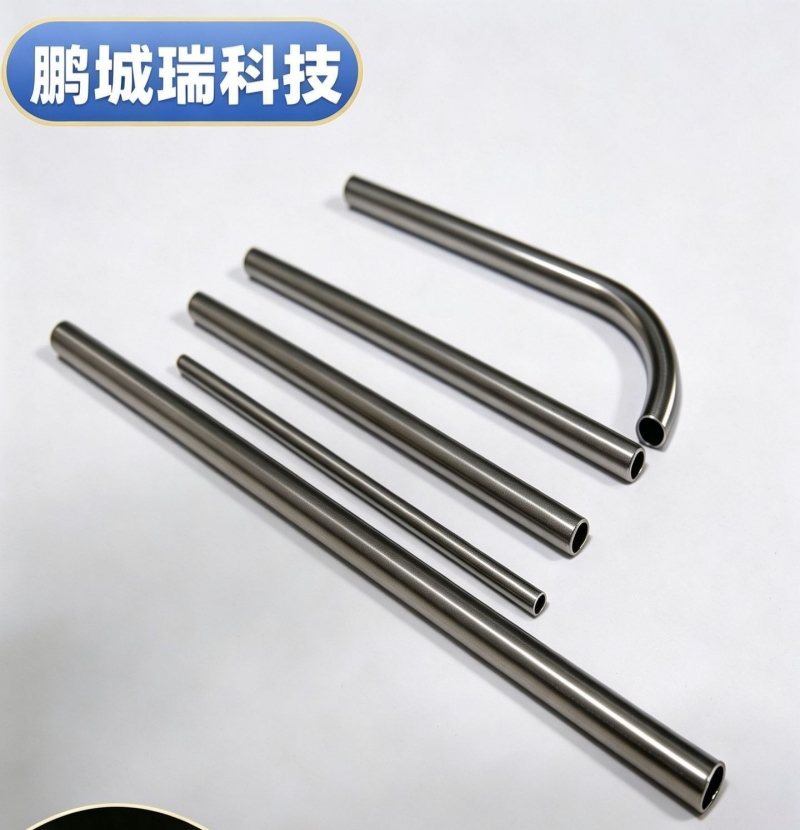
Wuge Nickel Titanium Alloy Materials provides full industry chain product services for nickel titanium, from nickel titanium alloy smelting, forging and opening billets, rolling, wire drawing to finished products. The diameter of the single fiber yarn we produce can reach 0.02mm, while the diameter of the composite fiber yarn can reach 0.005mm. We welcome everyone to communicate and exchange ideas.
Nitinol
Seamless nickel titanium tube Nickel titanium fiber wire Nickel titanium plateApplication Area
Medical Industry New Energy Aerospace Machinery Manufacturing Marine Engineering Petrochemical IndustryContact Us
Contacts:Manager Wu +86 13632667260


 WeChat
 Call me
X