
 Chinese
 English
Service Hotline
+86 18948275773+86 13632667260


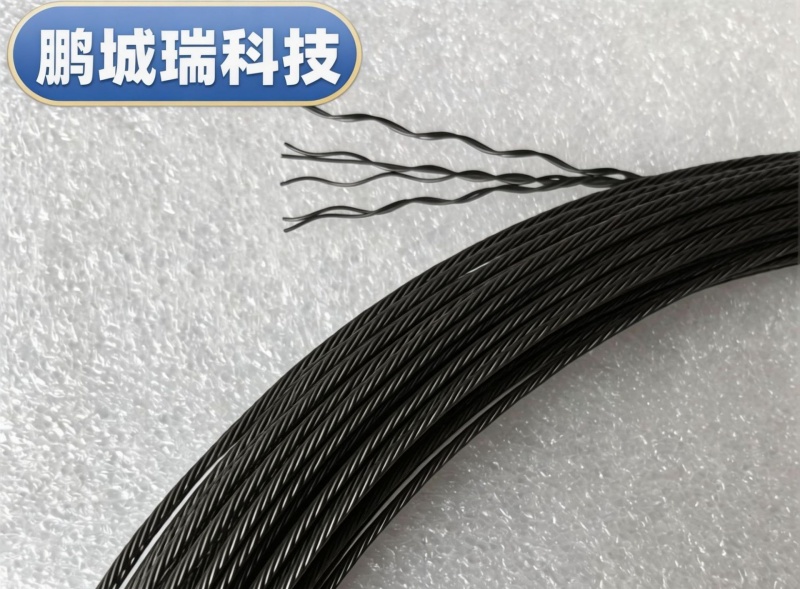
Nickel titanium bundle fibers, as an intelligent material that combines shape memory effect and superelasticity, have been explored in multiple cutting-edge fields and demonstrate significant innovative potential. The following is a small editor from Wuge Nickel Titanium Alloy Materials, analyzing from three dimensions: technical characteristics, typical application scenarios, and future trends:
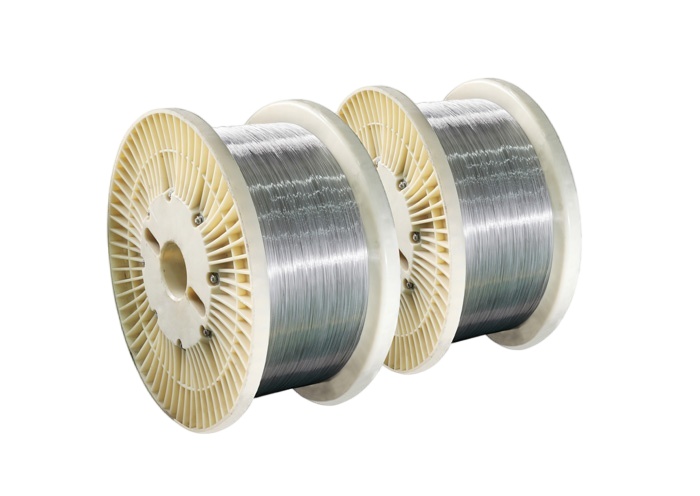
1、 Core technical characteristics and manufacturing processes
Nickel titanium bundle fibers are formed into micro nano fine grain structures through bundle drawing processes (such as multi pass cold processing and in-situ synthesis of heat treatment), which combine high strength (tensile strength of about 800 MPa) and high flexibility. Its unique superelasticity (strain up to 10%) and thermal response characteristics (controllable phase transition temperature) enable it to maintain stable performance in complex environments. For example, acid solution separation technology can achieve a yield rate of over 95%, ensuring that fiber size errors are less than 5%, laying the foundation for large-scale applications.
2、 Multi domain application scenario analysis
(1) Medical field: precise intervention and biomimetic repair
1. Minimally invasive instruments: Nickel titanium guide wires, with their anti tangling properties and biocompatibility, can guide stents through tortuous blood vessels; The stone basket and catheter made of bundled fibers automatically restore their preset shape under body temperature conditions, significantly improving surgical accuracy.
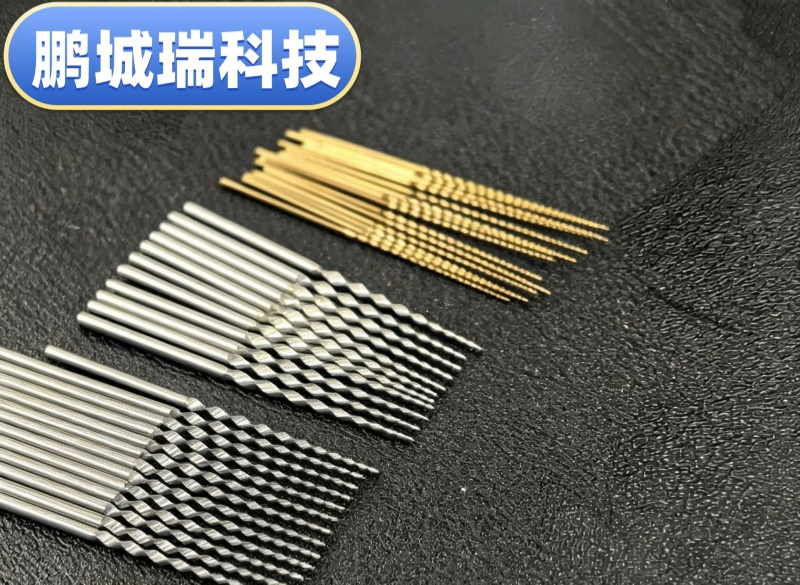
2. Implant innovation: In the field of orthopedics, nickel titanium alloy internal fixation devices reduce stress shielding effects by dispersing stress with super elasticity; Dental root canal files utilize their shape memory properties to adapt to complex root canal shapes. Surface passivation treatment (such as titanium oxide layer) and hydroxyapatite coating further ensure long-term implantation safety.
3. Bionic prosthetics: Fiber reinforced prosthetic joints can simulate human motion, adapt to dynamic loads through super elasticity, and enhance the wearer's degree of freedom of movement.
(2) Aerospace: Lightweight and Adaptive Structures
1. Intelligent spacesuit: MIT's nickel titanium coil pressurization system achieves close fitting pressurization of clothing through electric heating, replacing traditional airtight layers, reducing the weight of spacesuits by more than 40%, and supporting astronauts to move flexibly in a vacuum environment.
2. High temperature components: Speed nickel titanium wire is used for high-temperature blades and seals in aircraft engines, and its corrosion resistance and high-temperature stability significantly extend equipment life.
3. Adaptive wing: The deformation driver made of bundled fibers can automatically adjust the wing shape according to the airflow, optimize aerodynamic efficiency, and reduce flight energy consumption.
(3) Energy and Environment: Efficient Conversion and Intelligent Regulation
1. Bullet card refrigeration technology: The nickel titanium wire winding bending drive system developed by the Hong Kong University of Science and Technology team achieves an air temperature drop of 10.6 ℃ through phase change heat, with an energy efficiency ratio of 3.7, providing a new path to replace traditional vapor compression refrigeration.
2. Solar energy management: Nickel titanium alloy heat pipes and heat storage media can efficiently conduct and store solar cell heat, improving the stability of the power generation system; Shape memory alloy batteries optimize electrode contact through strain release to improve energy storage density.
3. Vibration energy recovery: The nickel titanium spring type energy recovery device in wearable devices uses the vibration generated by human movement to generate electricity and power sensors and medical monitoring equipment.
(4) Intelligent textiles and daily necessities
1. Adaptive clothing: The "lazy shirt" from Italian company Corpo Nove achieves automatic sleeve length adjustment through nickel titanium fibers; British anti scald clothing forms a thermal insulation layer through fiber expansion triggered by high temperatures, protecting the wearer's safety.
2. Intelligent building materials: In seismic resistant structures, nickel titanium bundle fibers absorb seismic energy through deformation; Smart windows utilize their thermal deformation characteristics to automatically adjust their opening and closing degrees to optimize lighting and ventilation.
(5) Robots and Precision Manufacturing
1. Minimally invasive robot: The magnetic controlled linear robot developed by MIT takes nickel titanium alloy as the core, combined with magnetic rubber and hydrogel coating, can accurately travel through the cerebral vessels, providing the possibility for remote surgery.
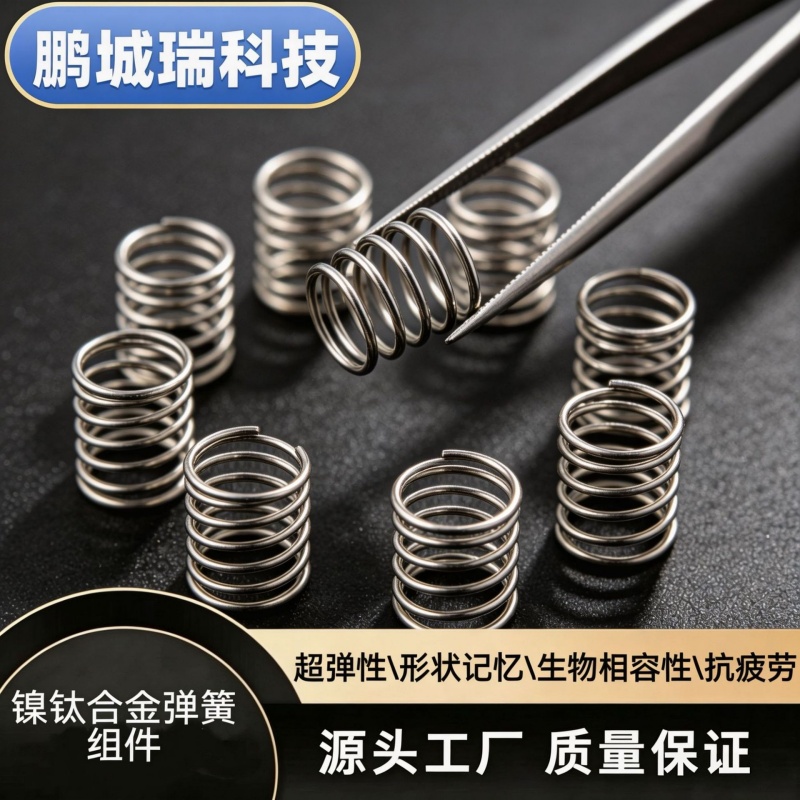
2. Flexible actuator: The coil driver woven with nickel titanium fiber can achieve millimeter level displacement control, suitable for micro robots and bionic machinery.
3、 Challenges and Future Trends
1. Material optimization: It is necessary to further improve the fatigue life (currently about 10 ^ 6 cycles) and corrosion resistance, and explore nanocomposite coating technology to enhance surface stability.
2. Manufacturing innovation: Develop 3D weaving and additive manufacturing processes to achieve complex structural integration (such as multimodal sensor embedding) while reducing production costs.
3. Interdisciplinary integration: Combining artificial intelligence algorithms to achieve real-time feedback control of nickel titanium bundle fiber drive systems, promoting their deep application in fields such as intelligent robots and smart grids.
Nickel titanium bundle fibers, with their unique physical properties and designability, are rapidly penetrating from traditional fields such as healthcare and aerospace to emerging fields such as energy and smart wearables. With the breakthroughs in materials science and manufacturing technology, its advantages in extreme environmental adaptability, energy conversion efficiency, and biocompatibility will be further highlighted, and it is expected to become one of the core materials driving technological innovation in multiple industries. In the future, the acceleration of interdisciplinary collaboration and commercial applications will open up broader development space for nickel titanium bundle fibers.
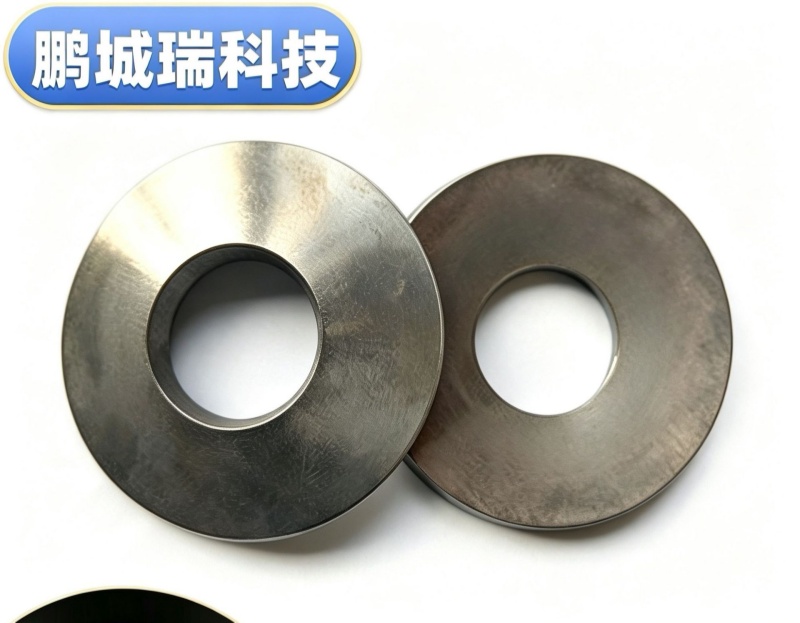
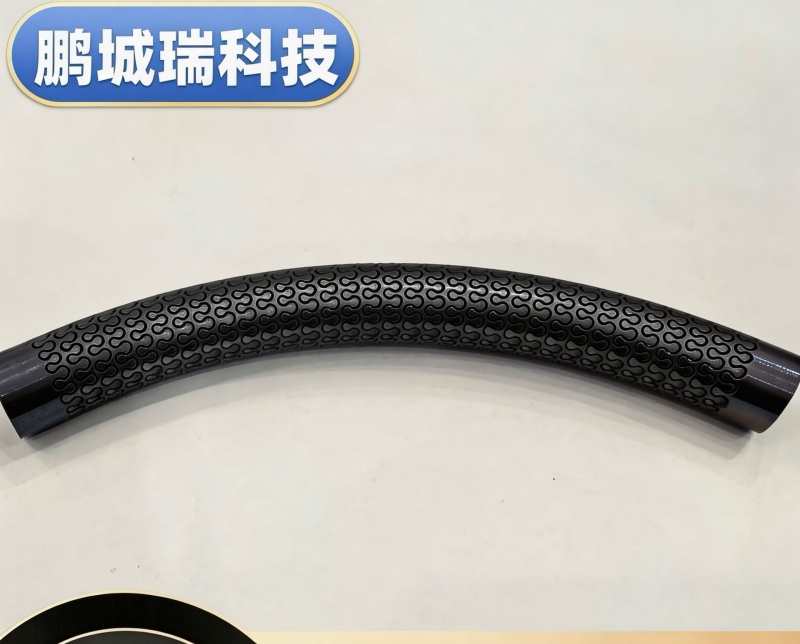
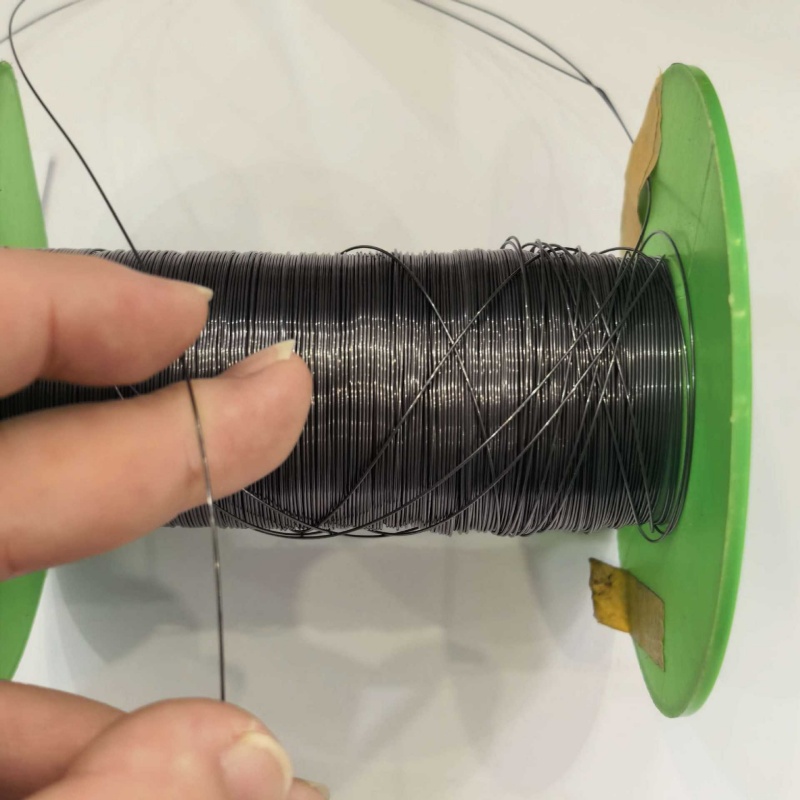
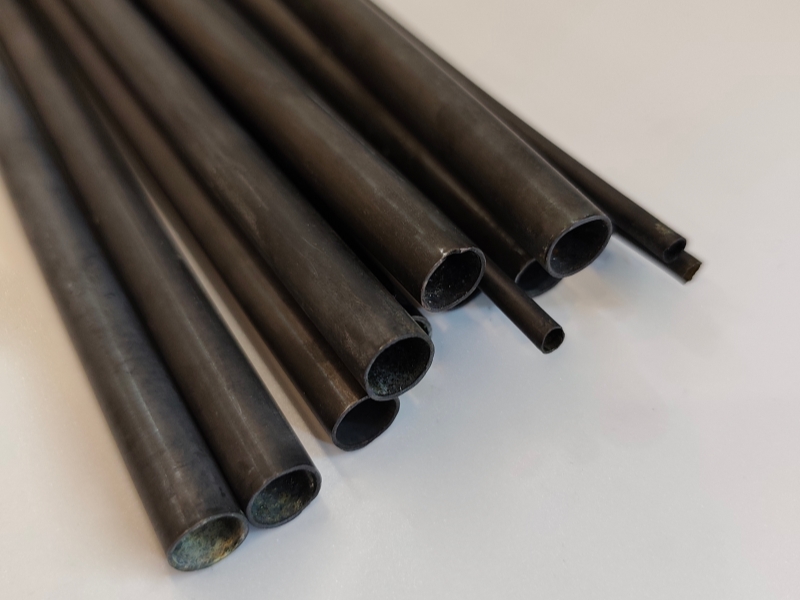
Nitinol
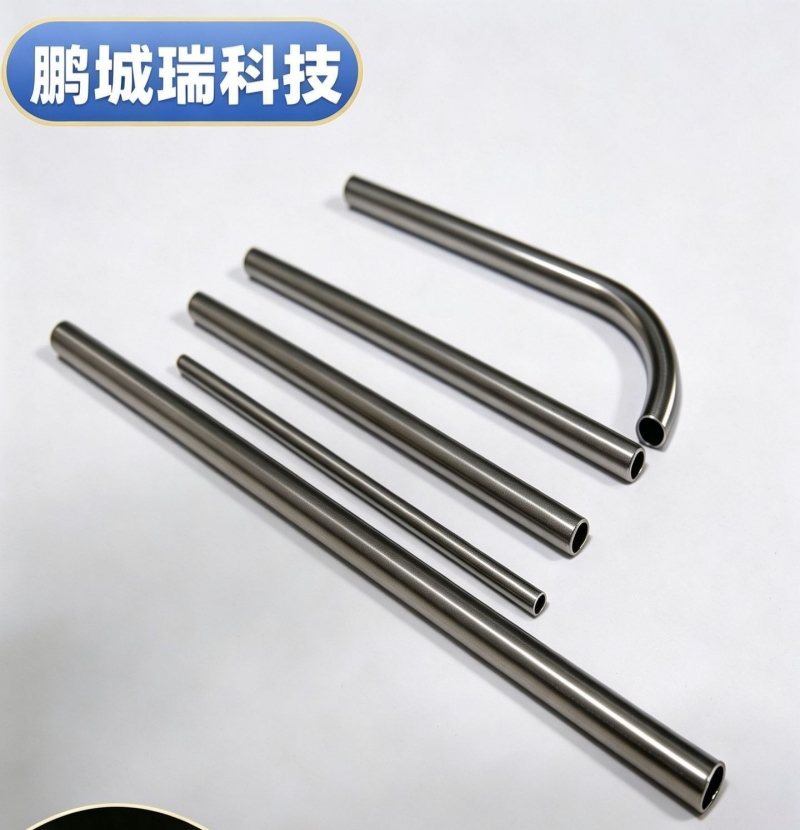
Seamless nickel titanium tube Nickel titanium fiber wire Nickel titanium plateApplication Area
Medical Industry New Energy Aerospace Machinery Manufacturing Marine Engineering Petrochemical IndustryContact Us
Contacts:Manager Wu +86 13632667260


 WeChat
 Call me
X